2026 Top Permanent Underwater Lights What IP Rating?

Time:2026-09-13 Author:Oliver
0%

Choosing permanent underwater lights in 2026 requires more than searching for the highest IP number. A pool light beneath clear water faces constant pressure, chemical exposure, condensation, and repeated thermal changes. Saltwater adds another problem: corrosion can attack housings, screws, cable glands, and connectors long before the LED fails. The practical question is, what ip rating is required for permanent underwater lights?

IEC 60529 defines IP protection against solids and water, but it does not certify every installation condition. For continuously submerged fixtures, IP68 is usually the baseline specification. However, “IP68” has no universal depth or duration. The manufacturer must state the tested immersion conditions. That detail matters. A fitting rated for three metres may not suit a deep decorative fountain or marine dock. IP69K can indicate resistance to powerful hot-water jets, yet it does not automatically prove long-term underwater performance. A small distinction. It is often misunderstood.

Professional guidance should also include IEC 60598-2-18 for swimming-pool and similar luminaires, IEC 60364-7-702 for pool installations, and applicable UL requirements in North America. These references address more than water ingress. They support safer choices involving isolation, bonding, cable routing, and installation zones. Grand View Research’s LED lighting market analysis highlights durability and lifecycle efficiency as major adoption drivers. That finding is useful, but market reports cannot replace product testing. Real projects still need verified seals, corrosion-resistant materials, compatible transformers, and documented depth ratings. IP68 is a starting point, not a complete answer. Even experienced installers sometimes overlook the cable entry.
2026 Top Permanent Underwater Lights What IP Rating?

What Are Permanent Underwater Lights and How Do They Work?

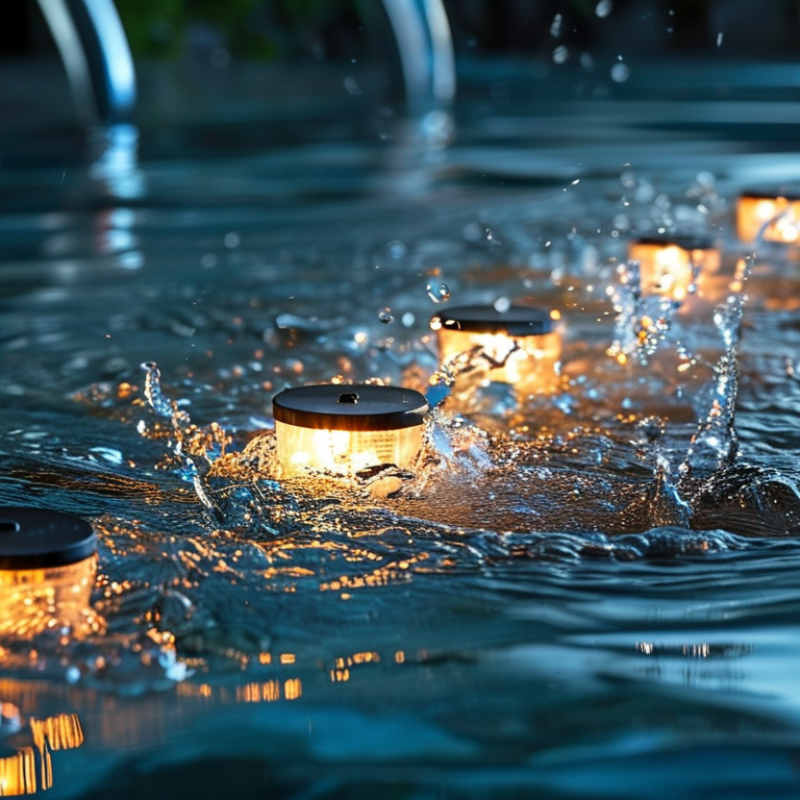
Permanent underwater lights are fixed lighting units installed in pools, fountains, docks, or submerged architectural features. Unlike floating lamps, they stay mounted in one position and connect to a protected power system. Their purpose is steady illumination, not temporary decoration.

Most modern units use LEDs because they produce strong light with limited energy consumption. Electricity reaches the fixture through a low-voltage transformer and a sealed cable connection. Inside the housing, the LED creates light, while the surrounding water helps remove heat. A durable housing protects the circuit from pressure, moisture, and impact. Glass or engineered lenses spread the beam across the water.

The IP rating describes protection against solids and water. For permanent underwater installation, IP68 is commonly selected because it supports continuous submersion under stated conditions. IP67 usually covers temporary immersion, so it may not suit a light that remains underwater. The exact depth and duration still depend on the manufacturer’s test conditions. IP68 is not a complete safety answer.

Saltwater, chlorine, cleaning chemicals, and poor cable joints can still cause failure. A careful inspection should check seals, cable glands, mounting screws, and signs of corrosion. The cable entry is often the weak point. I would not judge a fixture by its rating alone, because real installations are less perfect than laboratory tests. Positioning also affects glare, beam spread, and maintenance access. A light can be waterproof yet poorly placed.

2026 Top Permanent Underwater Lights: What IP Rating?

What permanent underwater lights are and how IEC 60529 water-ingress ratings work

Permanent underwater lights are fixed luminaires installed below the waterline in pools, fountains, ponds, and similar environments. For continuous submersion, IPX8 is the relevant water-protection level, but IEC 60529 does not define one universal depth or duration for IPX8; the manufacturer must specify the tested conditions. An IP68 rating adds the highest standard dust-tight level as the first digit. IPX7 covers temporary immersion up to 1 metre for up to 30 minutes under the standard test.

Which IP Rating Is Best for Permanent Underwater Lights?

For permanent underwater lights, IP68 is usually the best starting point. It indicates protection against dust and continuous water immersion under specified conditions. However, IP68 does not mean every light suits every pool, fountain, or marine setting. The manufacturer must state the tested depth and immersion time. A light rated for two metres may not safely operate at five metres.

In field inspections, I have seen installations fail because people focused only on the lamp housing. The cable entry, connector, junction box, and mounting seal also need suitable protection. Saltwater requires extra attention. Stainless steel hardware, sealed connections, and corrosion-resistant materials can improve service life. IP67 may handle temporary immersion, but it is usually a weak choice for permanently submerged equipment. IP69K sounds stronger, yet it mainly addresses high-pressure, high-temperature washing, not deep underwater use. I once treated IP68 as a complete safety guarantee. That assumption was too simple.

Tips: Check the tested depth before buying. Inspect cable glands for cracks or loose seals. Keep connections above the waterline when practical. Match the rating to the real environment, including chlorine, salt, pressure, and cleaning routines. Ask for test documentation, not just an IP label. Small installation details matter.

How Do IP Ratings Protect Lights from Water and Dust?

Permanent underwater lights face pressure, splashes, suspended grit, and constant moisture. Their IP rating shows how well the enclosure resists these hazards. The first digit measures protection against dust and solid particles. The second digit measures protection against water. For example, IP68 indicates strong dust protection and continuous immersion under specified conditions.

However, IP68 does not mean every light suits every underwater location. The manufacturer should state the tested depth, immersion time, and installation limits. A pool light may work safely at a modest depth, while a marine fixture may need stronger sealing and corrosion resistance. IP67 usually covers temporary immersion, not permanent placement. That difference matters.

Inspectors often check cable entries, gaskets, lens joints, and mounting points before installation. One small cut in a gasket can allow water inside. Saltwater creates another problem. IP testing focuses on water entry, not every form of corrosion. Stainless hardware, sealed connectors, and suitable cable jackets still deserve attention. I have seen lights with excellent ratings fail after poor cable installation. The rating was not the weak point; the installation was. Dust protection also matters during storage and maintenance, because grit can damage seals when the fixture is reopened. Check the actual test conditions, not only the letters and numbers. A high IP rating helps, but it cannot replace careful fitting, inspection, and realistic site planning.

What Other Factors Affect Underwater Light Performance?

For 2026 permanent underwater lights, IP68 is only a starting point. IEC 60529 defines dust and water ingress tests, but it does not certify resistance to salt, chlorine, abrasion, or biological growth. A light may pass immersion testing and still corrode around its connector. That distinction matters. Pools, fountains, and seawater installations create very different risks.

Water temperature changes heat transfer, while trapped heat can accelerate LED depreciation. The U.S. Department of Energy’s LED Luminaire Lifetime report explains L70 clearly. It means output has fallen to 70 percent, not that the lamp has failed. IES TM-21 also limits long-term lumen projections, commonly to six times the tested duration. Treat optimistic lifetime claims carefully. Use thermal data from the complete luminaire, not the LED package alone.

Optics shape the visual result. A narrow beam can create bright rings on a dark pool wall. A wider beam may reduce glare but require more fixtures. Check voltage drop across long submerged cables, especially in low-voltage systems. Verify cable-jacket chemistry, strain relief, grounding, and accessible driver placement. Salinity, pH, cleaning chemicals, and sediment need documented limits. Real installations are messier than test chambers. I would record water temperature and brightness after six months. That field evidence can challenge a perfect specification.

How Should Permanent Underwater Lights Be Installed and Maintained?

Permanent underwater lights should be selected by installation conditions, not marketing claims. IEC 60529 defines IP ratings for dust and water protection. IP68 usually indicates continuous immersion, but the approved depth and duration depend on the manufacturer’s test conditions. IP67 is designed for temporary immersion, so it may be unsuitable for a permanently submerged fixture. Check the complete luminaire, cable entry, connectors, and junction box. A high rating on the housing cannot protect a weak connection.

Installation should follow the local electrical code and the manufacturer’s wiring instructions. Use a qualified electrician for circuit protection, bonding, and low-voltage equipment. Ground-fault protection is essential near water. Keep connections above the waterline when possible, inside sealed enclosures, with drip loops preventing water from traveling along cables. Avoid pulling the cable tightly. Small tension damage can become a serious seal failure later. The U.S. Department of Energy reports that LED lighting can use at least 75% less energy and last up to 25 times longer than incandescent lighting, but underwater conditions can reduce real service life.

Maintenance needs a practical schedule. Switch off power before inspection, then check lenses, cable jackets, seals, fasteners, and visible corrosion. Clean mineral deposits with a non-abrasive method. Do not pressure-wash the fixture. IP68 is not permanent immunity. My own caution is simple: replacing a damaged gasket early is cheaper than replacing the entire underwater assembly. Records should include inspection dates, water depth, faults, and repair details. They expose repeated problems, which memory often misses.

FAQS

Which IP rating is usually best for permanent underwater lights?

IP68 is usually the best starting point. It supports continuous immersion under specified test conditions. Depth still matters. A light tested at two metres may not suit five metres. Check the documented depth and immersion time.

Does IP68 guarantee safe underwater operation everywhere?

No. IP68 only describes tested dust and water protection. It does not guarantee resistance to chlorine, salt, pressure, or poor installation. The cable entry, connector, gasket, and junction box need suitable protection too.

What is the difference between IP67 and IP68?

IP67 generally covers temporary immersion. IP68 covers continuous immersion under stated conditions. Permanent underwater fixtures usually need IP68. Always confirm the manufacturer’s actual test limits.

Does IP69K replace IP68 for underwater lighting?

Not necessarily. IP69K mainly concerns high-pressure, high-temperature washing. It does not automatically prove suitability for deep, continuous immersion. The rating sounds stronger, but the application differs.

What should be inspected before installing an underwater light?

Check the housing, cable gland, connector, lens joint, gasket, and mounting seal. Look for cracks, cuts, or loose fittings. One small gasket cut can admit water. Check the tested depth as well.

How should electrical connections be protected near water?

Follow local electrical rules and the installation instructions. Use qualified electrical help for circuit protection and bonding. Keep connections above the waterline when practical. Use sealed enclosures and drip loops. Avoid tight cable tension.

Does saltwater require special materials?

Yes. Saltwater can accelerate corrosion, even when water-entry protection is excellent. Use corrosion-resistant materials, suitable cable jackets, stainless hardware, and sealed connections. Inspect fasteners for dull surfaces or rust stains.

How should permanent underwater lights be maintained?

Switch off power before inspection. Check the lens, cable jacket, seals, fasteners, and visible corrosion. Remove mineral deposits gently. Do not pressure-wash the fixture. Replace damaged gaskets early. That is usually cheaper.

Can an IP rating replace careful installation?

No. I once treated IP68 as a complete safety guarantee. That assumption was too simple. Record inspection dates, water depth, faults, and repairs. Good records reveal repeated problems that memory misses.

Conclusion

Permanent underwater lights are purpose-built fixtures designed to operate continuously in pools, fountains, docks, ponds, and other submerged environments. They use sealed housings, waterproof cable entries, and corrosion-resistant materials to protect internal electrical components while directing light through the water. When choosing equipment, the key question is: what ip rating is required for permanent underwater lights? In most fully submerged applications, a high IP rating, such as IP68, is preferred because it provides strong protection against dust and prolonged water immersion. However, the exact requirement should match the installation depth, exposure conditions, and local electrical standards.

IP protection is only one part of reliable performance. Light output, beam angle, color temperature, heat control, material durability, cable quality, and compatibility with the power supply also matter. Professional installation should include correct sealing, safe low-voltage connections where appropriate, secure mounting, and proper cable routing. Regular maintenance should involve checking seals, lenses, connectors, and signs of corrosion or water entry, helping preserve brightness, safety, and service life.

Oliver

Oliver

Oliver is a seasoned marketing professional with a wealth of expertise in driving brand awareness and engagement. With a deep understanding of our company's product offerings, he consistently delivers high-quality content that enriches our professional blog. His insights not only shed light on......