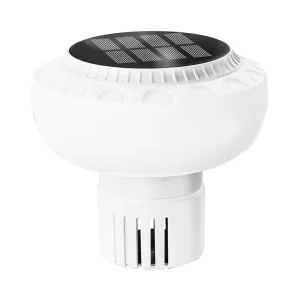
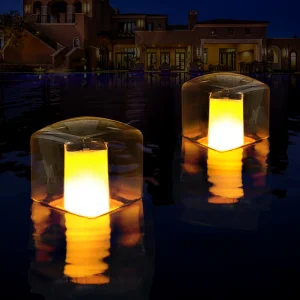
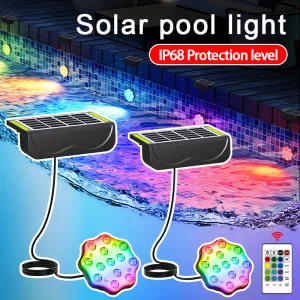
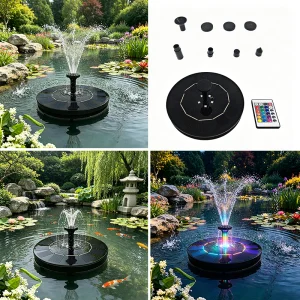
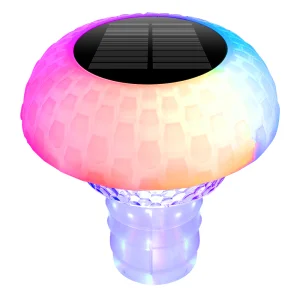
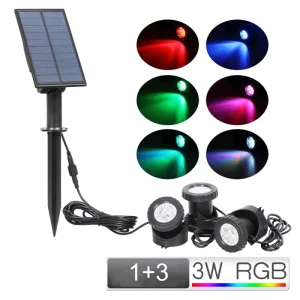
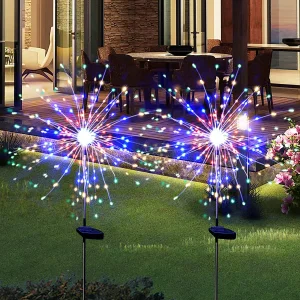
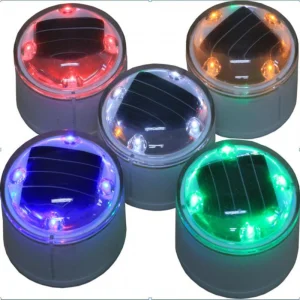
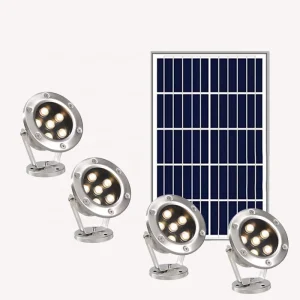
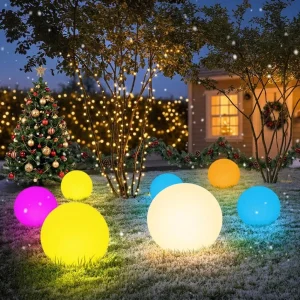
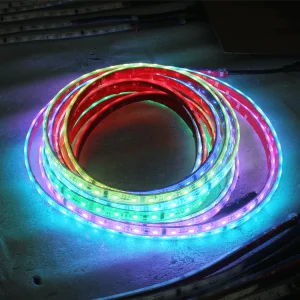
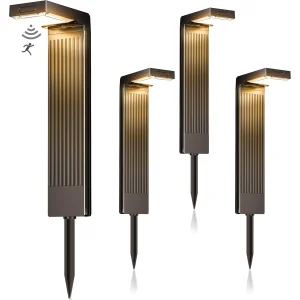
As the global market transitions toward sustainable, net-zero architectural and residential ecosystems, the demand for high-reliability outdoor lighting has skyrocketed. Within this niche, solar-powered pool lights represent a critical intersection of photovoltaic cell efficiency, lithium-ion battery longevity, and rigorous sub-surface fluid seal mechanics. For commercial procurement officers, municipal landscape developers, and distributors, partnering with a premier solar powered pool light manufacturer is no longer just about cost reduction—it is a strategic decision regarding product durability, system integration, and safety compliance.
This whitepaper details the engineering excellence, manufacturing processes, and quality assurance frameworks of Shenzhen Alter Light Co., Ltd., a top-tier manufacturing facility in the swimming pool lighting sector. By analyzing structural sealing innovations, smart synchronization algorithms, and our Smart Factory 4.0 infrastructure, we outline how our industrial solutions solve real-world installation, degradation, and operation challenges in diverse underwater environments.
"For engineering firms and international distributors, our mission centers on eliminating the historic vulnerability points of solar underwater systems—namely water intrusion, thermal degradation, and erratic smart synchronization—to deliver a lifetime value profile that justifies high-end commercial deployment."
Engineering a solar-powered light that sits, floats, or functions submerged in chemical-heavy swimming pool water requires addressing three distinct technical vectors: chemical stress, thermal management, and power-to-lumen efficiency.
Water intrusion is the most common failure point in low-grade underwater lighting. At Shenzhen Alter Light Co., Ltd., we utilize patented structural injection methods combining high-impact Polycarbonate (PC) and Acrylonitrile Butadiene Styrene (ABS). PC provides high transparency and structural strength, while UV-stabilizers in the polymer prevent yellowing and degradation under constant sunlight. Our sealing system features custom-molded silicone gaskets and automated epoxy injection (gluing), protecting internal lithium battery packs and PCBs from water ingress even under long-term pressure tests matching 10 meters of depth.
Floating solar lights rely on integrated solar panels that face water spray, chlorine deposits, and variable sunlight angles. We integrate premium monocrystalline silicon solar cells with conversion efficiencies exceeding 21%. Protected by tempered, anti-reflective glass or high-durability ETFE laminates, these panels maintain charging performance even in partial shade, ensuring the integrated LiFePO4 (Lithium Iron Phosphate) battery reaches full capacity during normal daylight cycles.
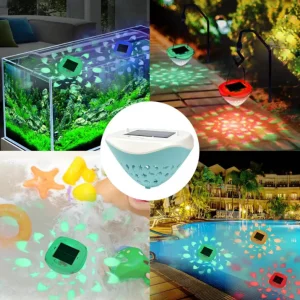
Standard solar pool lights operate independently, resulting in fragmented visual designs. Our synchronized smart controls (including proprietary 2-wire setups and wireless RF/Bluetooth/Tuya ecosystems) allow users to adjust colors (RGB), dimming levels, and timing programs across hundreds of fixtures at once. This delivers the visual stability of wired architectural installations with the cost-efficiency of solar power.
| Technical Dimension | Standard Manufacturer Spec | Alterra Light Industrial Spec | Performance Benefit |
|---|---|---|---|
| Waterproof Rating | IP65 - IP67 (Splash-resistant) | IP68 (True Submersible) | Zero-leakage operation at depth |
| Solar Cell Type | Polycrystalline (14-16% Efficiency) | Monocrystalline (21%+ Efficiency) | Rapid charging in low-light environments |
| Battery Chemistry | Ni-MH / Standard Li-ion | LiFePO4 (Grade A, 2000+ Cycles) | Extended lifetime, high thermal safety |
| Body Material | Recycled PVC / Thin ABS | Marine-Grade Stainless Steel & Virgin PC | Excellent resistance to chlorine, salt, and UV |
| Control Systems | Manual Switch / Simple Light Sensor | Smart RF, Tuya IoT, & 2-Wire Sync | Seamless control for large commercial projects |
Operating out of Shenzhen, the world’s leading hub for hardware innovation, Shenzhen Alter Light Co., Ltd. runs a highly vertically integrated manufacturing process. By keeping design, molding, injection, assembly, and testing in-house, we control quality at every step, reduce lead times, and offer robust OEM/ODM customization services to global markets.
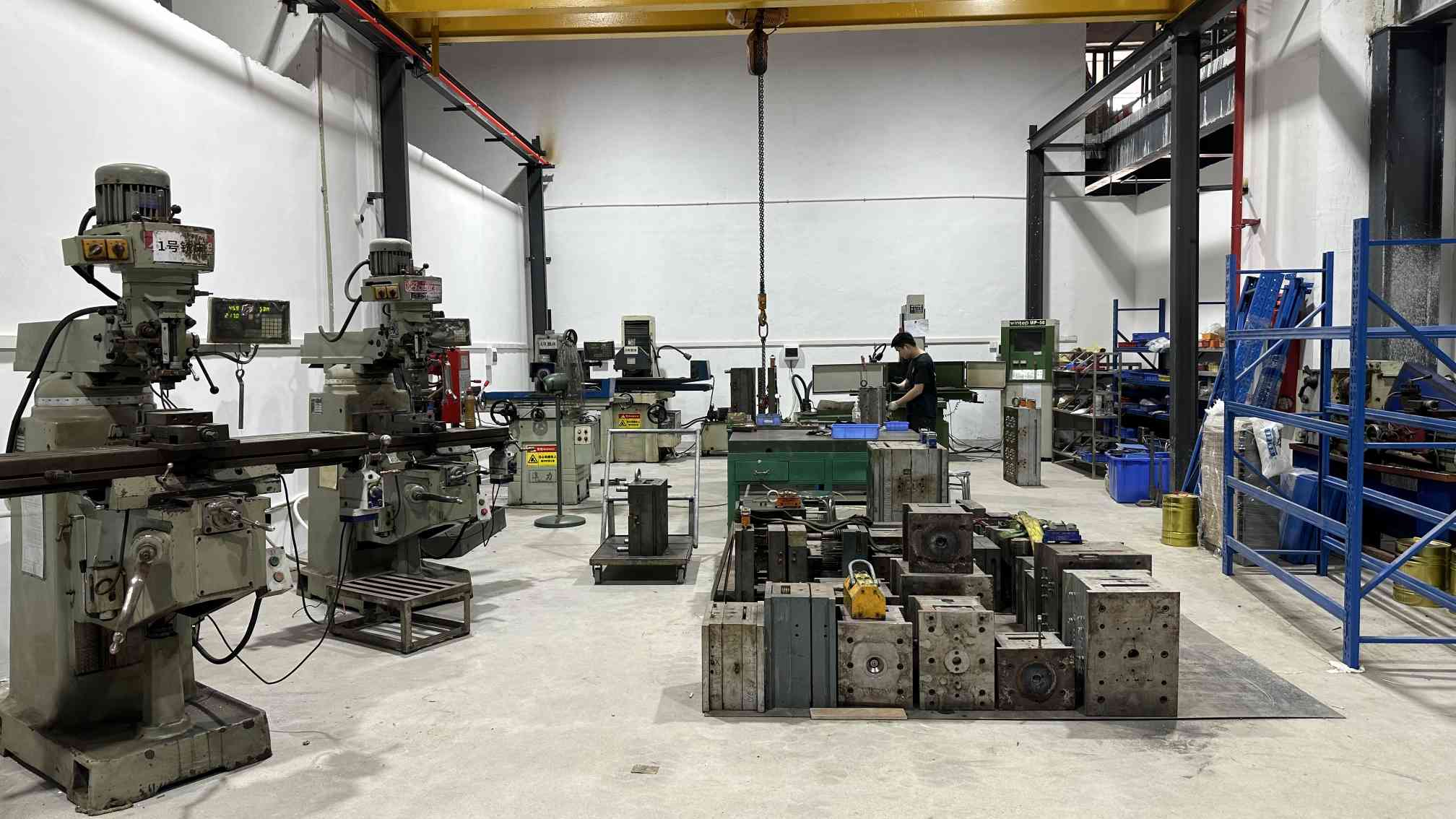 Mould Processing
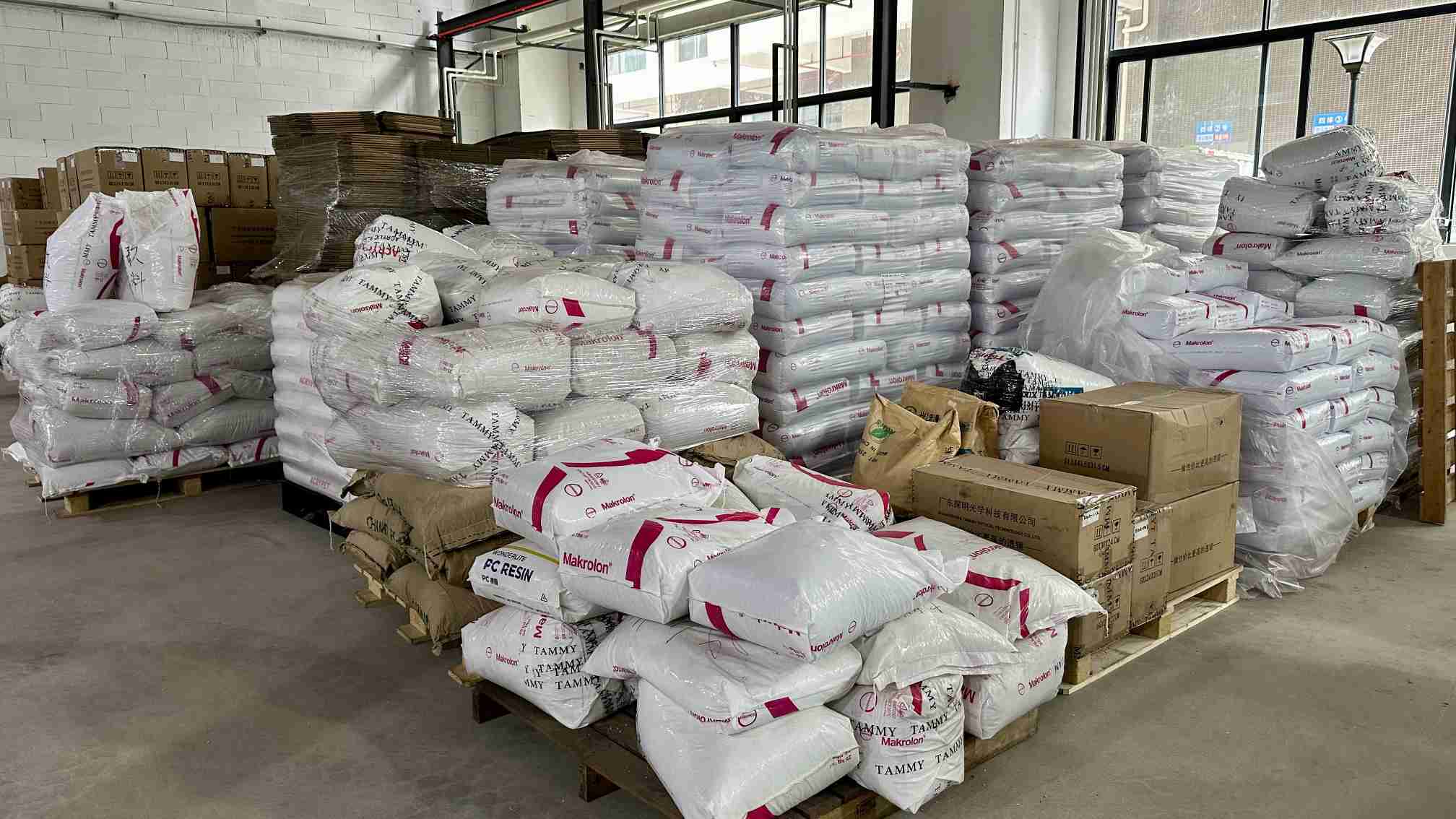 Plastic Raw Materials
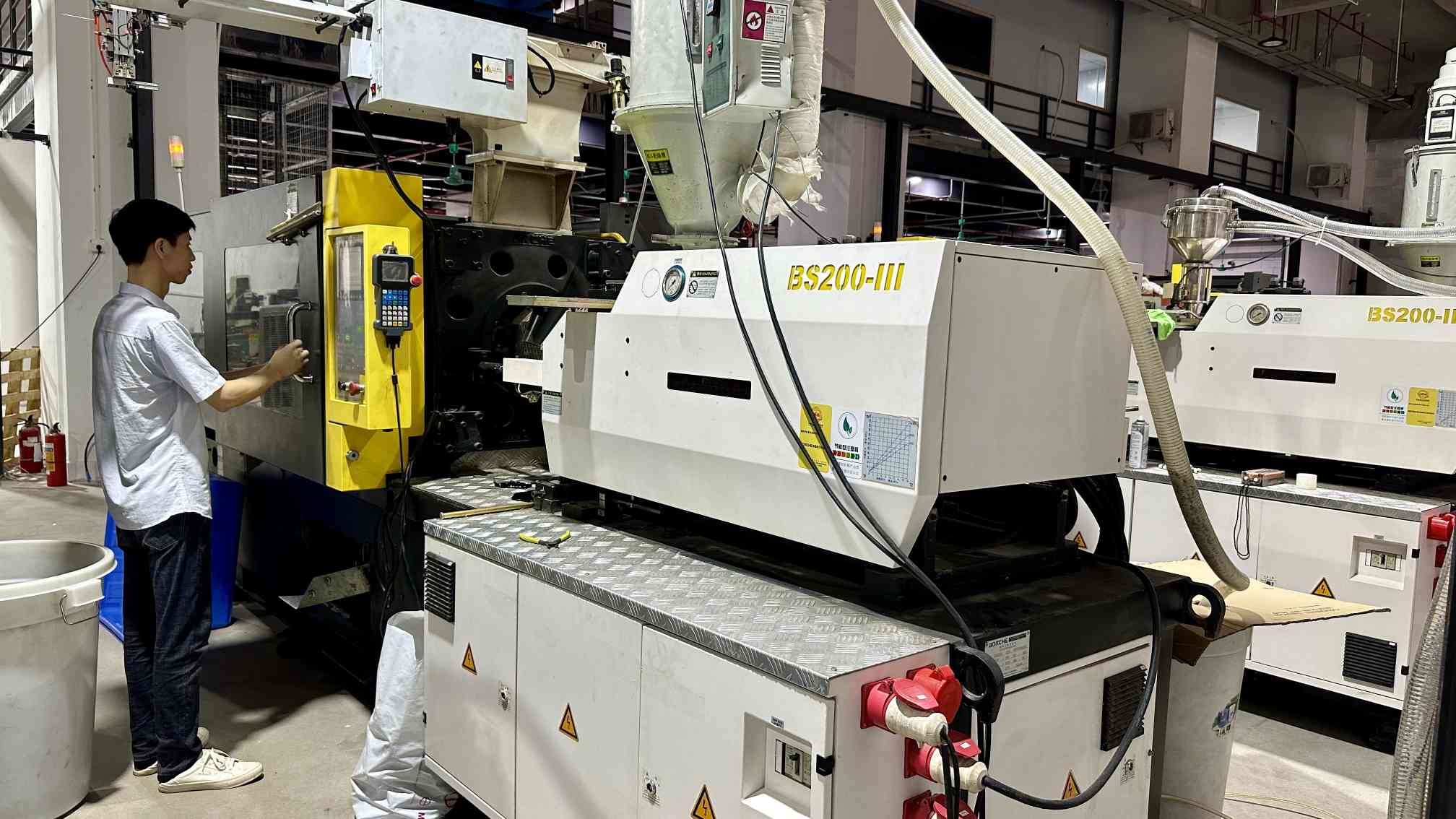 Injection Molding
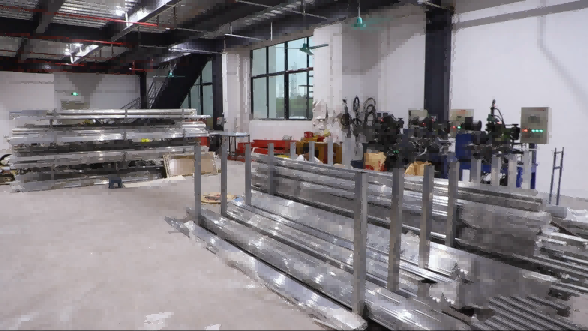 Aluminum Materials
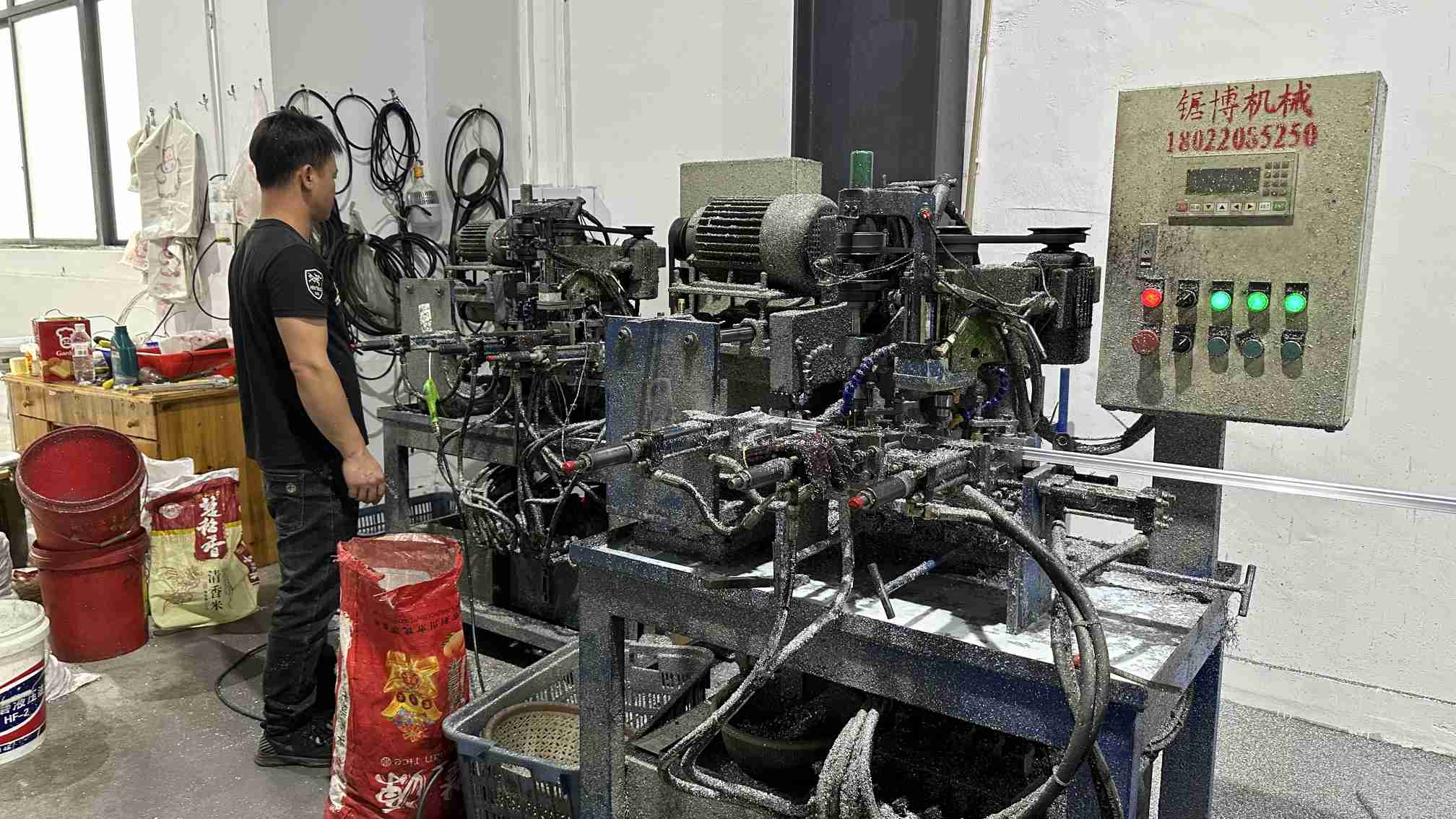 Cutting
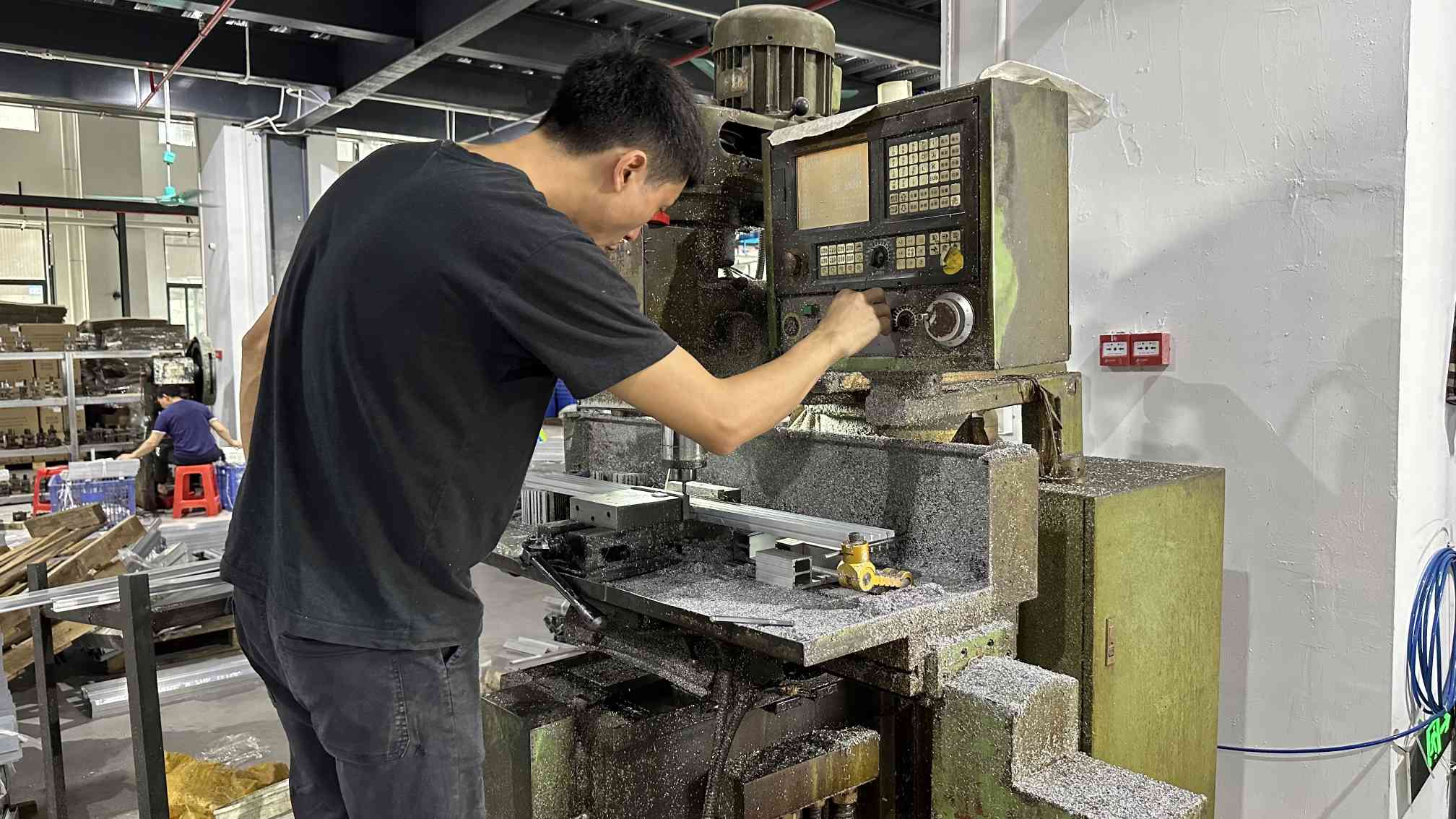 Milling
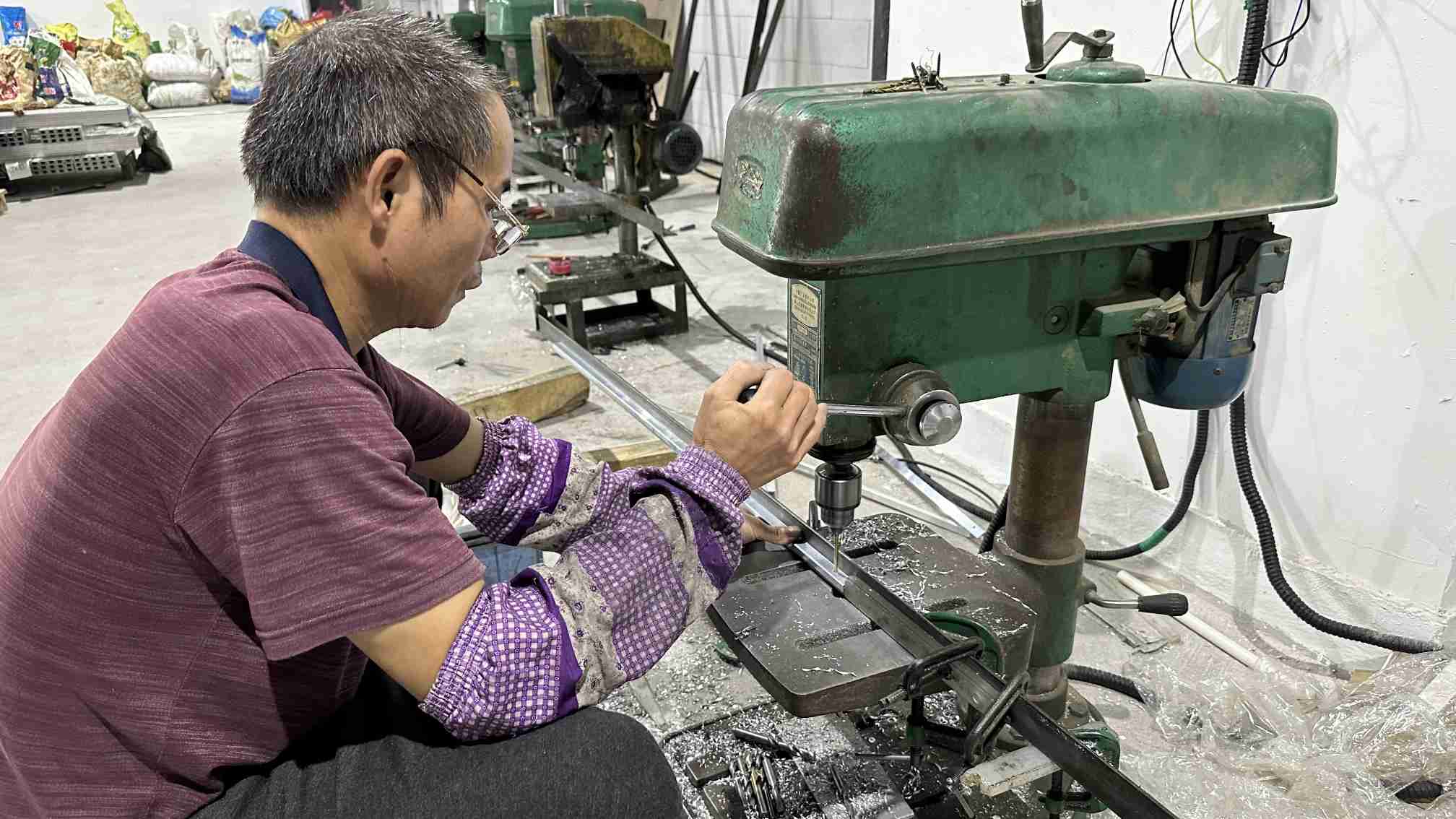 Drilling
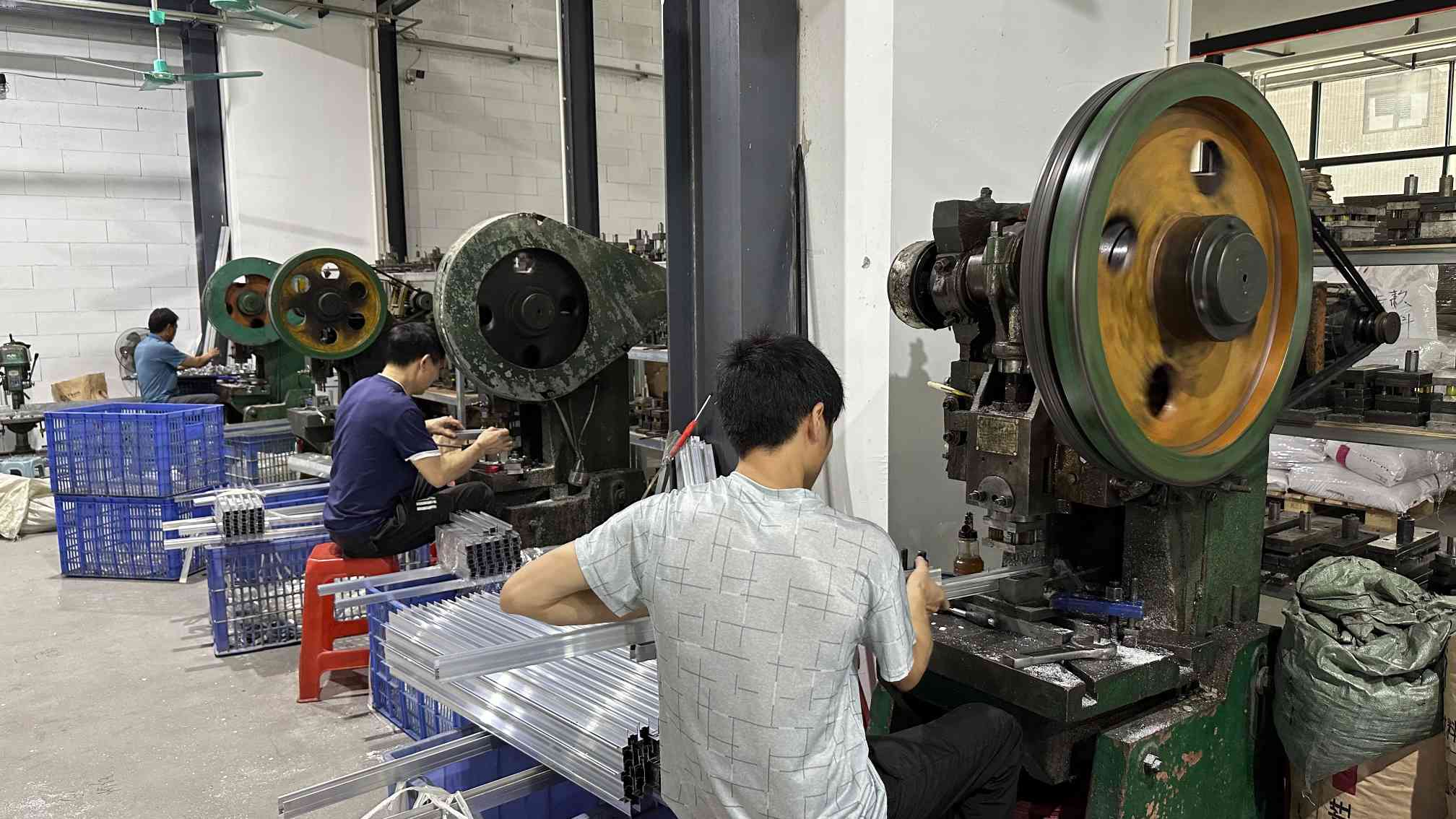 Punching
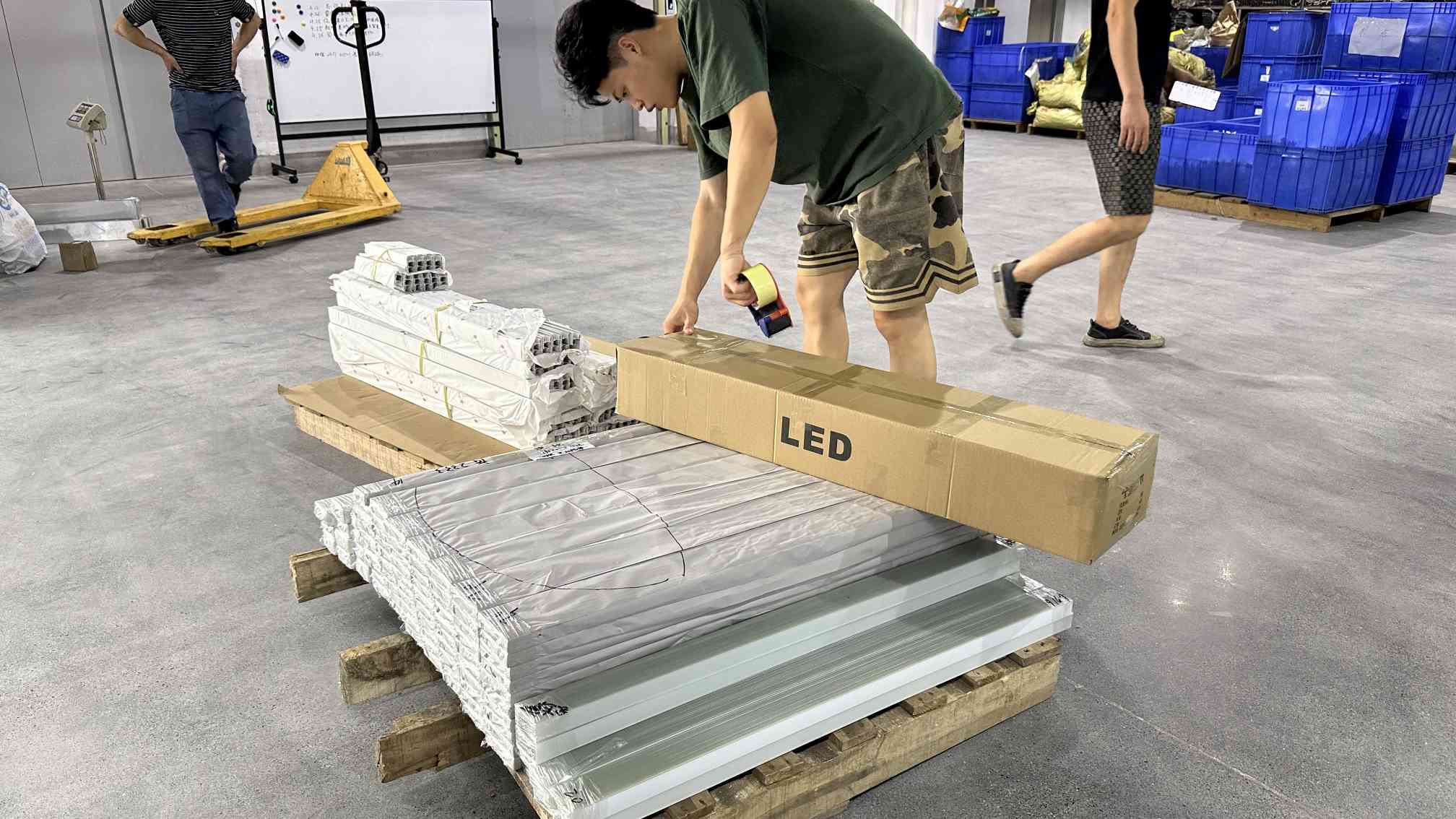 Packing
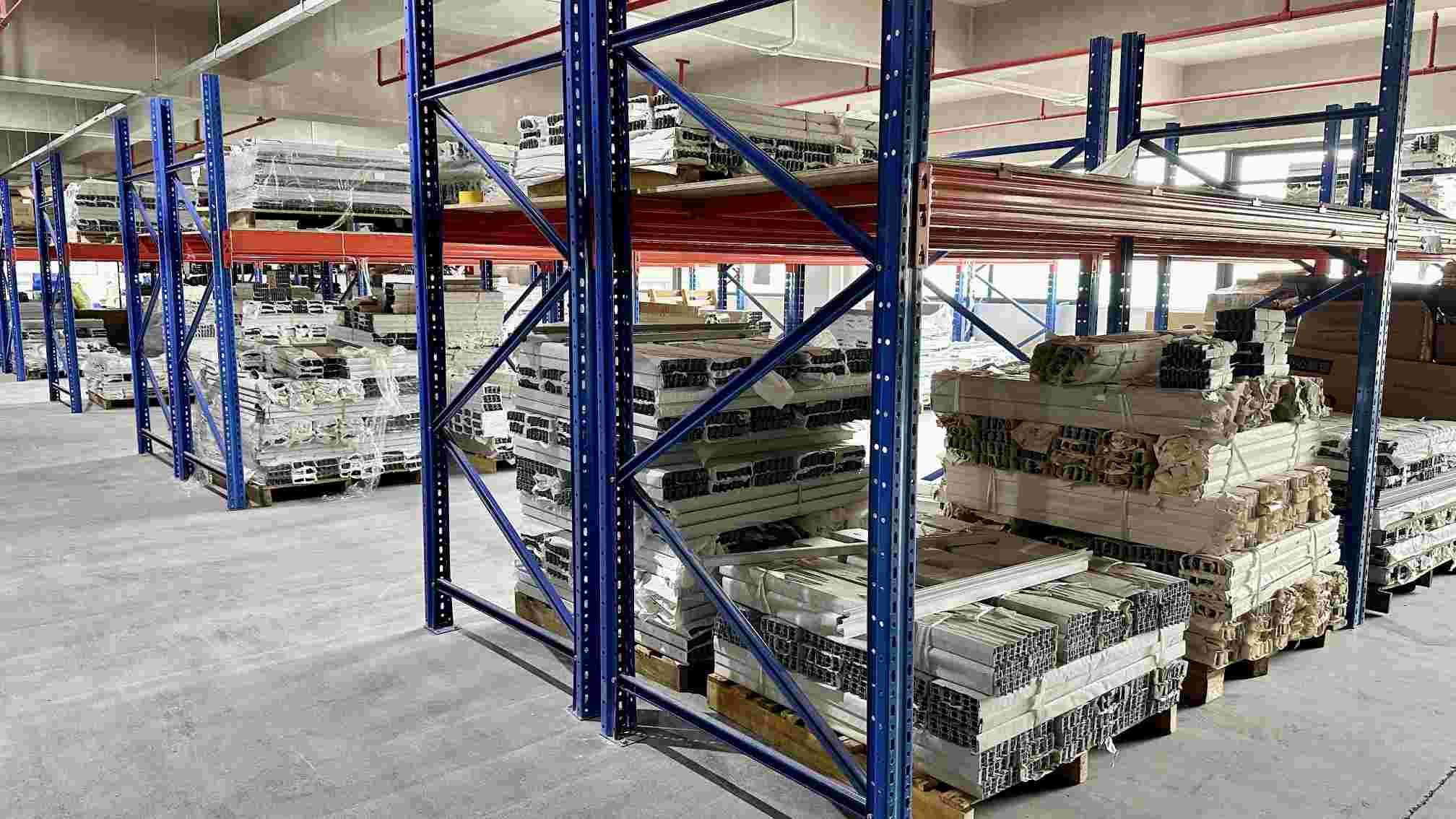 Storage
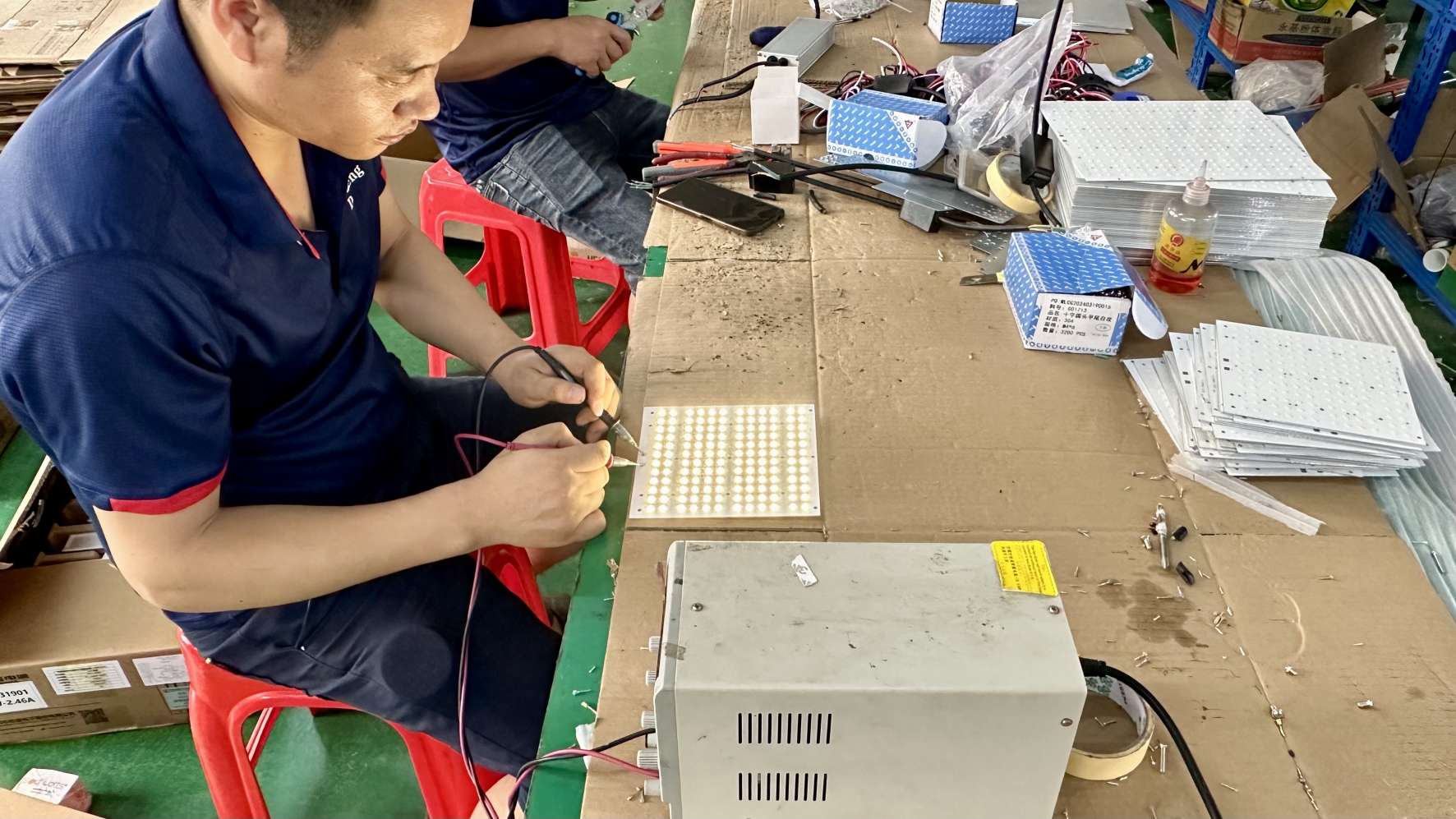 Parts Testing
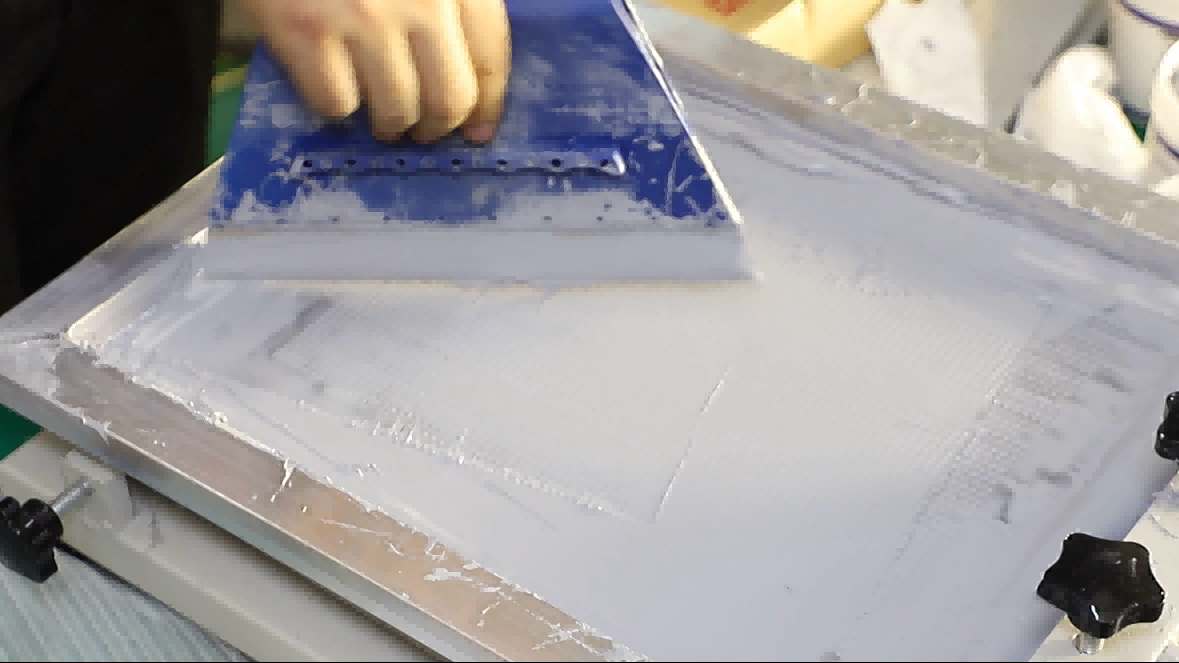 Gluing
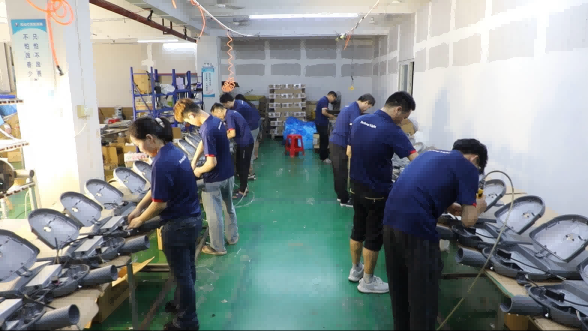 Assembly Line A
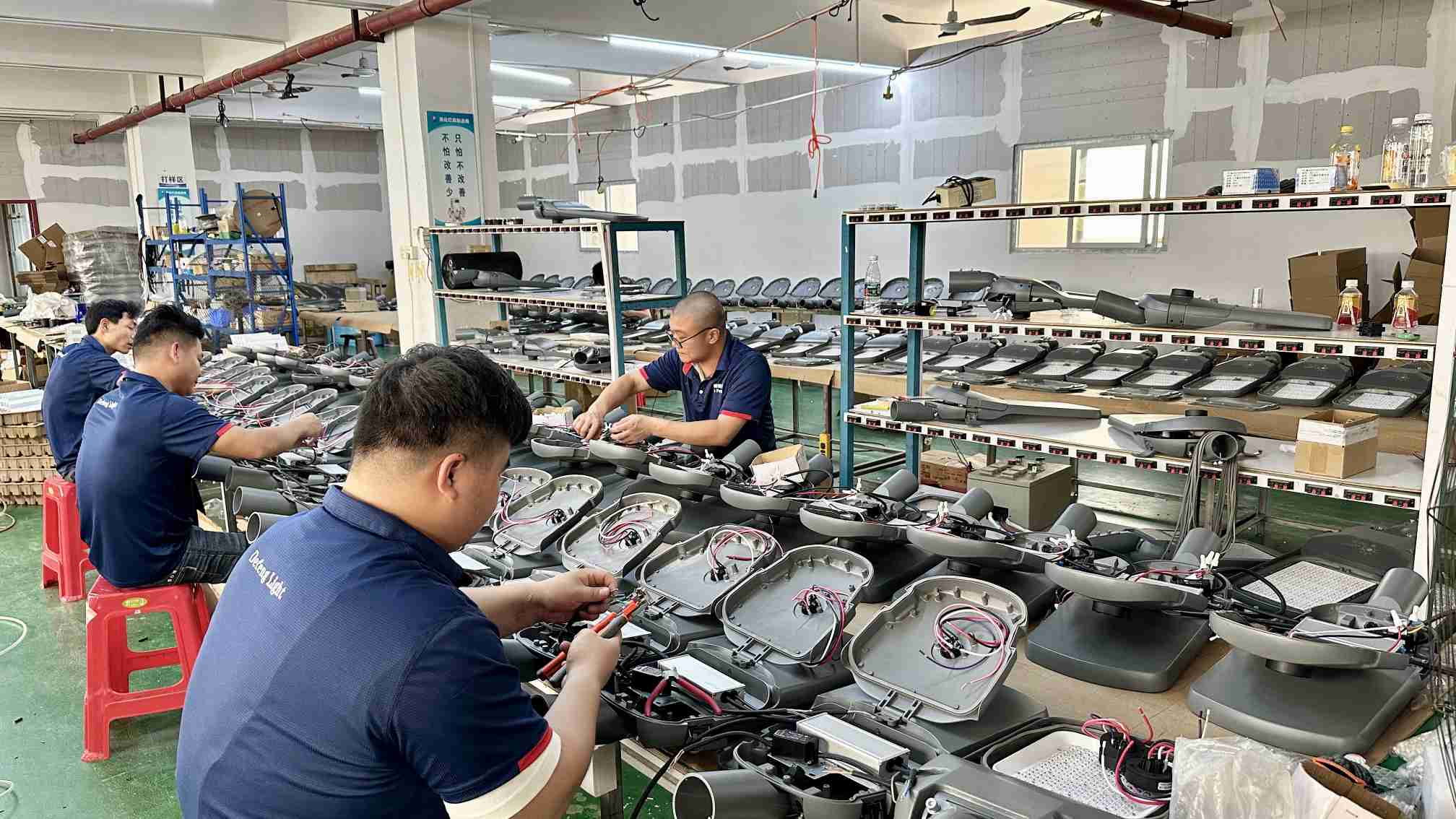 Assembly Line B
Our facility runs continuous quality gates across all manufacturing stages:
As solar technologies and smart networks mature, our R&D roadmap focuses on three main architectural shifts:
Integrating Perovskite-Silicon tandem solar cells to achieve up to 26% conversion efficiency, allowing smaller footprints with higher power outputs.
Integrating the unified Matter smart home protocol to ensure plug-and-play compatibility with Google Home, Apple HomeKit, and Samsung SmartThings without proprietary hubs.
Developing AI-driven energy management microcontrollers that adjust brightness levels dynamically based on local weather histories to prevent deep battery discharges.
Different commercial contexts present unique functional requirements. Our product catalog is structured to meet these varied architectural needs:
Navigating global regulatory certifications is essential for smooth distribution and installation. Shenzhen Alter Light Co., Ltd. ensures all swimming pool lighting products comply with international safety and performance benchmarks:
We work closely with global buyers to streamline sourcing, customization, and quality checks. Our structured process helps ensure fast turnarounds and consistent quality:
A: We use high-impact, virgin Polycarbonate (PC) and Acrylonitrile Butadiene Styrene (ABS) mixed with UV-stabilizers. These materials resist chemical degradation and won't yellow under direct sunlight. For stainless steel components, we use marine-grade 316 stainless steel to prevent rust and corrosion in salt-chlorinated pools.
A: We primarily use Lithium Iron Phosphate (LiFePO4) battery packs. Compared to standard lithium-ion or Ni-MH batteries, LiFePO4 chemistry provides up to 2,000 charge cycles, works safely across a wider range of temperatures, and minimizes the risk of thermal runaway in sealed, hot environments.
A: Yes. We offer wireless control systems, including RF remote controls and integrated Bluetooth/Tuya chips. These setups allow users to coordinate lighting patterns, change colors, and sync up large arrays of solar lights simultaneously.
A: Standard production orders are typically shipped within 25 to 35 days. For custom OEM/ODM designs requiring new mold tools, the initial prototyping stage usually takes 30 to 45 days, followed by mass production cycles.
A: Our products are certified with CE, RoHS, FCC, and SAA. We also perform in-house IP68 waterproof certifications and provide test logs to ensure compliance with local electrical safety and environmental rules.