When it comes to pool lighting, many homeowners find themselves pondering, "what is the difference between nicheless and niched pool lights?" Understanding these differences can enhance your pool's aesthetics and functionality. Both types of lights illuminate the water, but they differ significantly in design and installation. Nicheless lights offer flexibility in placement, fitting seamlessly into various pool designs. They often have a simpler installation process, which appeals to DIY enthusiasts.
On the other hand, niched pool lights are installed within a pre-built niche, offering a different visual appeal. These lights can provide a more customized look, as they blend into the pool's architecture. However, their installation often requires a bit more effort. This fundamental difference can impact your overall pool renovation or construction.
As you consider these two options, weigh the pros and cons carefully. Both styles have their merits. However, the decision should align with your aesthetic preference and practical needs. Reflect on the unique characteristics of your pool space to determine the best choice for your lighting needs.
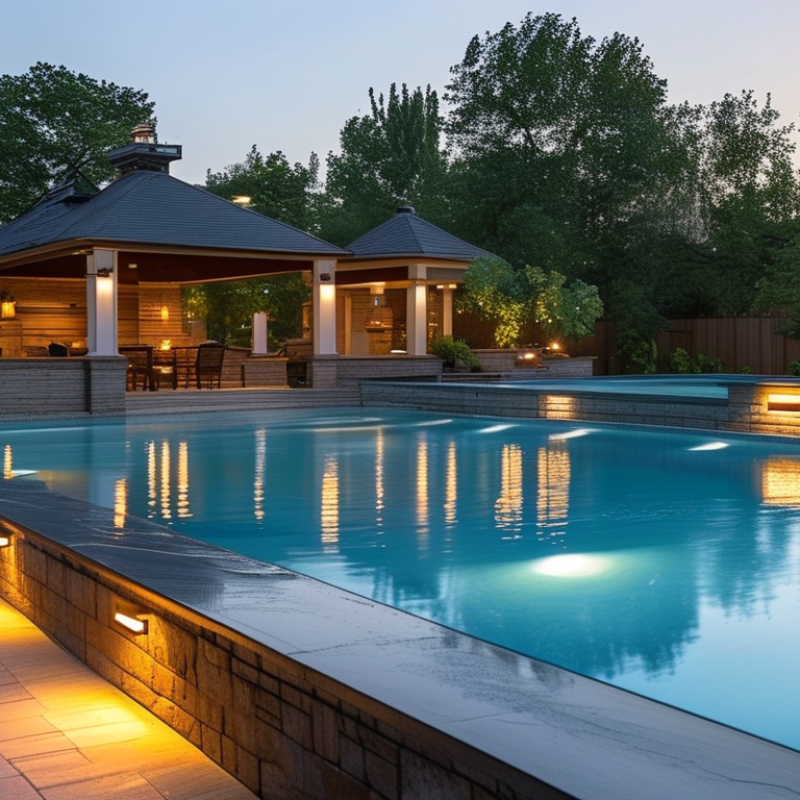
Key Characteristics of Nicheless Pool Lights in Modern Swimming Designs
Nicheless pool lights are transforming modern swimming design. Unlike traditional niched lights, they stand out without the need for a dedicated alcove. These lights offer a sleek, minimalist aesthetics. According to a recent industry report, 55% of new pool designs favor nicheless options for their versatility and installation ease.
A key characteristic of nicheless lights is their adaptability. They can be installed in various pool shapes and surfaces, ensuring an even light distribution. Additionally, they eliminate shadowing issues commonly found with niche lights. This adaptability makes them popular in residential and commercial pools alike.
Tips: Always consider the wattage of the nicheless lights. A higher wattage provides better illumination but may increase energy costs. Look for LED options, which can save up to 80% on electricity. Regularly check for dirt accumulation on fixtures; cleaning ensures optimal performance and longevity.
Defining Niched Pool Lights: Features and Applications in Residential Pools
Niched pool lights are specifically designed for residential pools. They offer unique features that enhance usability and aesthetics. These lights typically integrate seamlessly into pool structures, providing a clean, unobtrusive look. The installation process is often straightforward, making them a popular choice among homeowners.
One of the key applications of niched pool lights is their ability to create ambiance. They illuminate the pool area without harsh glare. This can enhance evening swims or backyard gatherings. Additionally, these lights often come with customizable color options. Homeowners can program them to suit different occasions, adding a personal touch.
However, niched pool lights can sometimes present challenges. Maintenance may require more effort due to their integrated design. If a bulb fails, reaching it can be tricky. It’s crucial to consider these aspects before installation. Weighing the benefits and drawbacks helps in making an informed decision. Ultimately, niched pool lights can be a valuable addition to any residential pool, enhancing both functionality and enjoyment.
Top 10 Differences Between Nicheless and Niched Pool Lights
This chart illustrates the top ten differences between niched and nicheless pool lights based on various performance metrics. The ratings are on a scale of 1 to 10, with 10 being the highest. Each aspect showcases how the two types of pool lights compare in terms of features and applications.
Comparative Analysis of Energy Efficiency Between Nicheless and Niched Lights
When comparing nicheless and niched pool lights, energy efficiency stands out. Niched lights typically require special housings, which can lead to higher installation costs. They offer directed lighting, making them efficient for specific areas. However, nicheless options are easier to install. They also use fewer materials, potentially reducing energy consumption.
It's essential to consider the energy output of each type. Nicheless lights often use LED technology. LEDs are known for their low energy use and long lifespan. In contrast, niched lights may use more conventional bulbs, which can consume more power. This can lead to higher electricity bills over time.
Tips: Always check wattage before purchasing. Understanding the energy requirements can aid in budgeting. Consider the long-term savings of LEDs versus short-term installation costs. Over time, the choice may affect your energy footprint. Remember, the right lighting can enhance your pool’s ambiance while being cost-effective. Don't overlook maintenance, as it can influence efficiency as well.
Top 10 Differences Between Nicheless and Niched Pool Lights
| Feature |
Nicheless Pool Lights |
Niched Pool Lights |
| Installation Ease |
Simpler installation process |
Requires specific niche construction |
| Cost |
Generally lower upfront cost |
Often higher due to niche requirements |
| Light Placement |
Flexible placement options |
Fixed placement in niches |
| Energy Efficiency |
Typically LED, very efficient |
Varies, less commonly LED |
| Maintenance |
Easier to access for maintenance |
Harder to access once installed |
| Design Flexibility |
More design options available |
Limited design choices |
| Durability |
Highly durable with proper installation |
Generally durable but niche can weaken over time |
| Aesthetics |
Usually sleek and modern appearance |
Classic look but can appear bulky |
| Power Supply |
More options for power supply |
Fixed power supply options |
| Heat Generation |
Lower heat generation |
Can generate more heat |
Installation Considerations: Nicheless vs. Niched Pool Lighting Solutions
When deciding between nicheless and niched pool lights, installation considerations play a crucial role. Nicheless lights are often easier to install. They can be mounted directly to the pool wall. This means fewer structural changes. Homeowners often appreciate this simplicity. It reduces labor costs and installation time.
On the other hand, niched pool lights require more complex installation. They need a specific housing built into the pool wall. This adds additional steps to the process. It's vital to ensure the niche is watertight to prevent leaks. The installation must also meet safety regulations. This can complicate the project and may require professional assistance.
Reflecting on both options, nicheless lights offer flexibility. However, they might not provide the same luminosity as niched options. Each choice carries benefits and drawbacks. Understanding these details helps in making an informed decision. The right lighting can transform your pool experience dramatically.
Cost Implications: Initial Investment and Long-Term Benefits of Each Option
When considering pool lights, understanding the cost implications is crucial.
Niched pool lights tend to have a higher initial investment, often ranging from
20% to 50% more than nicheless options. This difference mainly stems from the
specialized housing and design features of niched lights. According to industry reports, the average upfront cost
for niched lights can reach up to $300 per fixture, while nicheless options start at around
$200.
However, the long-term benefits of niched lights often outweigh the higher upfront costs. They typically offer
better energy efficiency and longer lifespans. Some studies suggest that niched lights can last up to
15 years, while nicheless models may only last about
7 to 10 years. This longevity can translate into significant savings on
replacements and energy use over time. Yet, consumers must consider maintenance costs. For niched fixtures,
access can be challenging, leading to higher maintenance fees. These hidden costs can impact overall savings.
Choosing between these two types of pool lights involves more than just price. A careful analysis of long-term
benefits and potential drawbacks is essential. The decision ultimately hinges on the installation environment
and personal preferences. Understanding these factors will lead to a more informed choice that aligns with both
budget and lifestyle.
FAQS
: Niched pool lights are designed for residential pools, enhancing usability and aesthetics.
They illuminate the pool area softly, minimizing harsh glare during evening swims or gatherings.
Maintenance can be tricky if a bulb fails, making them harder to access due to their design.
Niched lights may consume more power, while nicheless options often use energy-efficient LEDs.
Niched lights can be 20% to 50% more expensive upfront due to their specialized design and housing.
They typically last longer and offer better energy efficiency, leading to potential savings over time.
Yes, maintenance costs can be higher for niched lights, impacting potential savings in the long run.
Consider both initial costs and long-term benefits to make a more informed choice that suits your needs.
Understanding wattage helps with budgeting and choosing lights that align with your energy requirements.
Conclusion
The article titled "Top 10 Differences Between Nicheless and Niched Pool Lights" explores the fundamental distinctions between two popular types of pool lighting solutions. It begins by highlighting the key characteristics of nicheless pool lights, which are designed for modern swimming environments that prioritize versatility and aesthetic integration. Conversely, the article delves into niched pool lights, defining their specific features and typical applications in residential pools, illustrating how each option caters to different needs.
A comparative analysis of energy efficiency reveals important insights into operational costs, with nicheless options often being more efficient in various scenarios. Additionally, the article addresses installation considerations, weighing the simplicity of nicheless fixtures against the requirements of niched solutions. Lastly, it discusses the cost implications, comparing initial investments and assessing the long-term benefits of each option. Overall, readers will gain a comprehensive understanding of what is the difference between nicheless and niched pool lights, enabling informed decisions for their pool lighting needs.

