When considering outdoor pool lighting, one common question arises: "how many lumens do I need for a backyard pool light?" This inquiry is crucial for creating a safe and inviting environment around your pool. Industry standards often recommend a brightness of 200 to 400 lumens per fixture for optimal illumination. However, personal preferences and specific landscaping can impact these numbers.
A report from the Illuminating Engineering Society suggests that uniform lighting enhances safety and enjoyment around swimming areas. This guideline indicates that more light can sometimes lead to glare, which can detract from the pool experience. Therefore, finding the right balance is essential.
If your pool is surrounded by trees or structures, additional lighting may be necessary to avoid dark spots. Yet, too much light can also create an uninviting atmosphere. Reflect on how you plan to use the space. Your ideal lumen count should offer functionality without sacrificing ambiance. Ultimately, lighting your backyard pool is about striking a perfect balance between utility and aesthetic appeal.
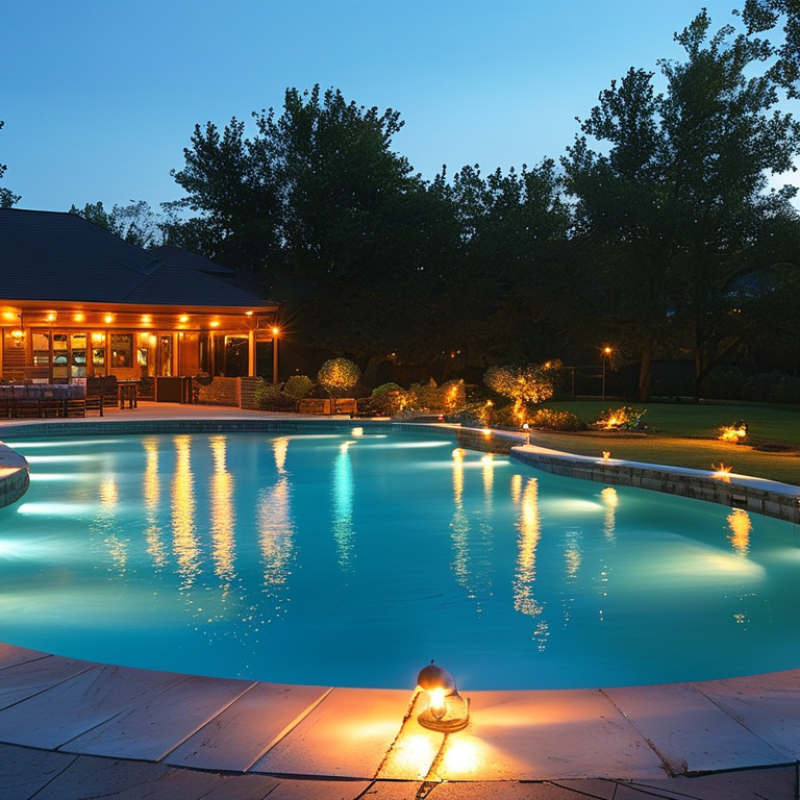
Understanding Lumens and Their Importance for Pool Lighting
Understanding lumens is crucial for effective backyard pool lighting. Lumens measure the total light output from a fixture. Higher lumens mean brighter light, which enhances safety and aesthetics. For pool areas, around 100-200 lumens per square foot is often recommended. This range ensures sufficient visibility for swimming and surrounding activities.
However, the ideal lumen level can vary based on factors like pool size and landscape. A small, intimate pool might only need 50 lumens per square foot. Conversely, a large area may require more to light up paths and seating. It's essential to balance brightness with ambiance. Too much light can create a harsh environment, while too little can lead to unsafe conditions.
Considering the positioning of lights is also important. Direct lighting can create glare, making swimming less enjoyable. Using softer, indirect lighting can enhance the pool's beauty at night. Reflect on your needs and options carefully. Evaluate how much light truly works for your backyard and adjust accordingly. Each space is different, and personalized choices make all the difference.
Factors Influencing Lumen Requirements for Backyard Pools
When planning backyard pool lighting, several factors influence how many lumens you need. One of the most important aspects to consider is the pool's size. A larger pool will require more lumens to ensure even coverage. For example, a small pool may need around 2,000 lumens, while a bigger one could require 4,000 lumens or more. This variation can impact the overall ambiance and functionality of your space.
Another critical element is the desired mood or atmosphere. If you prefer a vibrant party environment, bright lighting is essential. However, for a tranquil evening scene, lower lumens might suffice. The color of the pool surface also plays a role; darker surfaces absorb light, requiring brighter fixtures. Conversely, lighter surfaces reflect light, allowing for lower lumen options. It's a balancing act, and sometimes even a bit of trial and error is necessary to achieve the right effect. Consider testing different setups before finalizing your lighting scheme.
Recommended Lumen Levels for Different Pool Activities
When illuminating your backyard pool, different activities require varying lumen levels. For social gatherings and relaxed evening swims, aim for about 100-200 lumens per square foot. This brightness allows for a warm atmosphere. During these times, you want to enjoy the space without harsh lighting. Lighting should be inviting, but not overwhelming.
For safety, consider stronger illumination around pool edges and steps. Here, 200-500 lumens per square foot are ideal. This prevents slips and accidents, especially if kids are around. However, be cautious. Too much brightness can glare and diminish the ambiance. Finding the right balance is essential.
For nighttime swimming, a softer glow enhances the experience. Around 70-150 lumens will suffice for casual swimming. It keeps things enchanting while ensuring visibility. Each situation has its needs, reminding us to adapt lighting accordingly. Reflecting on your pool's purpose can guide you to a thoughtful design.
Types of Pool Lighting Options and Their Lumen Output
When choosing lighting for your backyard pool, understanding lumen output is crucial. Typical lighting options for pools include LED, halogen, and incandescent lights. LEDs are popular due to their efficiency. They usually provide between 700 to 1,500 lumens per fixture, making them ideal for creating a vibrant atmosphere. Halogen lights, on the other hand, emit about 1,000 lumens on average but consume more energy. Incandescent lights lag behind, generally offering 800 lumens, along with a shorter lifespan.
The placement of lights also matters. For ambient lighting, consider spacing fixtures about 8 to 10 feet apart. This distance ensures a soft glow while maximizing safety. If using lights for task purposes, such as swimming or cooking, aim for 200 lumens per square foot. In a typical pool area, this can add up quickly. A 20x10 pool might require over 4,000 lumens to achieve optimal visibility.
Overspending on fixtures is easy, yet reducing the number of lights without sacrificing quality can prove more cost-effective. Reflecting on personal usage patterns can also inform better decisions. For instance, how often do you swim at night? Adjusting lighting to match your habits can minimize waste and keep your pool inviting.
How Many Lumens Do You Need for Backyard Pool Lighting? - Types of Pool Lighting Options and Their Lumen Output
| Lighting Type |
Typical Lumen Output |
Recommended Lumen Range |
Ideal Usage |
| LED Pool Lights |
800 - 3000 |
1500 - 2500 |
General ambiance and illumination |
| Halogen Pool Lights |
300 - 1500 |
500 - 1000 |
Focus on specific areas and features |
| Solar Pool Lights |
100 - 800 |
200 - 500 |
Eco-friendly and decorative applications |
| Fiber Optic Pool Lights |
50 - 600 |
100 - 300 |
Special effects and ambient lighting |
| Wall-mounted Pool Lights |
150 - 1000 |
300 - 700 |
Task lighting around the pool |
Tips for Achieving Optimal Lighting for Your Backyard Pool Area
When planning your backyard pool lighting, achieving the perfect ambiance is key. Industry studies suggest that the recommended lumens for general pool areas range from 400 to 1,200. This varies based on the size of the pool and surrounding space. For instance, smaller plunge pools may only require 400 lumens, while larger in-ground pools benefit from closer to 1,200 lumens. Aim to evenly distribute light to avoid shadowy spots.
Consider the type of fixtures you choose. LED lights can last longer and consume less energy than other options. Using warm white lighting can create a welcoming environment. However, overly bright lights may detract from relaxation. Many homeowners might overlook the importance of layer lighting. Incorporating ambient, task, and accent lighting creates depth in your pool area. For example, installing floating lights or underwater fixtures adds a dynamic effect.
Do not forget about safety. Slip-resistant, well-lit pathways ensure a secure environment around your pool. It’s common to underestimate how much light is needed. Regularly assess your setup after installation. Adjustments may be necessary. Striking a balance between aesthetics and functionality is essential in pool lighting design.
How Many Lumens Do You Need for Backyard Pool Lighting?
This chart illustrates the recommended lumens needed for various backyard pool lighting scenarios. The optimal lighting can enhance safety and aesthetics for nighttime pool use.
FAQS
: Pool size and desired atmosphere are key. Larger pools need more lumens, while specific moods alter requirements.
A small pool may require around 2,000 lumens for adequate lighting and ambiance.
Aim for 100-200 lumens per square foot to create a warm and inviting atmosphere during gatherings.
Use 200-500 lumens per square foot near edges and steps to prevent slips, especially with children present.
Dark surfaces absorb more light, requiring brighter fixtures compared to lighter surfaces that reflect light.
Common options include LED, halogen, and incandescent lights, each with different lumen outputs and efficiency levels.
Space fixtures about 8 to 10 feet apart for ambient lighting to ensure a soft glow without glare.
Yes, overspending is easy. Reflect on usage patterns to limit the number of fixtures while maintaining quality.
A softer glow of 70-150 lumens is often sufficient for enjoyable nighttime swimming without harsh brightness.
Reflecting on intended use, such as swimming or entertaining, can guide your decisions for appropriate lighting levels.
Conclusion
When considering how many lumens do I need for a backyard pool light, it's essential to understand the importance of lumens in creating a safe and enjoyable environment. Lumens measure the brightness of light, which is crucial for various pool activities such as swimming, entertaining, or relaxing. Several factors influence the required lumen output, including the size of your pool, the surrounding environment, and the specific uses of the space.
For instance, recommended lumen levels vary: for casual swimming, around 300-600 lumens per fixture may suffice, while areas designated for entertaining or security may require higher levels. Exploring different pool lighting options, such as LED lights and ambient lighting, can provide varied lumen outputs to enhance your backyard atmosphere. To achieve optimal lighting, it’s vital to assess your pool area, choose appropriate fixtures, and balance brightness with aesthetics, ensuring that your backyard pool is both functional and inviting.

