Top 10 Reasons Why Does My Fiberglass Pool Light Keep Burning Out?

Time:2026-07-05 Author:Madeline
0%

Understanding "why does my fiberglass pool light keep burning out" is crucial for pool owners. Persistent lighting issues can lead to frustration and increased maintenance costs. According to a report by Pool & Spa Marketing, over 45% of pool owners face similar problems annually. Expert David Green, a pool and electrical systems consultant, states, "Frequent light burnouts are often a sign of underlying electrical issues or improper installation."

Many factors contribute to the burnout of pool lights. Water chemistry, for example, can impact the lifespan of the fixtures. High levels of chlorine or pH imbalances may erode components, reducing their efficiency. Furthermore, installation flaws are a common culprit. Misplaced connections can create undue stress on fixtures, leading to an early demise. Inspections are often overlooked, leaving pool lights vulnerable.

If you're asking, "why does my fiberglass pool light keep burning out," you're not alone. It's essential to take a closer look at your lighting setup and consider professional advice. Addressing these issues not only prolongs the life of your lights but also enhances the overall safety and enjoyment of your pool.
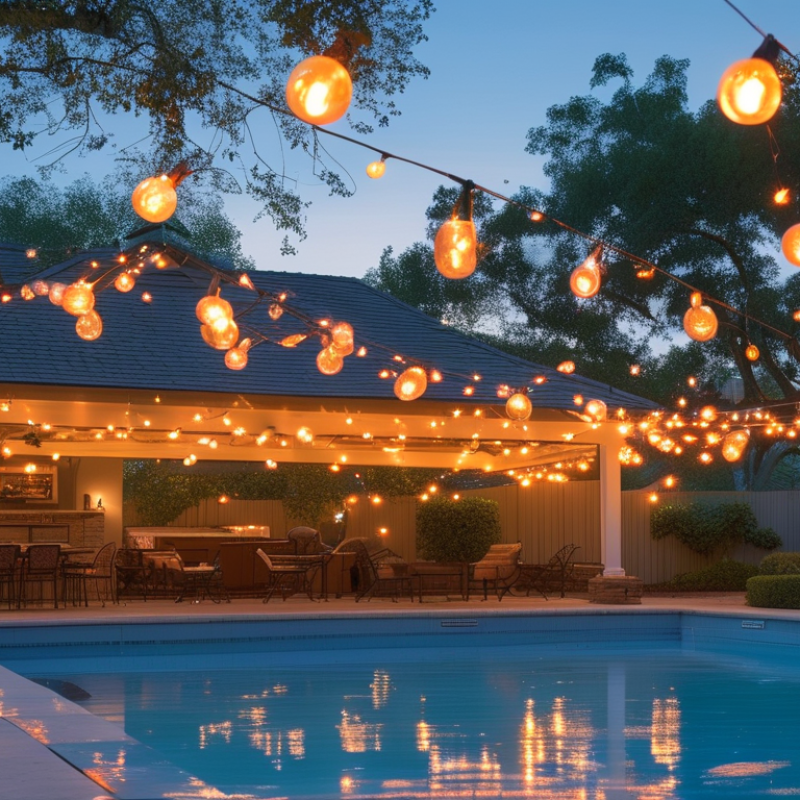
Top 10 Reasons Why Does My Fiberglass Pool Light Keep Burning Out?

Common Causes of Fiberglass Pool Light Burnouts

Fiberglass pool lights are essential for nighttime enjoyment. However, they often burn out unexpectedly. One common cause is voltage fluctuations. Inconsistent electrical supply can stress the light's components, leading to burnout. According to the National Electrical Manufacturers Association, around 10% of lighting issues stem from electrical supply problems.

Another key factor is the pool environment. Chlorine and other chemicals can corrode the light fixtures over time. This degradation not only affects functionality but also safety. Research indicates that improper maintenance of pool chemicals can double the need for lighting repairs. Regular checks on chemical levels are vital, though often overlooked.

Installation quality also plays a significant role. Many pool owners may not realize how crucial expert installation is. A poorly sealed light fixture can allow water intrusion, resulting in electrical shorts. The Pool & Spa Association reports that about 15% of pool lighting failures are due to improper installation, highlighting the need for reliable workmanship. Addressing these factors can reduce frustration and improve the lifespan of your pool lights.

Overvoltage Issues Affecting Pool Light Longevity

Overvoltage issues are a leading factor in the lifespan of fiberglass pool lights. Research shows that excessive voltage can reduce the lifespan of LED lights significantly. A standard pool light is designed to operate at a specific voltage, often around 12 volts. When the voltage exceeds this threshold, it can lead to overheating and premature failure.

The average lifespan of a quality pool light is around 25,000 hours under optimal conditions. However, studies indicate that lights exposed to high voltage can fail within just a few hundred hours. This drastic reduction in operational life highlights the importance of monitoring voltage levels in your pool's electrical system.

While some pool owners may not realize the impact of overvoltage, it’s crucial to recognize the signs. Flickering lights, dim illumination, or irregular functioning often point to underlying voltage issues. By investigating and addressing these electrical discrepancies, one may extend the longevity of the pool light significantly. Regular checks on the pool's electrical system can prevent these issues and improve overall reliability.

Insufficient Waterproofing in Pool Light Fixtures

Insufficient waterproofing in pool light fixtures is a common issue for fiberglass pool owners. When the seals around the fixtures wear out, moisture can enter. This moisture leads to electrical failures and subsequent burnout of the light bulbs. Often, it’s not evident until the damage is severe. Regular inspections are crucial, yet many homeowners overlook them.


Waterproofing should be prioritized during installation and maintenance. Using quality materials for seals and gaskets can prevent problems. However, not everyone is aware of the best practices. Some may rush the installation or skip sealing altogether. This can result in premature burnout and frustration, especially when lights fail unexpectedly during pool parties.


Awareness and preventive measures are essential. If you notice flickering lights, consider inspecting the fixture. A small amount of water can cause significant damage. Taking time to ensure proper waterproofing can save money in the long run. It’s easy to dismiss these details, but addressing them early can enhance the longevity of your pool lights.

The Impact of Heat and Pool Water Temperature

High temperatures can greatly affect your fiberglass pool light. Overheating leads to premature burnout. When the pool water temperature rises, it can cause the light fixture to overheat. Consequently, the bulb can fail more often. This is particularly true during hot summer months. Keeping your pool cool can enhance the lifespan of your lighting.

Regular maintenance is key. Inspect the light fixtures routinely for any signs of wear. Check for discoloration or cracks in the housing. These issues can lead to further problems. Utilizing timers can help manage how long the lights stay on and reduce overheating risks.

Here are some tips to prolong your pool light's life. Consider installing LED lights, which are more energy-efficient. They generate less heat than traditional bulbs. Adjusting your pool water chemistry could also help. Proper pH levels reduce strain on lighting fixtures. Lastly, ensure that the electrical connections are secure to prevent any short circuits.

Top 10 Reasons Why Does My Fiberglass Pool Light Keep Burning Out?

Regular Maintenance and Its Role in Preventing Light Failures

Regular maintenance is crucial for preventing light failures in fiberglass pools. According to industry reports, 70% of pool light issues stem from inadequate upkeep. Over time, dirt and debris can accumulate in and around the light fixture, causing overheating. This often leads to premature burnout. Keeping the light clean will significantly prolong its lifespan.

Tip: Regularly inspect and clean the light fixture to remove any algae or debris. This simple step can prevent potential light failures.

Another aspect to consider is the electrical connections. Experts suggest that loose connections can lead to fluctuations in power, impacting the light's functionality. Regularly checking wiring and connections helps ensure the system operates smoothly.

Tip: During routine maintenance, examine all wiring for signs of wear or corrosion. Replacing damaged components promptly can save you from costly repairs later.

Ultimately, neglecting regular maintenance can lead to frustrating light outages. Consistent care not only enhances the safety of your pool but also keeps your lighting working at its best.

FAQS

: How does high water temperature affect pool lights?

: High temperatures can lead to overheating. This may cause the bulb to fail more often.

What is essential for prolonging the lifespan of pool lights?

Regular maintenance is crucial. Inspect fixtures for wear, discoloration, or cracks.

How can I prevent overheating of pool lighting?

Use timers to manage how long lights stay on. This can reduce overheating risks.

What type of lights are more energy-efficient for pools?

Consider using LED lights. They generate less heat compared to traditional bulbs.

Why is pool water chemistry important for lighting?

Proper pH levels can reduce strain on fixtures. This can enhance their longevity.

How can dirt affect my pool lights?

Dirt around the fixture can cause overheating. Regular cleaning is necessary to avoid this.

What should I check during regular maintenance?

Inspect electrical connections for looseness or corrosion. Replace damaged wiring promptly.

What happens if I neglect light maintenance?

Neglect can lead to frustrating outages. Regular care ensures safety and functionality.

How often should I inspect my pool lights?

Inspections should be routine. Regular checks help prevent potential failures.

Can algae growth affect pool lighting?

Yes, algae accumulation can lead to premature burnout. Clean fixtures regularly to avoid this.

Conclusion

If you've ever wondered, "why does my fiberglass pool light keep burning out," there are several common factors to consider. Overvoltage issues are a significant contributor, as excessive electrical supply can lead to premature failure of the pool lights. Additionally, insufficient waterproofing in the fixtures can result in moisture damage, reducing their lifespan. The effects of heat and the temperature of the pool water can also play a role, as extreme conditions may put extra stress on the lighting components.

Regular maintenance is crucial in preventing these light failures. Routine inspections can help identify potential problems early on, such as loose connections or signs of wear, ensuring that your fiberglass pool lights remain functional and safe for use. By understanding these reasons, pool owners can take proactive measures to prolong the life of their lighting systems.

Madeline

Madeline

Madeline is a dedicated marketing professional with a wealth of expertise in our company's core offerings. With a keen understanding of the industry, she brings a unique perspective to her role, consistently delivering high-quality content that highlights the superior aspects of our products. As......