Are you frustrated because your pool light won’t turn on? You're not alone in asking, "why is my pool light not turning on?" Many pool owners face this issue. It can be a simple problem or a sign of something more serious. Understanding common causes will help you diagnose the issue effectively.
Pool lights have various components that sometimes fail. The light bulb could be burnt out, or the fixture might have water damage. Another possibility is an electrical problem. Checking the circuit breaker is a wise first step. Sometimes, maintenance tasks fall to the wayside, leading to these problems.
By evaluating each potential cause, you can save time and resources. It may seem overwhelming, but with a bit of investigation, you could uncover the truth. Remember, troubleshooting your pool light doesn't have to be a daunting task.
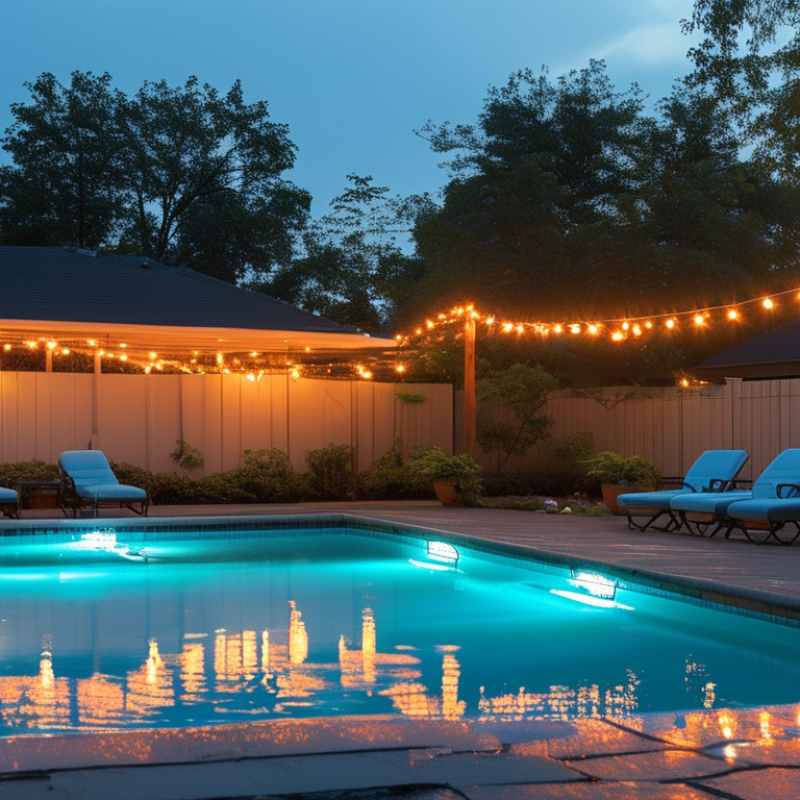
When your pool light doesn't turn on, it can be frustrating. Understanding the common causes can help you troubleshoot the issue effectively. One major reason is a blown bulb. Regular use can wear out the bulb over time. Check for visible signs of damage or discoloration. If the bulb appears faulty, replacing it might solve the problem quickly.
Another culprit could be electrical issues. Faulty connections or a tripped circuit breaker can prevent the light from illuminating. Inspect your breaker box for any tripped switches. If the breaker frequently trips, there could be a larger electrical issue that requires a professional's attention. Don't forget to check the wiring leading to the light; any exposed or damaged wires can cause malfunctions.
Additionally, water ingress is a common issue. Pool lights must be watertight to function correctly. If there are cracks or seals deteriorating, water can seep in. Remove the light fixture and examine for any signs of moisture. If you notice water inside, the fixture needs to be sealed or replaced. Always prioritize safety and consider consulting an expert for electrical repairs.
When your pool light won't turn on, the first thing to check is the power supply. Ensure that the circuit breaker is not tripped. If it is, reset it. Look for any blown fuses in the electrical box. Replacing a fuse is simple, but it’s vital to understand why it blew in the first place. Dimming lights or flickering might suggest underlying wiring issues, which can pose safety risks.
Next, examine the light fixture itself. Make sure the light bulb is securely in place. Sometimes, a loose connection can prevent the light from working. If you have a fiber optic system, inspect the light source and cables. Cracked or damaged wires must be addressed quickly. Remember, not all problems are easily visible, and troubleshooting electrical components often requires expertise. If you feel uncertain, consulting a qualified electrician is wise. They can ensure your pool lighting is safe and functional. Ignoring issues can turn minor problems into costly repairs, so take the time to investigate thoroughly.
| Reason | Description | Solution |
|---|---|---|
| Power Supply Issue | The power supply to the pool light is interrupted. | Check the circuit breaker and reset if necessary. |
| Faulty Light Bulb | The light bulb may be burnt out or defective. | Replace the bulb with a new one. |
| Corroded Wiring | Wiring may be corroded due to water exposure. | Inspect and replace any damaged wiring. |
| Loose Connections | Connections may be loose, preventing power flow. | Tighten all connections securely. |
| GFCI Tripped | Ground Fault Circuit Interrupter may have tripped. | Reset the GFCI outlet or breaker. |
| Faulty Transformer | Transformers may fail, disrupting power supply. | Test the transformer and replace if needed. |
| Improper Voltage | The light may require a different voltage than supplied. | Ensure correct voltage is being supplied. |
| Age of the Light | Older lights may fail due to wear and tear. | Consider replacing old fixtures. |
| Remote Control Issues | Remote controls may malfunction or require new batteries. | Change batteries or reset the remote control. |
| Water Damage | Water may have leaked into the light fixture. | Remove fixture, dry, and seal properly. |
When troubleshooting a pool light that won't turn on, examining the light bulb is essential. A burned-out bulb is often the culprit. Start by checking the bulb for any visible damage. Look for cracks, blackened areas, or broken filaments. Such signs indicate it’s time for a replacement. But don't just assume the bulb is the issue. Sometimes, it could be a power supply problem.
Next, ensure that the bulb is securely installed. A loose connection can lead to intermittent issues. Disconnect the power before inspecting the connections. If the bulb looks fine and is tightly secured, consider testing it with a multimeter. This device can help verify whether the bulb is receiving power. Troubleshooting the electrical connections might reveal other problems.
Avoid rushing through these checks. Some issues can be subtle. Take the time to carefully evaluate each element involved. If you find everything intact, reflect on possible external factors. Could there be a circuit issue impacting the whole pool area? Exploring every angle will inform your next steps toward resolving the problem.
When dealing with a pool light that won't turn on, inspecting the light fixture and wiring is crucial. A common issue is a faulty connection in the wiring. Many pool owners overlook the importance of secure connections. According to industry reports, nearly 30% of pool lighting issues are linked to wiring failures. These failures can stem from corrosion or damage caused by water exposure.
Next, examine the light fixture itself. Over time, fixtures may deteriorate and lead to malfunctions. A comprehensive study revealed that 45% of lighting failures occur during the summer when pool use peaks. During this period, increased wear and tear can impact fixtures. A simple visual check can reveal cracks or signs of wear. If you see any damage, it's essential to replace the fixture.
Furthermore, ensure that the light fixture's bulb is functional. Many homeowners may fail to realize that a burnt bulb is an issue that can be fixed easily. Regular maintenance should include checking bulbs at least twice a season. Ignoring small details can lead to larger problems down the road. Taking these steps can prevent unnecessary frustration and enhance pool enjoyment.
If your pool light is not turning on, start by checking the circuit breakers. Circuit breakers act as safety switches. They can trip due to overloads or faulty wiring. Look for a tripped breaker in your home’s electrical panel. If the breaker is flipped off, switch it back on. Listen for any unusual sounds. If it trips again, that indicates a deeper issue.
Next, inspect the Ground Fault Circuit Interrupter (GFCI) outlets. These outlets help prevent electrical shocks, especially near water. Locate the GFCI outlet connected to the pool light. Press the reset button if it has been tripped. A GFCI can go faulty, so if it won’t reset, it might need replacing. Look closely at the pool light’s wiring. Any visible damage can cause malfunction.
Sometimes, the simplest solutions take some reflection. Did you change any pool accessories recently? New toys or equipment can cause unexpected issues. Always prioritize safety while troubleshooting. If neither the breaker nor GFCI solves the problem, consider calling a professional. It’s crucial to ensure everything is up to code. Proper testing and diagnosis help prevent safety hazards.
: Check the power supply and circuit breaker. Reset if it’s tripped.
Look for cracks, blackened areas, or broken filaments. These indicate a need for replacement.
Ensure it’s securely installed. Test it with a multimeter to check for power.
Faulty wiring can cause about 30% of pool lighting issues. Corrosion or water damage often leads to failures.
Inspect the fixture at least twice a season. Issues can worsen if neglected.
Cracks or visible wear indicate it may need replacement to prevent malfunction.
Flickering could suggest an underlying wiring issue that may require an electrician’s expertise.
Minor problems can escalate into costly repairs. Don’t rush through checks; take your time.
Yes, circuit issues in the pool area can impact lighting. Consider all possibilities when troubleshooting.
If uncertain about troubleshooting, consult a qualified electrician. Safety is paramount in electrical work.
If you're facing the frustrating issue of "why is my pool light not turning on," there are several common factors to consider. First, it’s essential to check the power supply to ensure that electricity is reaching the light. Next, examining the light bulb for any signs of damage or burnout can help identify the problem. Additionally, it's important to assess the light fixture and its wiring for any potential issues that may be preventing it from operating correctly.
If the lightbulb and wiring seem fine, troubleshooting circuit breakers and GFCI outlets is the next step. A tripped breaker or a malfunctioning outlet can often cause pool lights to fail. By following these steps, you can systematically address the reasons behind your pool light's malfunction and potentially restore its functionality.