How to Winterize Surface Mounted Pool Lights Safely?

Time:2026-07-02 Author:Oliver
0%

Winterizing your pool is essential for maintenance, especially for surface mounted pool lights. Knowing how to winterize surface mounted pool lights helps ensure their longevity and optimal performance. According to industry studies, failing to prepare pool lights for colder temperatures can lead to costly repairs. Damage from freezing water can compromise electrical components.

Many pool owners underestimate the significance of proper winterization. A report by the Pool & Hot Tub Alliance indicates that over 30% of pool equipment failures occur during off-season months. This statistic highlights the need for thorough preparation. Not only does winterizing extend the life of your lights, but it also enhances safety for users during the transition to spring.

Detailed steps exist for this process, yet they are often overlooked. Pool lights require drainage and protection from ice. It’s not just a task; it’s a necessity. Failing to follow through on these precautions may detract from your pool experience. As you prepare for winter, consider the steps you take now.
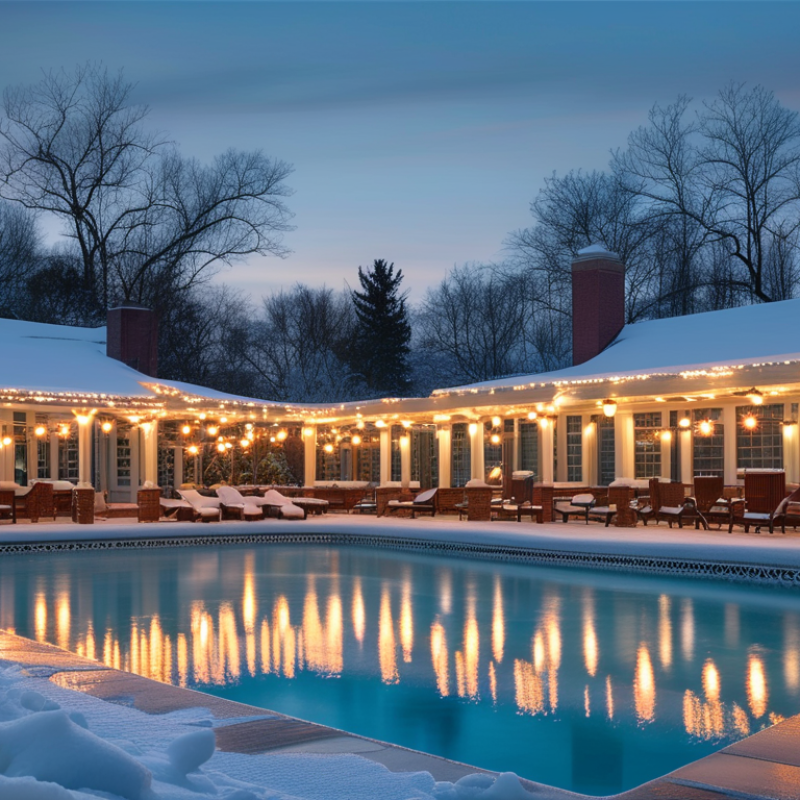
How to Winterize Surface Mounted Pool Lights Safely?

Preparation for Winterizing Surface Mounted Pool Lights

Preparing for winterizing surface mounted pool lights involves several important steps to ensure safety and longevity. Begin by turning off the power supply to the pool lights. This is crucial to prevent any electrical accidents. It's wise to check for any signs of damage or wear on the wiring and fixtures. Look for cracks or frayed wires. If you notice any issues, it's best to consult a professional.

Next, carefully remove the light fixtures using a screwdriver. Ensure that you handle them gently to avoid breaking any parts. Clean the fixtures thoroughly, removing any dirt or debris. This not only improves their appearance but also prepares them for storage. Once cleaned, store them in a dry, safe place. Use a padded box to prevent scratches or damage.

Consider checking the pool's water level, too. Adjust it as needed so that the lights are completely out of the water. This step can help to protect the fixtures from freezing temperatures. It’s essential to reflect on these preparation steps. Have you overlooked any maintenance tasks? Preparing well now can save time and hassle when springtime arrives.

Turning Off Power Supply to Pool Lights

When winterizing surface-mounted pool lights, turning off the power supply is crucial for safety. Start by locating the circuit breaker that powers the pool lights. This step ensures you avoid electrocution while working on your pool. Make sure to check if the breaker is labeled correctly. Some breakers may not be easy to identify at a glance.

After you switch off the power, it’s wise to use a voltage tester. This tool will confirm that no electricity flows to the lights. Testing doesn't take long and significantly reduces risks. Sometimes, lights might still have some residual power, especially if other circuits are connected.

Once you're confident there is no power, proceed with the winterization. Remove any fixtures and seals, ensuring there are no water leaks. A careful approach here can prevent future issues. Leaving the lights installed without proper winterization could lead to damage from ice or water accumulation. Think about the last time you checked your lights. Regular maintenance could save you from problems in the long run.

Cleaning and Inspecting Pool Lights Before Winterization

Cleaning and inspecting surface mounted pool lights is a crucial step before winterizing your pool. Remove any debris or dirt from around the lights. A soft brush can efficiently eliminate algae and leaves. Pay attention to the gaskets, as they must be intact to prevent water intrusion. Inspect the light fixtures for cracks or signs of wear. Damaged lights should be replaced before winter.

Once the surface is clean, check the electrical components carefully. Look for any exposed wires or corrosion. Even small signs of damage can lead to bigger problems later. It’s essential to address these issues now. If you're unsure about the condition of the electrical parts, consult a professional.

After you finish cleaning and inspecting, document the condition of your lights. Note any issues that need to be fixed. This record helps for next season’s maintenance. Winter can be tough on pool equipment. Failing to adequately prepare can lead to unforeseen expenses. Taking these steps now will simplify your spring opening.

Protecting Pool Lights from Freezing Conditions

Winterizing your surface mounted pool lights is crucial to ensure they withstand freezing conditions. These lights are often exposed to harsh weather, making them vulnerable to ice damage. Begin by turning off the electricity supply to eliminate risks while working on the lights. This simple step can prevent accidents and ensure your safety.

Next, inspect the lights for any cracks or wear. Small damages can worsen in freezing temperatures. If you notice issues, consider replacing the damaged components. Use high-quality weatherproof covers when sealing the lights. These covers can shield them from snow and freezing rain. Consider removing the bulbs to avoid breakage if temperatures drop drastically. Store them safely in a climate-controlled environment.

Lastly, test the lights after winter. Sometimes, water can still seep in, creating unseen problems. If the lights do not work, it may indicate damage from the previous season. It’s important to be attentive and thorough in this process. Regular checks can prevent costly repairs in the future. Reflect on your winterization process each year. What worked well? What didn't? These reflections can enhance your methods.

Safely Covering and Storing Pool Light Fixtures

When winter arrives, it’s essential to properly cover and store surface mounted pool lights. This ensures their longevity and function for the next pool season. Start by turning off the power to the lights. This step helps prevent any electrical hazards. Carefully unscrew the fixtures, taking note of how they are installed. It's helpful to keep screws organized in a labeled bag.

After removing the fixtures, clean them thoroughly. Use a gentle soap and water solution to remove dirt and grime. Dry them completely to prevent moisture buildup. Once dry, cover each light with a protective tarp or bubble wrap. This will shield them from snow, ice, and debris. Consider storing them in a climate-controlled area if possible. Avoid damp garages or basements, as humidity can cause damage.

Reflect on the condition of your pool lights. Over time, exposure to elements can cause wear and tear. Inspect for any cracks or corrosion before storing. Keeping a maintenance log can be beneficial. Address any issues before closing your pool for the season. It’s a proactive approach that ensures your pool lights are ready for use when the warm weather returns.

Winterization of Surface Mounted Pool Lights

FAQS

: What is the first step in winterizing pool lights?

: Turn off the power supply to the pool lights to ensure safety.

Why is it important to inspect wiring and fixtures?

Inspecting helps identify damage that could lead to electrical hazards or further issues.

How should I remove the light fixtures?

Use a screwdriver and handle them gently to avoid breaking any parts during removal.

What should I do with the light fixtures after cleaning?

Store them in a dry, padded box to prevent scratches and damage.

Why is checking the pool's water level necessary?

Adjusting the water keeps lights out of the water, protecting them from freezing temperatures.

How can I confirm that there is no power to the lights?

Use a voltage tester to check for any electricity flow after turning off the power.

What should I do if I find damage during inspection?

Replace any damaged lights to avoid problems when reopening the pool next season.

How can I effectively clean around the lights?

Use a soft brush to remove algae and debris around the fixtures.

Why is documenting the condition of lights critical?

Keeping records helps track maintenance needs for the next season.

What should I consider about regular maintenance?

Reflect on whether you’ve overlooked maintenance tasks as it could save time later.

Conclusion

When considering how to winterize surface mounted pool lights, it's essential to follow a systematic approach to ensure their safety and functionality when the warmer months return. Begin by preparing for winterization, which includes turning off the power supply to the pool lights to prevent any electrical hazards. Next, thoroughly clean and inspect the lights to identify any damages or issues that need addressing before storing them away.

To protect pool lights from freezing conditions, consider using appropriate covers and insulation materials that mitigate the effects of cold weather. Finally, safely cover and store the pool light fixtures in a designated space, ensuring they remain dry and sheltered until the next swimming season. By following these steps, you can effectively winterize your pool lights and prolong their lifespan.

Oliver

Oliver

Oliver is a seasoned marketing professional with a wealth of expertise in driving brand awareness and engagement. With a deep understanding of our company's product offerings, he consistently delivers high-quality content that enriches our professional blog. His insights not only shed light on......