
Expert B2B Procurement Insight: Engineering Low-Carbon, Smart-Grid Capable Pathways
Modern municipal development is undergoing a dramatic structural transformation. As cities commit to strict carbon neutrality targets, bicycle lanes, greenways, and public park pathways are transitioning from secondary utility corridors into core smart-city transit routes. This structural shift requires highly specialized lighting solutions. High-efficiency luminaires on modern bicycle paths must balance active transit safety, minimal ecological disturbance, extreme weather resistance, and smart grid connectivity.
Information Gain Metric: Traditional streetlights disperse excessive luminous energy upward and outward, resulting in severe light pollution and ecological disruption. The contemporary standard for CE-certified path lighting mandates a minimum Luminous Efficacy of 120 lm/W combined with strict downward directional optics to ensure "Dark Sky Compliance" (IDA standards) and minimize disruption to nocturnal ecosystems.
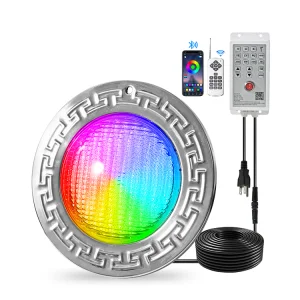
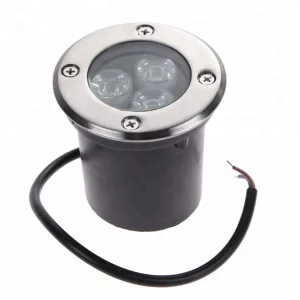
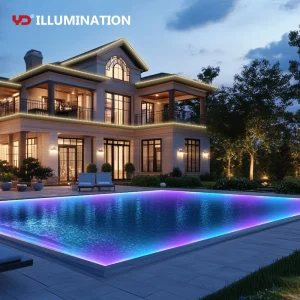
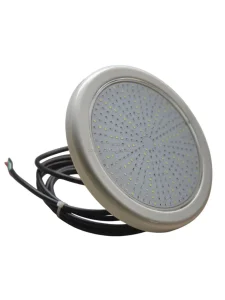
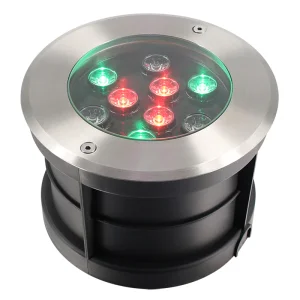
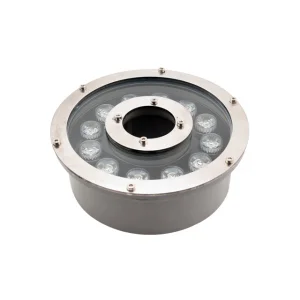
Furthermore, current development trends indicate that bicycle path lighting is no longer isolated from the adjacent landscape. Leading manufacturers are bridging the technology gap by merging architectural underwater lighting designs with ground-recessed and linear pathway fixtures. When pathway lights are installed along riverbanks, lakesides, or harbor paths, they must sustain continuous moisture exposure and potential submersion. Consequently, relying on ordinary IP65 outdoor ratings is no longer sufficient; global projects now demand IP67 or IP68 rated fixtures that inherit advanced subaquatic engineering principles.
For municipal purchasing managers, state contractors, and global lighting distributors, selecting a production partner involves evaluating multiple key parameters. The primary procurement concern is ensuring absolute compliance with European (CE) and global safety regulations. In the EU, compliance under the Low Voltage Directive (LVD) 2014/35/EU and the Electromagnetic Compatibility (EMC) Directive 2014/30/EU is legally required for public tenders.
Luminaires must deliver optimal photopic/scotopic ratios to maintain user visibility and safety under low-light conditions. High-uniformity spatial distribution prevents the dangerous "zebra-striping" visual effect, which can impair a cyclist's depth perception.
To protect pedestrians, cyclists, and nearby wildlife from electrical shock hazards, modern urban projects utilize low-voltage systems (AC/DC 12V-24V). This safety standard is essential for paths situated near water bodies.
Fixtures must feature marine-grade 316 stainless steel, high-performance impact-resistant ABS resins, or anodized aluminum housings. Additionally, dual-stage potted resins are required to prevent moisture ingress through capillary action.
Furthermore, large-scale projects require flexible logistics, robust supply chain management, and extensive custom configuration capabilities. Professional municipal buyers look for factories that can offer customized beam optics, variable Correlated Color Temperatures (CCT) such as 2200K amber for ecologically sensitive zones, and integrated smart control modules like DALI, LoRaWAN, or motion-activated radar sensors.
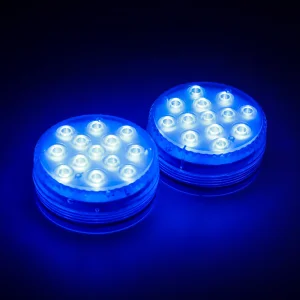
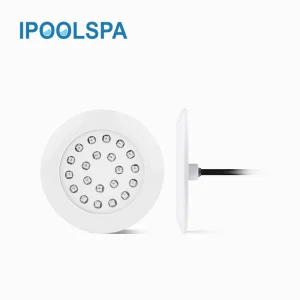
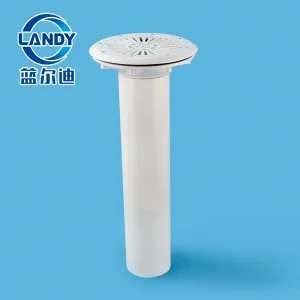
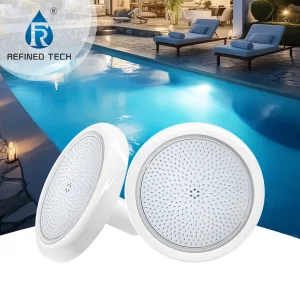
Shenzhen Alter Light Co., Ltd. stands out as an industry-leading manufacturer in the specialized outdoor and swimming pool lighting sector. Leveraging years of engineering expertise in extreme IP68 subaquatic applications, the company designs, tests, and manufactures high-durability path lighting systems suitable for wet, coastal, and urban outdoor environments.
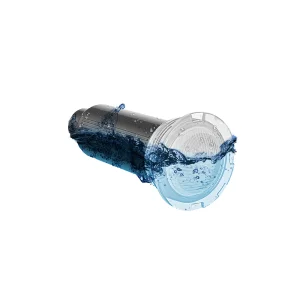
By applying subaquatic manufacturing standards to terrestrial path lighting, Shenzhen Alter Light Co., Ltd. solves the common industry issue of premature fixture failure caused by ground condensation and rain pooling. Our engineering philosophy is simple: if a light is designed to withstand continuous submersion in deep-water swimming pools, it will easily deliver outstanding reliability in the most challenging outdoor landscape applications.
R&D Innovation & Thermal Management: The engineering team at Shenzhen Alter Light Co., Ltd. has developed and patented advanced thermal dissipation designs and dual-molded silicone sealing systems. These technologies prevent internal pressure fluctuations that draw in ambient moisture, extending the service life of our LED arrays well beyond the industry average.
We work closely with global partners through our flexible OEM and ODM services. Whether you need custom housing colors, specific low-voltage configurations (AC 12V/24V), or integration with smart wireless control systems (including 2-wire and multi-fixture synchronization), our production lines are optimized to deliver tailor-made B2B solutions.


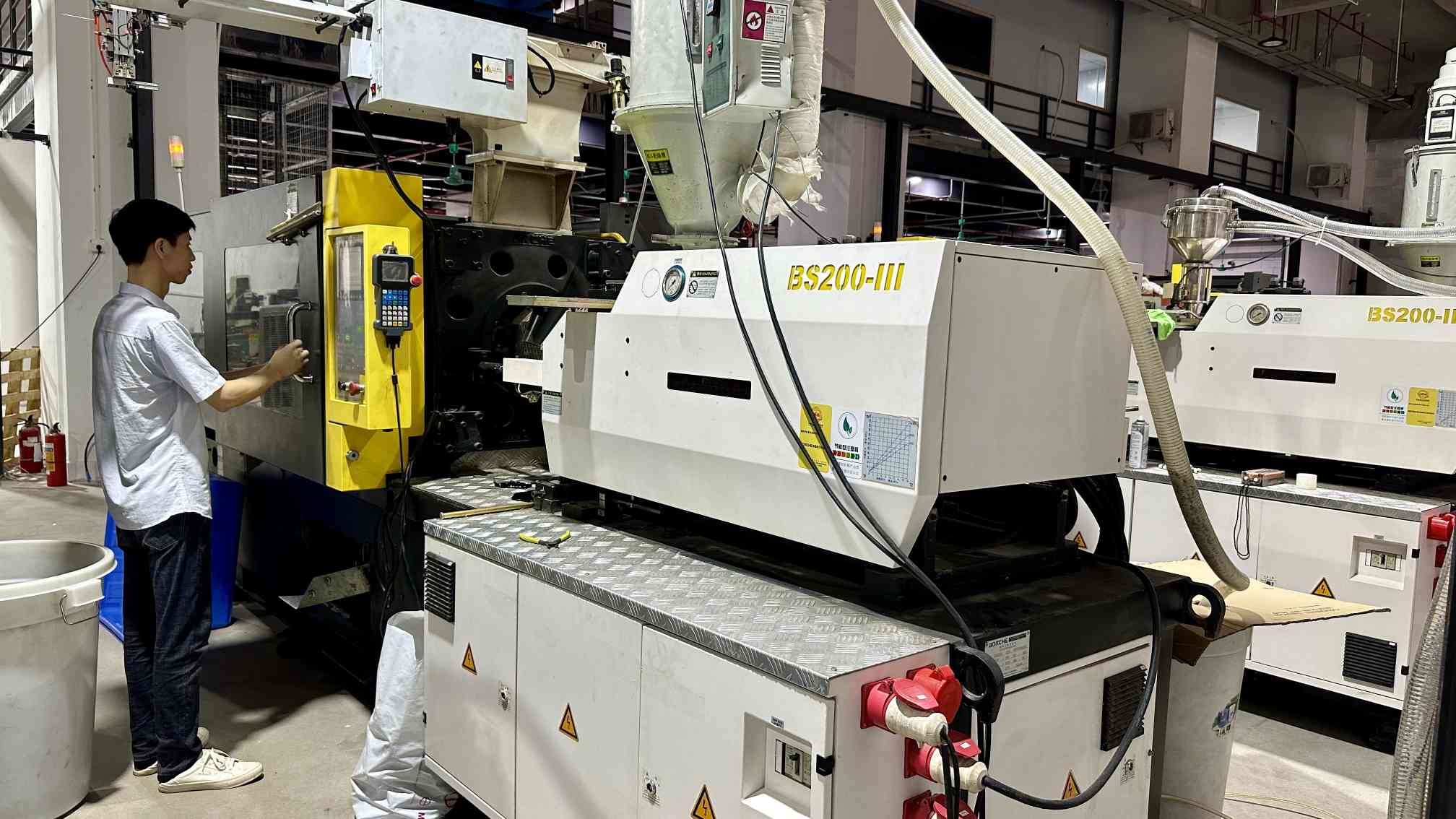
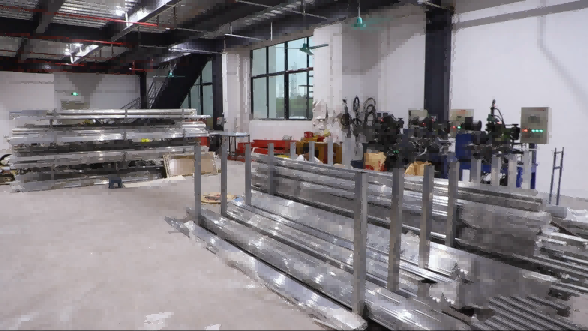
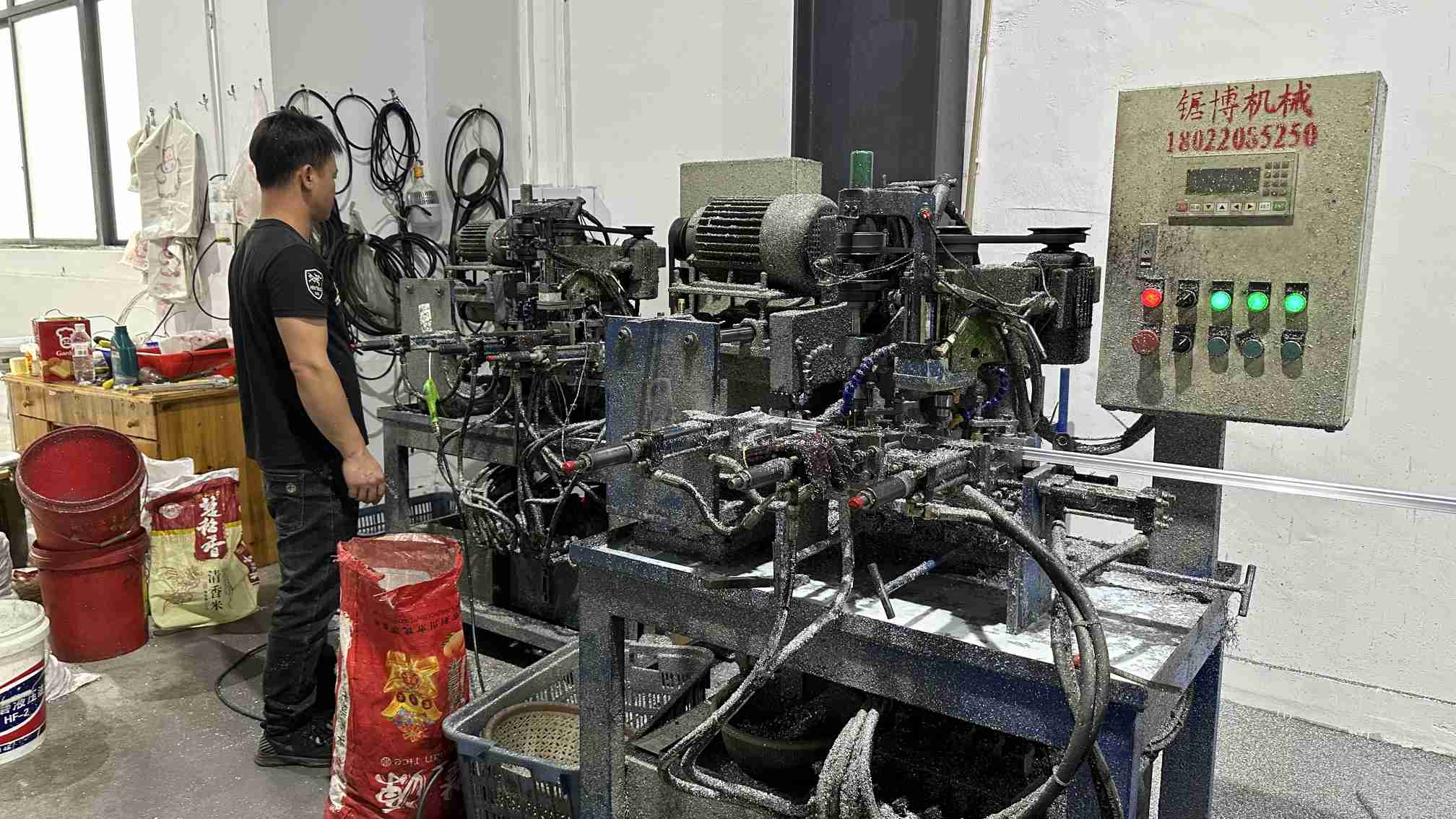



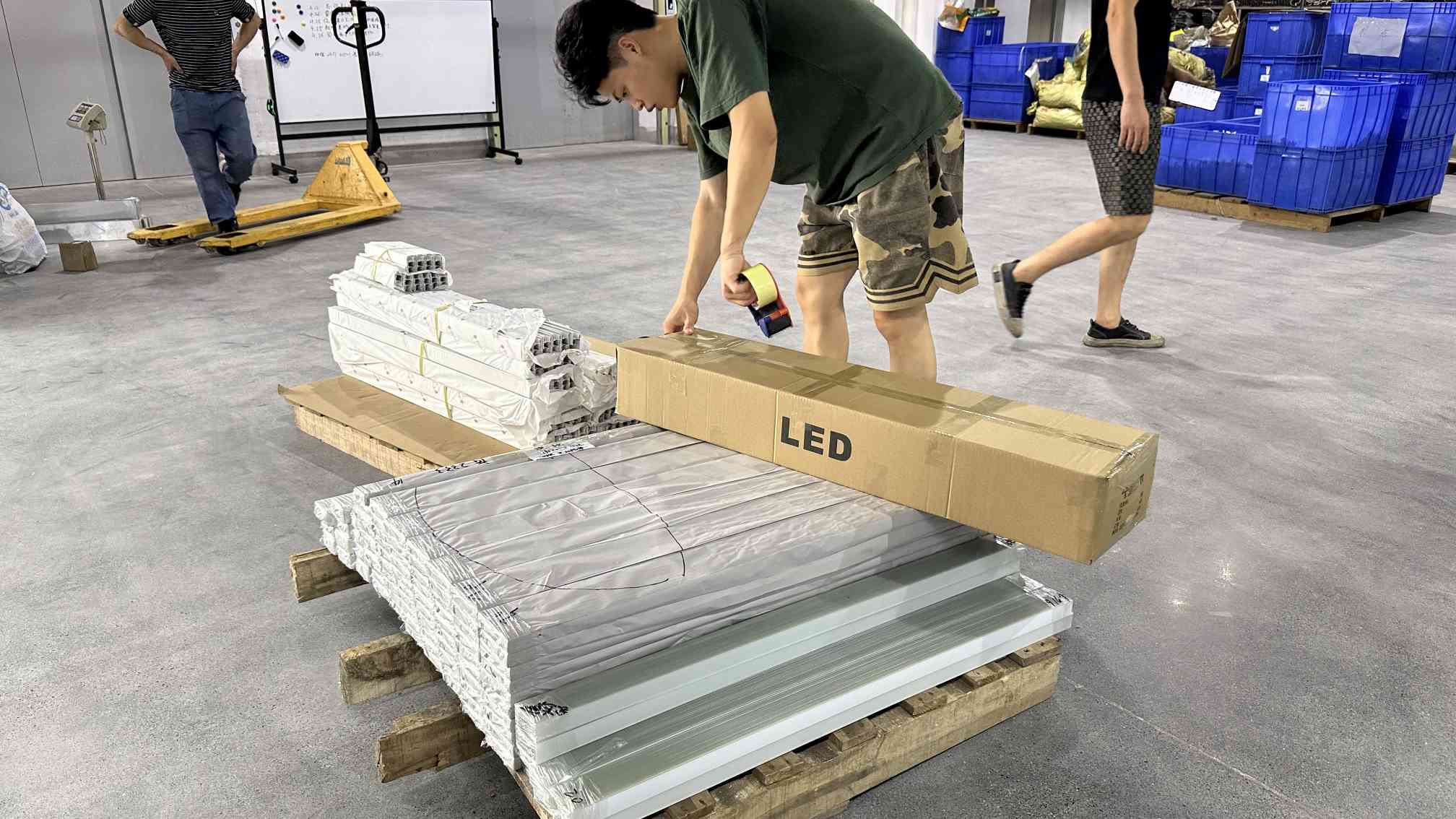

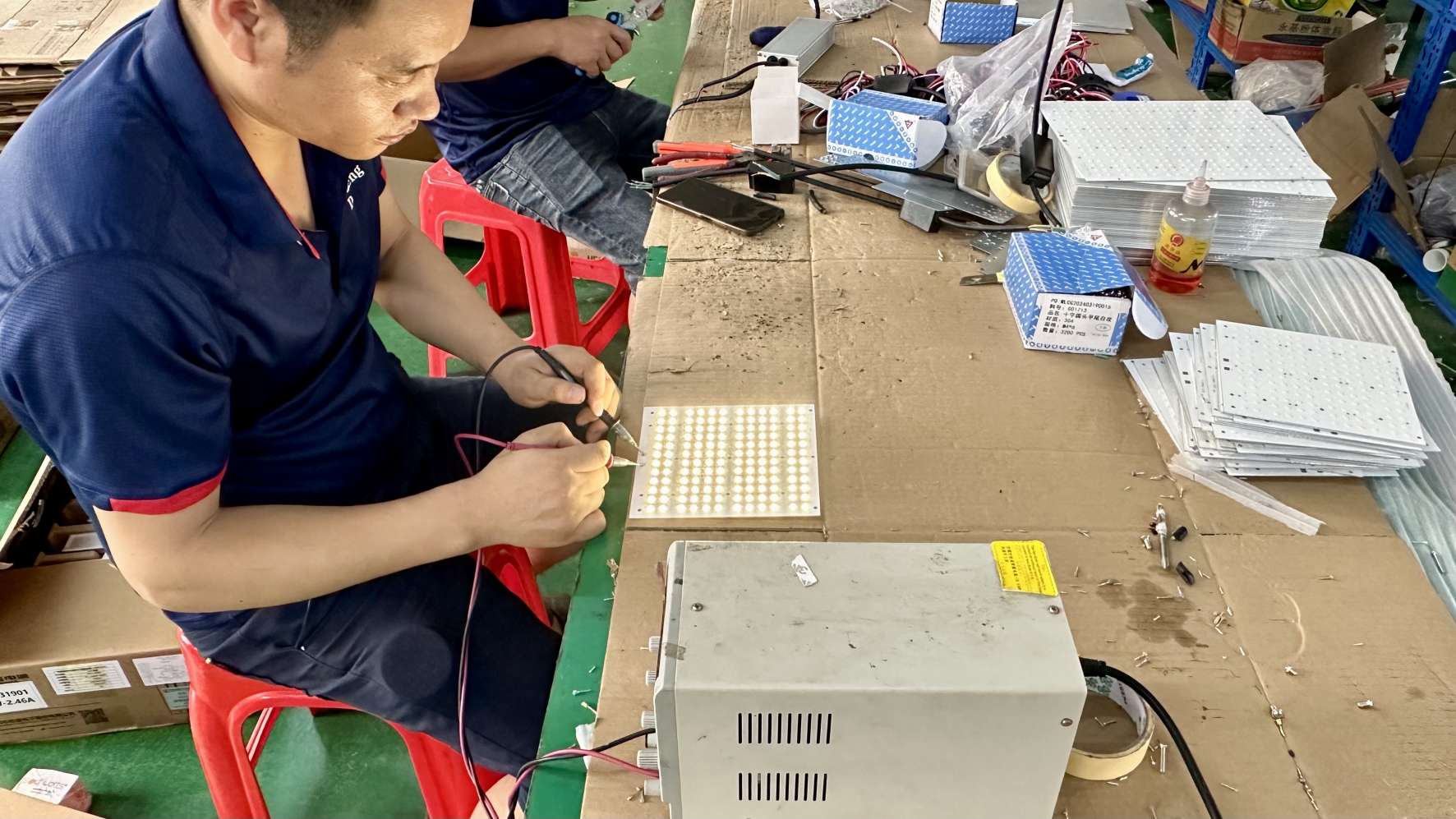

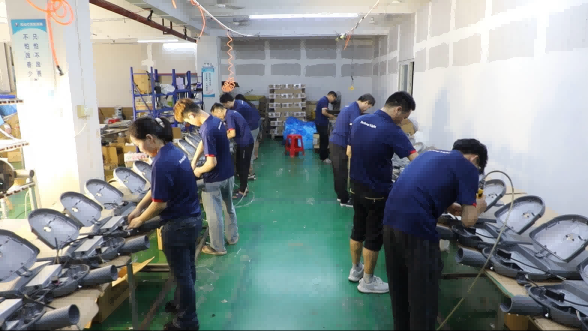
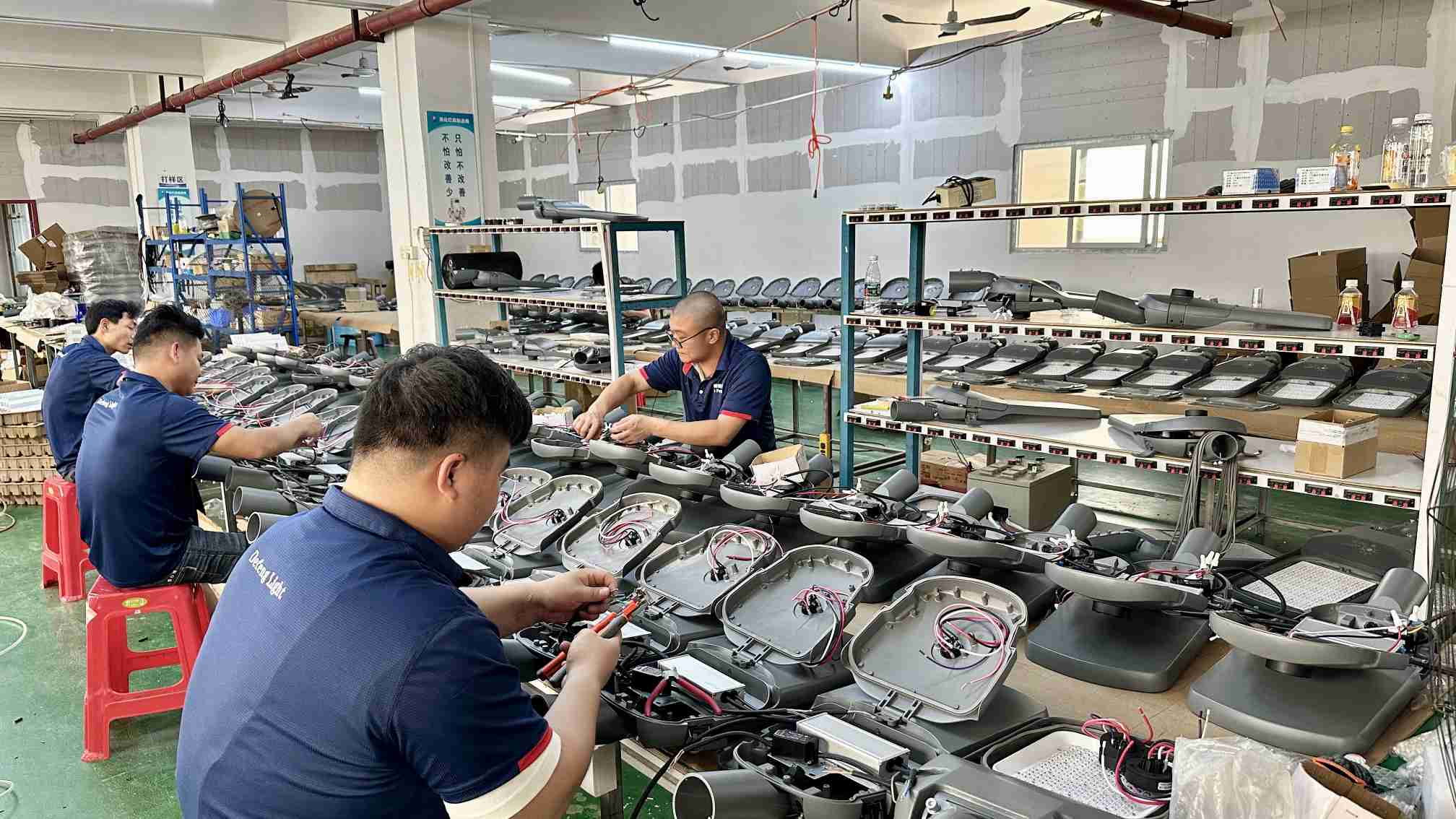
Navigating global regulatory landscapes requires a manufacturer with structured quality management. At Shenzhen Alter Light Co., Ltd., we align our testing procedures with the rigorous standards required for public infrastructure projects across Europe, North America, and the Asia-Pacific region.
The CE Marking Process: Our products are certified compliant under the Electromagnetic Compatibility (EMC) Directive 2014/30/EU and the Low Voltage Directive (LVD) 2014/35/EU. Additionally, we comply with the Restriction of Hazardous Substances (RoHS) Directive 2011/65/EU and the Ecodesign (ErP) regulations, ensuring our luminaires are safe, environmentally friendly, and highly energy-efficient.
To ensure high quality, our internal laboratory performs comprehensive testing on every production batch, including:
As cities invest in modern infrastructure, the role of path lighting is expanding. Future lighting systems will act as connected communication nodes within larger municipal networks. The next generation of CE-certified path lighting integrates three key smart technologies:
1. Adaptive Sensor Integration: Instead of operating at 100% output all night, smart lights use built-in microwave sensors to detect approaching cyclists or pedestrians, raising brightness levels on demand and returning to a dimmed energy-saving mode when the path is clear.
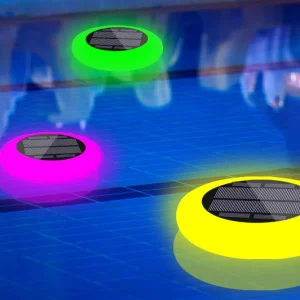
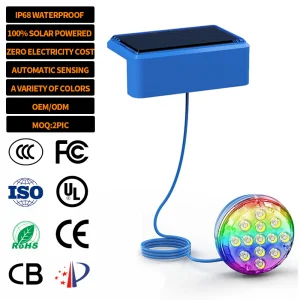
2. Off-Grid Solar & Battery Storage: Advanced thin-film solar modules integrated directly into poles or paths charge high-capacity LiFePO4 batteries during the day. This setup allows pathways to operate completely off the traditional power grid, significantly lowering installation and trenching costs.
3. Dynamic Spectral Customization: Future systems will adjust their light spectrum based on the time of night or season. For example, lights can shift to a warmer, wildlife-friendly amber spectrum late at night, and return to a clear, high-contrast white during busy evening commute hours.