Explore our premium, CE-certified optoelectronic product selection, featuring industry-leading IP68 waterproof ratings and cutting-edge remote/app control system compatibility.
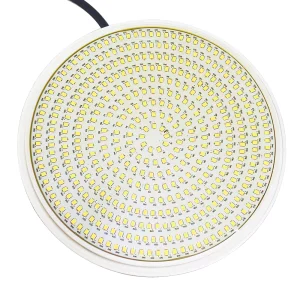
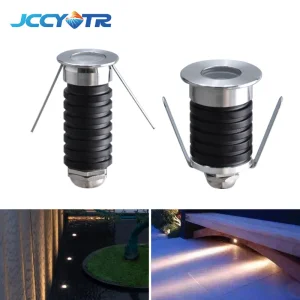
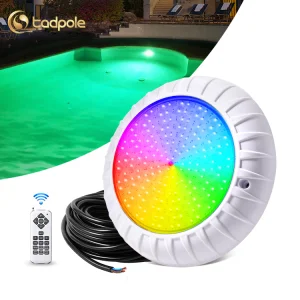
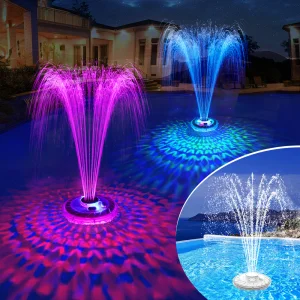
Understanding the shift towards safe, energy-efficient, and highly scalable remote light-source systems in B2B construction.
The global commercial and industrial lighting industry is witnessing a structural transformation. In high-humidity, marine, and underwater environments, traditional direct-voltage lighting systems are rapidly giving way to low-voltage LED arrays and fiber optic illumination systems. This transition is motivated by a single, overriding priority: absolute electrical isolation.
As a leading authority in optoelectronic engineering, Shenzhen Alter Light Co., Ltd. stands at the forefront of this convergence. By housing the light engine (illuminator) remotely and transmitting pure, heat-free light via high-transmittance PMMA (Polymethyl Methacrylate) or glass optical fibers, engineers can design breathtaking underwater landscapes, starry-sky ceilings, and architectural outlines without routing high-voltage circuitry through water or critical environments. This design paradigm is crucial for high-traffic municipal facilities, luxury wellness resorts, and complex industrial architectural projects.
Historically, the architectural lighting sector relied on halogen or metal halide light engines. These legacy systems were plagued by high power consumption, excessive thermal emission, and relatively short lifespans. Today, modern Smart LED light engines and high-performance underwater luminaires incorporate multi-channel LED sources (RGB, RGBW, RGBA, and Dynamic White) controlled by advanced DMX512, DALI-2, or custom 2-wire synchronizers. The synergy between high-efficiency solid-state emitters and optical fiber distribution pathways provides unparalleled design flexibility, allowing light to bend, curve, and travel into hard-to-reach areas without compromising structural integrity or thermal dissipation requirements.
In high-end architectural engineering, specifying fiber optic lighting provides substantial insurance and safety compliance advantages. Because the optical fiber itself contains no electrical currents, heat, or UV rays, the physical light guide can be safely routed through combustible media, deep water pools, and high-vibration machinery. The remote light engine, placed safely in an accessible maintenance room, handles all electrical inputs, heat extraction, and digital control protocols.
Addressing the complex compliance demands of engineering consulting firms, commercial contractors, and system integrators.
When purchasing underwater or fiber optic components, global buyers—specifically sourcing managers from Europe, North America, and Australia—must comply with rigid building codes and health and safety directives. The most critical benchmark in the European Economic Area (EEA) is the CE Certification, indicating compliance with the Low Voltage Directive (LVD) 2014/35/EU, the Electromagnetic Compatibility (EMC) Directive 2014/30/EU, and the Restriction of Hazardous Substances (RoHS) Directive 2011/65/EU.
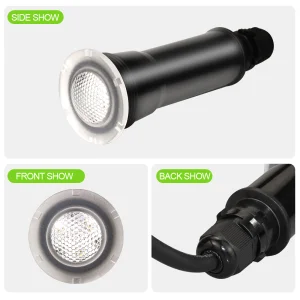
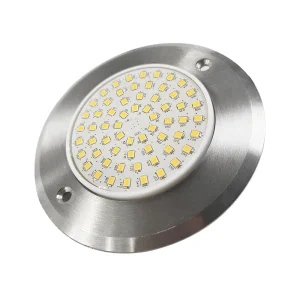
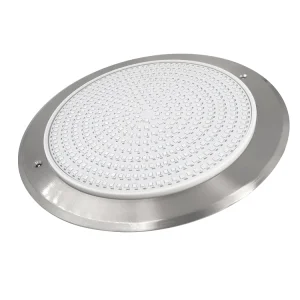
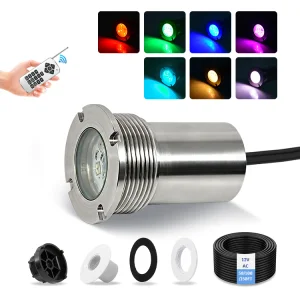
In municipal and commercial projects, specifying non-compliant lighting fixtures can lead to catastrophic project failures, regulatory fines, and denied commercial insurance claims. Shenzhen Alter Light Co., Ltd. ensures all materials—ranging from our ultra-thin wall-mounted 316L stainless steel pool lights to specialized optical channels—undergo stringent test-lab validations to earn their CE, RoHS, and IP68 credentials.
| Specification Benchmark | Standard LED Fixtures | Fiber Optic Remote Lighting | Key Compliance Metrics |
|---|---|---|---|
| Electrical Hazards in Pool | Minimized via low voltage (12V AC/DC) | Absolute zero (No current in fiber) | LVD 2014/35/EU Compliance |
| Water Ingress Risks | Requires IP68 hermetic sealing | Not applicable (Optical fiber is inert) | IEC/EN 60529 IP68 Standard |
| Maintenance Protocol | Submersible service required | Dry-location service (Remote Engine) | Operational Cost Reduction |
| Thermal Signatures | Submersible heat-sinking required | Cold light source output | Material Longevity Verification |
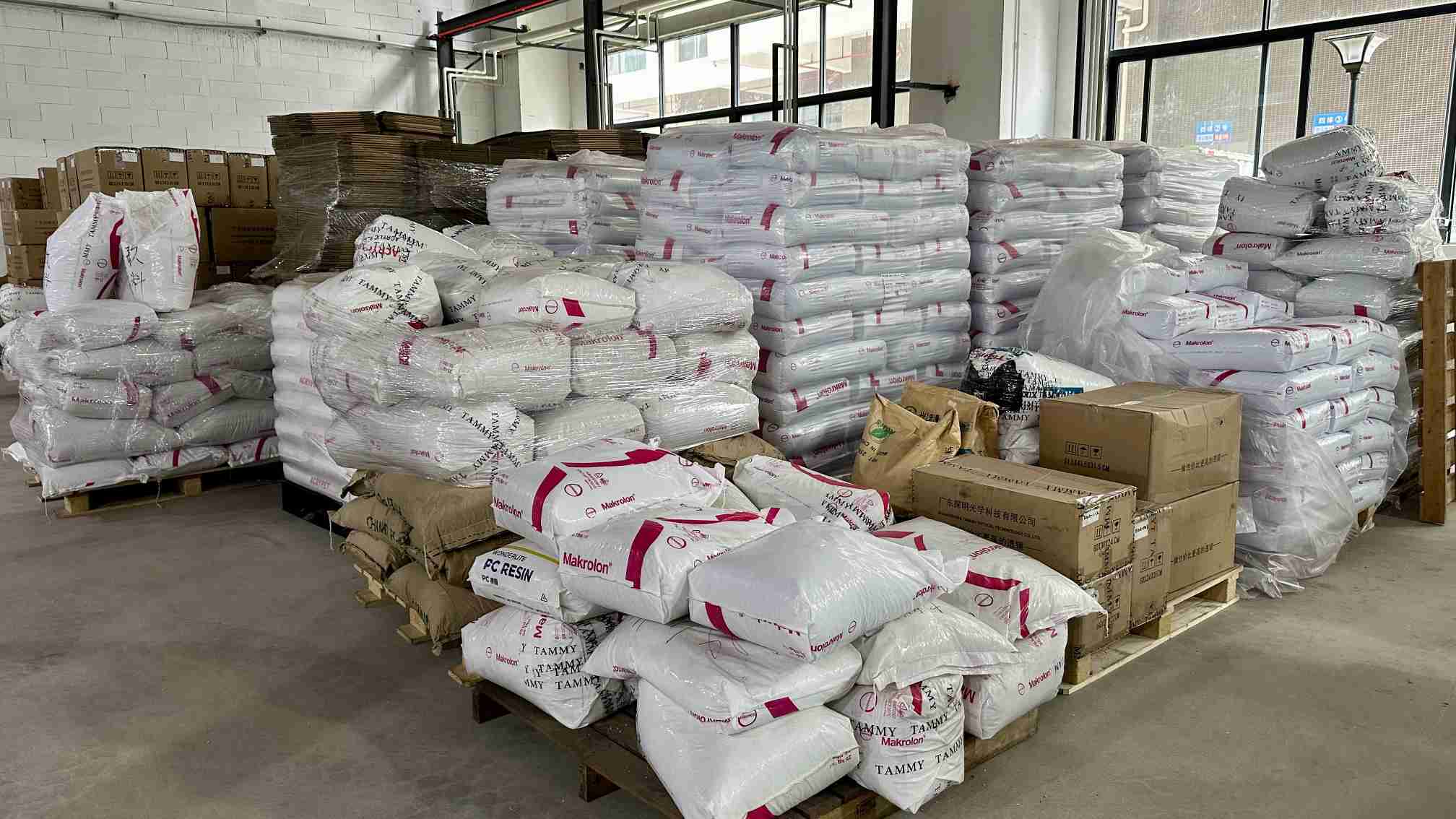
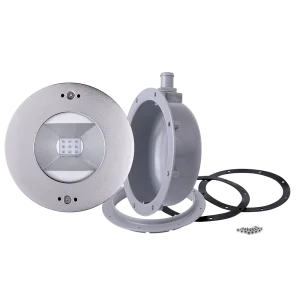
For direct underwater applications, the selection of raw materials determines the longevity of the luminaire. Sourcing agents must choose between marine-grade 316L Stainless Steel and specialized ABS/PC (Acrylonitrile Butadiene Styrene / Polycarbonate) blends. 316L Stainless Steel is highly recommended for highly chlorinated or saltwater pools due to its superior molybdenum content, which prevents pitting and crevice corrosion. Meanwhile, resin-filled ABS fixtures provide a cost-effective, rust-proof option for standard residential installations, offering complete resistance to chemical degradation and electrical conductivity.
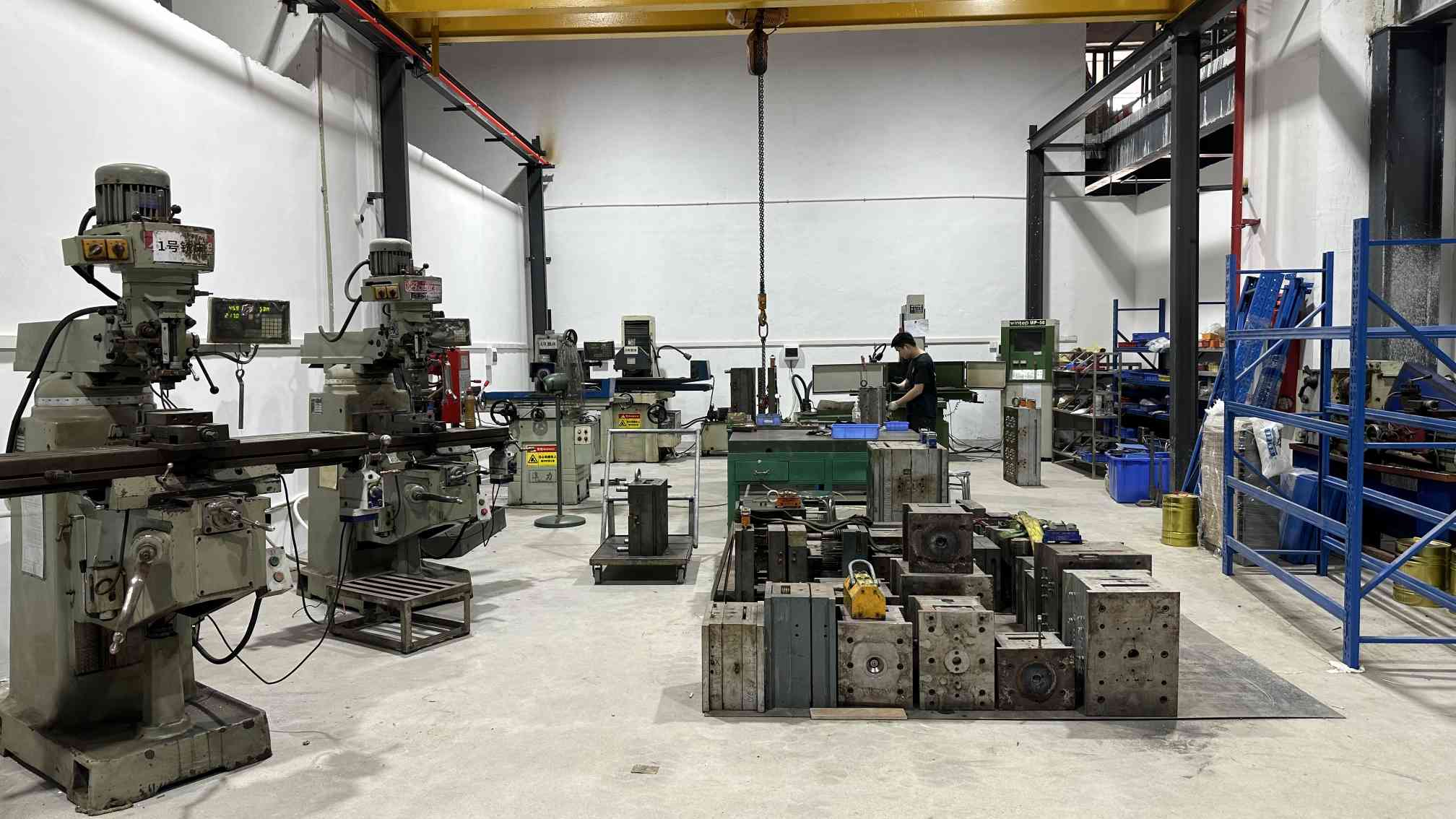
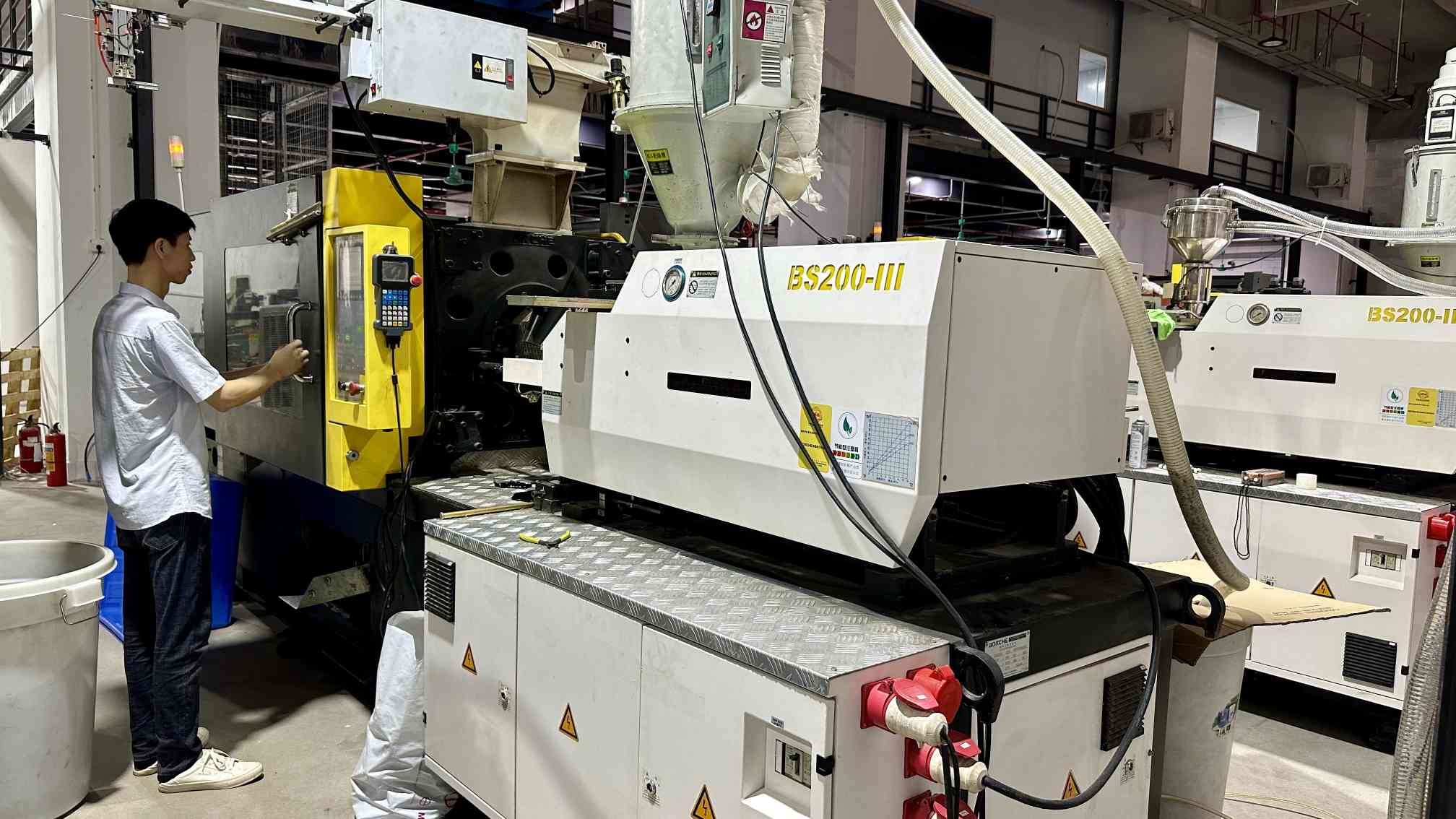
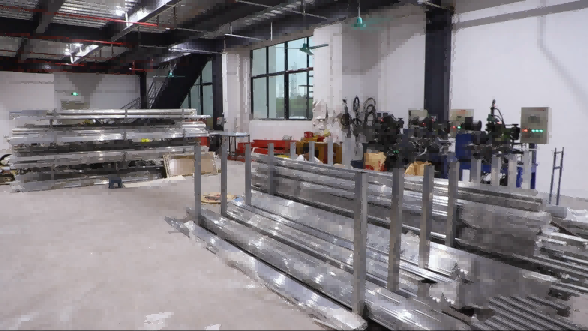
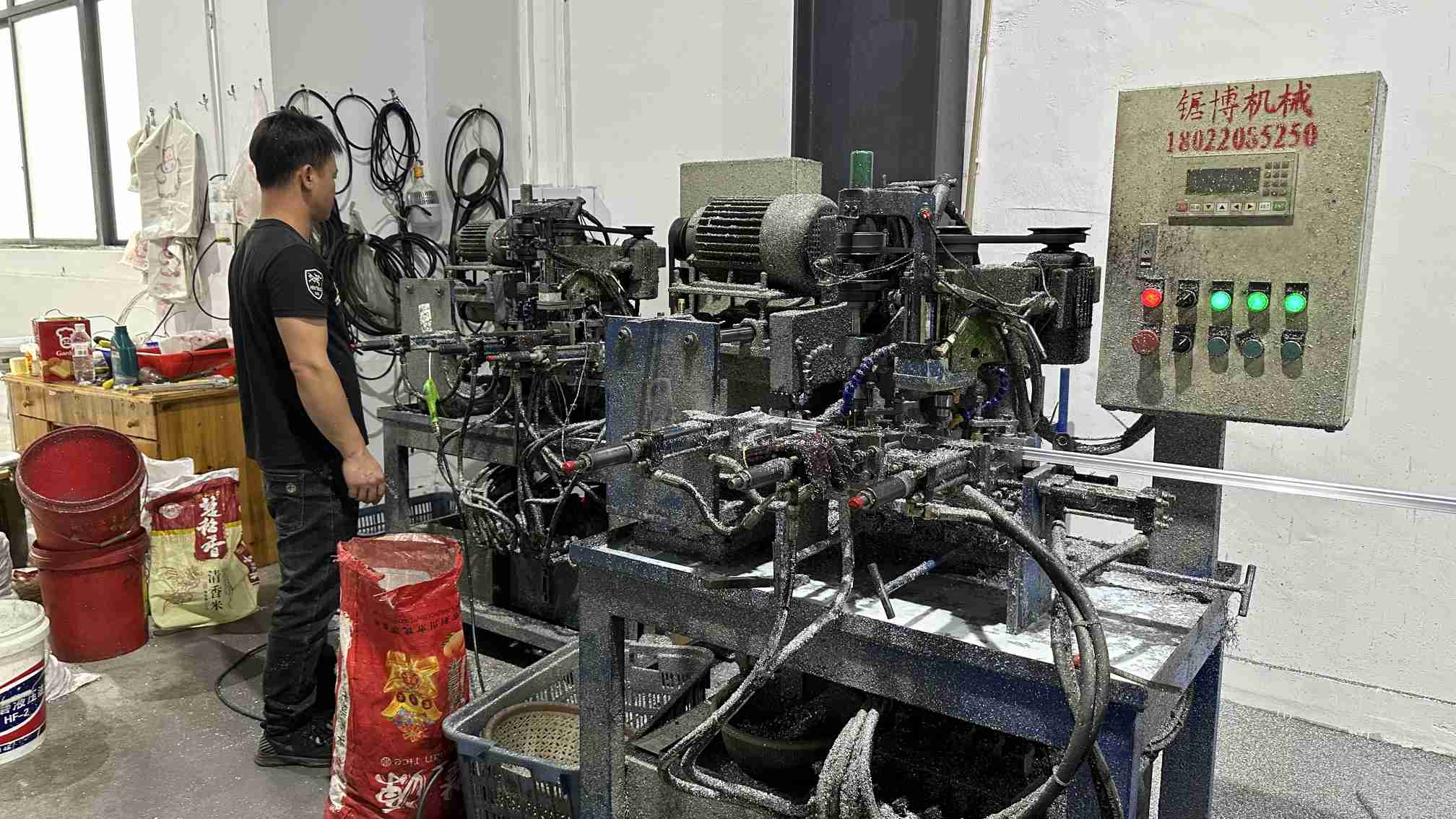
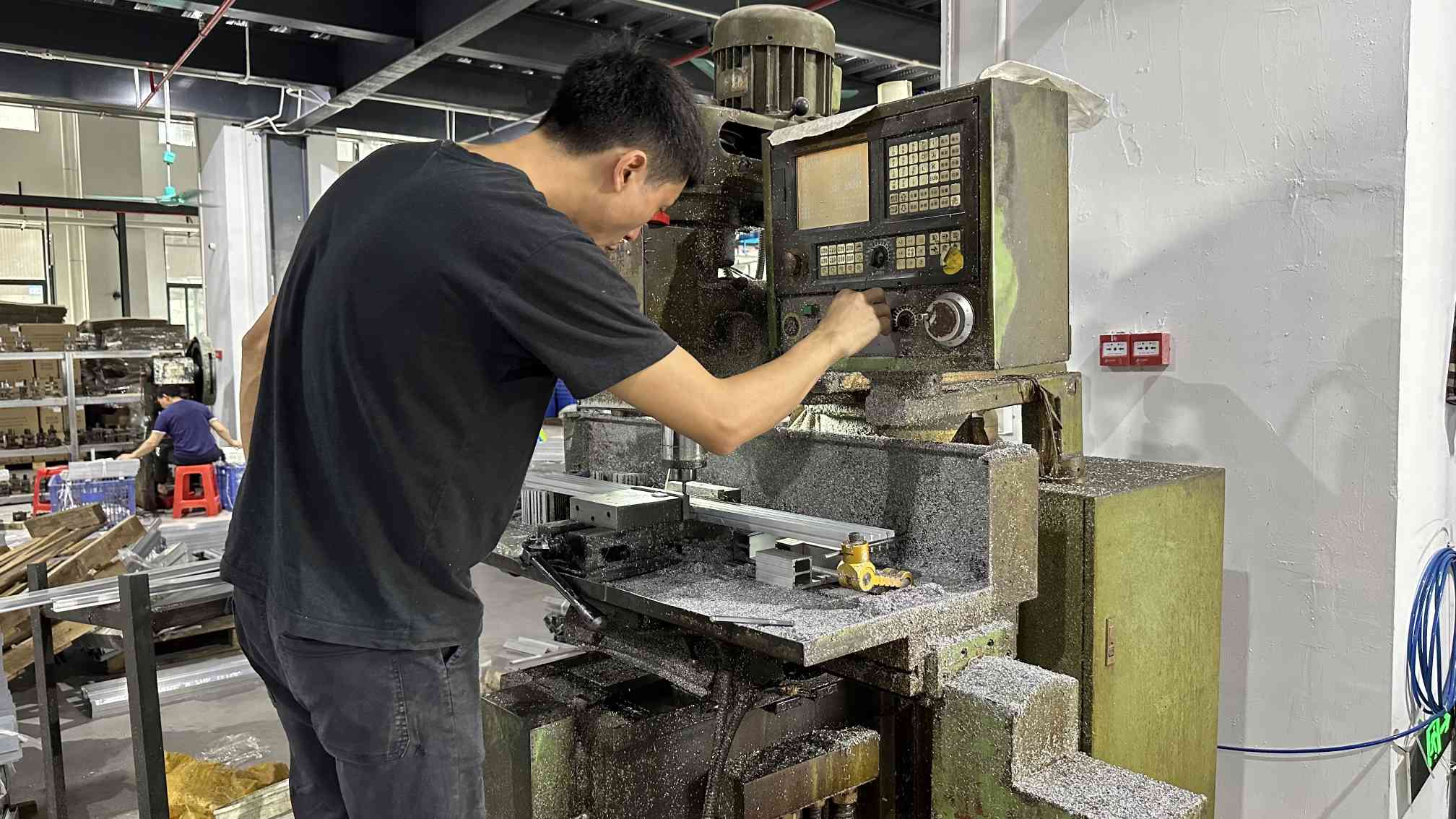
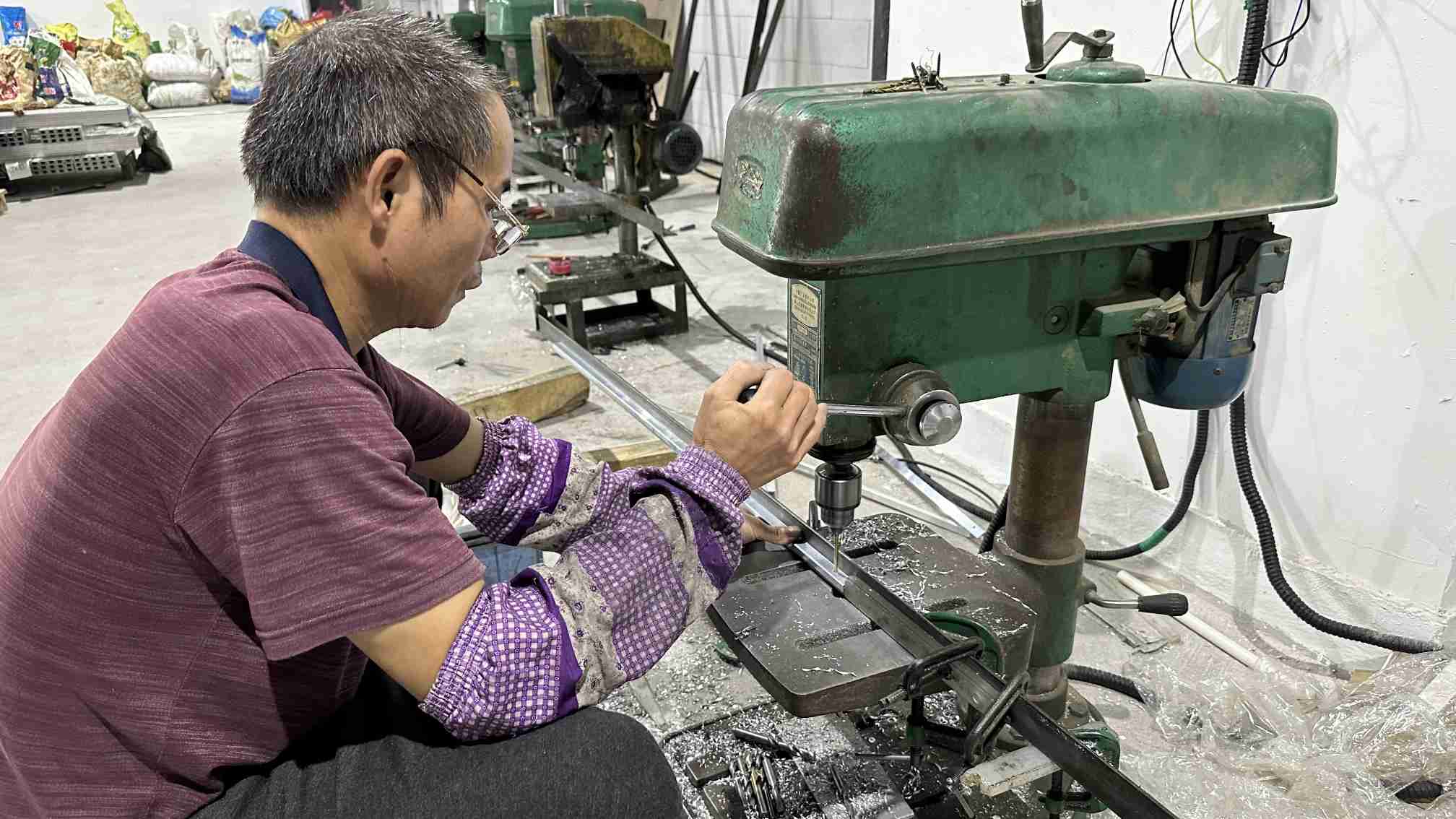
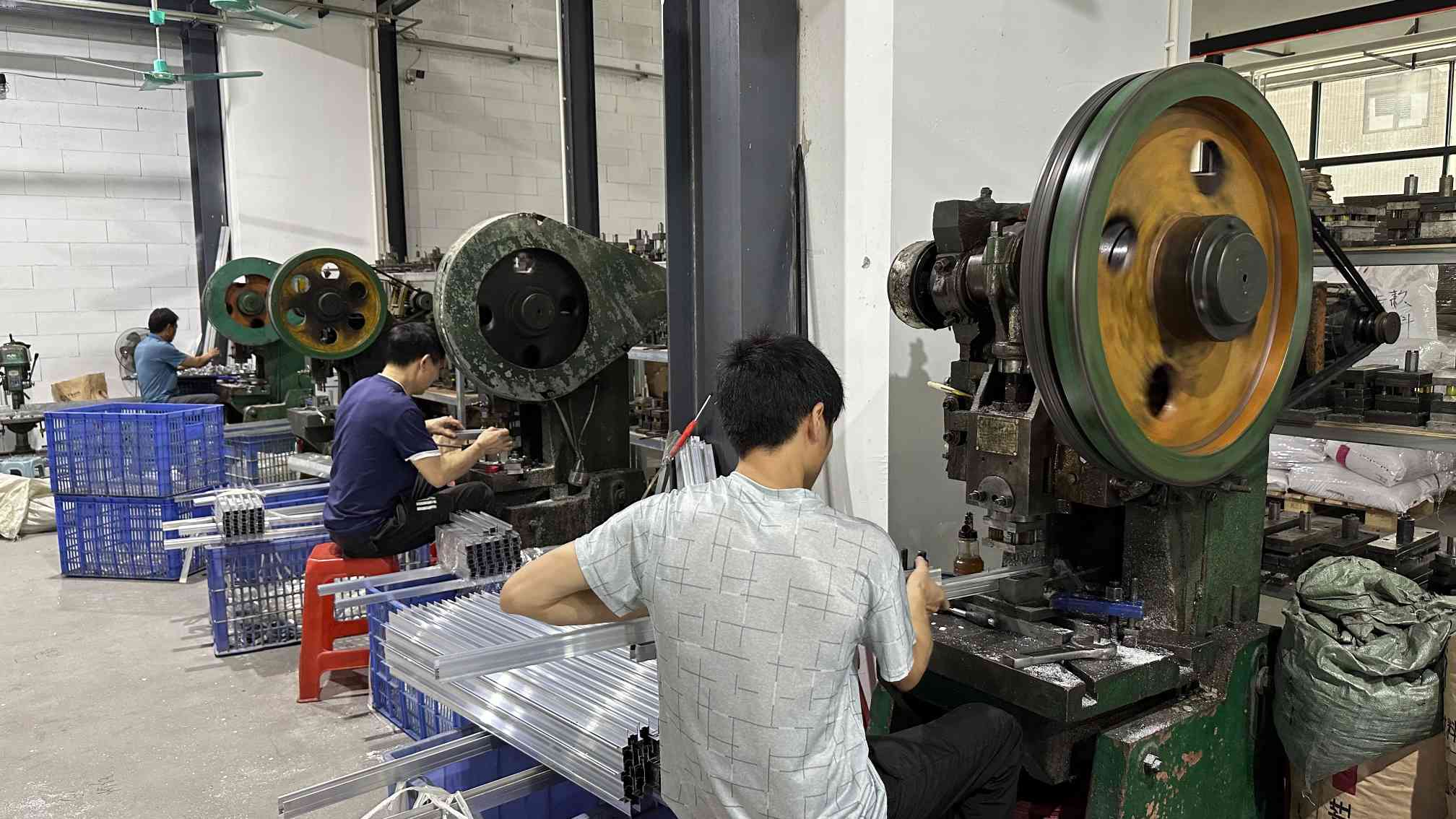
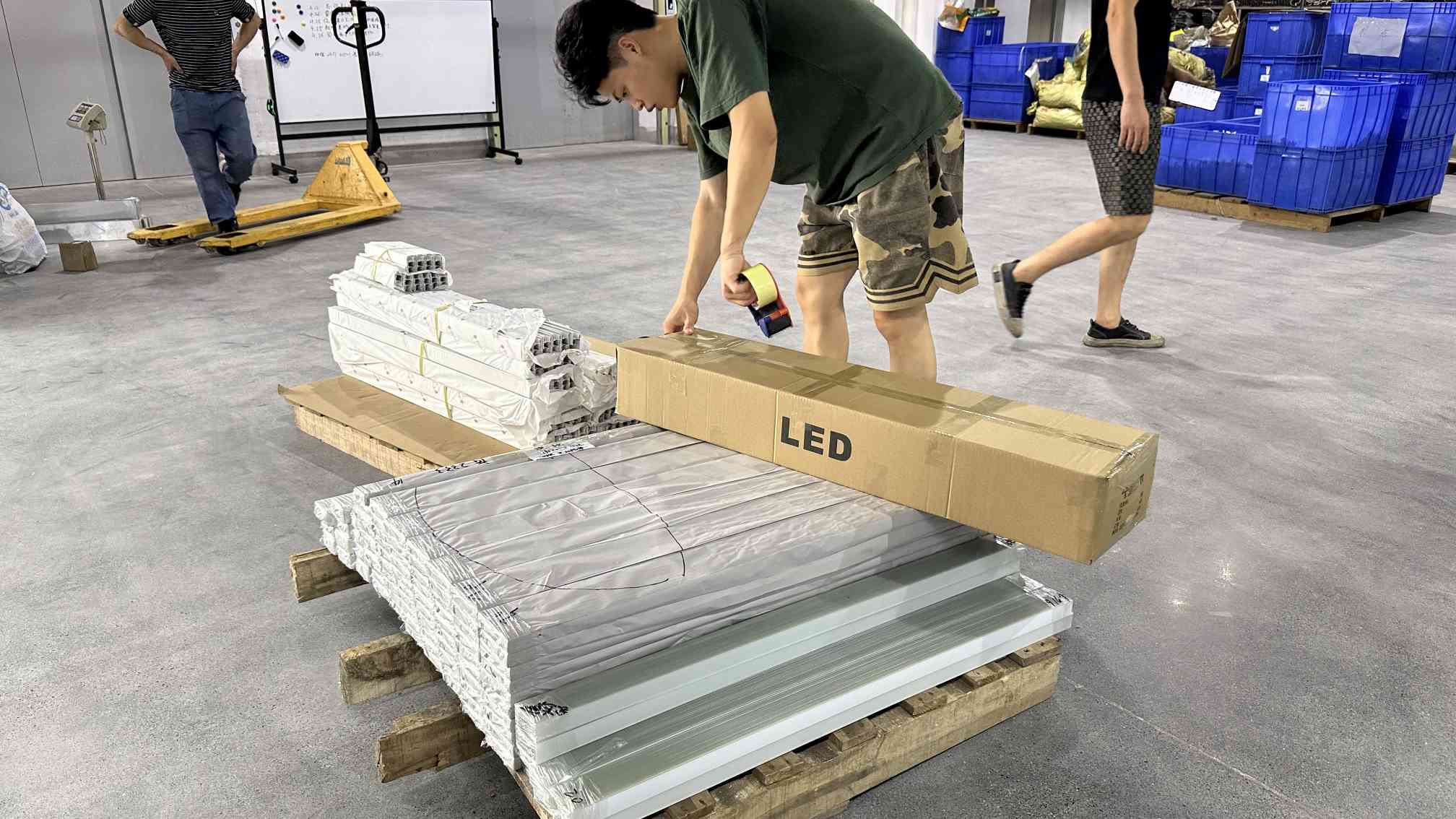
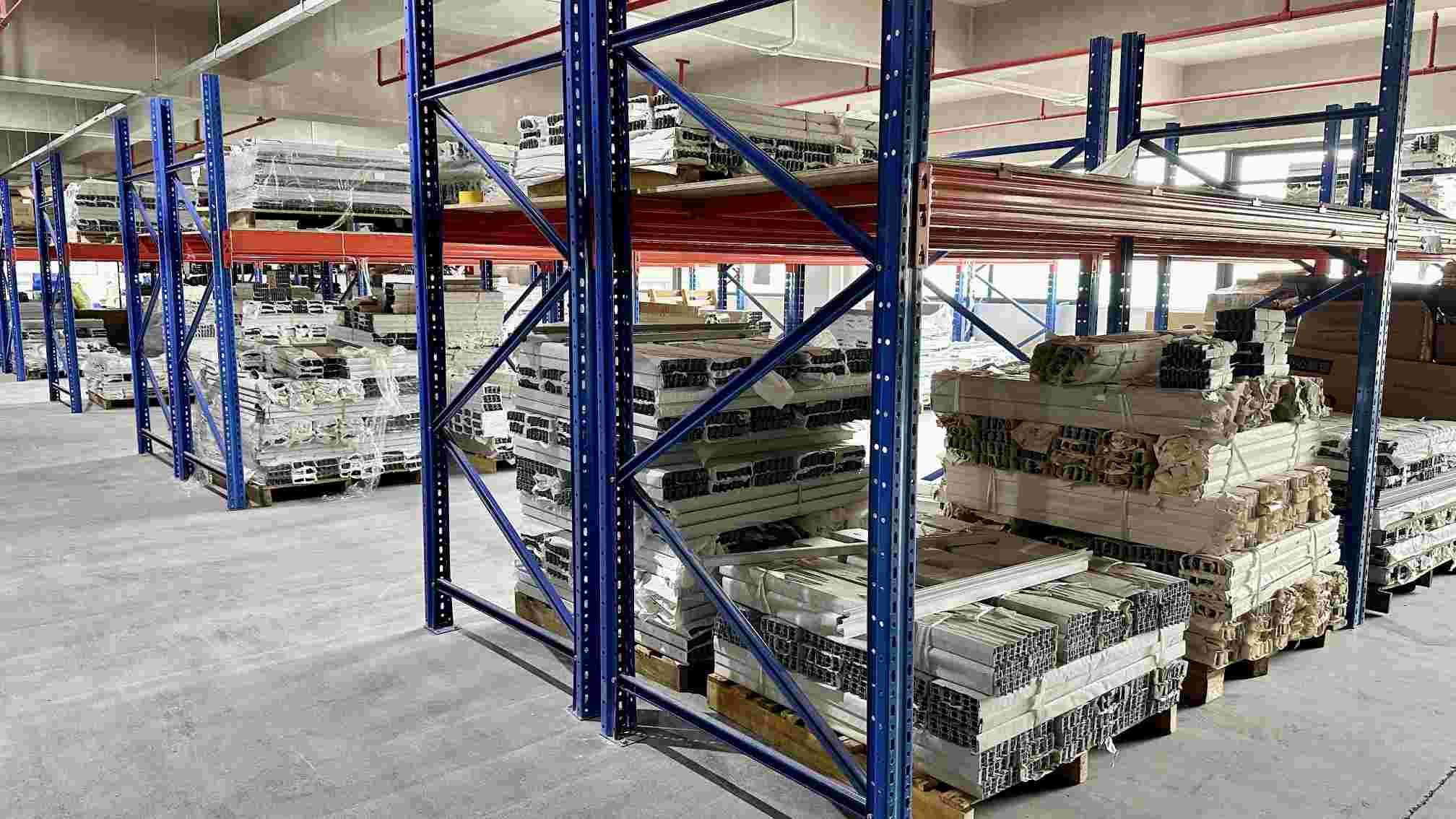
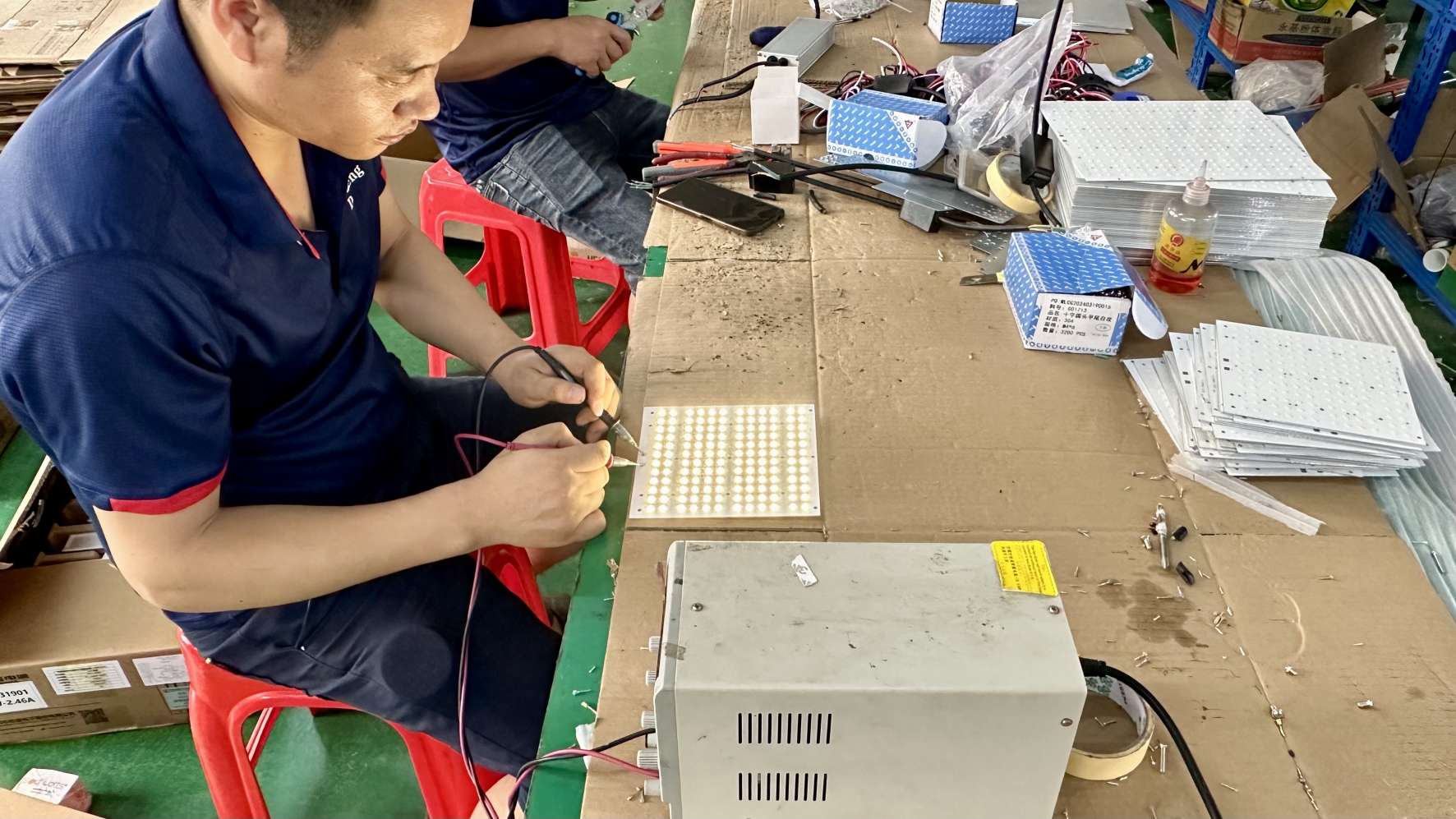
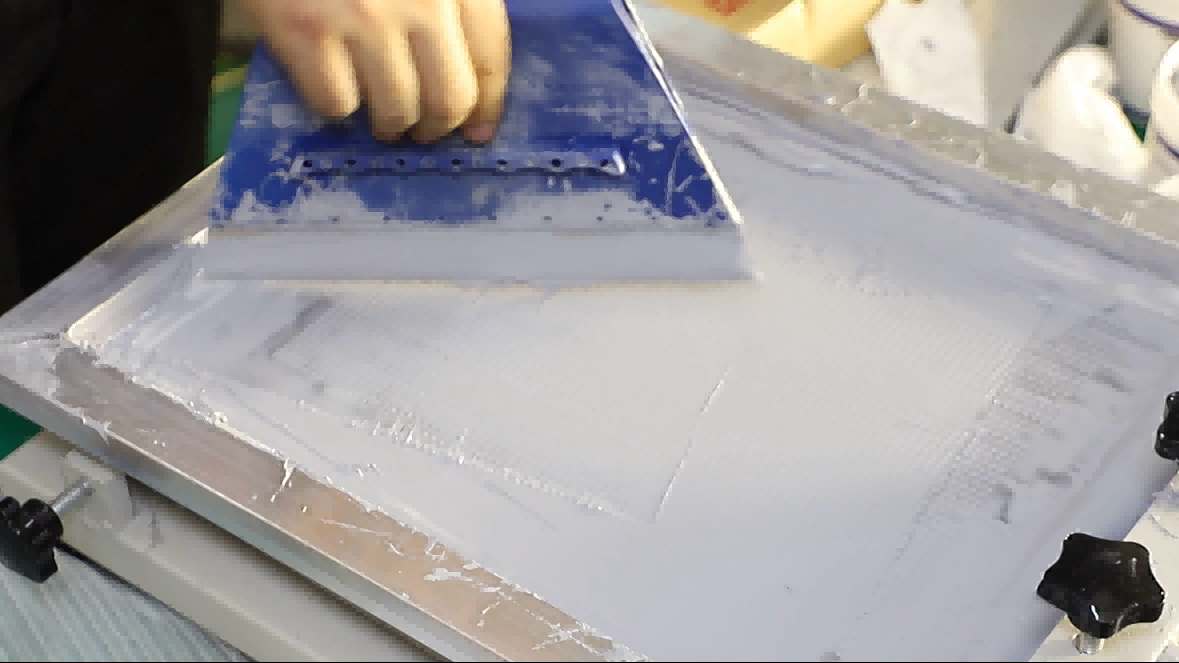
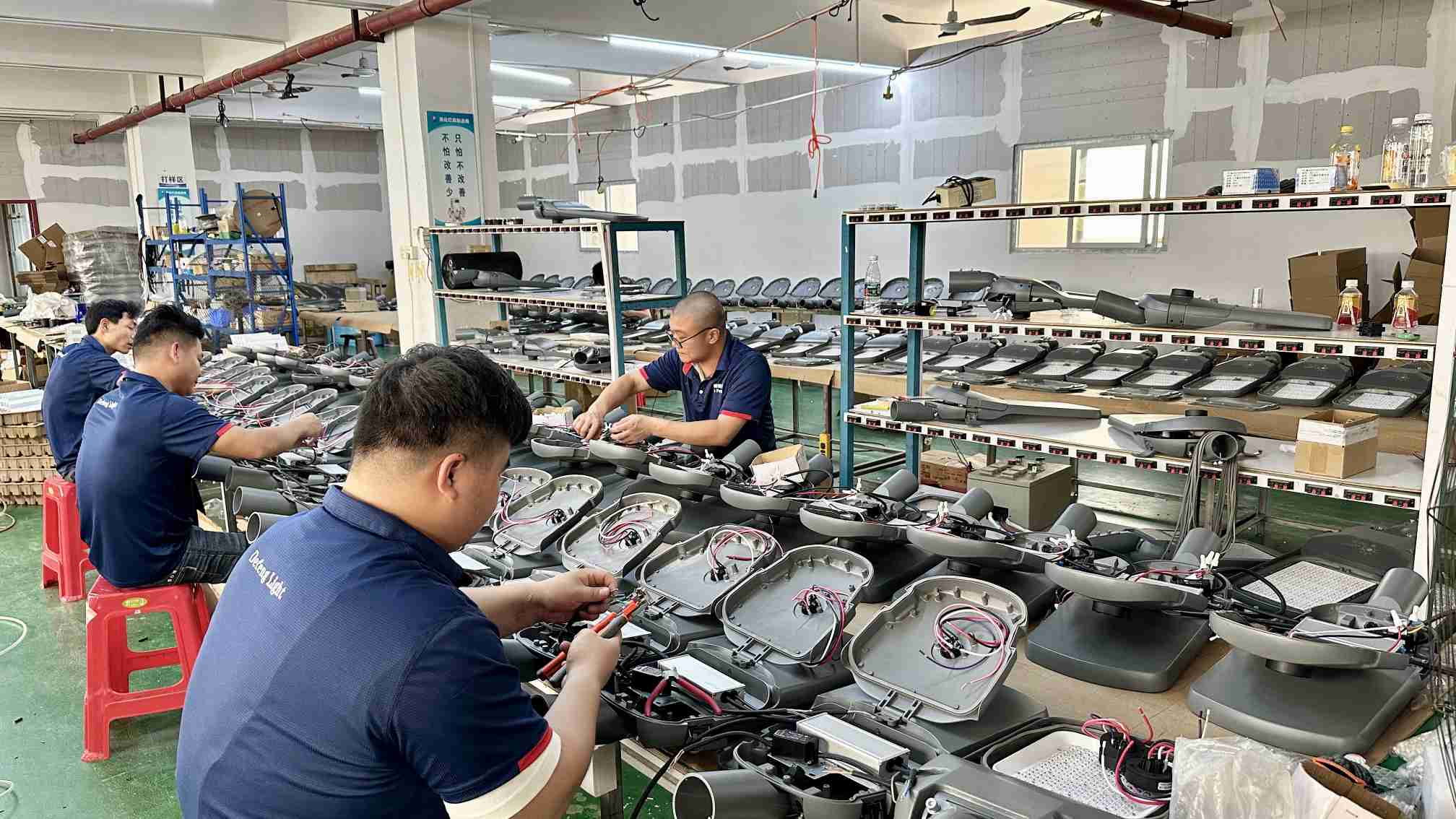
Explore our vertically integrated Shenzhen manufacturing facility, where raw components are transformed into world-class optoelectronic systems through strict lean manufacturing processes.
Shenzhen Alter Light Co., Ltd. is a leading manufacturer in the swimming pool lighting industry. We are not only a production facility, but also an innovation-driven company integrating advanced technology, product development, and quality manufacturing.
With a highly experienced R&D team and a strict quality assurance department, we are able to provide complete lighting solutions for swimming pools and underwater environments. Our focus is on combining safety, durability, energy efficiency, and modern design to deliver reliable lighting systems for global customers.
All underwater lighting products are designed to meet high protection standards such as IP68 waterproof rating. Our patented sealing and thermal management technologies ensure long-term stability and safety in harsh underwater environments.
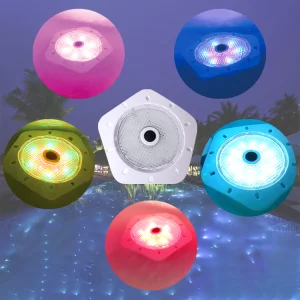
We also offer synchronized color control systems (including 2-wire and smart control solutions), enabling seamless lighting effects across multiple fixtures, making pools and water features more dynamic and visually appealing.
Our global market reaches Europe, North America, South America, the Middle East, and Asia-Pacific regions, supporting residential pools, commercial resorts, fountains, and municipal landscape lighting projects. We welcome OEM/ODM partnerships and distributor collaborations, providing customized housing designs, custom color spectrum configurations, and tailored cable runs to support challenging architectural tasks.
Understanding how specific architectural layouts benefit from specialized fiber optic and solid-state LED systems.
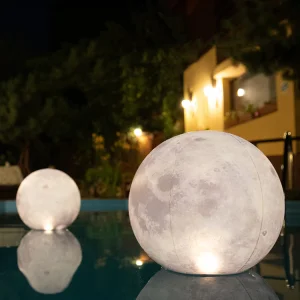
Commercial pool infrastructures require continuous, long-term illumination. Because maintenance inside filled pools is expensive and operationally disruptive, engineering firms utilize remote fiber optic light engines or high-end nicheless recessed LED systems. Using SS316L fixtures prevents staining on concrete or tile walls, while high-lumen density ensures complete light penetration throughout large volumes of water.
For spas, hammams, and high-end residential theaters, fiber optic lighting is the premier design choice. PMMA end-emitting fibers are fed through ceiling structures to create realistic constellations. Because the fibers transmit no heat or electricity, they are completely safe to touch and remain unaffected by steam or high humidity levels.
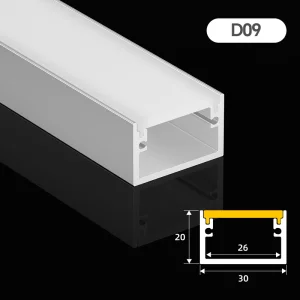
Waterproof inground LED aluminum profiles are deployed along public pathways, staircases, and resort driveways. These low-profile linear fixtures must withstand heavy mechanical loads, dust, and continuous weather exposure. High-strength resin filling ensures absolute waterproof protection while preventing internal condensation under shifting outdoor temperatures.
Engineered to withstand harsh environments with advanced thermal management and robust structural housings.
Get professional insights from our optical and engineering departments on compliance, installation, and materials.