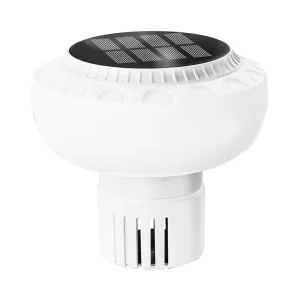
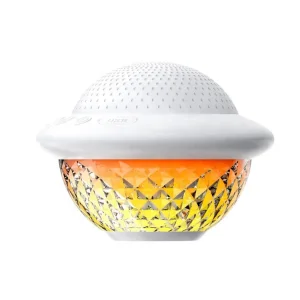
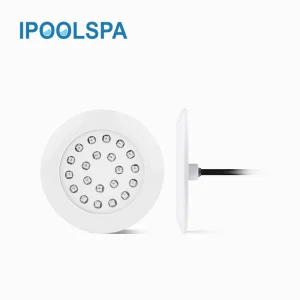
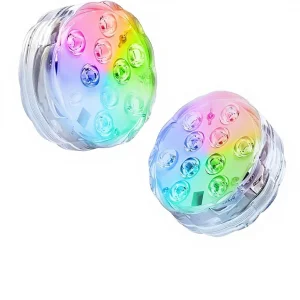
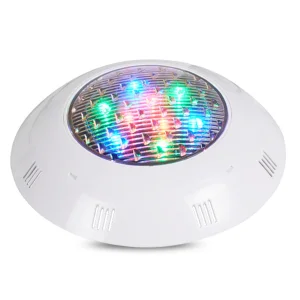
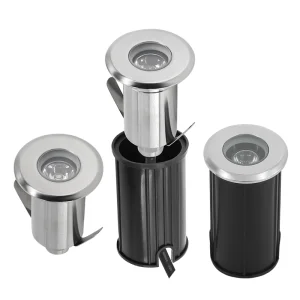
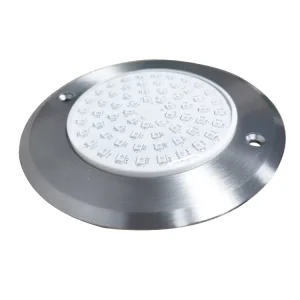
In the contemporary industrial landscape, the procurement of energy-efficient lighting solutions has evolved from a basic cost-saving measure into a multi-dimensional strategic objective. According to global energy consumption analyses, lighting accounts for approximately 15% of global electricity consumption and 5% of worldwide greenhouse gas emissions. Transitioning to high-efficacy solid-state lighting (SSL) architectures is paramount for corporations pursuing net-zero carbon operations and adhering to increasingly stringent ESG (Environmental, Social, and Governance) mandates.
This whitepaper addresses the core parameters that define the industry's top manufacturers, with a specific focus on high-performance, specialized subsectors such as IP68-rated underwater lighting, smart landscape installations, and architectural systems. Sourcing departments must evaluate candidates not only on unit costs but on systemic parameters: thermal dissipation architectures, driver reliability profiles, luminous efficacy (lumens per watt), and the integration capabilities within building management systems (BMS).
By analyzing the supply chain infrastructure of leaders like Shenzhen Alter Light Co., Ltd., this document outlines how modern factories utilize automated production, advanced mold design, and robust quality management systems (QMS) to deliver products that meet complex regulatory and environmental standards worldwide.
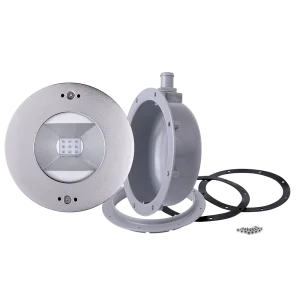
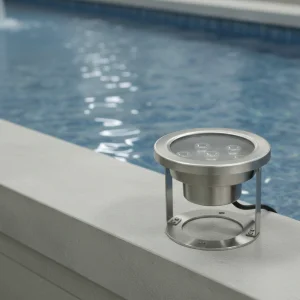
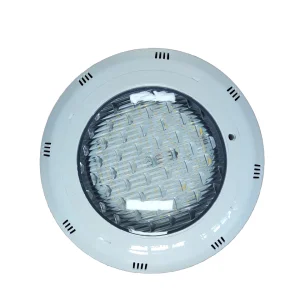
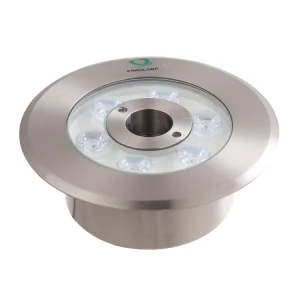
Shenzhen Alter Light Co., Ltd. is a leading manufacturer in the swimming pool lighting industry. The company is not merely a production facility but an innovation-driven enterprise integrating advanced technological paradigms, meticulous product development, and quality-centric manufacturing protocols.
With a highly experienced R&D team and a strict quality assurance department, Alter Light provides comprehensive, customized lighting solutions tailored specifically for swimming pools, water features, and complex submerged environments. The core focus of their engineering philosophy centers on merging strict electrical safety, mechanical durability, superior energy efficiency, and modern aesthetic designs to deliver reliable systems to a highly diversified global customer base.
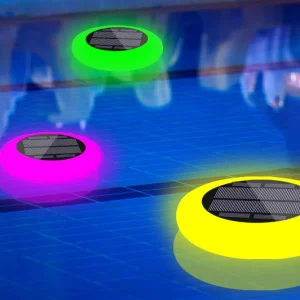
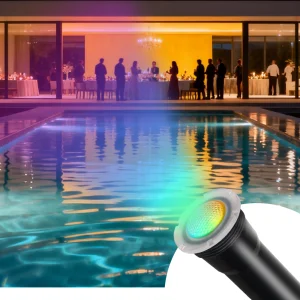
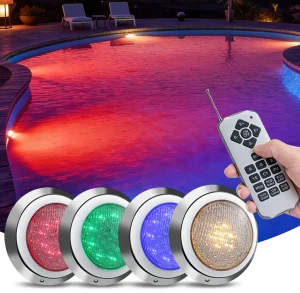
All underwater lighting products from Alter Light are engineered to exceed high protection standards, notably achieving the IP68 waterproof rating. The incorporation of patented structural sealing systems and thermodynamic management technologies ensures long-term operational stability and safety in demanding underwater applications. Furthermore, the brand is pioneer in providing synchronized color control systems (including 2-wire setups and smart app/remote control solutions), allowing seamless lighting synchronization across multiple fixtures. This makes residential and commercial pools or municipal water features highly dynamic, energy-optimized, and visually stunning.
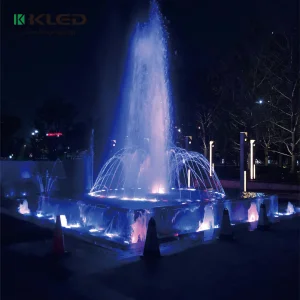
Alter Light serves an expansive international network, maintaining a dominant market presence across Europe, North America, South America, the Middle East, and the Asia-Pacific region. Their systems are widely deployed in commercial hotels, premium resorts, public municipal waterparks, architectural fountains, and residential landscapes.
Catering to customized specifications, the factory welcomes OEM and ODM partnerships along with regional distribution agreements. Their flexible manufacturing framework is uniquely configured to support custom optical distributions, specialized housing materials (such as Marine Grade 316 Stainless Steel or UV-stabilized ABS), and project-specific smart control protocols. Guided by a win-win cooperation model, Alter Light prioritizes high-quality outputs, competitive wholesale pricing, and reliable, long-term technical and commercial support.
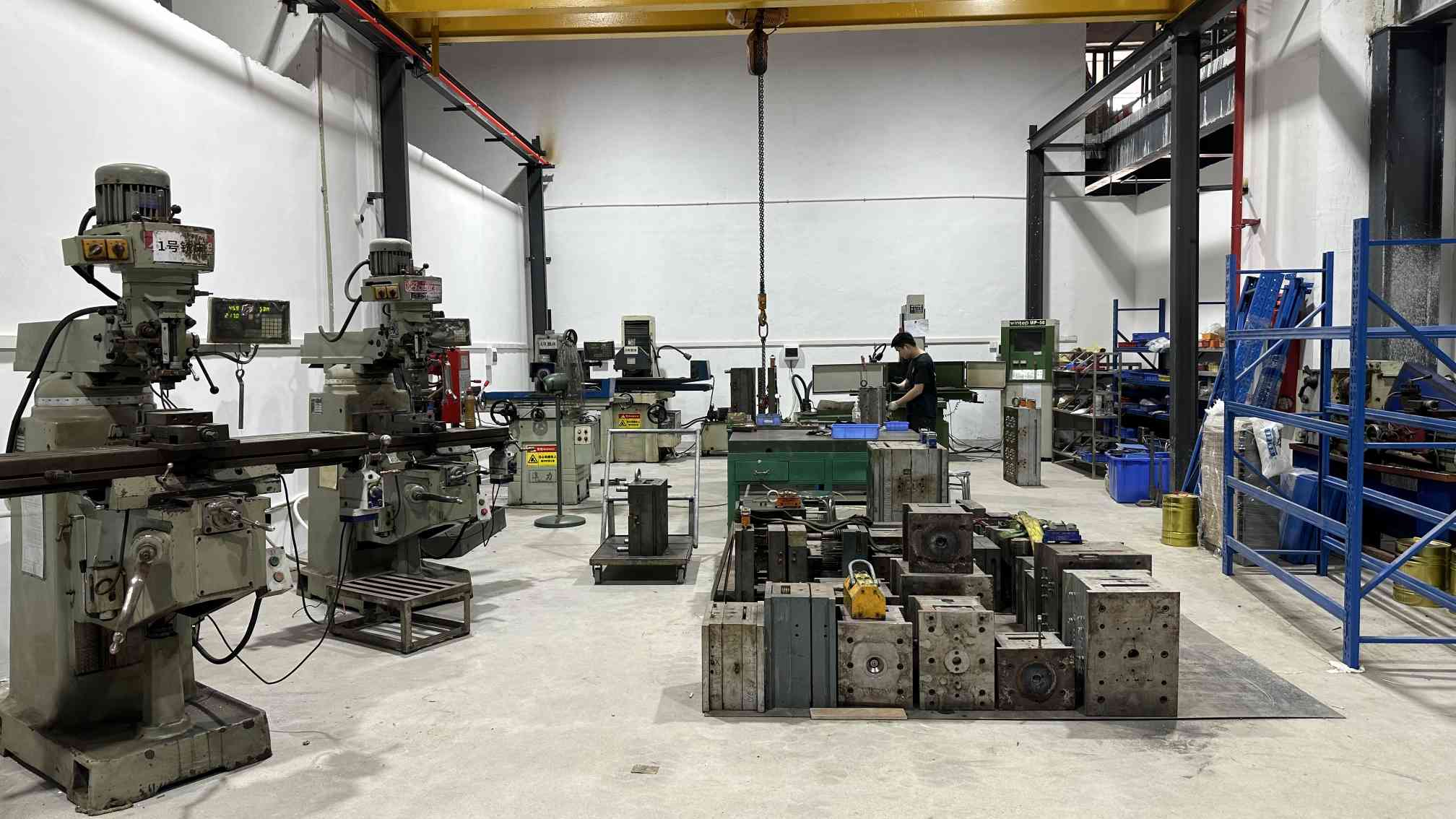
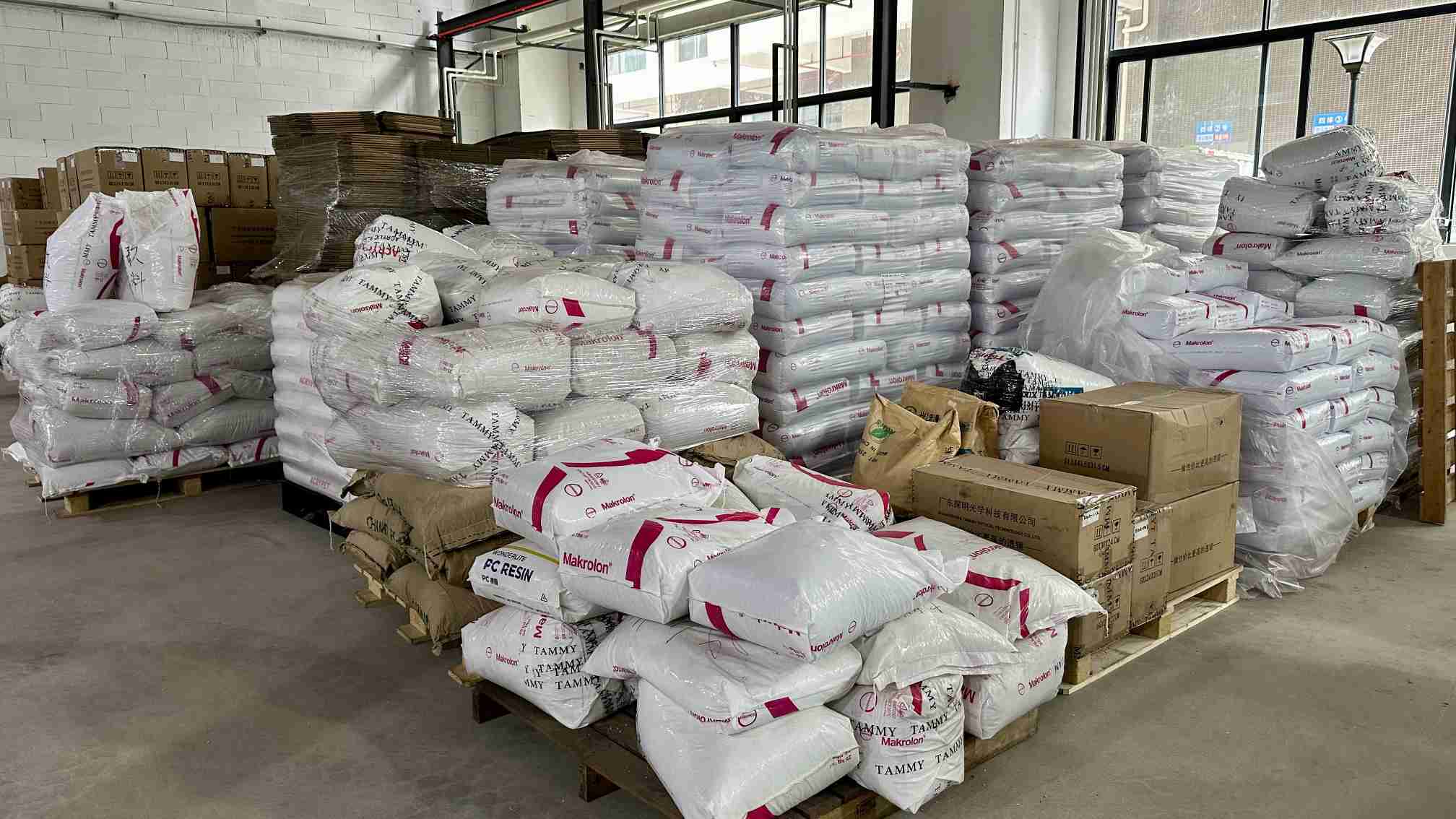
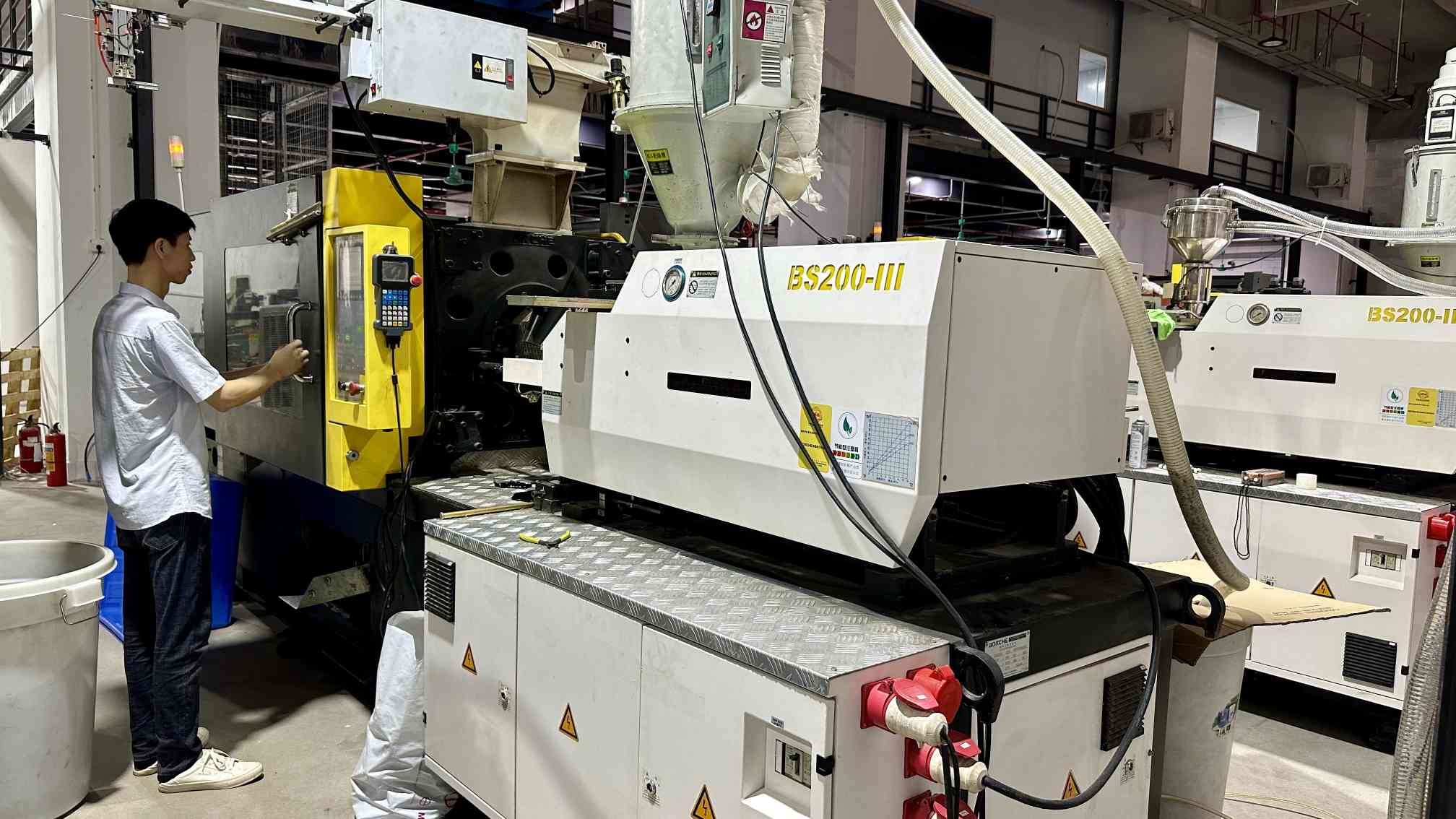
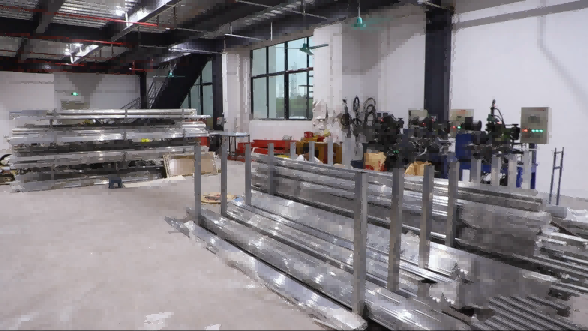
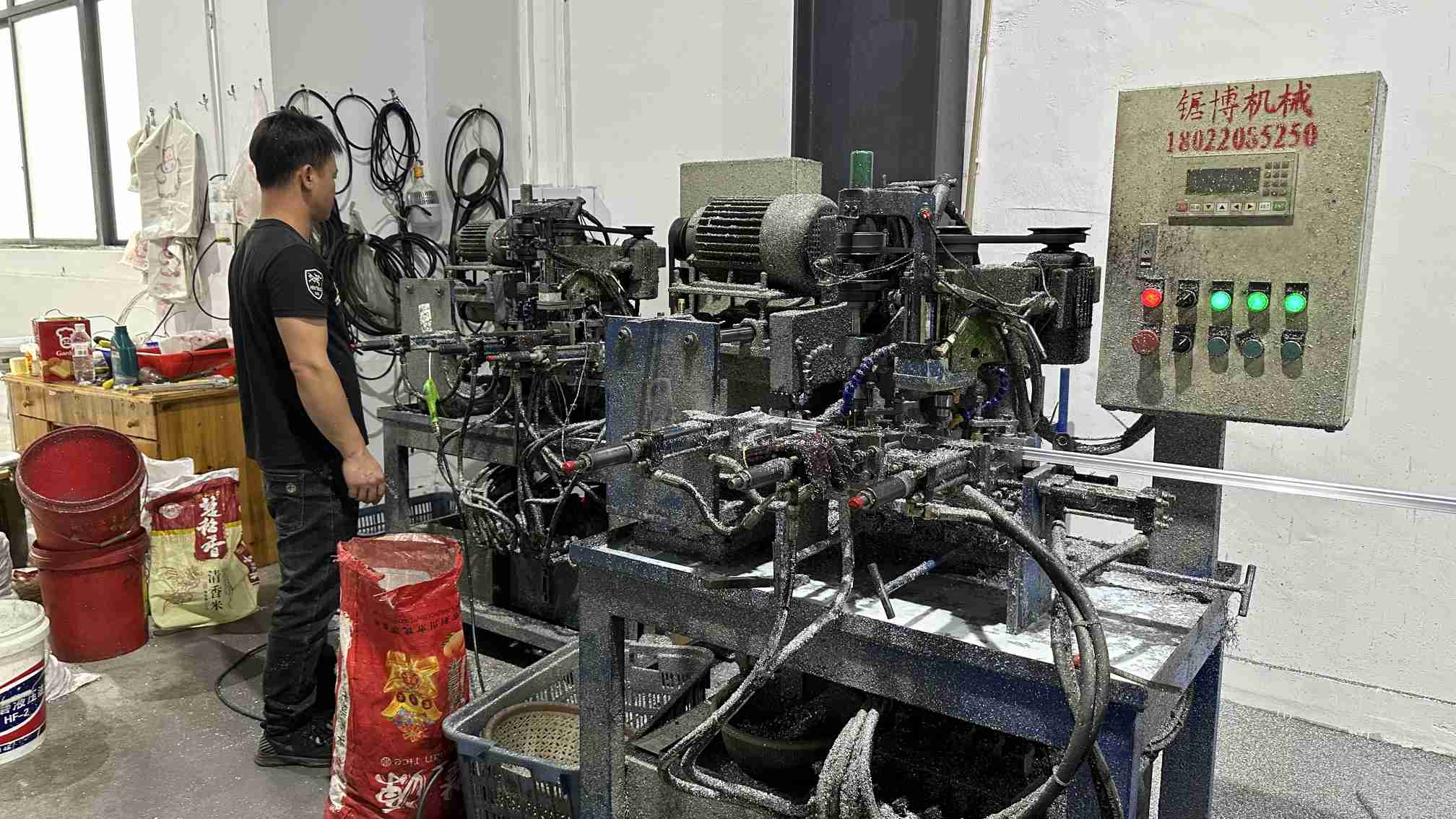
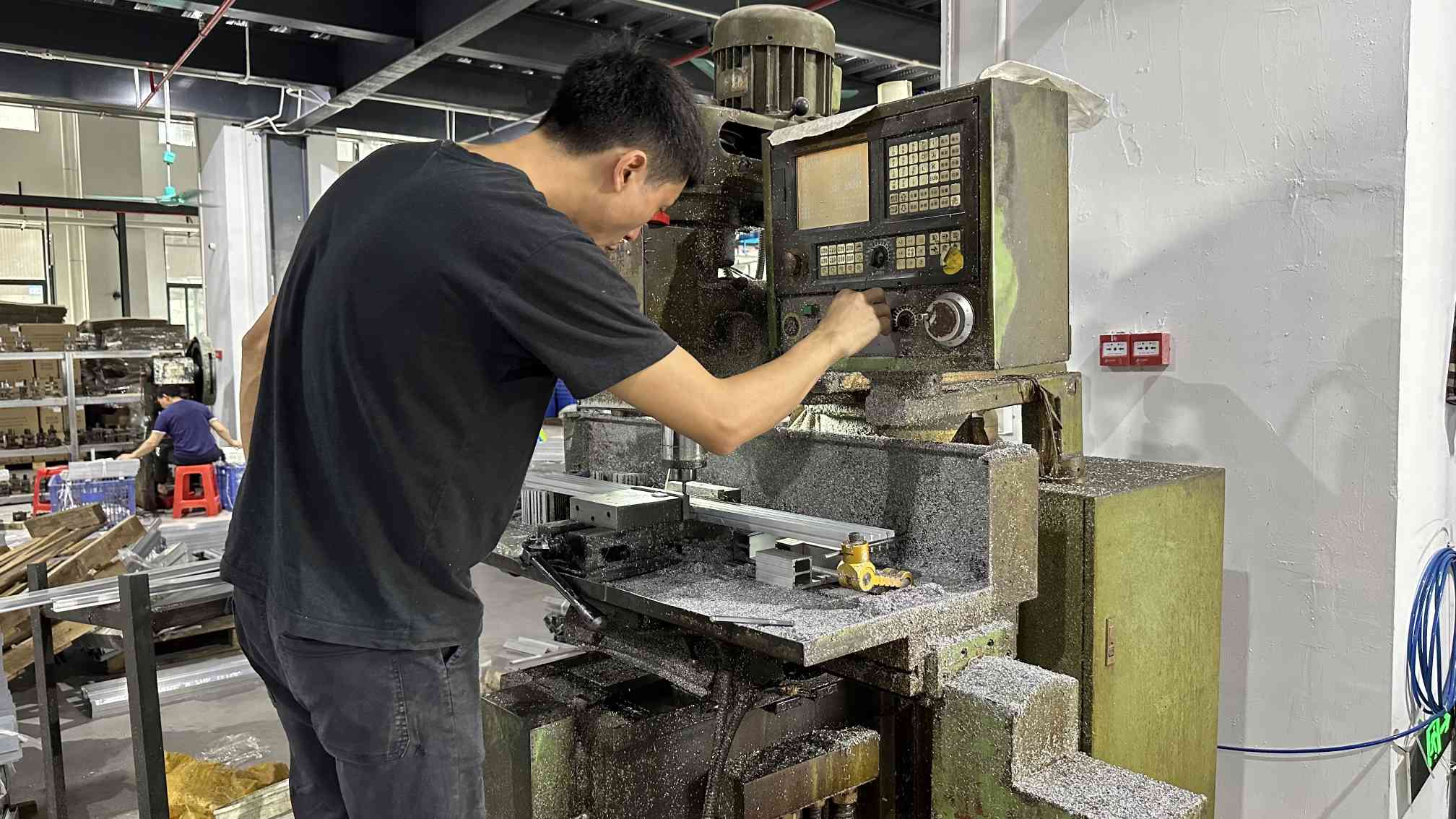
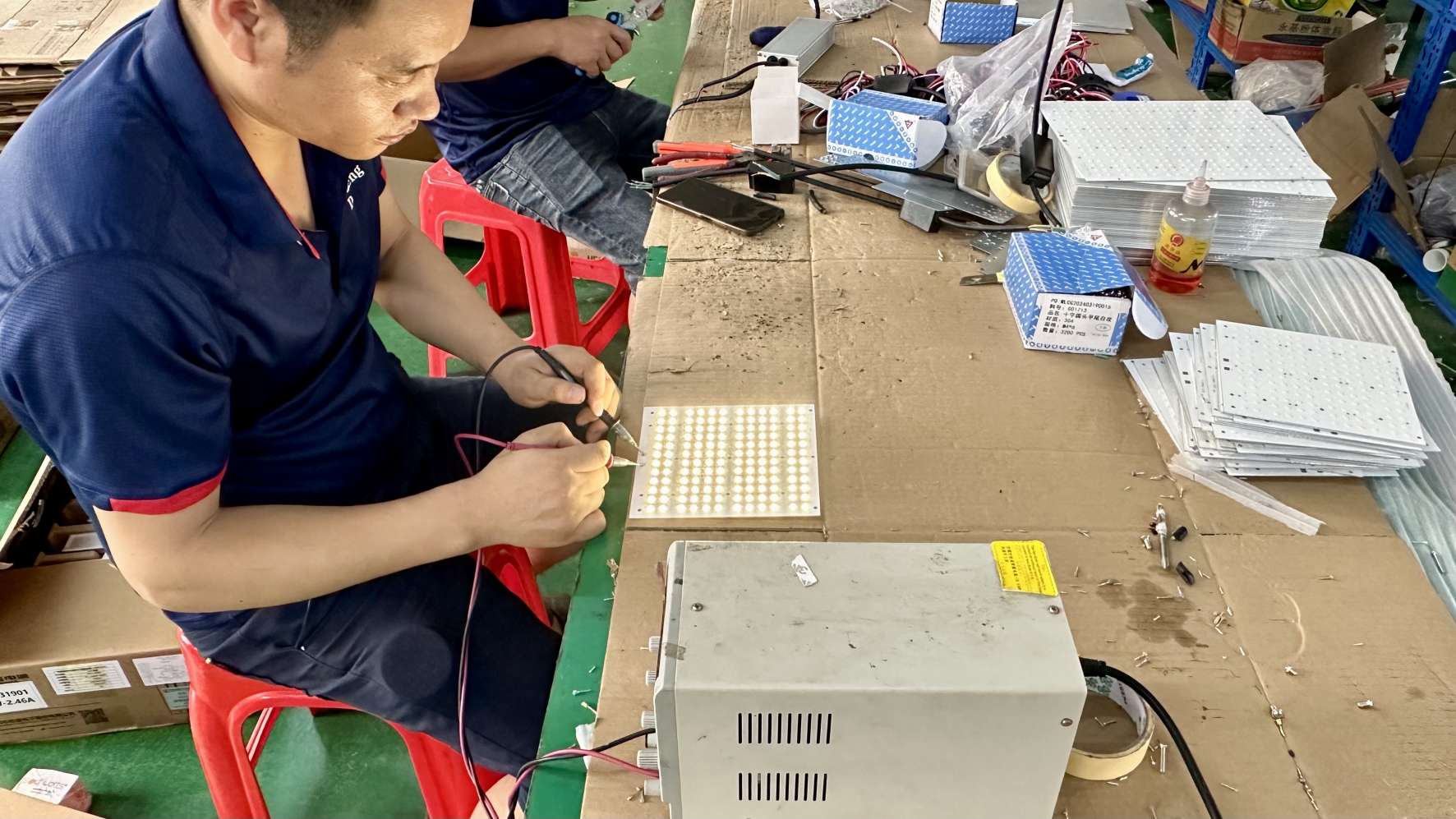
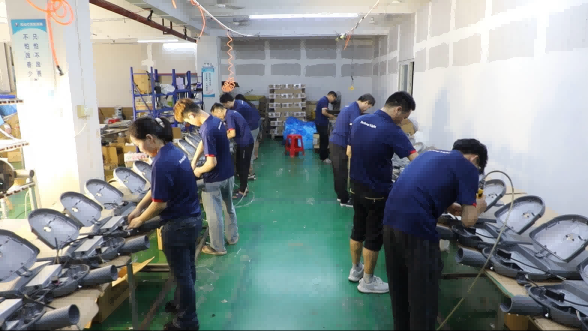
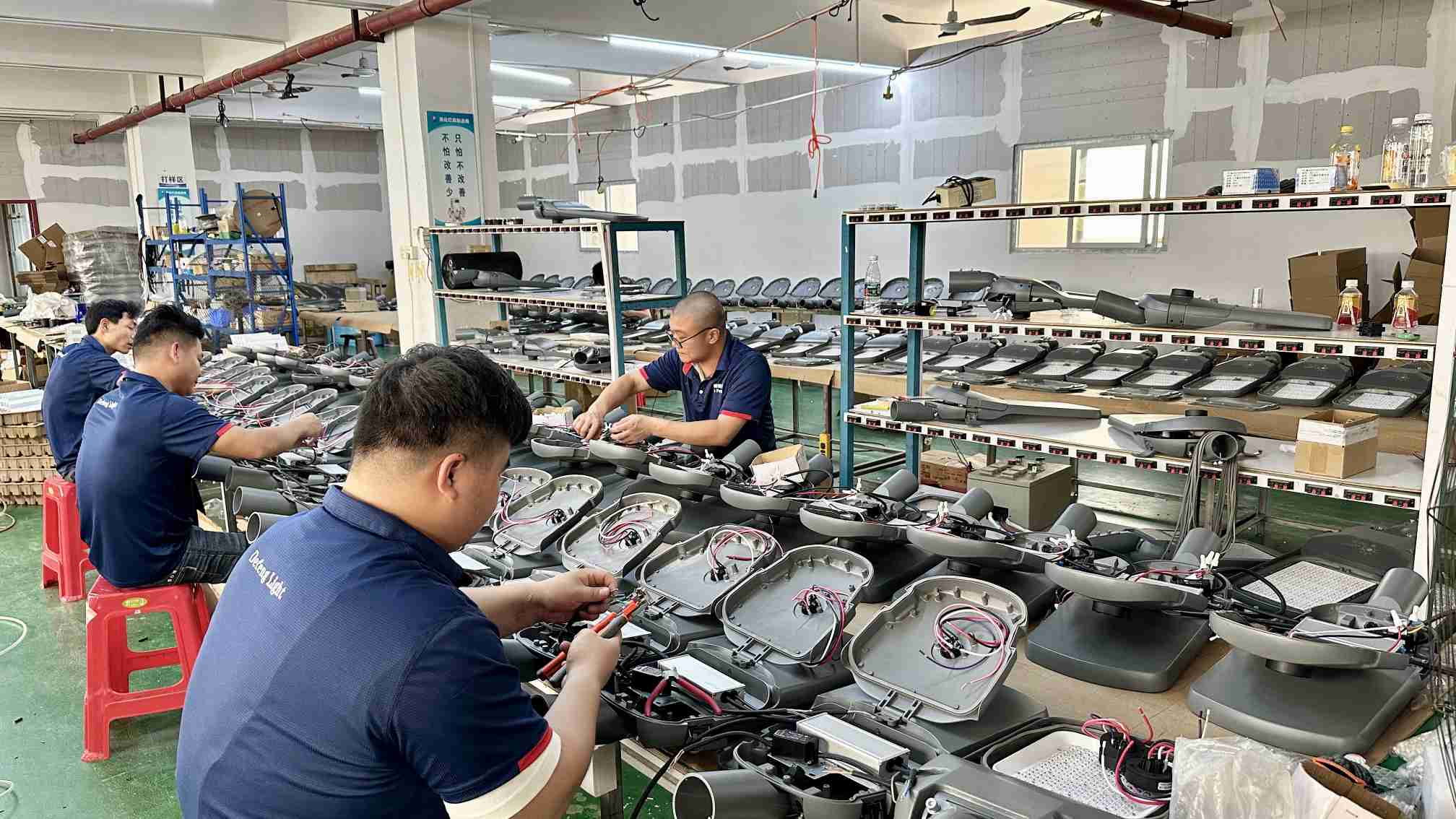
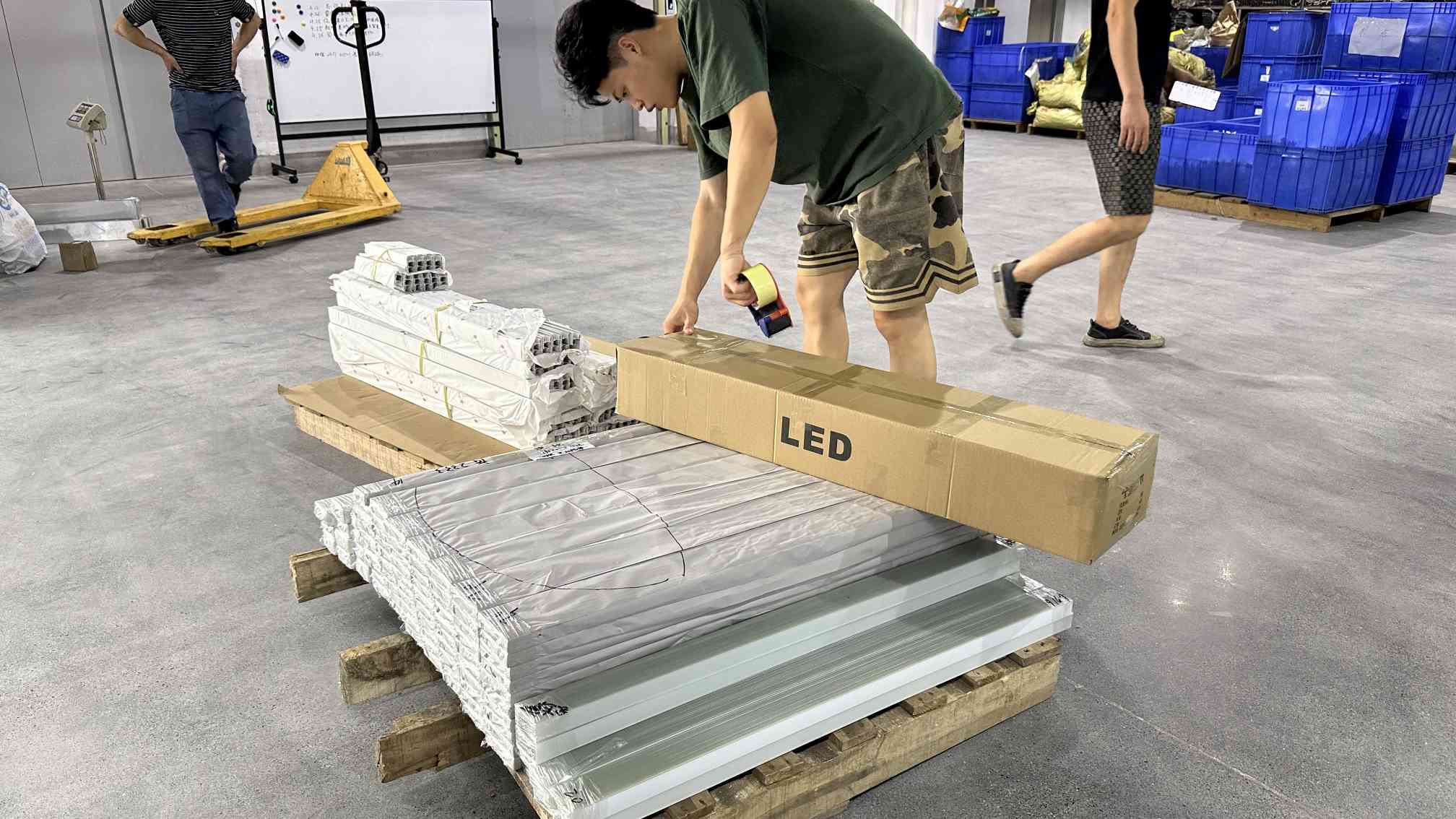
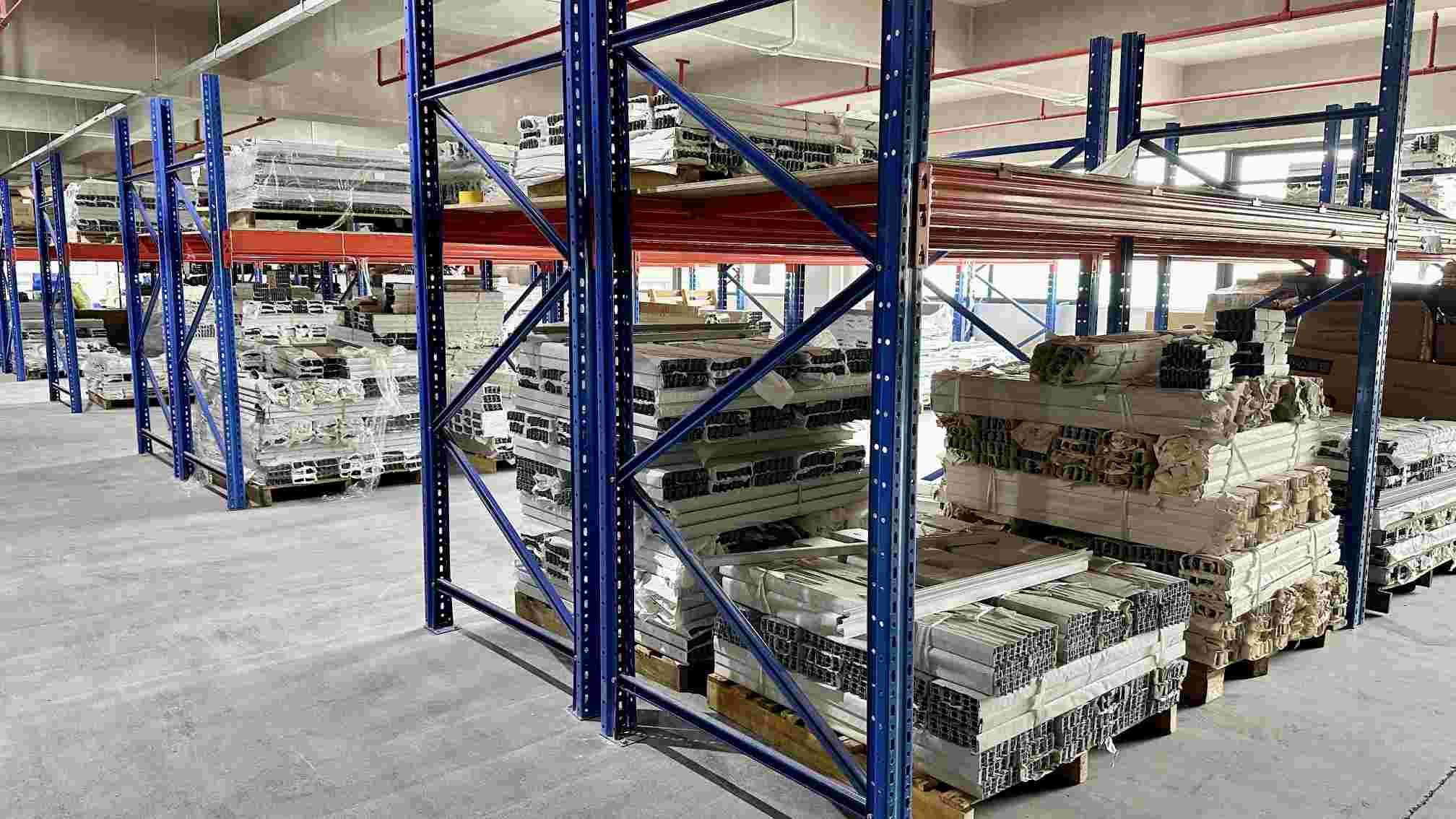
The production of specialized energy-efficient pool and landscape lighting requires strict vertical integration to guarantee component quality. The following pipeline demonstrates the comprehensive in-house capabilities of Alter Light, spanning raw material processing, precision machining, structural assembly, and rigorous hydrostatic pressure and electric testing.



The progression of commercial and industrial illumination is deeply tied to innovations in material sciences and microelectronics. Key manufacturers are currently transitioning from traditional phosphor-converted blue LEDs to direct-emission multi-chromatic architectures. The goal is to achieve greater luminous efficacy while maintaining high Color Rendering Index (CRI) metrics.
By replacing traditional silicon-based power components with Gallium Nitride (GaN) semiconductor switches, modern LED drivers can minimize switching losses by up to 60%. This results in significantly smaller driver footprints, less thermal output, and longer system lifetimes in enclosed or submerged settings.
The future of lighting lies in intelligent wireless integration. Manufacturers are incorporating DMX512, Bluetooth Mesh, and Zigbee control protocols directly into the driver PCB. This allows large-scale operations to dynamically control intensities, optimize schedules, and reduce energy waste based on occupancy and ambient daylight.
Thermal decay is the primary cause of LED lumen depreciation. Modern R&D focus is on employing high-thermal-conductivity ceramic substrates, phase-change interface materials, and advanced computational fluid dynamics (CFD) modeled aluminum heat sinks to maintain junction temperatures below 65°C.
Additionally, the industry is closely tracking the development of Human-Centric Lighting (HCL). HCL platforms alter spectrum outputs throughout the day to support circadian rhythms, which has been shown to improve productivity in corporate offices and speed up healing in healthcare facilities.
Implementing energy-efficient lighting requires tailor-made systems for specific structural and environmental challenges. Below is a breakdown of macro-industry solutions designed to maximize system longevity while minimizing energy footprints:
For global sourcing managers, vetting a lighting factory goes beyond basic cost calculations. An enterprise-grade decision matrix must evaluate several key performance and operational indicators to minimize supply chain risks:
Operating in a global marketplace requires localized product adaptations to meet varying electrical grids and regional regulatory updates. Whether adapting products for European CE/RoHS directives or complying with North American UL standards for underwater installations, top-tier lighting factories like Alter Light offer complete electrical and mechanical re-engineering options. This includes accommodating input variations (such as 12V, 24V, 120V, or 240V AC/DC) and providing localized packaging and multi-lingual user manuals to facilitate local market entry.