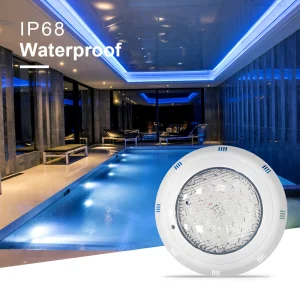
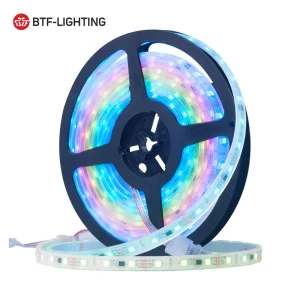
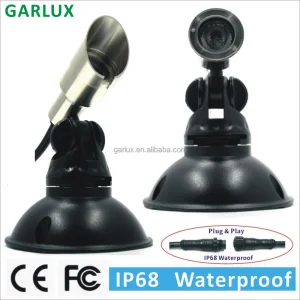
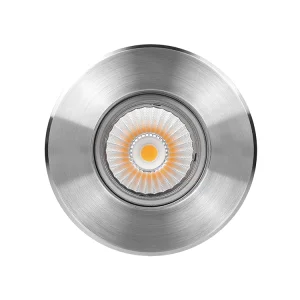
Explore high-efficiency IP68 submersible fixtures, smart RGBW controls, and commercial landscape luminaires engineered for harsh outdoor environments.
The global outdoor LED lighting market has entered a transformative era driven by architectural modernization, urban smart grid adoption, and stringent energy consumption standards. Valued at over USD 15.4 billion in 2024, the sector is projected to expand at a compound annual growth rate (CAGR) exceeding 11.2% through 2030. Within this market segment, specialized underwater pool lighting and harsh-environment architectural luminaires represent the highest technical barrier to entry.
Procurement engineers and commercial lighting specifiers face systemic challenges when evaluating original equipment manufacturers (OEMs). Beyond basic lumens-per-watt metrics, long-term operational success depends heavily on thermal dissipation geometry, galvanic corrosion resistance in chlorinated or saline environments, ingress protection integrity (IP68 static vs. IP68 continuous immersion pressure), and driver survivability under unstable input voltages.
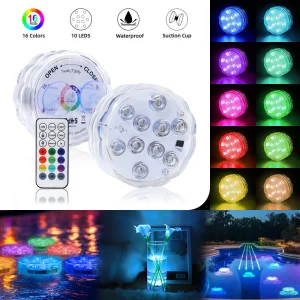
Water attenuates light differently than air. Red wavelengths (~650nm) suffer rapid absorption within 1 to 2 meters of depth, causing traditional RGB fixtures to lose dynamic color warmth. Leading manufacturers utilize customized spectrum tuning—boosting cyan and emerald wavelengths (~490nm-520nm)—to preserve vivid color perception underwater while deploying narrow beam optics (15° to 30°) to punch through high-density water columns.
Structural sealed housings vs. fully resin-encapsulated (potting) structures. Fully resin-filled fixtures eliminate interior air pockets, preventing vacuum moisture drawing during rapid thermal cycle drop-offs.
High-density aluminum alloys (6063-T5) combined with direct metallic PCB contact ensure LED junction temperatures ($T_j$) remain strictly below 65°C, ensuring L80/B10 longevity beyond 50,000 hours.
Modern architectural projects demand standard DMX512/RDM, 2-wire powerline communication (PLC), or wireless Bluetooth Mesh/Matter integration to synchronize pool lighting with facade shows.
To assist global project owners, engineering contractors, and brand distributors, we have evaluated the top 10 manufacturing enterprises based on financial stability, production capacity, R&D patents, material standards, and OEM/ODM scalability.
| Manufacturer Name | HQ Location | Core Specialization | Waterproof Tech Standard | OEM / ODM Flexibility |
|---|---|---|---|---|
| Shenzhen Alter Light Co., Ltd. | Shenzhen, China | Submersible IP68 Pool, Spa & Landscape Strip Lighting | Resin-Filled Structural IP68 / 316L SS | High (Custom Optical & Control Sync) |
| Signify (Philips Lighting) | Eindhoven, Netherlands | Smart Urban & Architectural Floodlighting | Gasket Sealed IP66/IP67 | Low (Standardized Catalog) |
| BEGA Gantenbrink-Leuchten | Menden, Germany | Heavy-Duty Architectural & Exterior In-Ground | Glass-to-Metal Seal IP68 | Moderate (Project Customized) |
| iGuzzini Illuminazione | Recanati, Italy | High-End Architectural Exterior & Optical Control | Multi-Barrier Silicon Gasket IP67 | Moderate (Custom Optics) |
| Cree Lighting (Ideal Industries) | North Carolina, USA | High-Lumen Industrial & Area Floodlighting | Precision Die-Cast IP66 | Low (Focus on North American Spec) |
| Erco Leuchten GmbH | Lüdenscheid, Germany | Museum & Outdoor Structural Facade Project Lighting | Precision Optical Sealed IP65/IP67 | Moderate (Architectural Spec) |
| Schréder Group | Brussels, Belgium | Smart City Roadway & Municipal Public Lighting | Flexi-Fit IP66 Outdoor Systems | Low (Government Infrastructure) |
| Zumtobel Group | Dornbirn, Austria | Premium Commercial Structural & Exterior Lighting | Extruded Aluminum IP67 | Low (Enterprise Architectural) |
| Thorn Lighting | Durham, United Kingdom | Sports Arena & Urban Infrastructure Lighting | Heavy Impact Sealed IP66 / IK10 | Moderate (Project Specific) |
| GlacialTech Inc. | Taipei, Taiwan | Thermal Heatsink Modules & Outdoor Driver Integration | Cold-Forged Aluminum IP67 | High (Component & Luminaire ODM) |
Shenzhen Alter Light Co., Ltd. is a leading manufacturer in the swimming pool lighting industry. We are not only a production facility, but also an innovation-driven company integrating advanced technology, product development, and quality manufacturing.
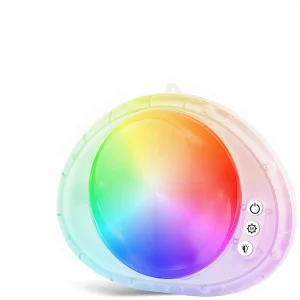
With a highly experienced R&D team and a strict quality assurance department, we are able to provide complete lighting solutions for swimming pools and underwater environments. Our focus is on combining safety, durability, energy efficiency, and modern design to deliver reliable lighting systems for global customers. All underwater lighting products are designed to meet high protection standards such as IP68 waterproof rating. Our patented sealing and thermal management technologies ensure long-term stability and safety in harsh underwater environments. We also offer synchronized color control systems (including 2-wire and smart control solutions), enabling seamless lighting effects across multiple fixtures, making pools and water features more dynamic and visually appealing.
Global Market Presence: Shenzhen Alter Light Co., Ltd. serves customers worldwide, with strong market presence in Europe, North America, South America, the Middle East, and Asia-Pacific regions. Our products are widely used in residential pools, hotels, resorts, public water facilities, fountains, and landscape projects.
OEM / ODM Cooperation Philosophy: We welcome OEM and ODM partnerships as well as regional distributor collaborations. Our flexible manufacturing system allows us to support customized designs, private labeling, and project-based lighting solutions. At Shenzhen Alter Light Co., Ltd., we believe in a win-win cooperation philosophy. We are committed to delivering high-quality products, competitive pricing, and reliable long-term service to our global partners.
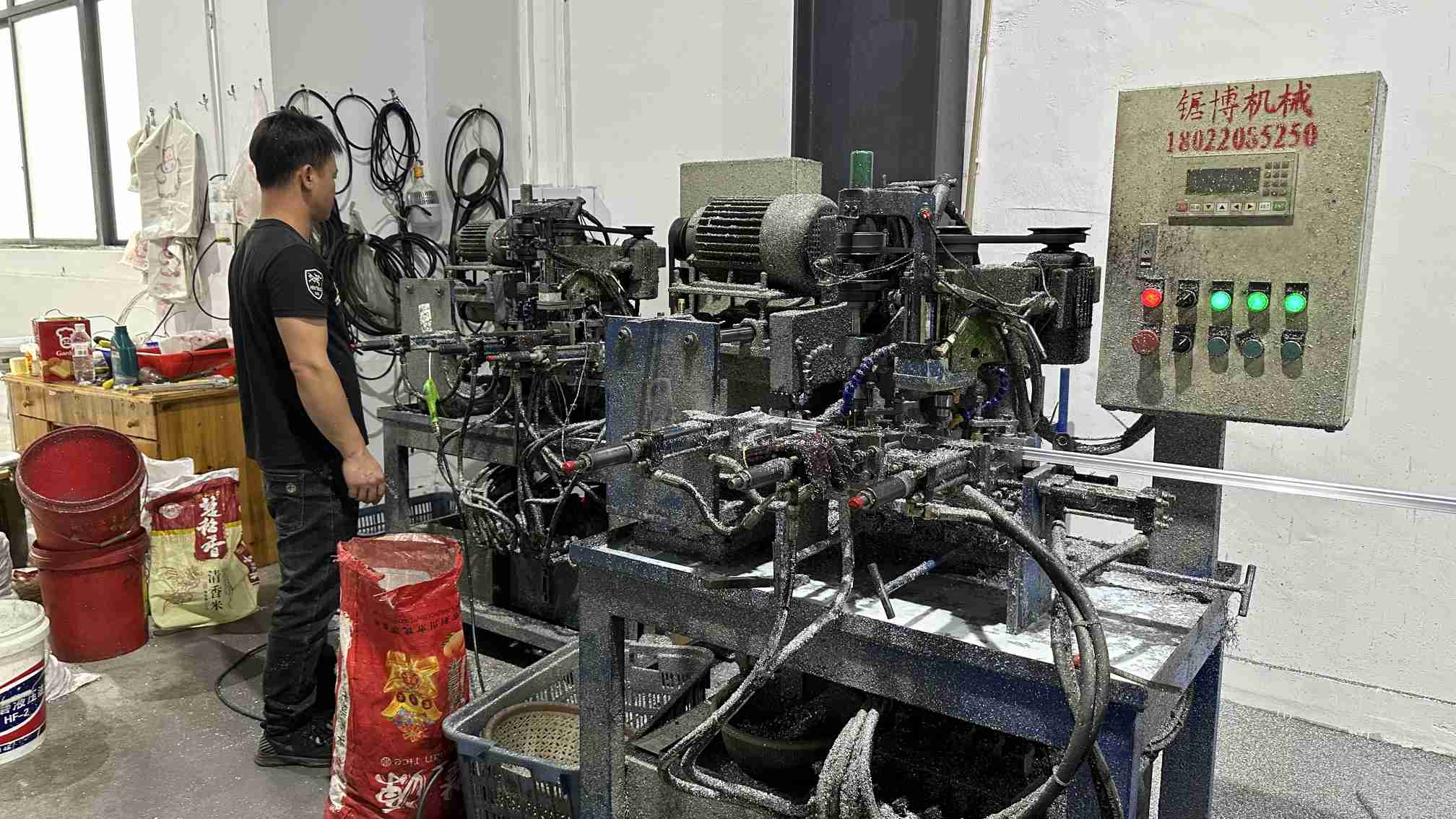
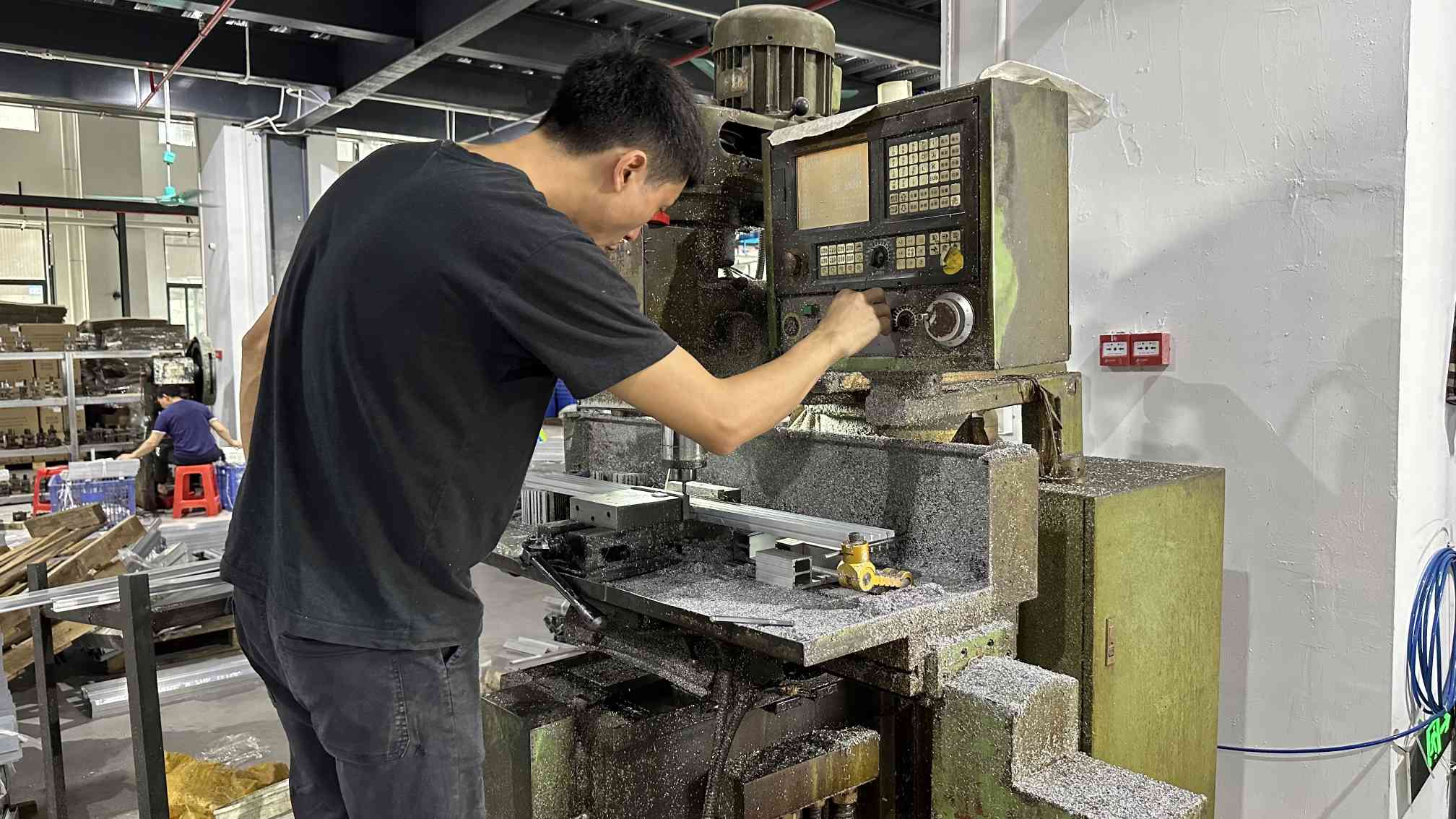
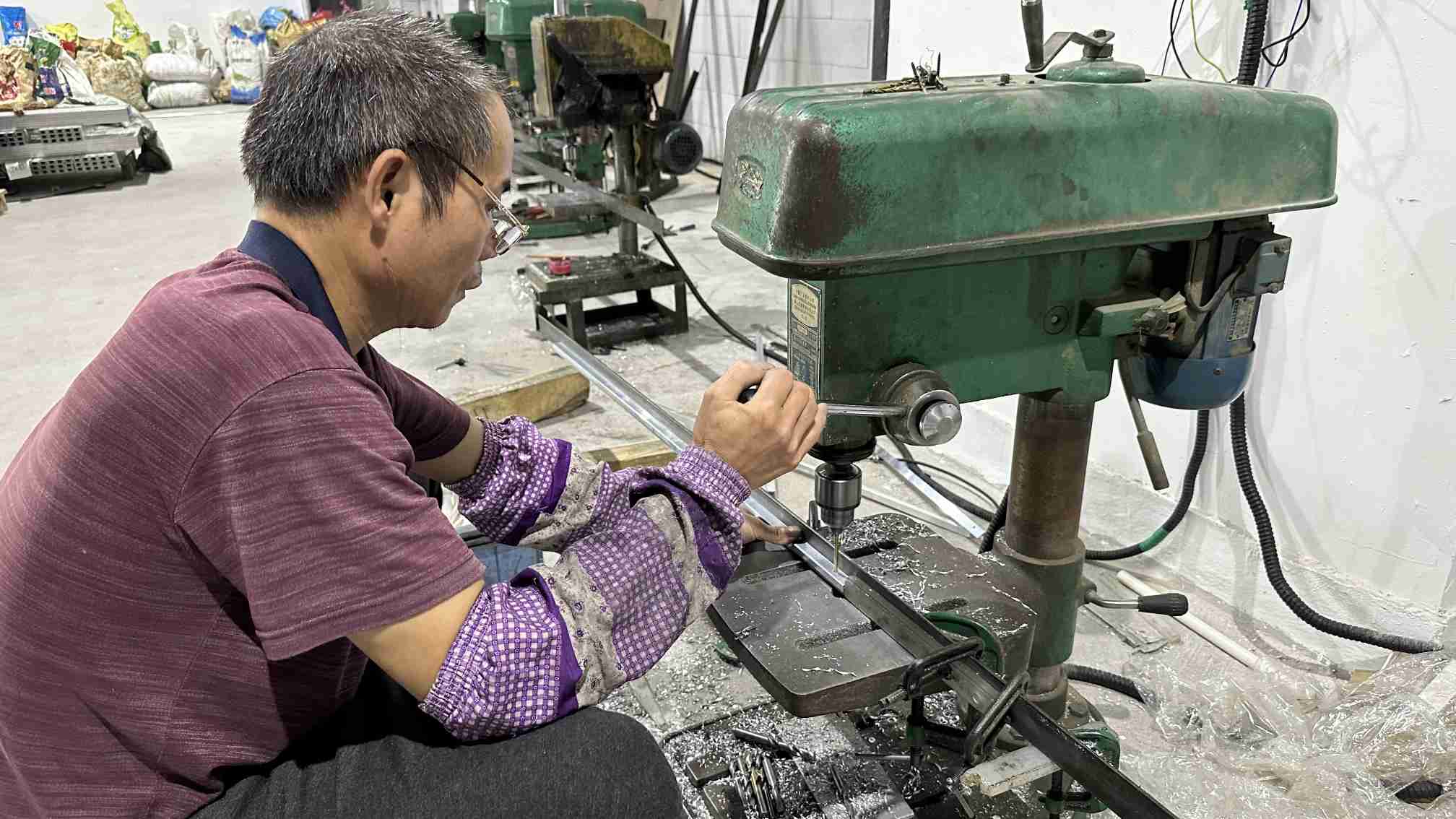
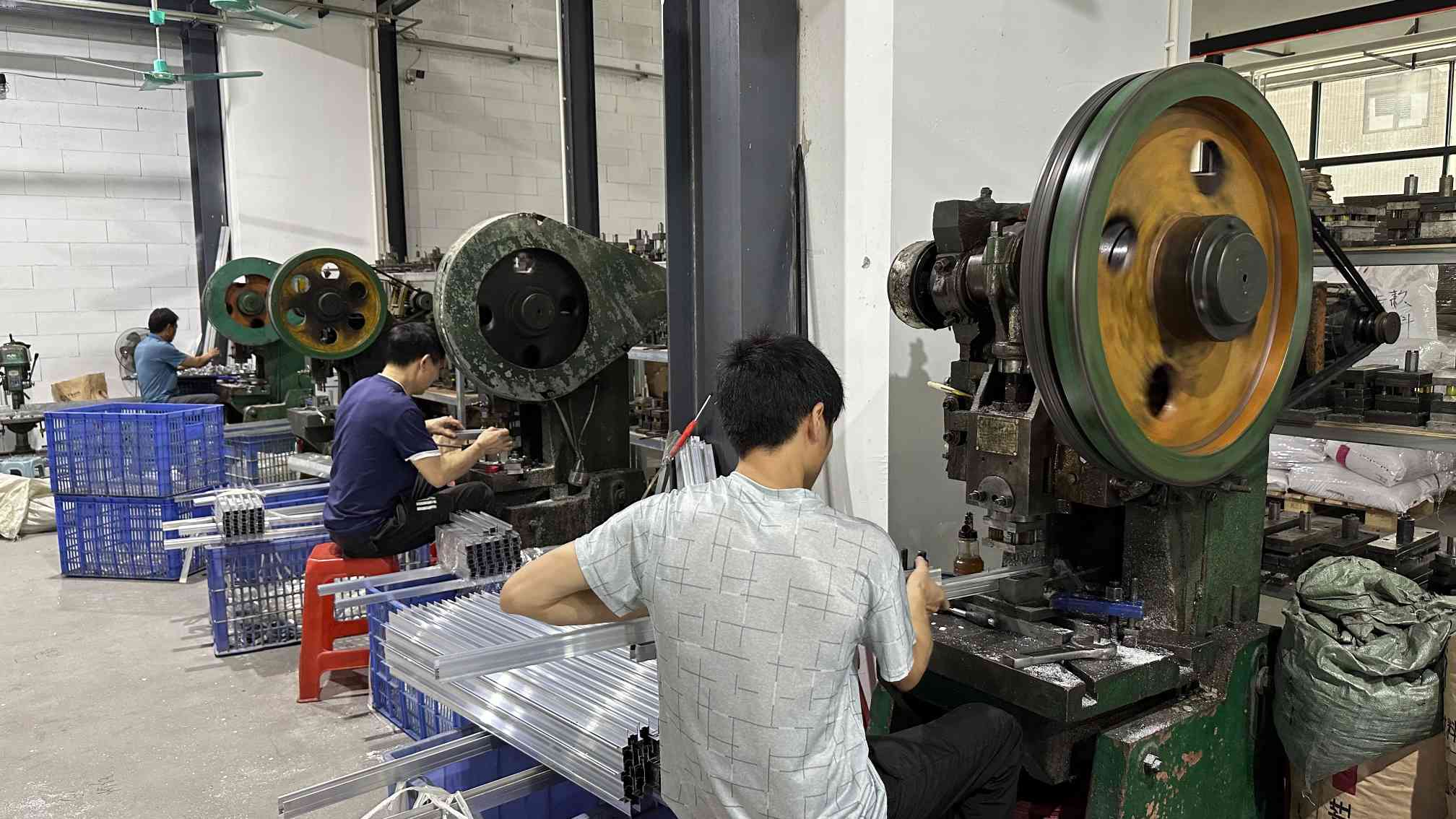
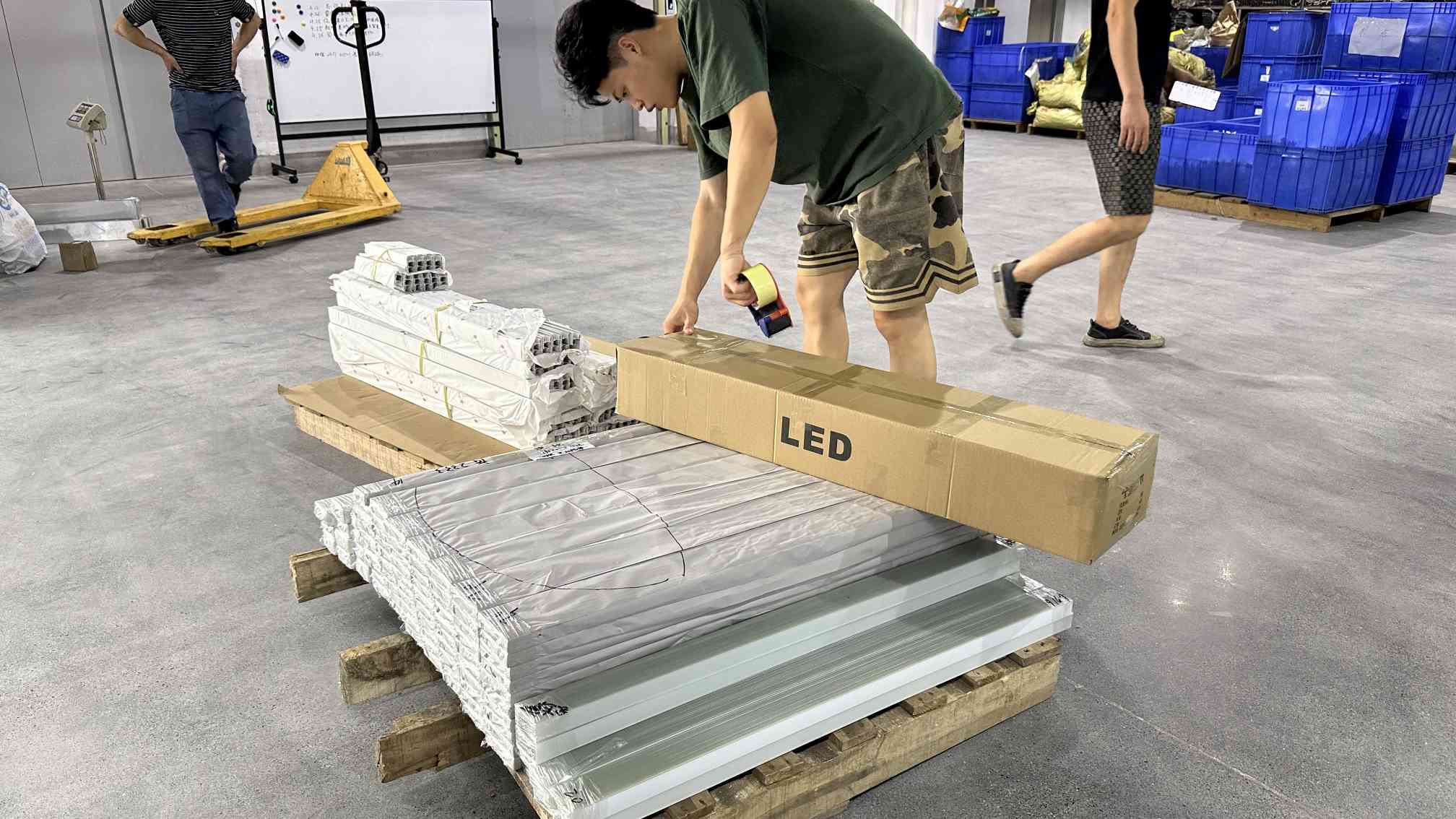
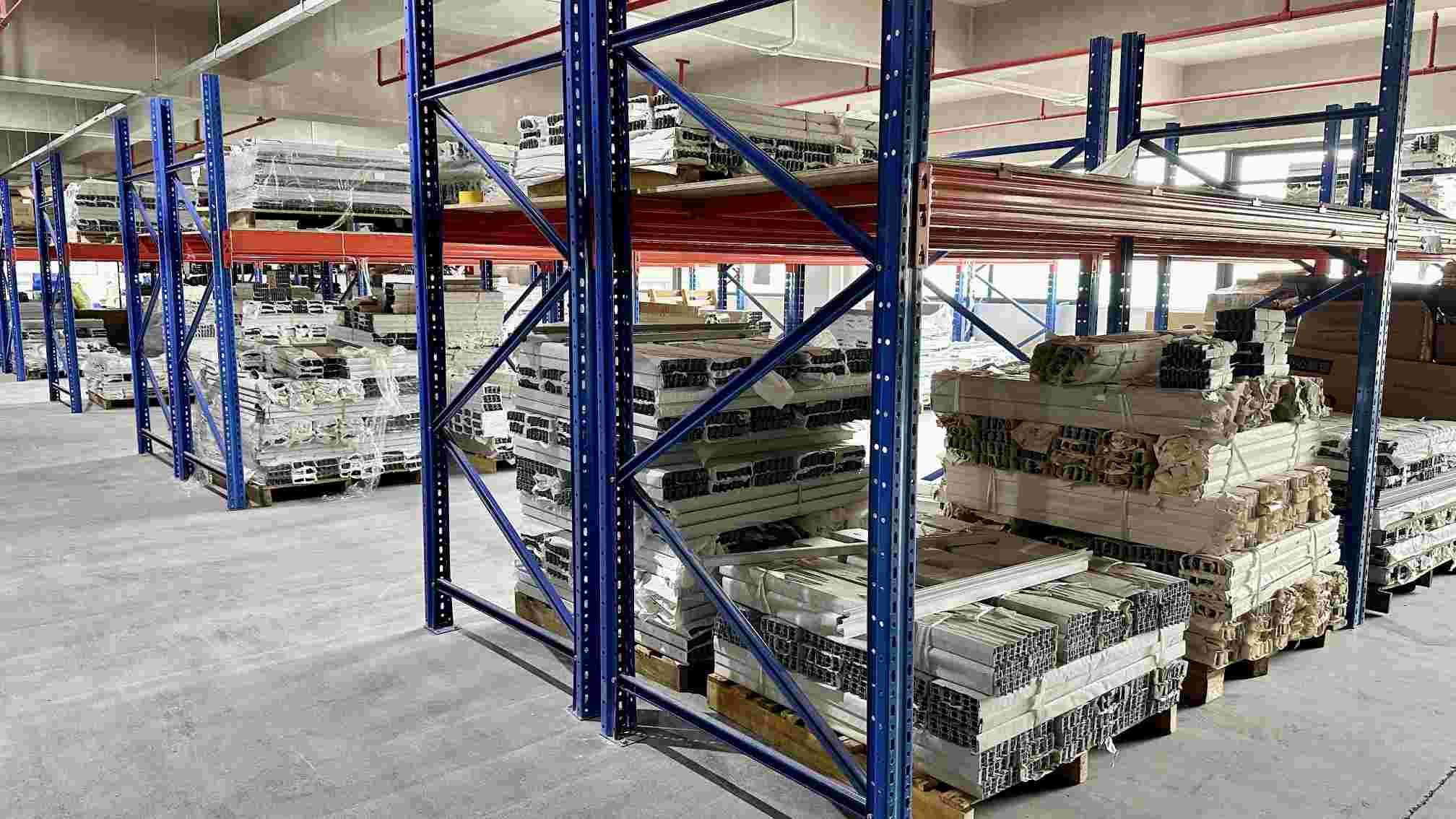
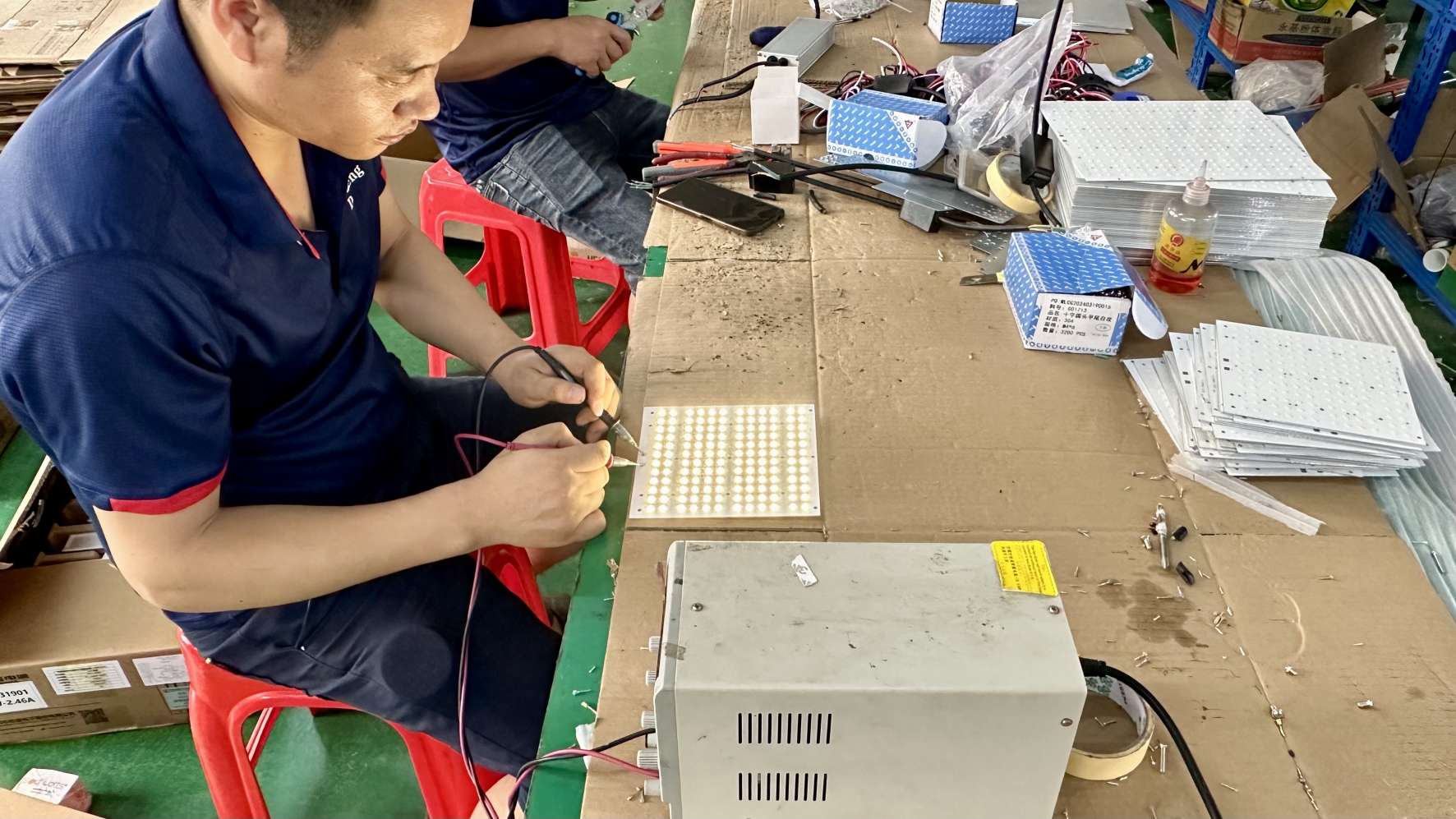
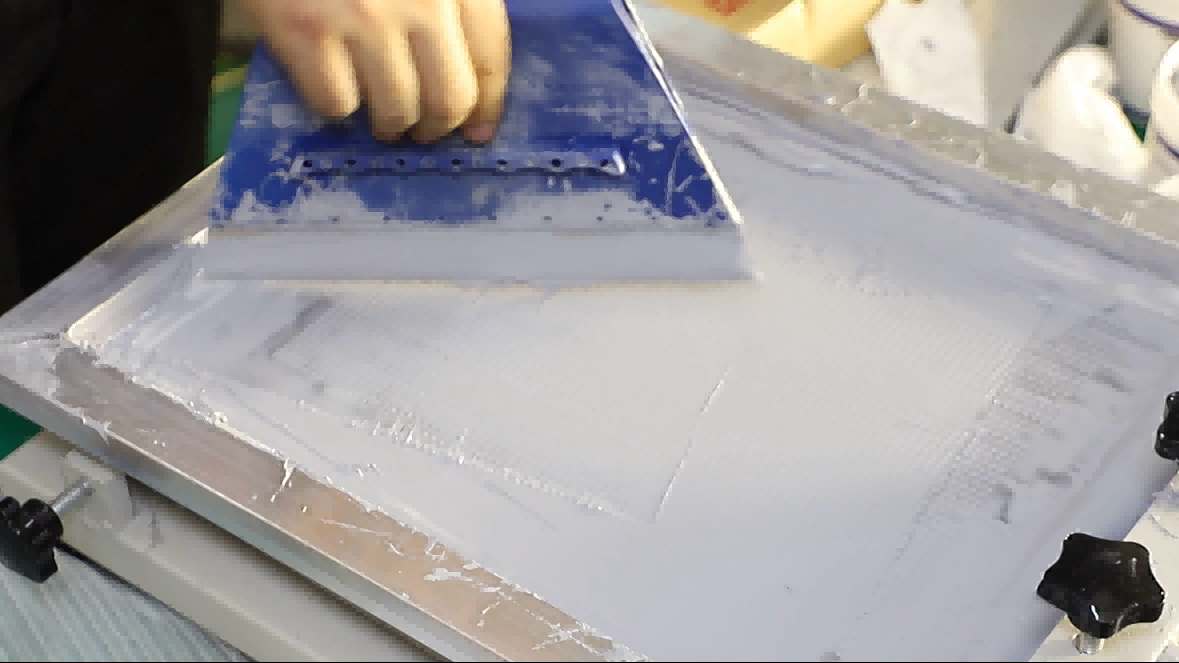
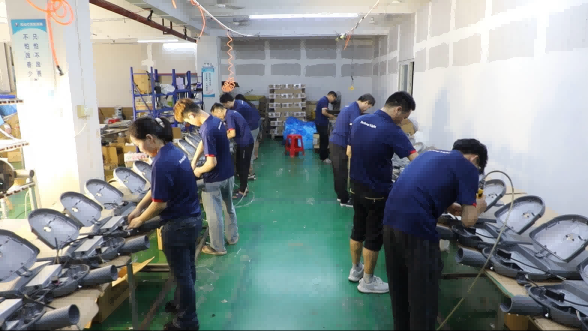
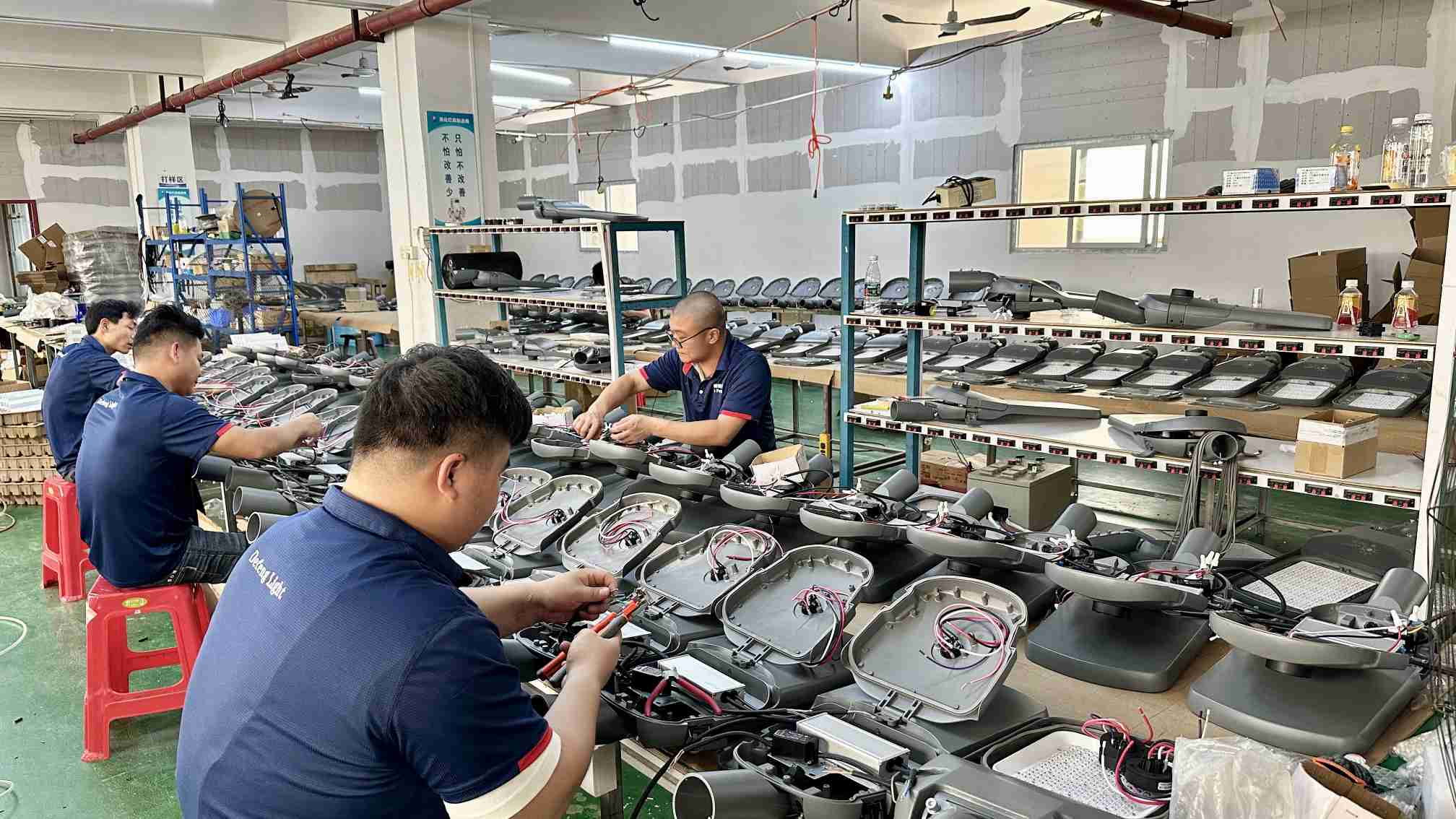
From raw material control to sub-component machining, automated epoxy potting, and multi-stage pressure testing, our factory maintains rigorous Quality Control (QC) standards at every workstation:
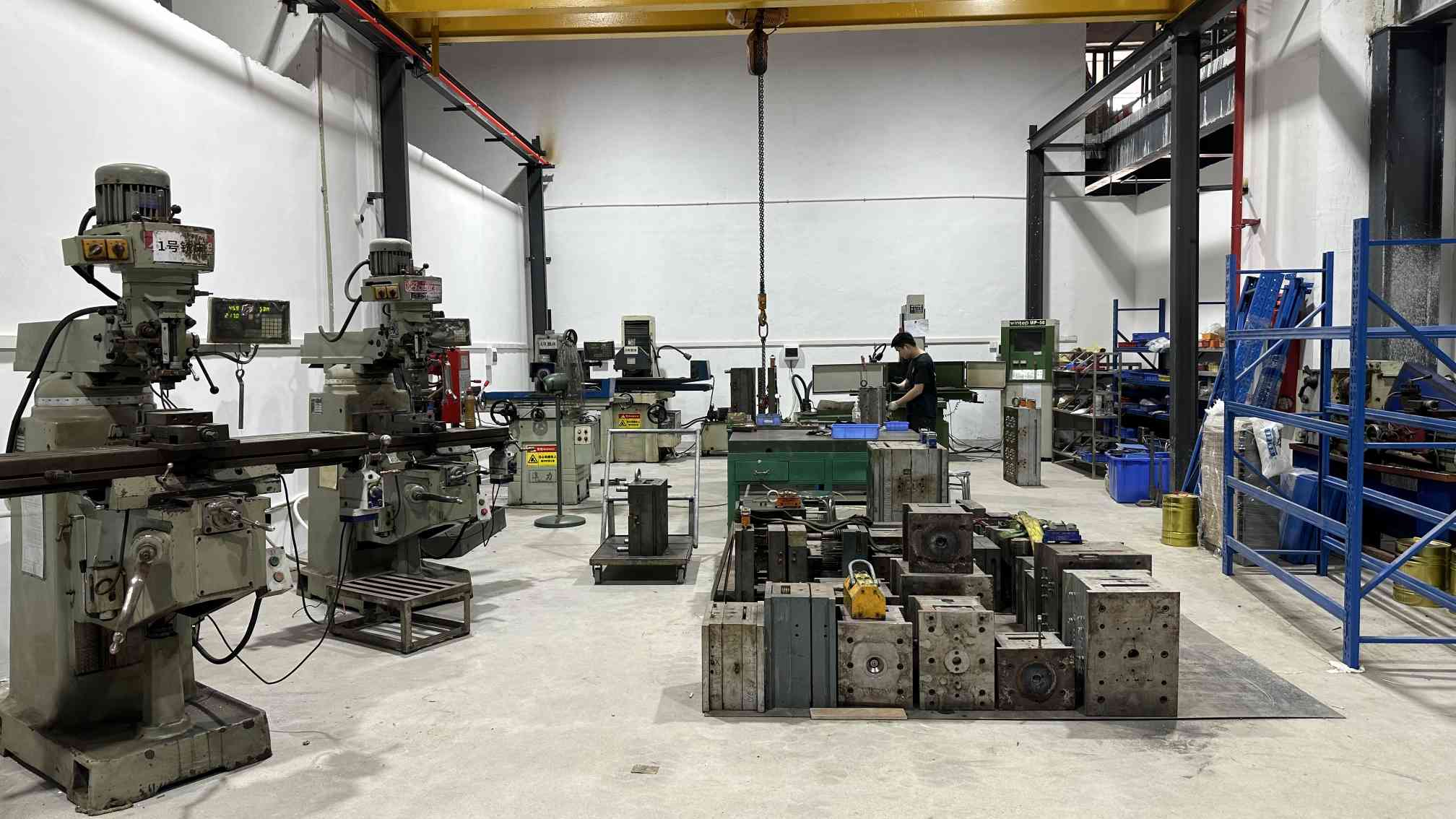
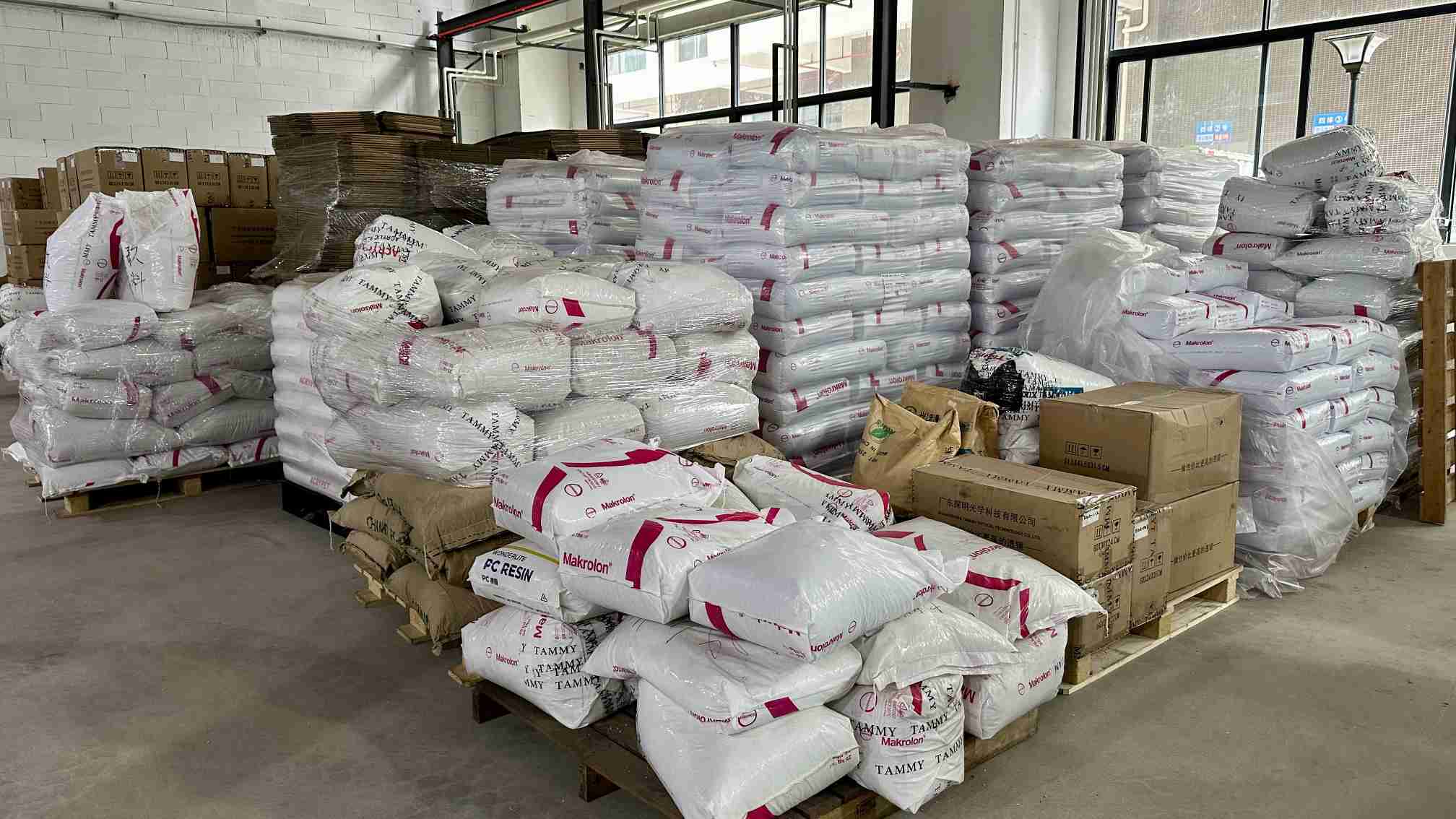
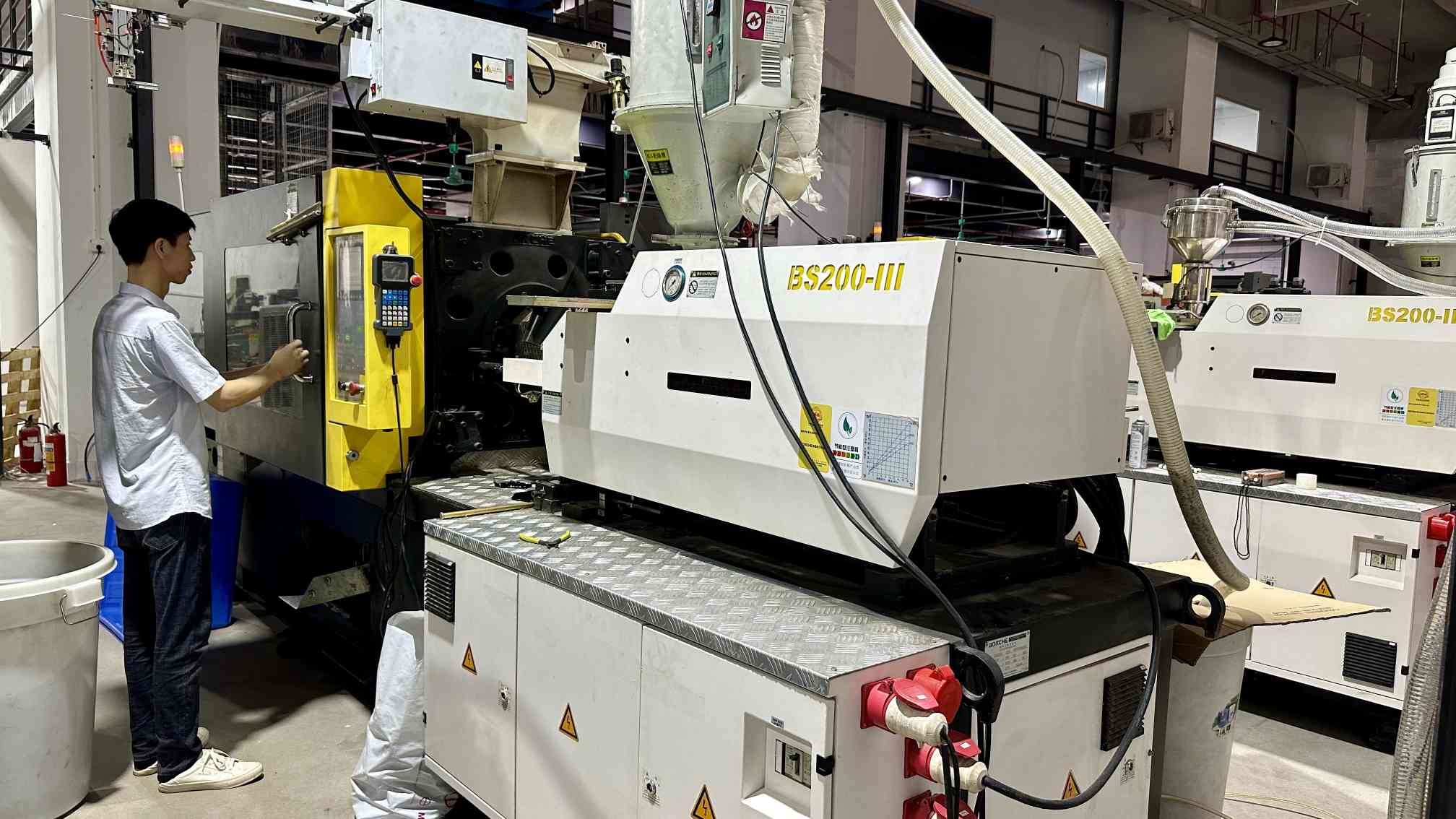
Outdoor lighting engineering must account for regional micro-climates, voltage grids, and regulatory compliance. Submersible and landscape fixtures deployed in Northern Europe face freezing cycles requiring elastic silicone potting resin, whereas installations in the Middle East demand heat tolerance up to 60°C ambient temperatures alongside sandstorm IP6X resistance.
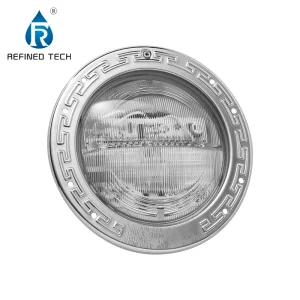
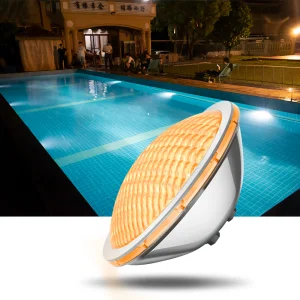
Resort installations require ultra-low voltage (DC12V/DC24V) combined with high CRI (Ra > 90) to reveal true tile textures and water clarity. Nicheless PAR56 replacements allow rapid retrofit without draining pools.
Continuous water movement and vibration require high-impact IK10 polycarbonate covers or Marine Grade 316L Stainless Steel faceplates to resist water hammer effects and chemical erosion.
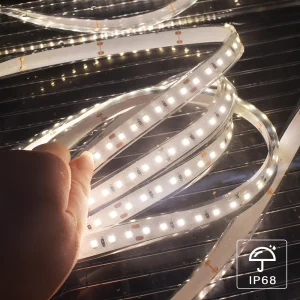
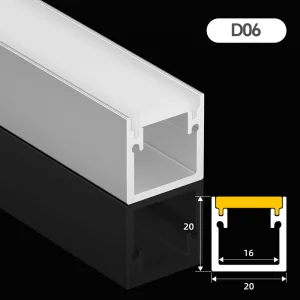
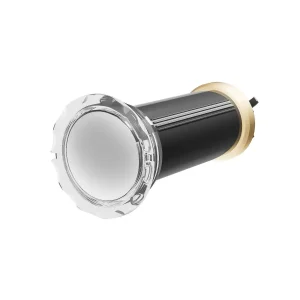
In-ground aluminum channels must incorporate IP67 linear drivers, anti-dazzle diffuser lenses, and pressure-resistant load ratings (up to 2,000 kg drive-over capacity) for plaza walkways.
Over the next five years, the outdoor LED lighting sector will see three critical technological evolutions:
Select from precision linear profiles, high-output PAR56 replacement lamps, and commercial-grade stainless steel underwater luminaires.