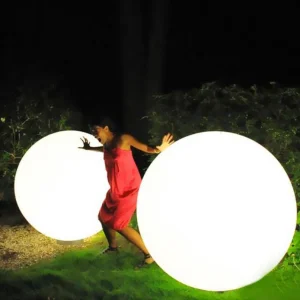
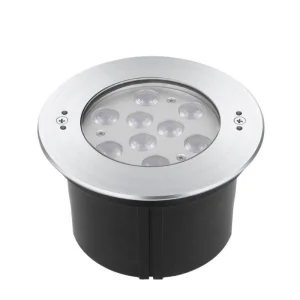
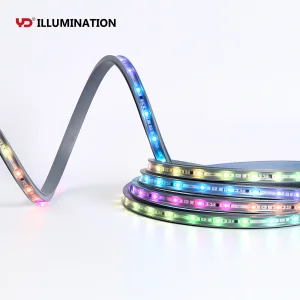
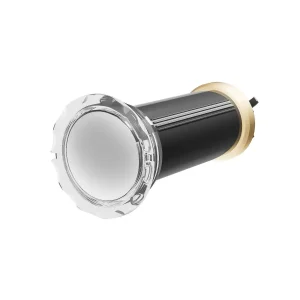
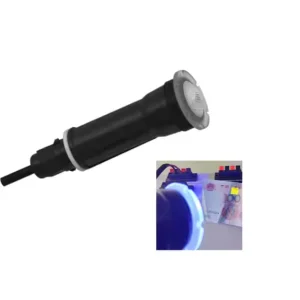
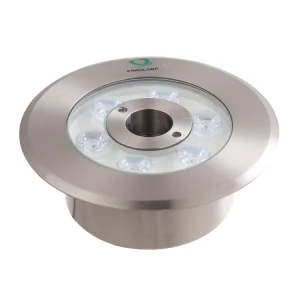
Engineered for continuous submersed environments and heavy industrial applications
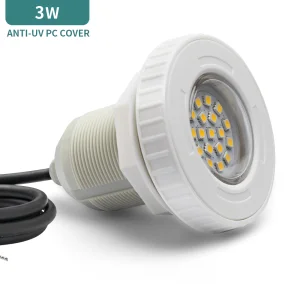
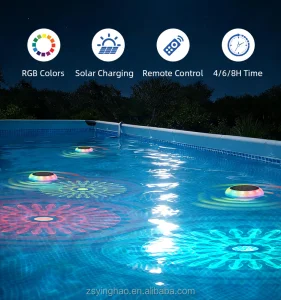
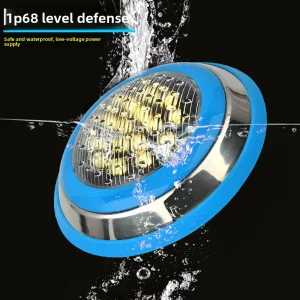
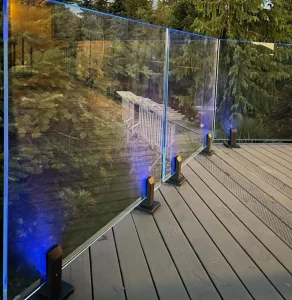
Architectural and underwater lighting systems have undergone a profound paradigm shift over the past decade. Historically relegated to utilitarian purposes, modern lighting design now demands a synergy of photometric precision, thermal resilience, and control integration. In commercial, residential, and municipal projects, the integration of solid-state linear solutions (LED strips) and submersed luminaires has transitioned from a design luxury to a fundamental engineering requirement.
This whitepaper explores the technological parameters that define top-tier submersed lighting systems, the complexities of engineering for continuous immersion, and how strategic manufacturing partnerships optimize supply chain resilience and local compliance.
The global demand for high-performance LED strip lighting and submersed pool lighting is experiencing accelerated growth, driven by key advancements in architectural integration and strict municipal safety standards. Historically, submersed lighting relied on power-intensive halogen or metal halide units, which suffered from high thermal output, brief operational lifespans, and complex maintenance cycles. Today, the global commercial sector mandates low-voltage, high-lumen, and dynamically controlled solid-state installations.
In hospitality and leisure spaces, swimming pools, spas, and water features are no longer isolated amenities; they are integrated into the holistic sensory environment. From luxury resorts in the Middle East to public urban parks in Europe, project specifications strictly prioritize systems that deliver high color rendering indices (CRI > 90), minimal chromatic deviation (measured within 3-step MacAdam ellipses), and native smart control protocol compatibility (DMX512, Dali-2, and wireless mesh networks).
Simultaneously, industrial safety regulations have tightened worldwide. The adoption of Class III Low Voltage (typically 12V AC/DC or 24V DC) is now a non-negotiable standard for any luminaire installed in occupied bodies of water. Underwriters Laboratories (UL), European Conformity (CE), and other national standards bodies have aligned their testing parameters to evaluate the long-term integrity of polymers and metallic alloys under constant exposure to pool chemicals, saline conditions, and variable mechanical pressures.
Utilizing high-grade aluminum cores and thermally conductive plastics to ensure junction temperatures remain low, extending diode life.
IP68 rated structural enclosures engineered with double-injection molding and custom polyurethane resins to eliminate water ingress.
Strict binning processes ensuring uniform color temperatures (CCT) and high CRI across massive manufacturing runs.
Deploying lighting systems globally requires adapting to diverse local environments. A standard fixture configured for a mild climate may fail rapidly when exposed to the distinct chemistry and environmental factors of another region.
In coastal developments (e.g., Mediterranean resorts or Florida coastal properties), salt spray and submersed saline conditions act as aggressive catalysts for galvanic corrosion. Under these circumstances, standard 304 stainless steel is insufficient. We design our premium submersed fixtures using AISI 316L Marine-Grade Stainless Steel, which contains molybdenum to dramatically resist pitting and crevice corrosion caused by chloride ions. Furthermore, the polymer extrusions of our flexible LED strips are formulated with UV-stabilized, non-yellowing polyurethane resins that resist both high solar radiation and saline water decomposition.
In regions like the GCC (Gulf Cooperation Council), outdoor pools and water features experience extreme ambient temperatures, which can raise water temperatures above 35°C (95°F). Standard LEDs, if poorly engineered, will suffer from thermal runaway, causing rapid lumen degradation and color shifting. Alter Light mitigates this through localized thermal simulations. We implement thicker PCB copper weights (up to 3oz) and encapsulate our LED strips in thermal-conductive silicones that rapidly dissipate heat from the diodes to the surrounding water, ensuring the junction temperature remains safely below the maximum limit.
Conversely, in northern European and North American climates, municipal pools and outdoor architectural installations face freezing cycles. The mechanical expansion of freezing water exerts immense pressure on structural fixtures. Our nicheless pool lights and flexible linear strips are tested to survive thermal cycling between -20°C and +50°C. We design structural flexibility into the housing joints, allowing the materials to expand and contract without compromising the watertight hermetic seal.
The future of submersed and architectural linear lighting lies at the intersection of automation, control intelligence, and environmental sustainability. Alter Light’s R&D department is actively executing a technical roadmap that anticipates the upcoming standards of the industry:
Shenzhen is globally recognized as the epicenter of optoelectronic research, development, and manufacturing. Operating from our state-of-the-art facility, Shenzhen Alter Light Co., Ltd. leverages this geographically concentrated ecosystem to deliver unmatched supply chain advantages:
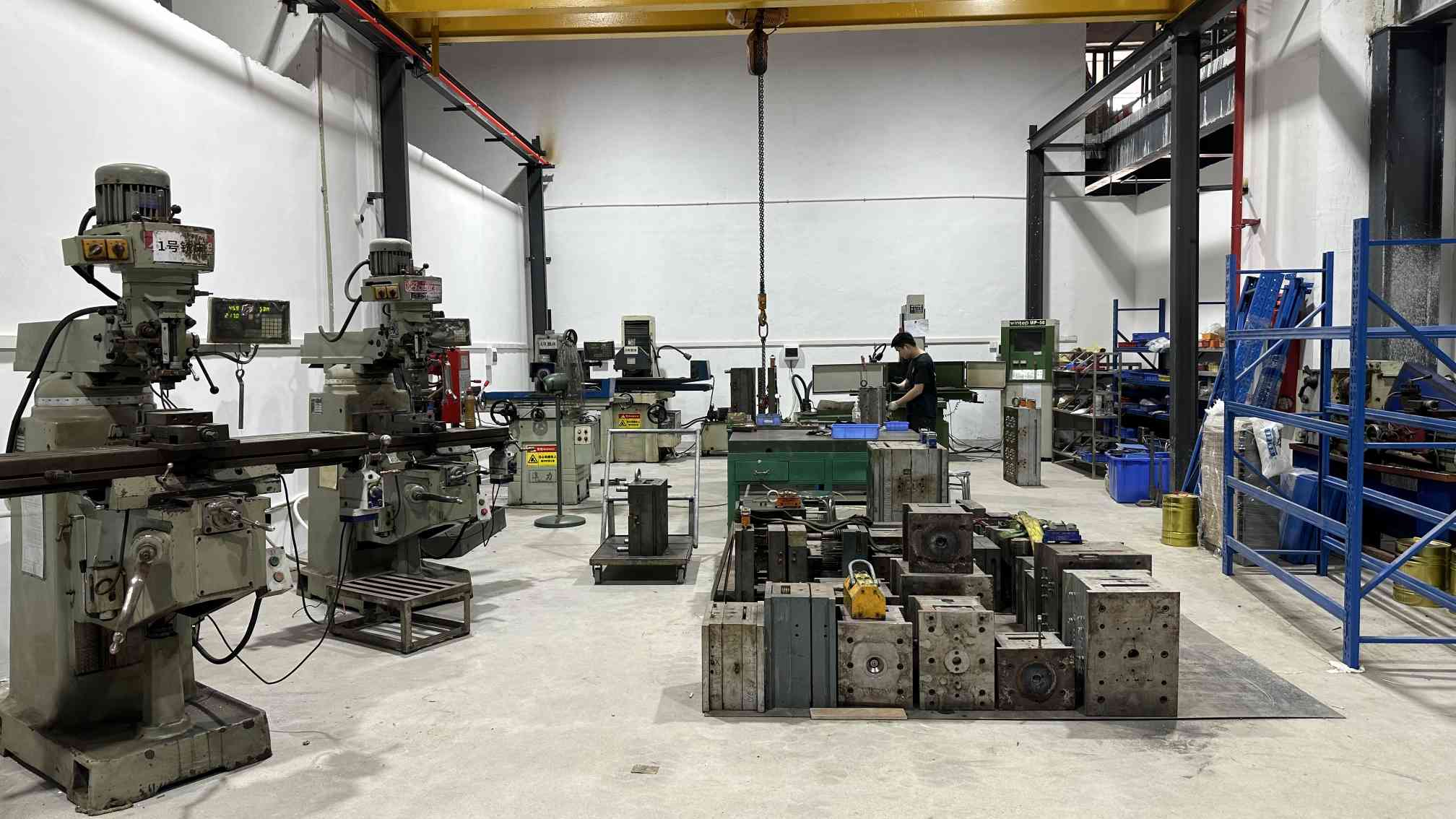
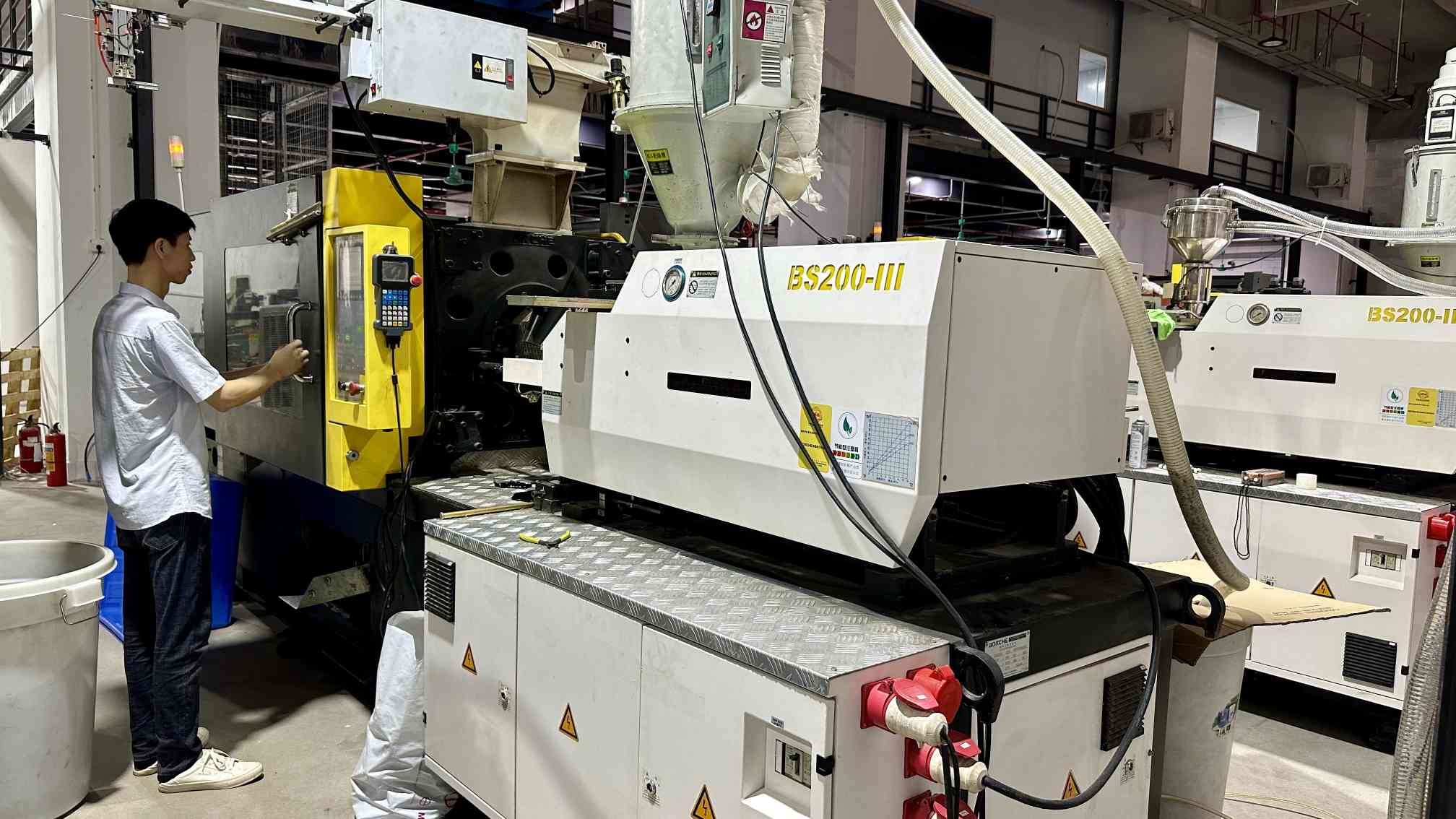
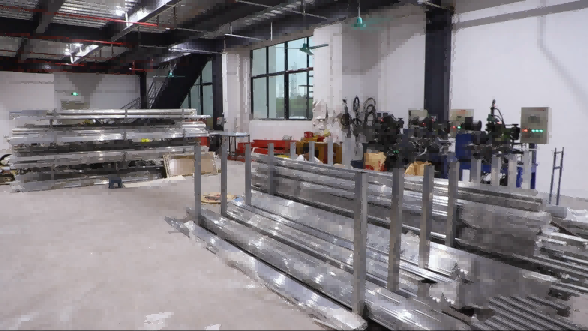
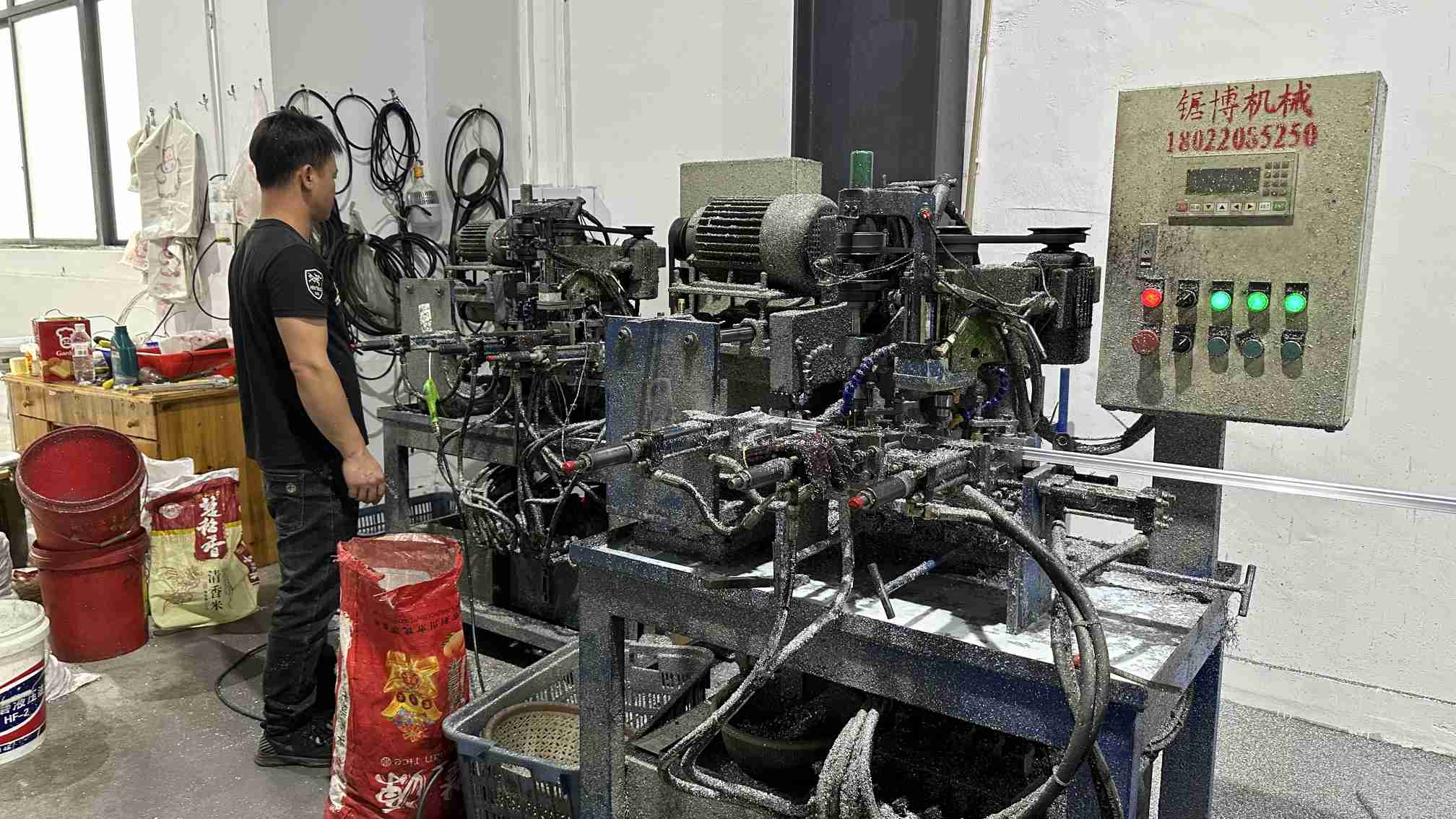
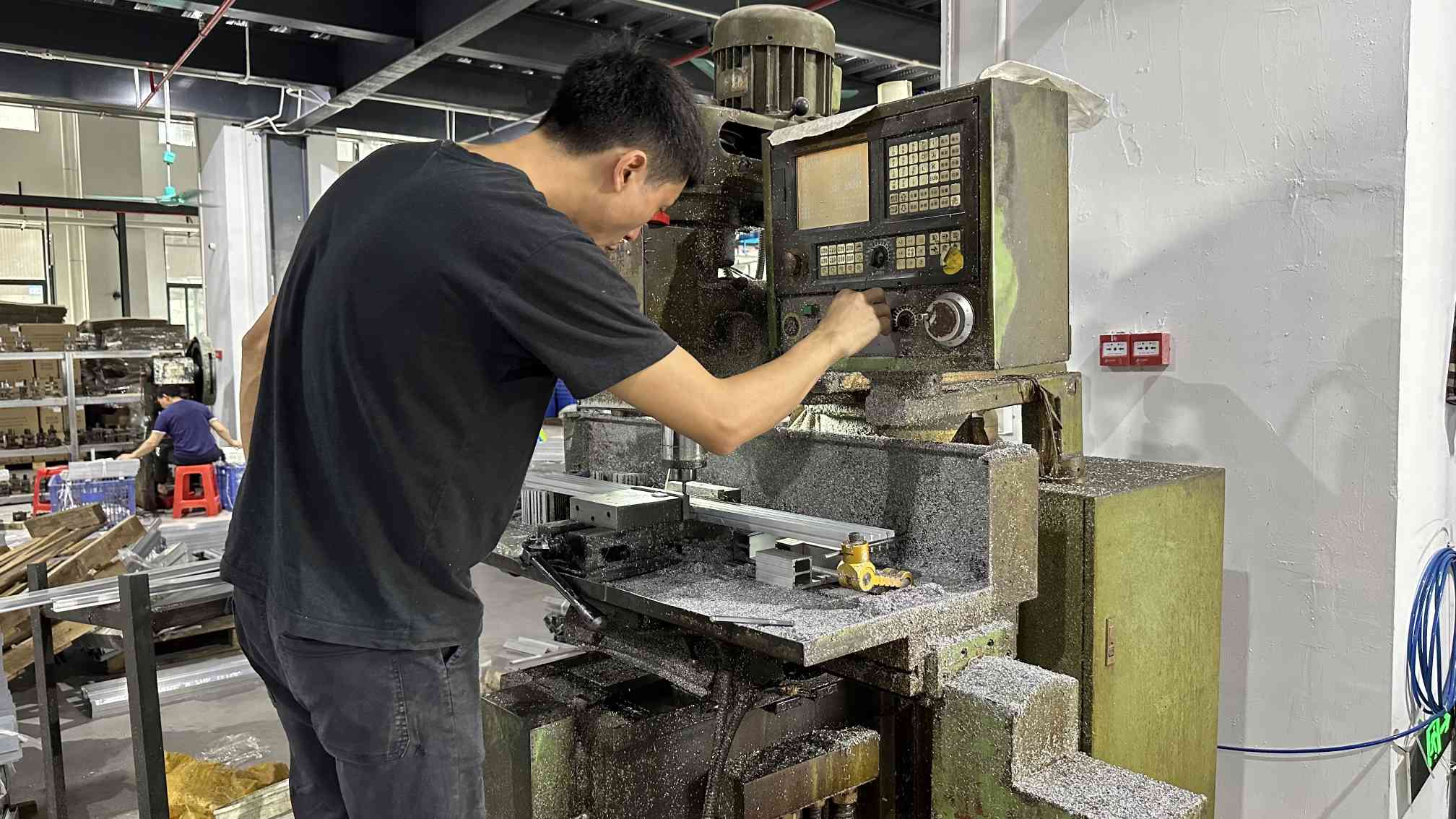
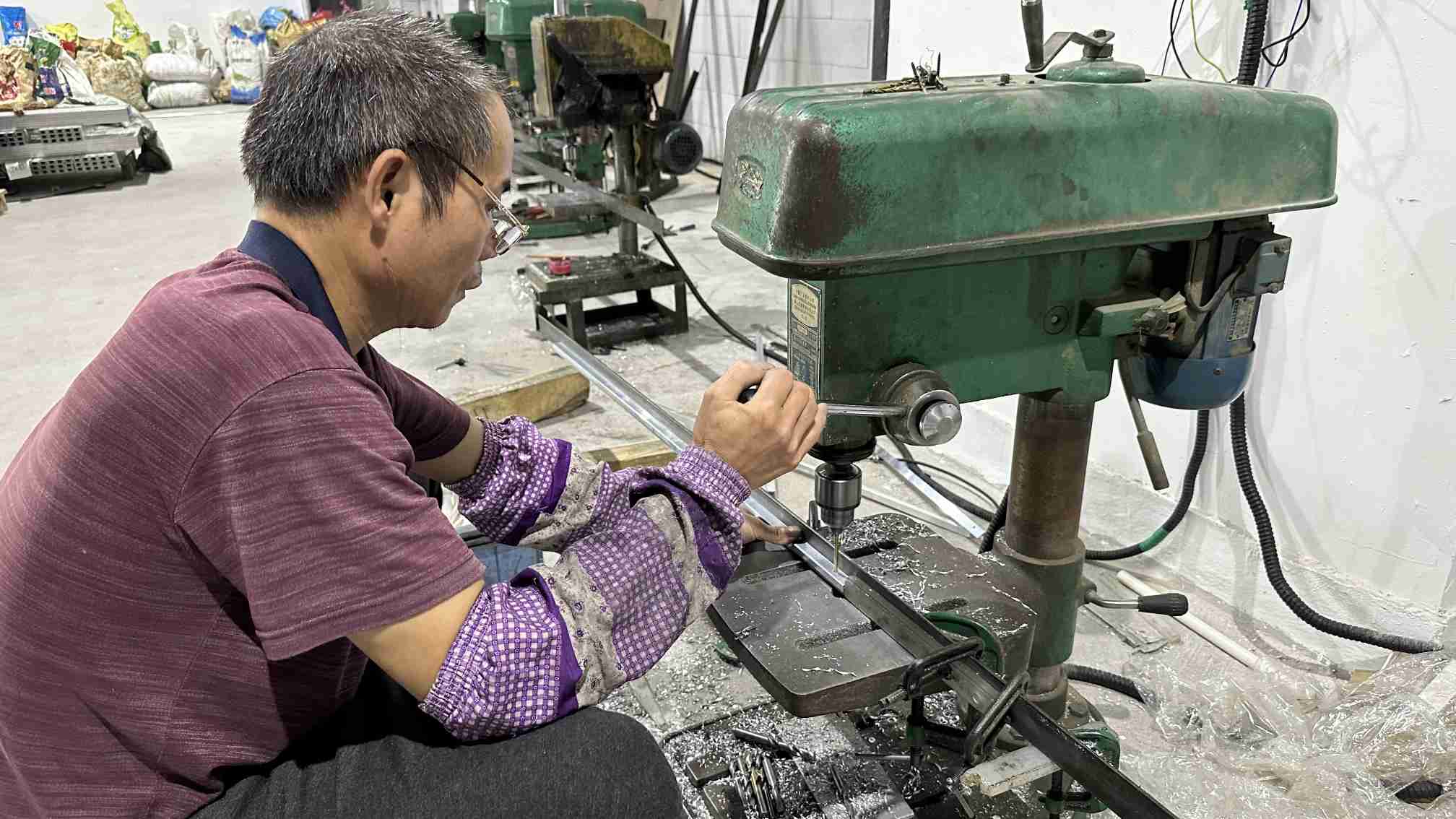
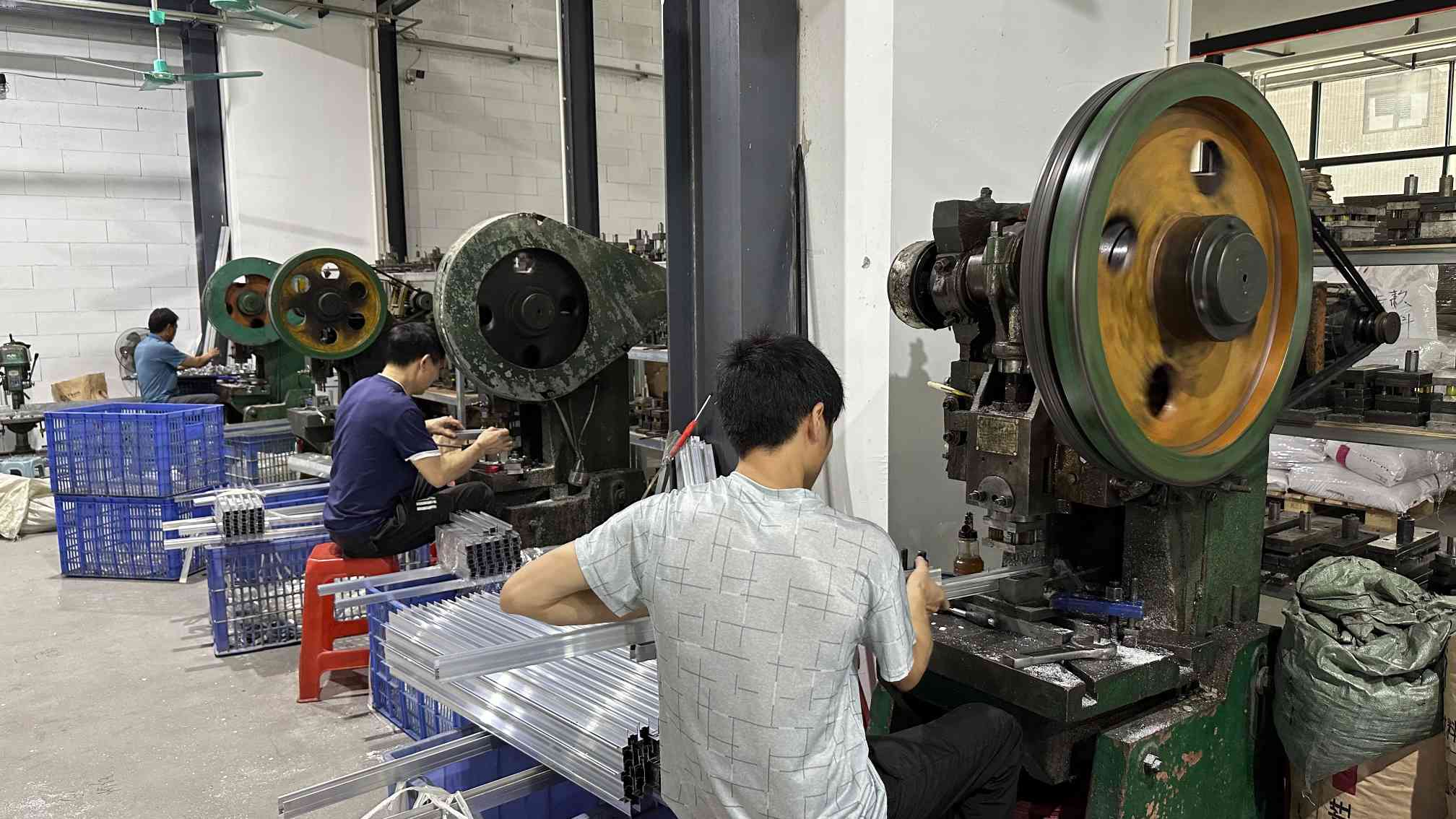
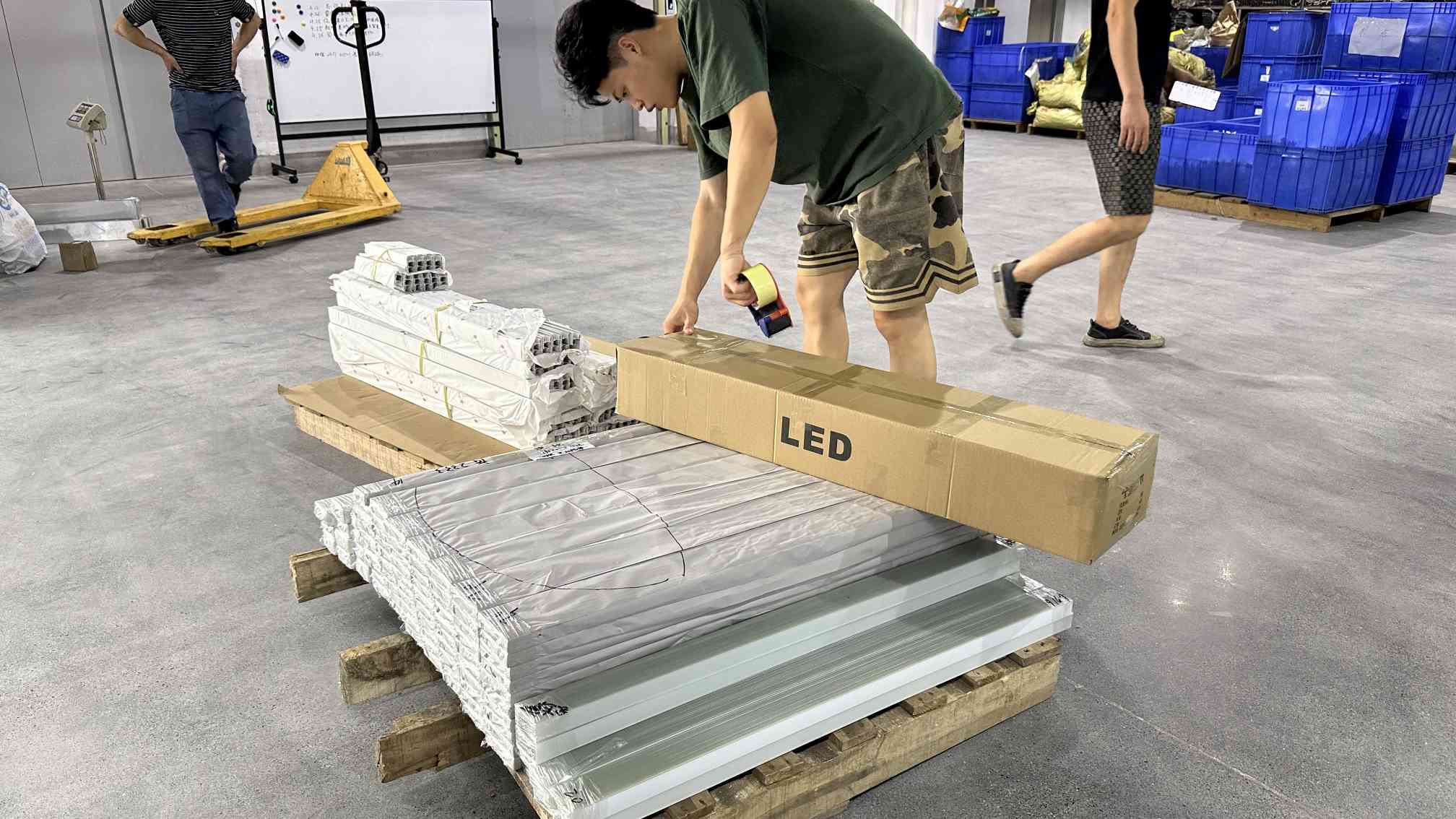
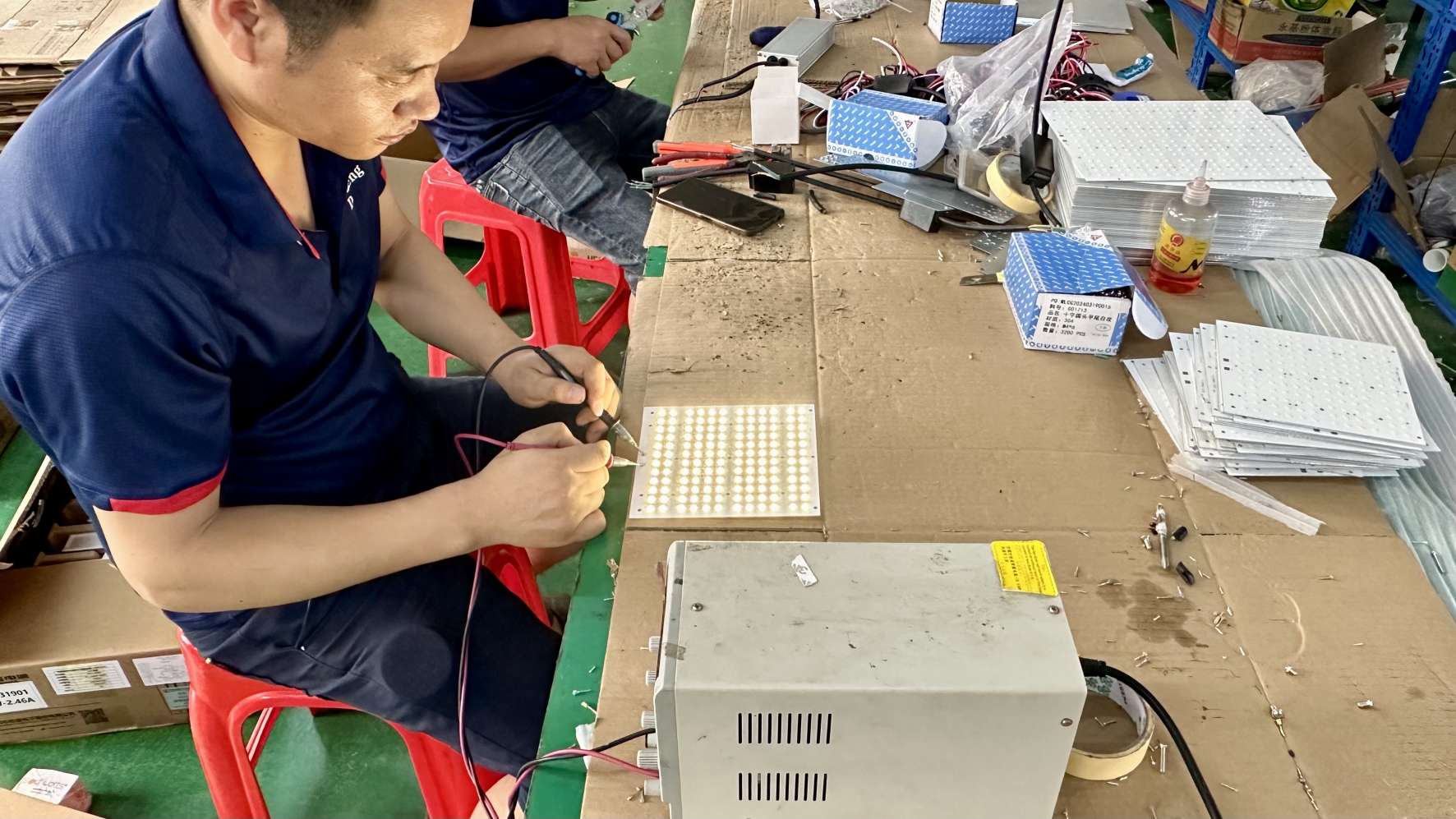
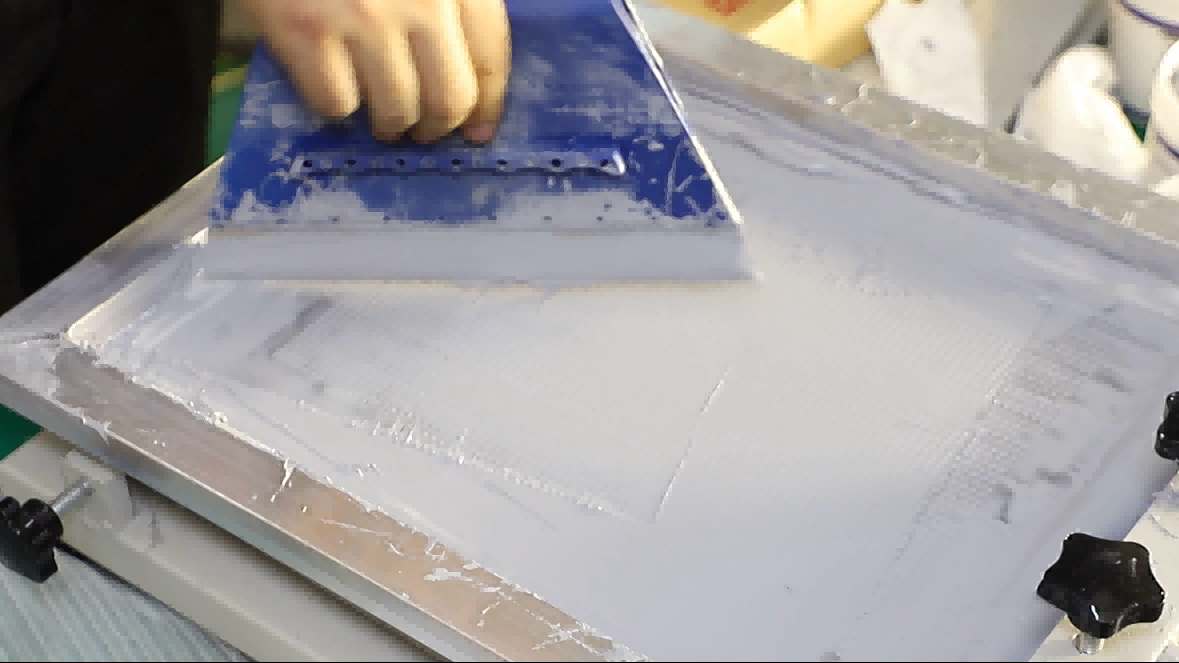
Unlike fragmented suppliers, our operations feature vertical integration. From in-house tool design and precision plastic injection molding to aluminum extrusion cutting, CNC milling, automated gluing, and final assembly, every phase is executed under strict oversight. This localized control minimizes the standard deviations commonly introduced by outsourcing and enables us to maintain shorter lead times even during global supply chain disruptions.
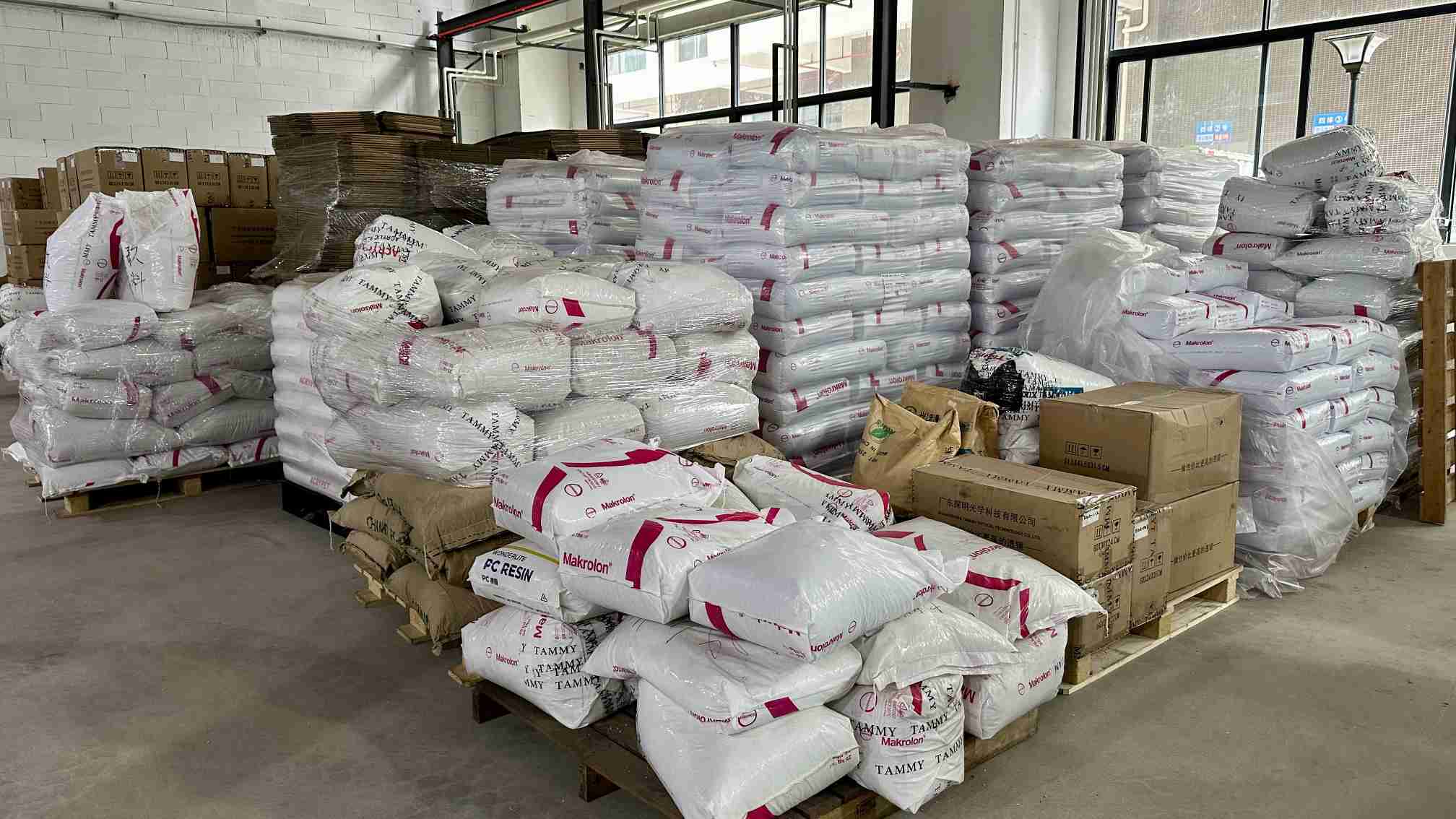
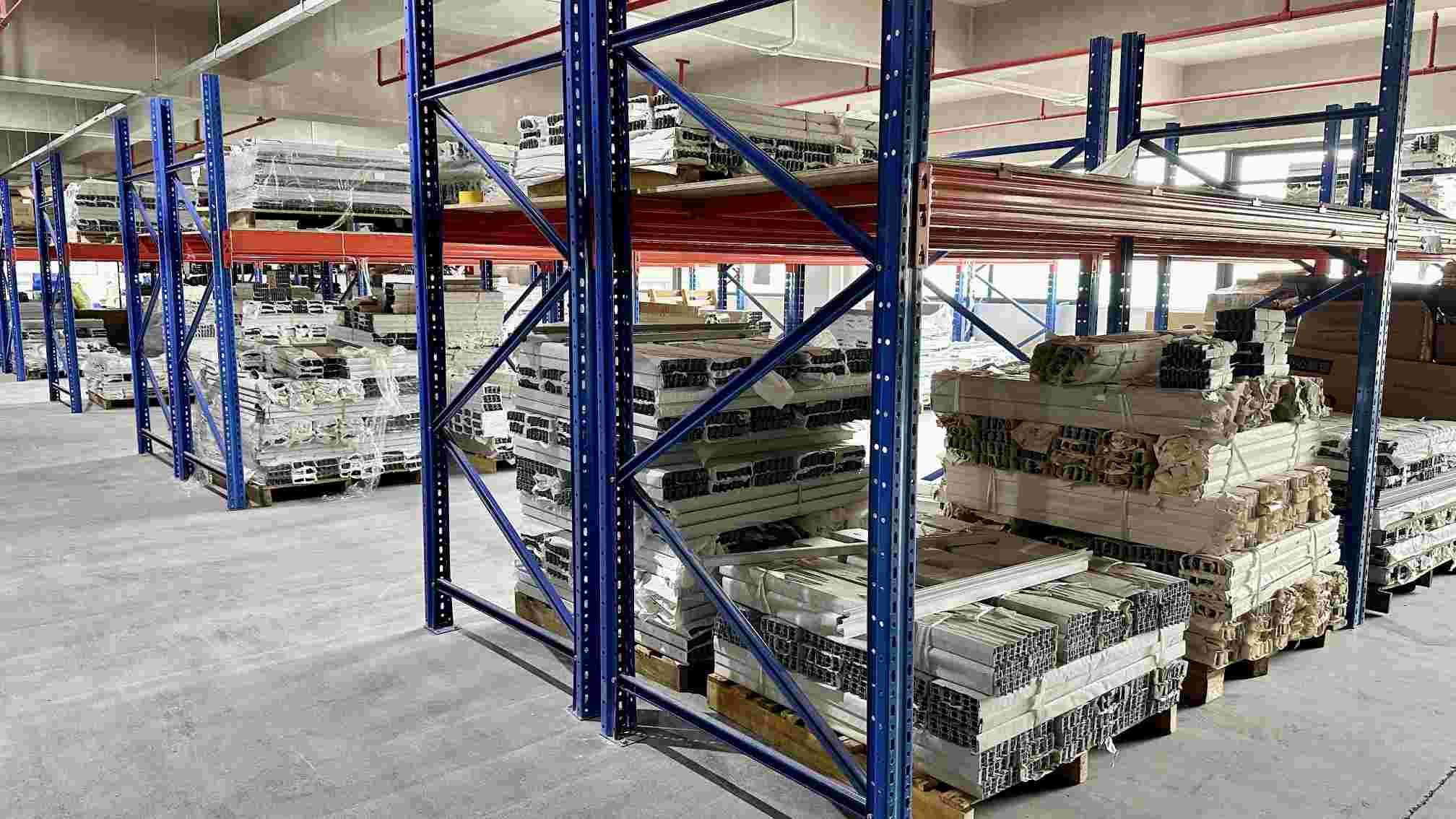
Furthermore, our facility maintains active strategic reserves of key raw materials (including marine-grade stainless steel, UV-stabilized polycarbonate granules, and high-purity copper-core PCBs). By combining robust inventory practices with automated assembly systems, we shield our global distributors and OEM partners from price volatility and delivery delays, ensuring consistent project timelines.
Shenzhen Alter Light Co., Ltd. is a leading manufacturer in the swimming pool lighting industry. We are not only a production facility, but also an innovation-driven company integrating advanced technology, product development, and quality manufacturing. With a highly experienced R&D team and a strict quality assurance department, we are able to provide complete lighting solutions for swimming pools and underwater environments. Our focus is on combining safety, durability, energy efficiency, and modern design to deliver reliable lighting systems for global customers.
All underwater lighting products are designed to meet high protection standards such as IP68 waterproof rating. Our patented sealing and thermal management technologies ensure long-term stability and safety in harsh underwater environments. We also offer synchronized color control systems (including 2-wire and smart control solutions), enabling seamless lighting effects across multiple fixtures, making pools and water features more dynamic and visually appealing.
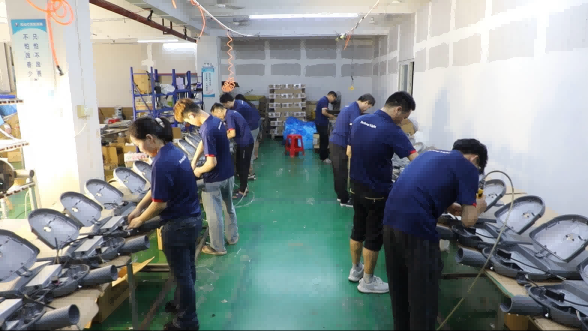
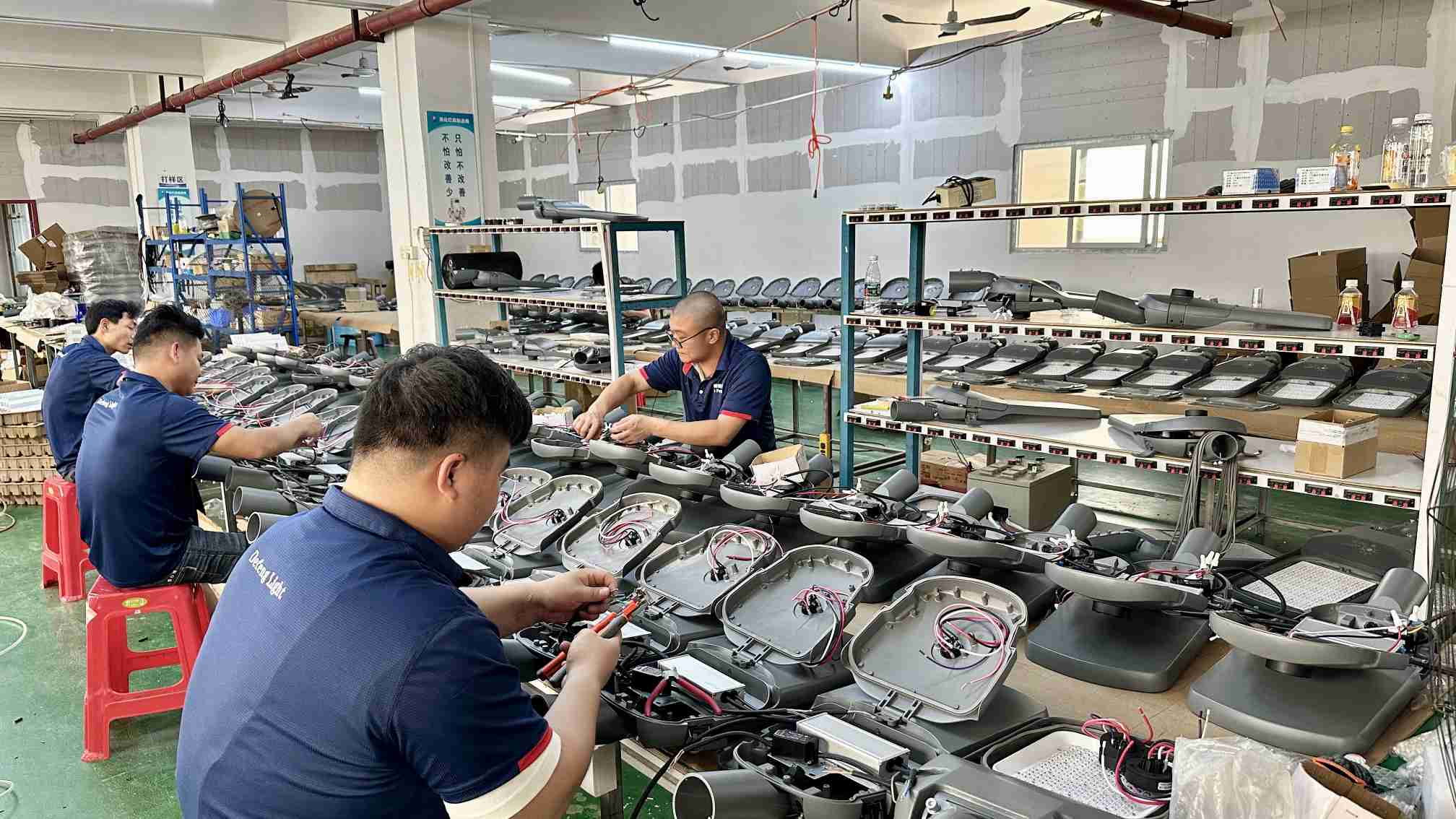
Shenzhen Alter Light Co., Ltd. serves customers worldwide, with a strong market presence in Europe, North America, South America, the Middle East, and Asia-Pacific regions. Our products are widely used in residential pools, hotels, resorts, public water facilities, fountains, and landscape projects. We welcome OEM and ODM partnerships as well as regional distributor collaborations. Our flexible manufacturing system allows us to support customized designs, private labeling, and project-based lighting solutions.
We support global design engineering firms by aligning our production processes to comply with local certifications. Every product batch undergoes safety testing, including insulation resistance tests, leakage current tests, and IP68 pressure chamber tests. At Shenzhen Alter Light Co., Ltd., we believe in a win-win cooperation philosophy. We are committed to delivering high-quality products, competitive pricing, and reliable long-term service to our global partners.
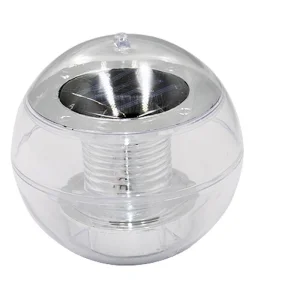
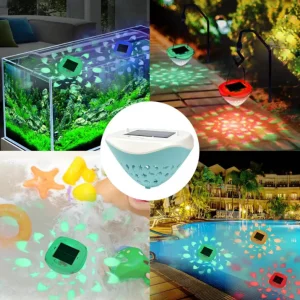
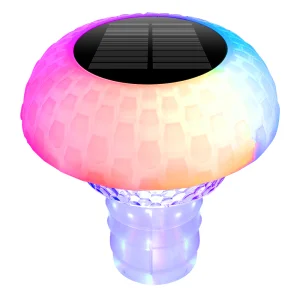
Architectural accents, floating solar fixtures, and heavy-duty structural lighting