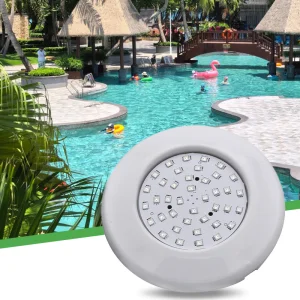
Engineered for structural durability, optimal luminous efficacy, and high protection ratings across commercial, industrial, and aquatic installations.
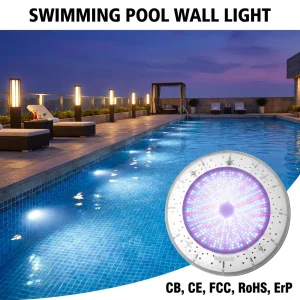
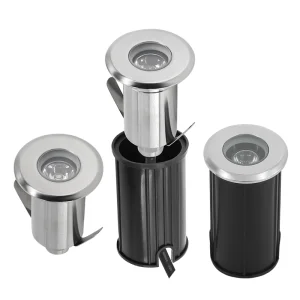
Exploring decarbonization trends, energy integration, and structural safety requirements across the modern architectural lighting sector.
In the contemporary B2B commercial building sector, exterior envelope planning relies heavily on robust, high-lumen, and efficient exterior wall fixtures. LED wall pack lighting stands at the absolute intersection of facility safety, perimeter protection, energy compliance, and aesthetic value. From massive logistics distribution centers to luxury resort complexes and high-ingress municipal swimming arenas, the selection of wall-mounted and wet-location illumination systems dictating daily operating expenses and safety assurance.
Globally, environmental regulatory frameworks (such as Title 24 in California and building energy performance standards in the European Union) have transformed wall-mounted lighting from basic illuminative fixtures to intelligent nodes. Present-day projects demand not only photometrically optimized lumen distributions but also seamless integration with Building Automation Systems (BAS). Low-voltage operations (12V/24V) combined with high environmental resistance grades (IP65 to IP68 underwater ratings) ensure that exterior assets can withstand climatic shifts, salt spray, chemical pools, and heavy precipitation without compromise.
We supply turnkey photometric layouts and fixture selection maps designed to decrease localized hot-spots, mitigate light pollution (Dark Sky Compliance), and achieve maximum lighting uniformity ratios for industrial zones.
Integrating architectural perimeter illumination with localized wet-area lighting (such as inground pools, water features, and spa facilities) requires precise, marine-grade materials to prevent chemical corrosion and water ingress.
Focusing on safety under wet-location scenarios, our low-voltage AC/DC 12V driver technology isolates current pathways, providing hazard-free operation even in the case of mechanical impact or enclosure damage.
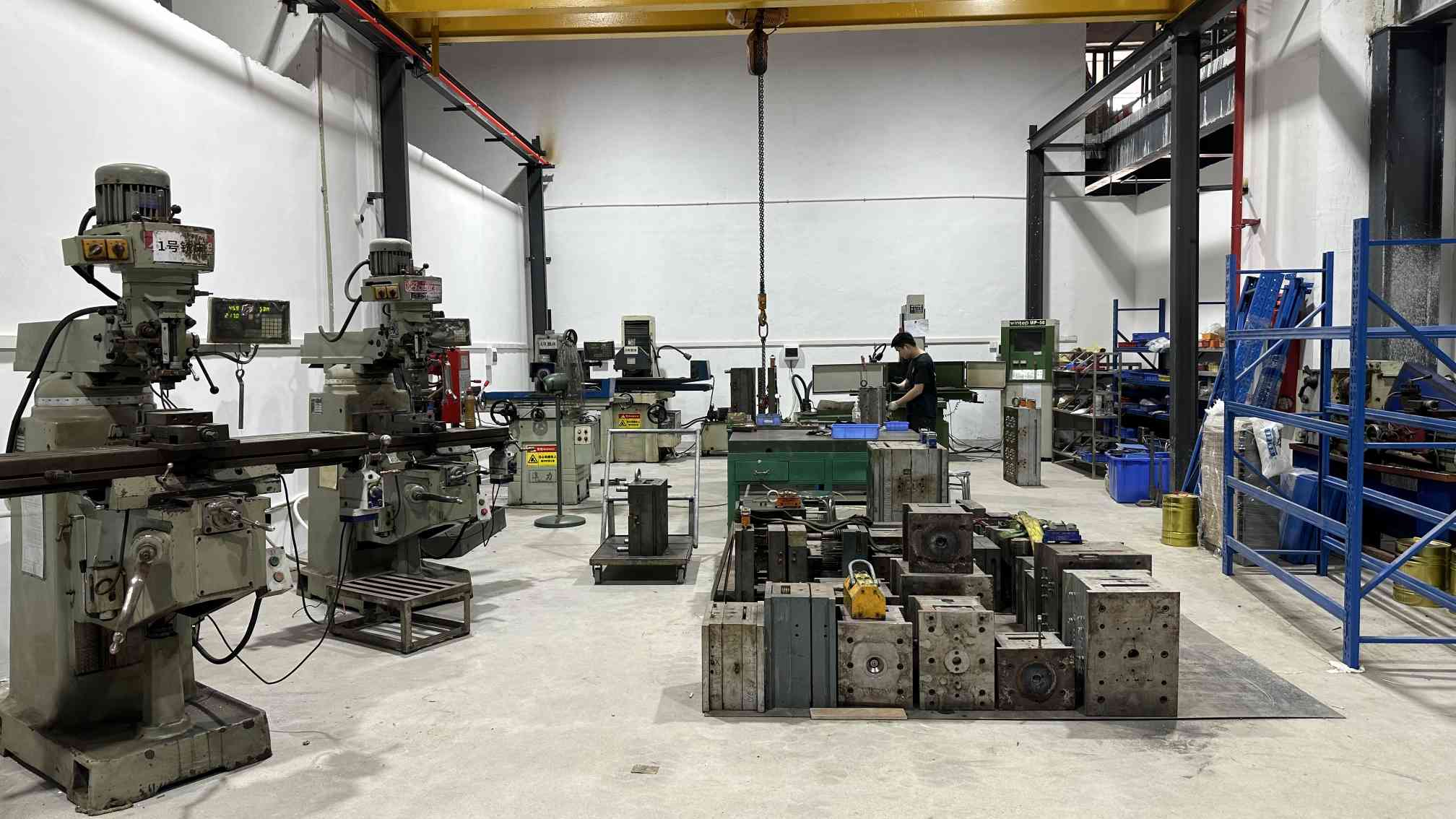
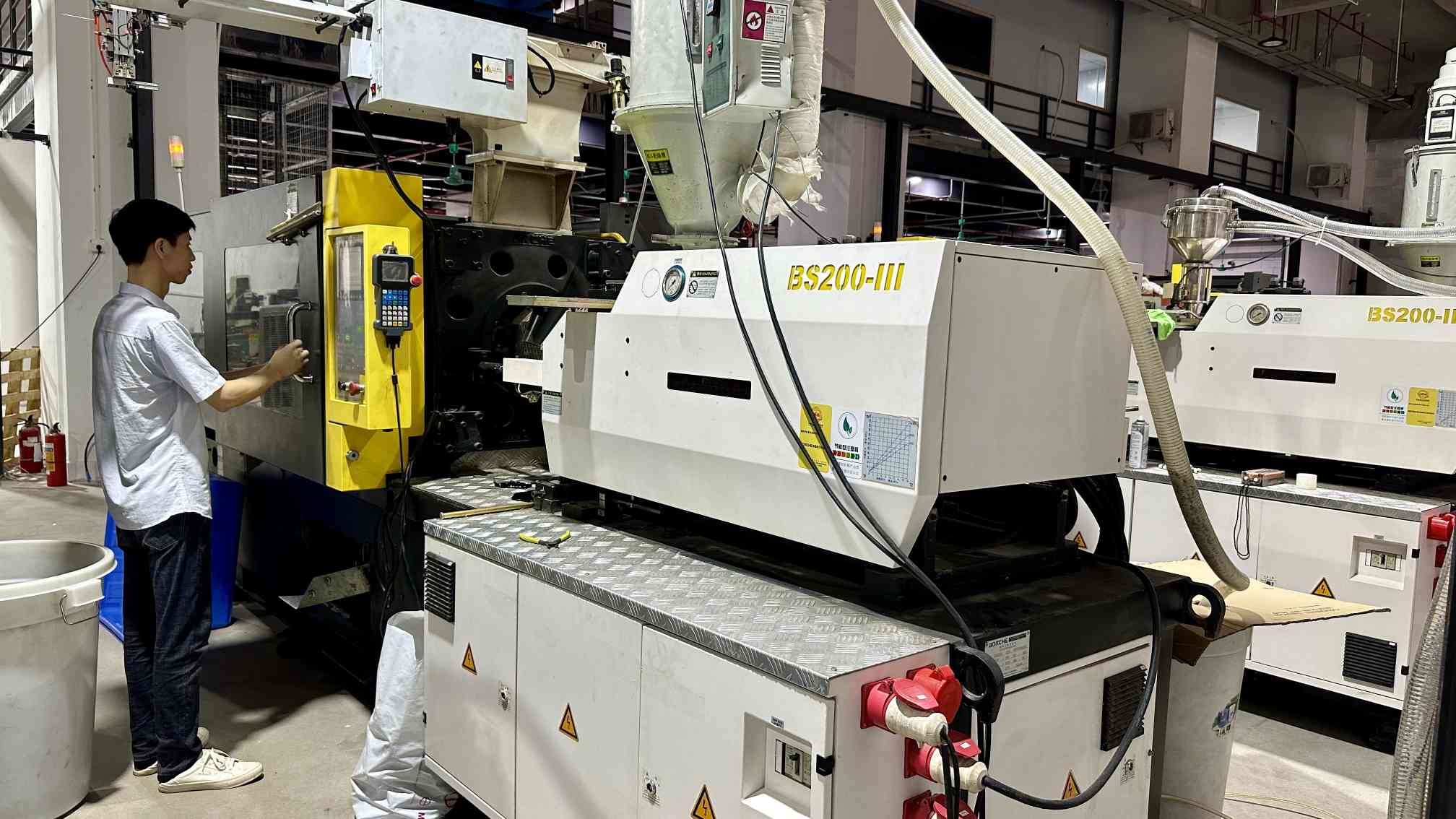
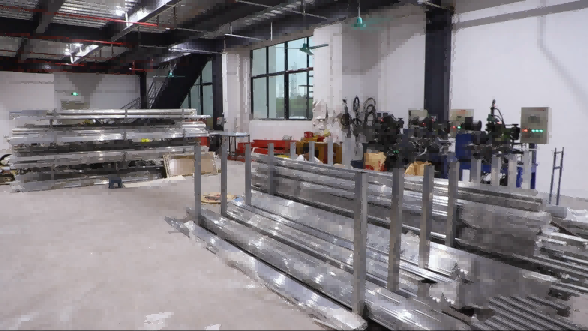
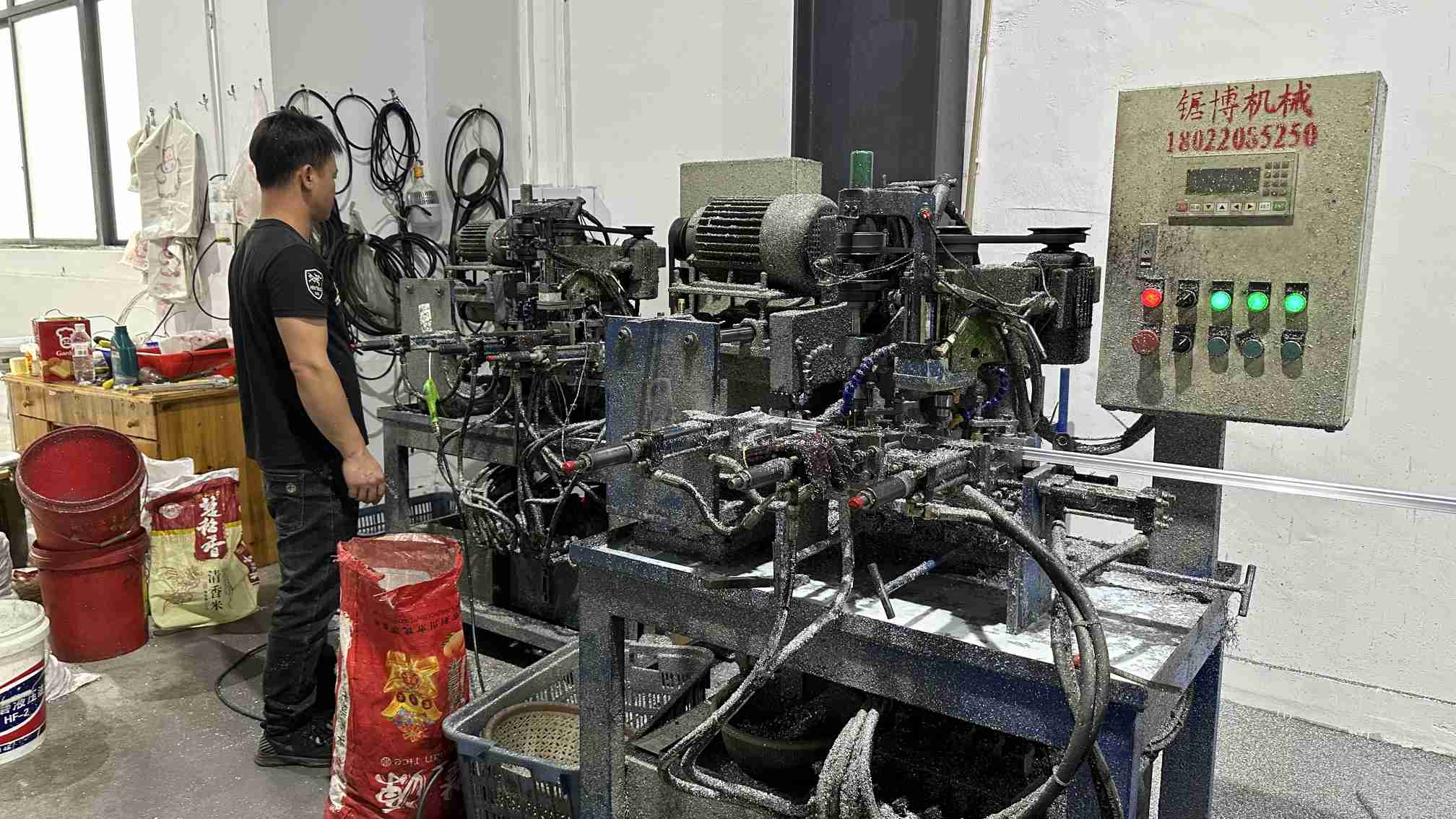
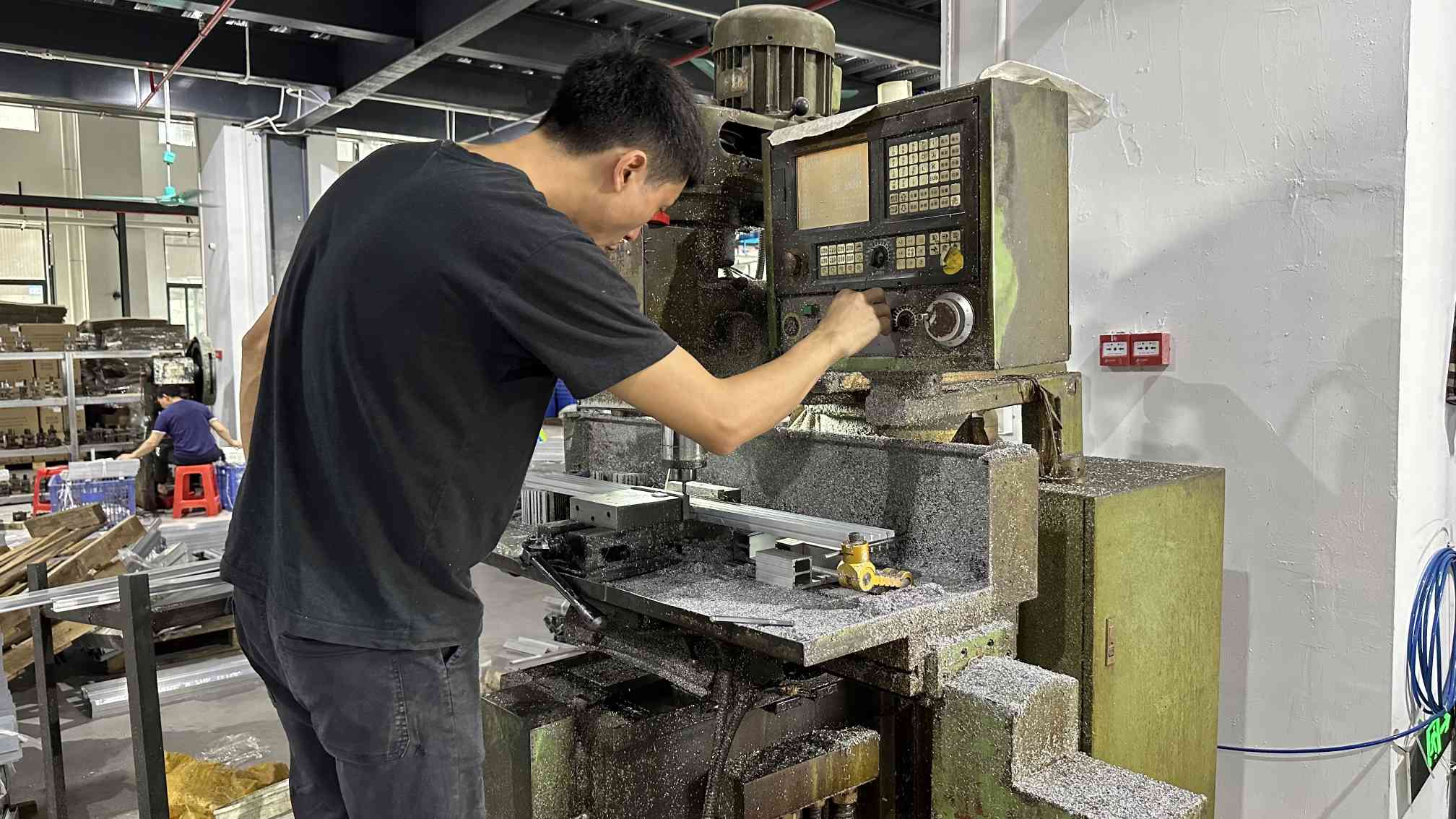
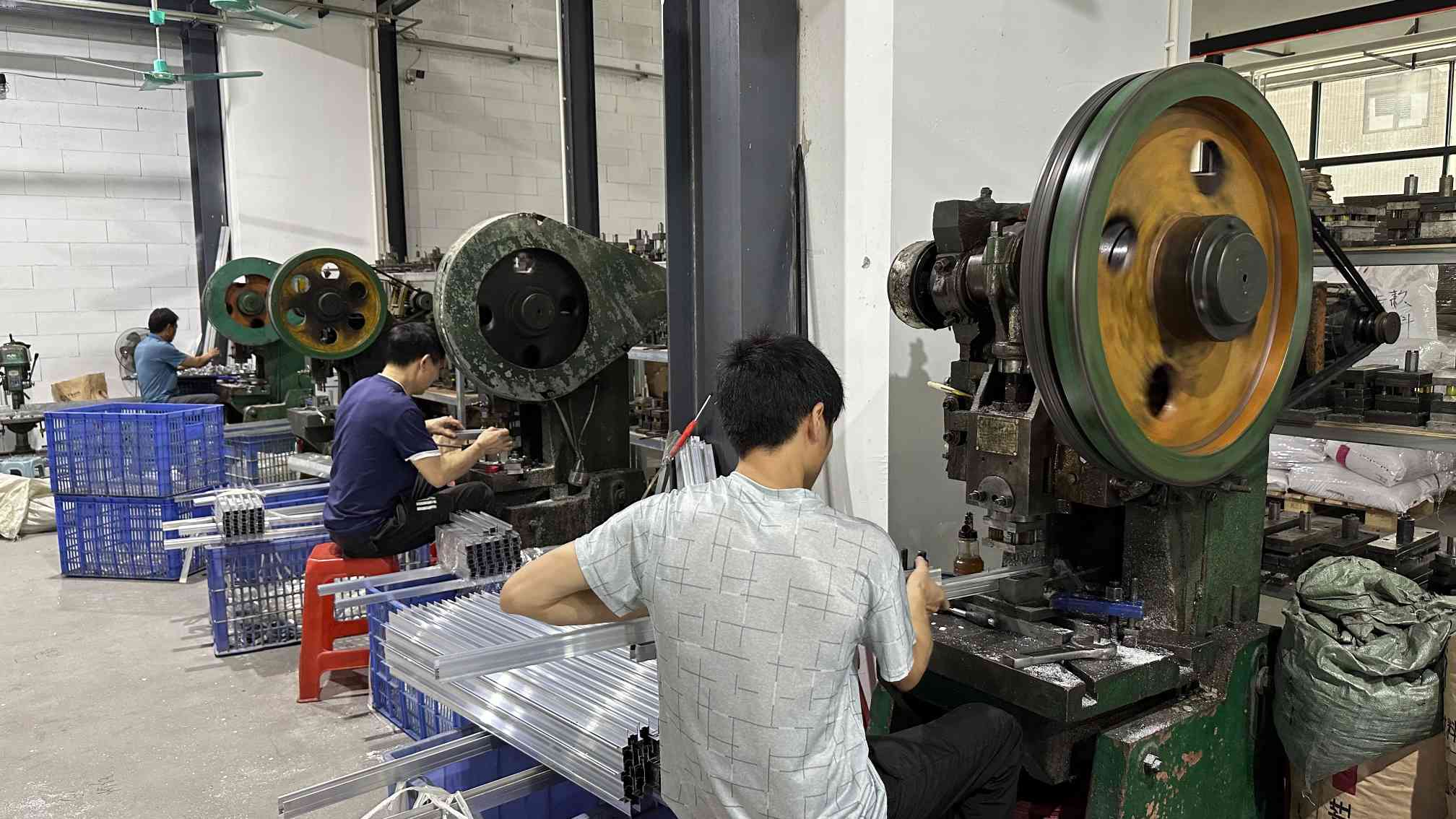
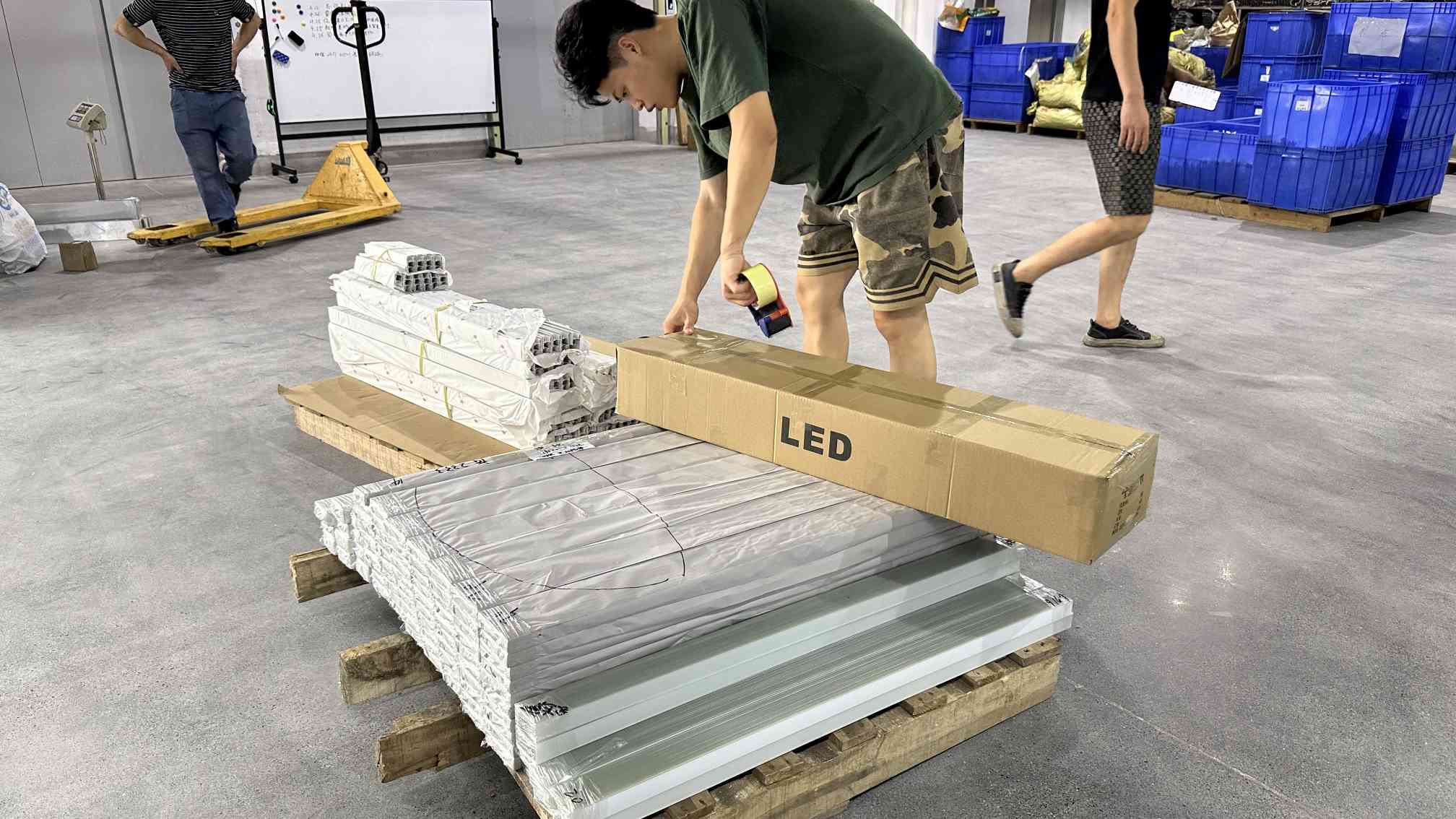
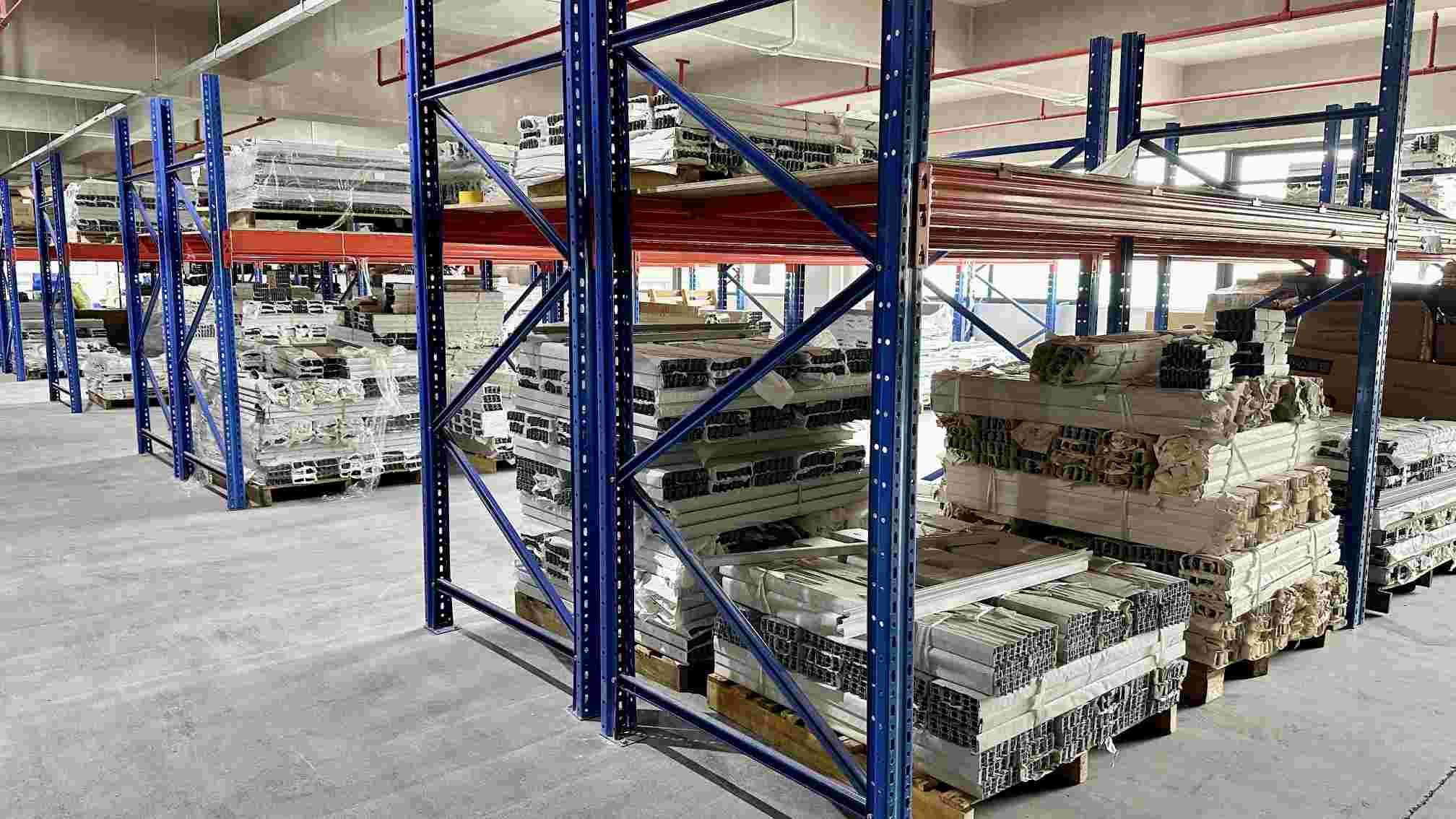
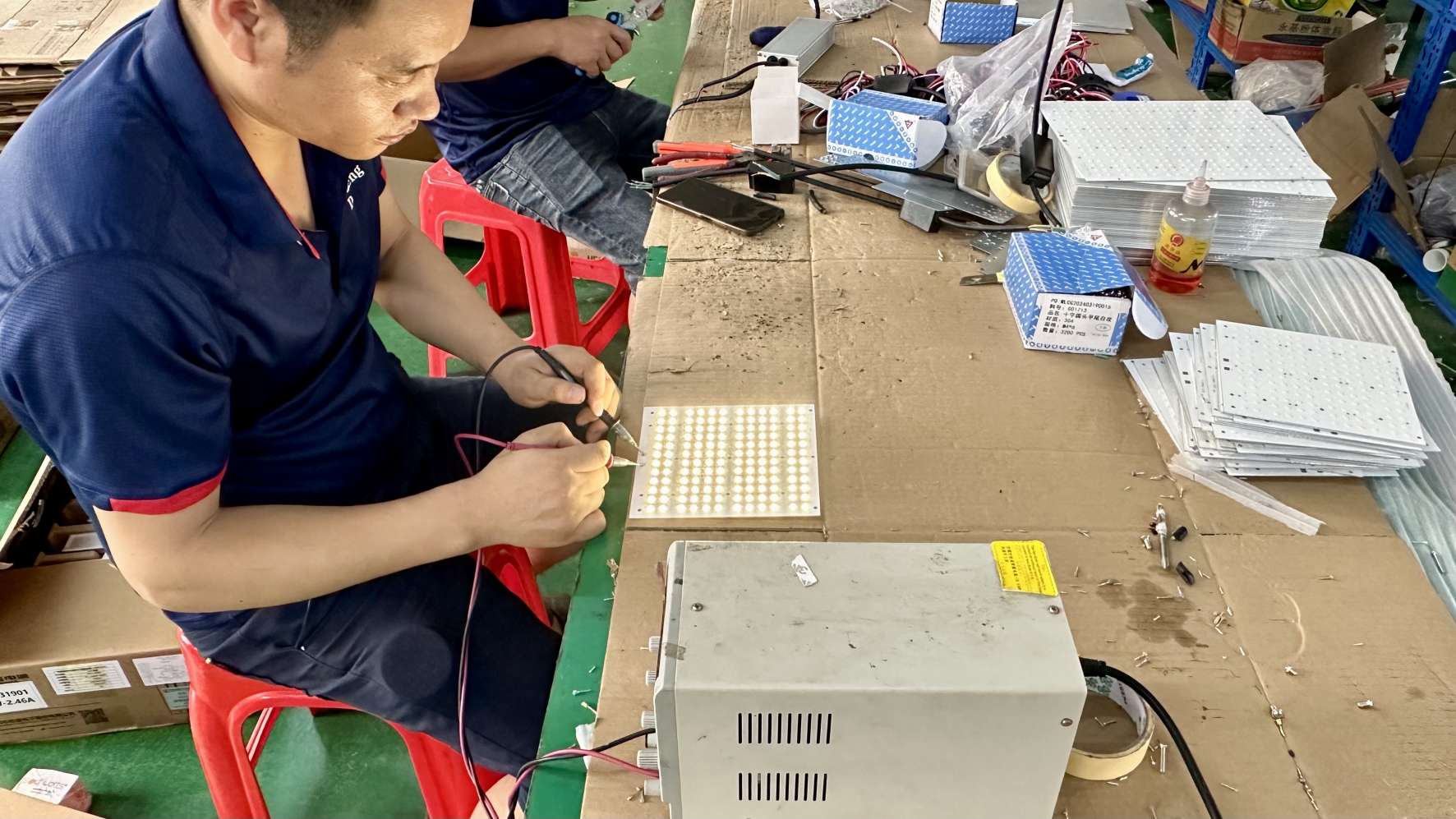
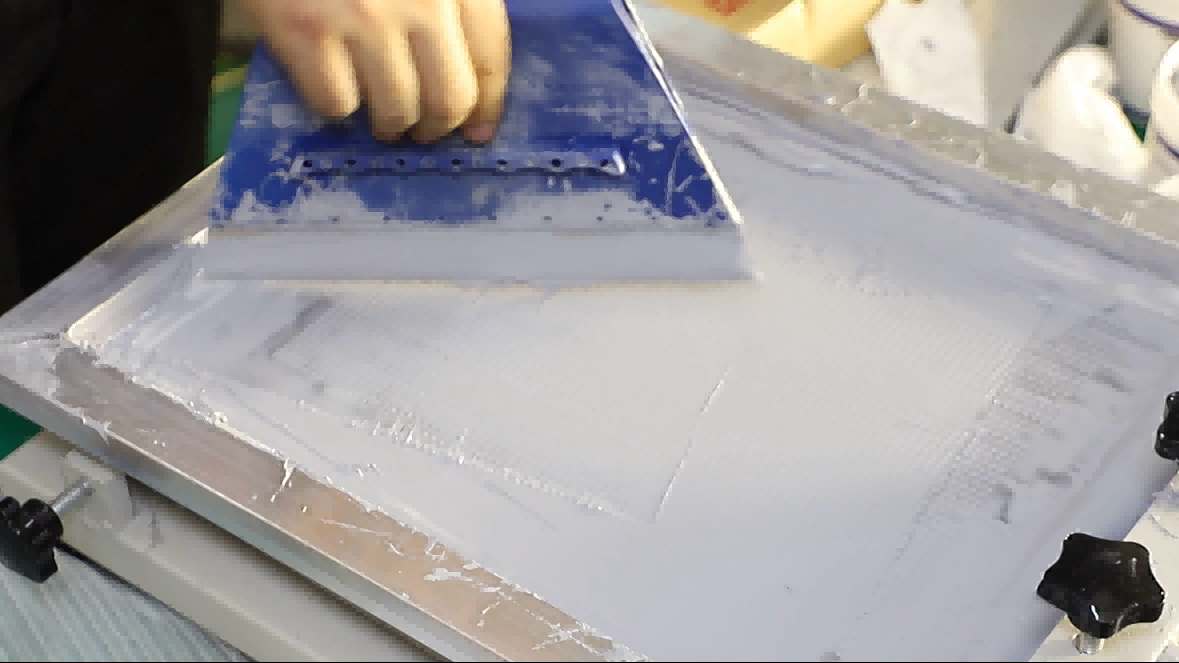
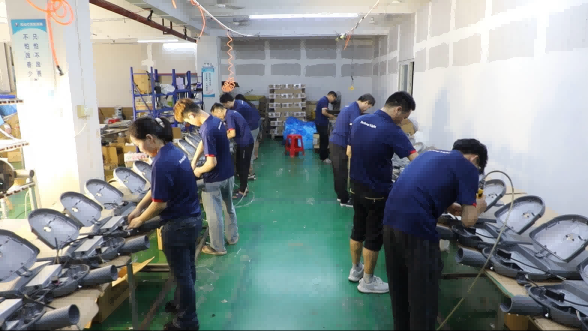
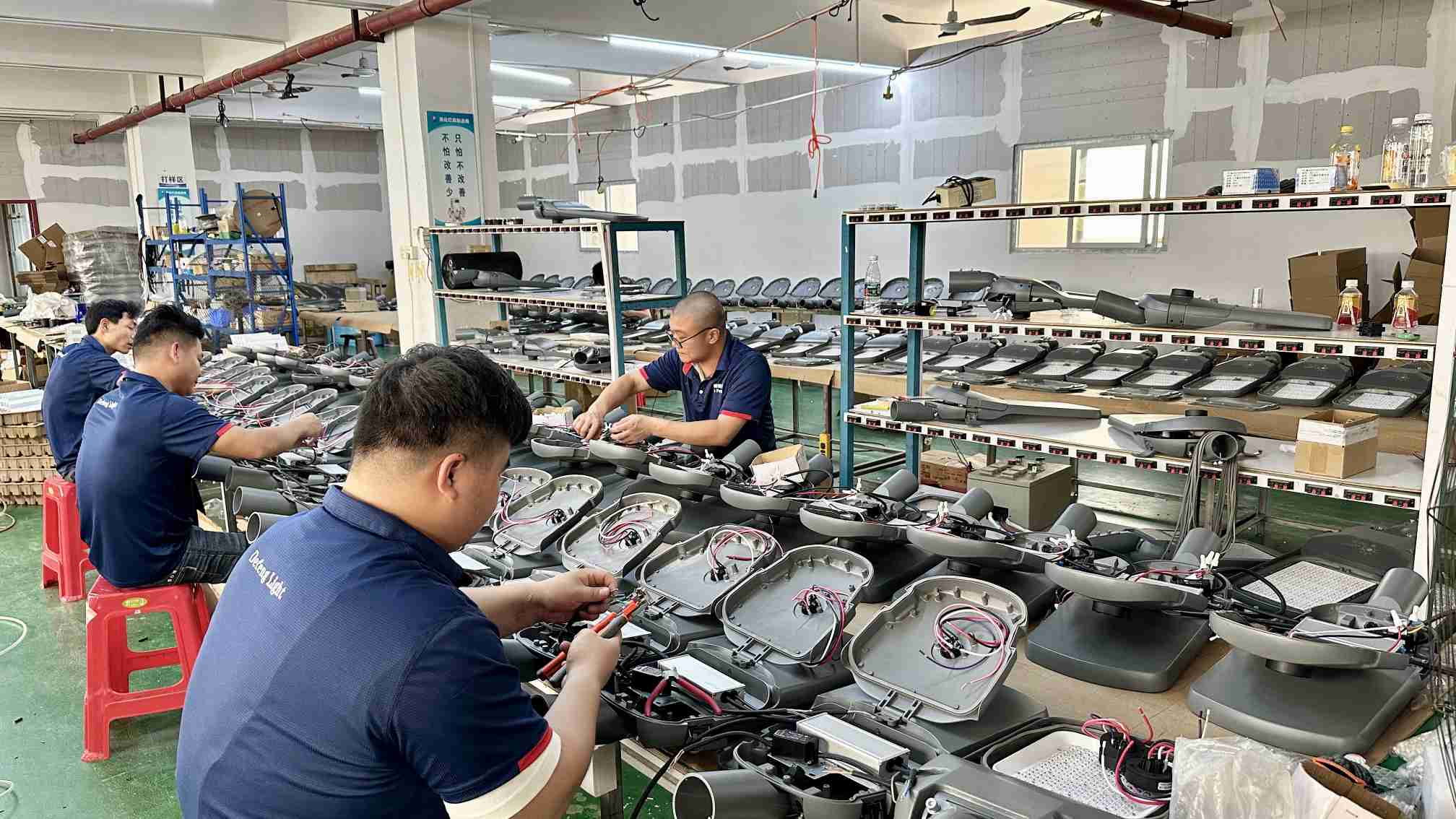
Shenzhen Alter Light Co., Ltd. represents the absolute leading edge in swimming pool lighting and wet-location wall-mounted illumination. Our advanced facility integrates R&D, structural design, and strict quality control.
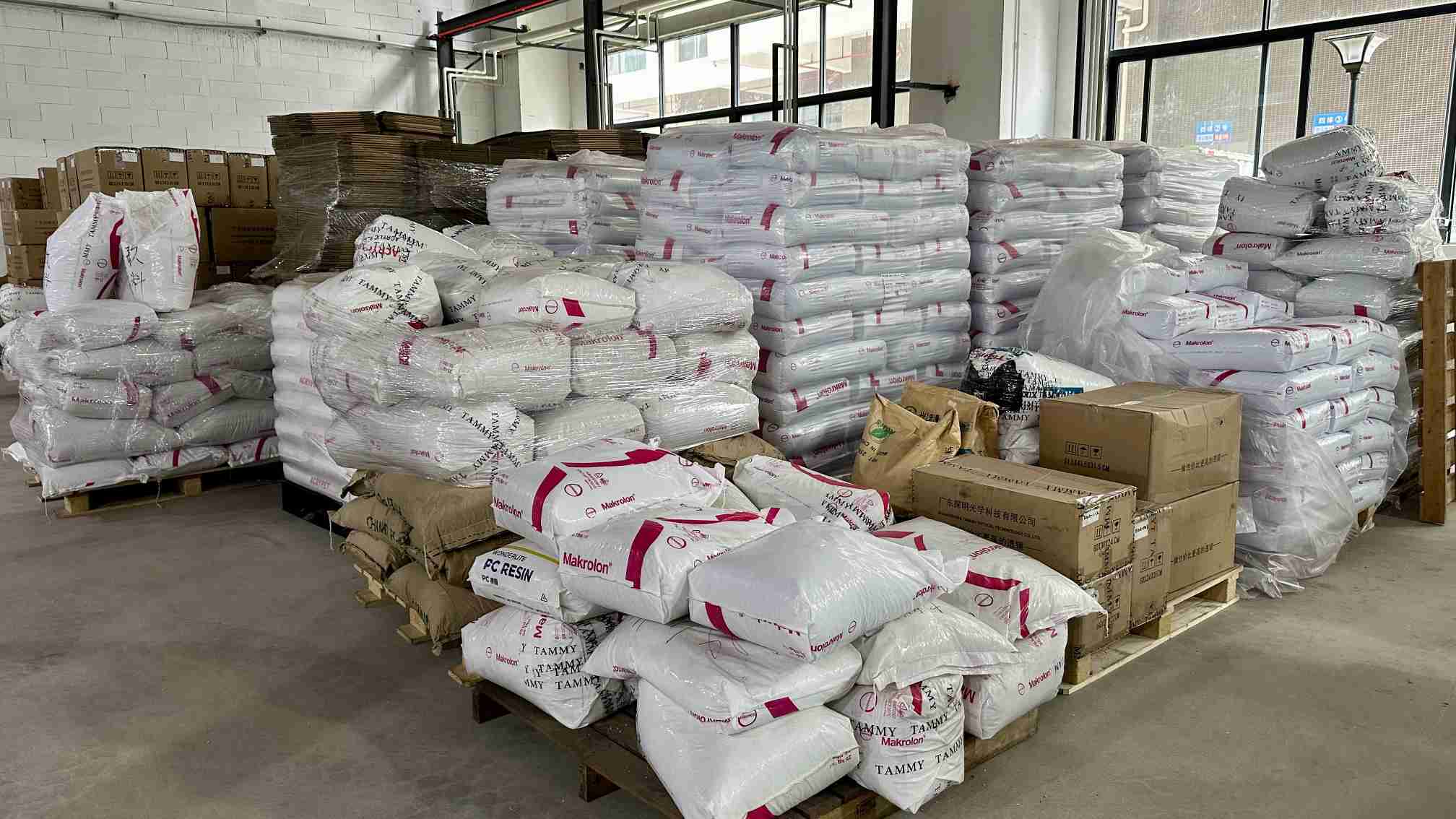
Equipped with a highly experienced Research & Development division and a rigorous quality assurance framework, we engineered patented sealing mechanisms and innovative thermal dispersion structures. This design ensures that every luminaire operates continuously in aggressive underwater and external environments without suffering lumen degradation or structural leakage.
Our capabilities include comprehensive synchronized color control options (such as advanced 2-wire and smart control architectures). These setups empower property owners, hospitality managers, and electrical engineers to deploy unified dynamic lighting schedules, turning swimming facilities and perimeter facades into striking, modern architectural statements.

Detailed performance benchmarks and regulatory parameters governing our industrial wall pack and wet-location lighting systems.
In wet-location engineering, safety and performance cannot be compromised. Shenzhen Alter Light Co., Ltd. ensures that all manufactured luminaires undergo thermal-throttling tests, high-pressure ingress chambers tests, and optical distribution validation via goniophotometers. Below is the specification breakdown comparing our architectural perimeter wall-mounted systems with underwater wall-mounted variants.
| Feature Parameter | Commercial Wall Pack Solutions | IP68 Underwater Wall-Mounted Lights |
|---|---|---|
| Operating Voltages | 120V - 277V AC / 347V AC (High voltage options) | 12V AC/DC, 24V DC (Low-voltage safe operation) |
| Luminous Efficacy | Up to 140 lm/W | Up to 110 lm/W (Through thick protective lenses) |
| Thermal Management | Die-cast aluminum fins, passive convection heat sinks | Liquid-immersion cooled, polymer thermal conductive bodies |
| Ingress Protection | IP65 / IP66 Dust & Jet-Proof | IP68 Hermetically sealed, continuous immersion certified |
| Materials Construction | A360 Die-Cast Aluminum, UV-Stabilized PC Lens | AISI 316 Stainless Steel, Engineered Plastics, PMMA |
| Control Protocols | Photocell, 0-10V Dimming, motion sensors | DMX512, RDM, Remote Control, Wi-Fi Smart Control (Tuya) |
Unlike standard light fixtures, completely sealed wet-location and underwater lights cannot transfer heat effectively to open air. Shenzhen Alter Light utilizes advanced polymer housings and high thermal-conductivity aluminum cores that actively transfer heat straight into the surrounding fluid medium or structural wall panels. This prevents junction temperature limits from being breached, thereby preserving the nominal 50,000-hour LED chip lifetime.
Supporting contractors, engineers, and distributors across Europe, North America, the Middle East, and the Asia-Pacific region.
For B2B importers, electrical distributors, and design-build firms, a major challenge is local compliance. Shenzhen Alter Light supports regional market needs by offering flexible custom labeling, specialized color temperatures (from warm 2700K to cool 6500K, plus full-spectrum RGBW options), and structured cable lengths designed for seamless site installations.
With our flexible production capabilities, we accommodate custom orders for specific project parameters. Our team provides specialized design advice, custom packaging, and comprehensive Dialux lighting simulations to verify target lux levels before manufacturing starts.
We build our low-voltage systems and LED drivers to align with CE, RoHS, and major international low-voltage directives, reducing the time required for local safety approvals.
Whether you require a specific beam angle, unique cable lengths, customized brand labeling, or proprietary smart protocol integration, our R&D group offers design support to match your specific requirements.
We work closely with global design agencies, master distributors, and architectural design practices to secure profitable, reliable, and mutually beneficial supply networks.
Transitioning into intelligent, hyper-efficient, and sustainable solid-state outdoor illumination frameworks.
As the smart-city standard expands, LED wall pack lighting and wet-location luminaires are transforming from standalone light sources into smart, connected devices. Our current R&D initiative focuses on integrating wireless protocols directly into the ballast assembly of our outdoor wall lights. This step allows building management platforms to adjust light levels based on real-time pedestrian activity, ambient moonlight, or peak electrical rate windows.
Furthermore, in the wet-location and underwater sector, we are pioneering advanced multi-spectrum chip configurations. By incorporating optimized amber wavelengths alongside classic RGBW matrices, our next-generation lights offer improved visual range while remaining ecologically friendly to nocturnal local wildlife (Turtle-Friendly lighting regulations). This dual focus on smart performance and environmental responsibility ensures that Shenzhen Alter Light remains a trusted supplier for forward-thinking commercial developments worldwide.
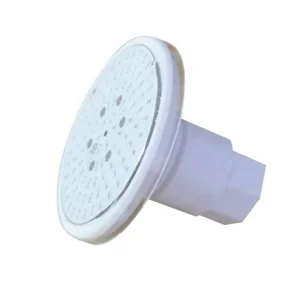
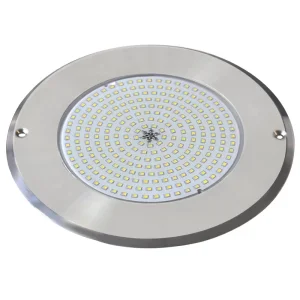
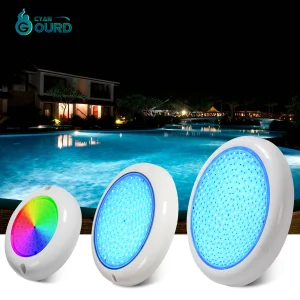
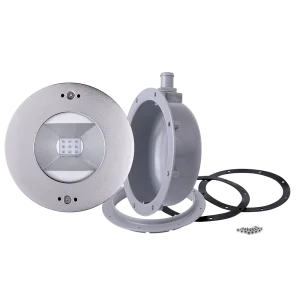
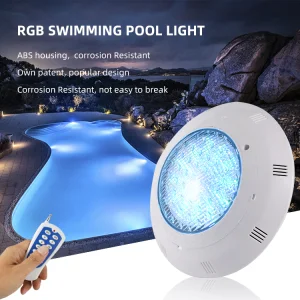
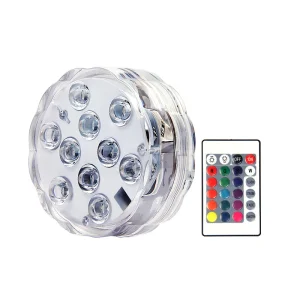
Discover our range of heavy-duty, smart-enabled underwater lights, linear wall strips, and nicheless spa replacement units.
Get answers to technical queries, installation recommendations, and wholesale product capabilities.