Engineered to strict European safety and sealing standards
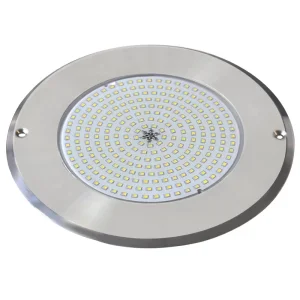
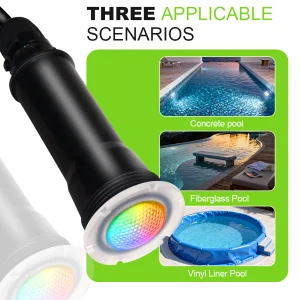
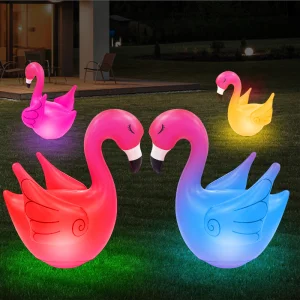
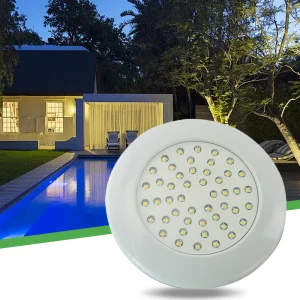
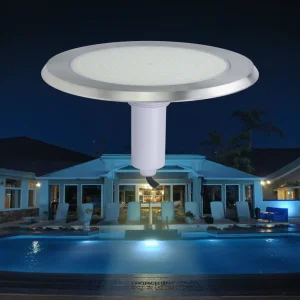
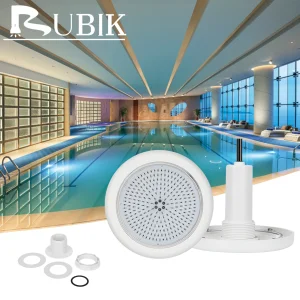
Integrating rigorous mechanical safety, intelligent controls, and certified production lines.
Shenzhen Alter Light Co., Ltd. is a leading manufacturer in the swimming pool lighting industry. We are not only a production facility, but also an innovation-driven company integrating advanced technology, product development, and quality manufacturing.
With a highly experienced R&D team and a strict quality assurance department, we are able to provide complete lighting solutions for swimming pools and underwater environments. Our focus is on combining safety, durability, energy efficiency, and modern design to deliver reliable lighting systems for global customers.
We also offer synchronized color control systems (including 2-wire and smart control solutions), enabling seamless lighting effects across multiple fixtures, making pools and water features more dynamic, responsive, and visually appealing.
Understanding LVD, EMC, and EN 60598-2-18 safety mandates for submersed luminaires
For lighting products designed to operate submersed in water, safety is non-negotiable. CE (Conformité Européenne) Certification is not simply a commercial passport for the European market; it is a complex validation of mechanical, thermal, and electrical safety profiles. In the pool lighting sector, this requires strict adherence to European Standard EN 60598-2-18, which outlines safety protocols for luminaires used in swimming pools, paddling pools, and similar aquatic structures.
Key regulatory compliance metrics include:
Ensures electrical hazards are engineered out of the equation. Operating exclusively at 12V-24V low voltages keeps bathers completely safe from electrical shock hazards.
High-power LEDs generate significant localized heat. Our patented copper and aluminum PCBs utilize direct thermal pathways to dissipate energy into surrounding water.
IP68 requires complete immersion resistance. By utilizing custom-engineered polyurethane resin potting alongside silicone rings, our lights maintain hermetic seals.
Why Shenzhen acts as the global apex for high-performance aquatic illumination
The global dominance of Chinese manufacturers in the underwater lighting sector is not simply a matter of scale; it is an issue of industrial integration. In regions like Shenzhen, the complete supply chain—from high-purity optical PMMA extrusion to automated surface-mount technology (SMT) and advanced CNC metal alloy machining—is clustered within a 50-mile radius. This enables rapid structural modification, precise mold production, and unmatched economies of scale.
Furthermore, Chinese factories have transitioned from basic contract manufacturing to technological standard-setting. Shenzhen Alter Light Co., Ltd., for example, invests heavily in CAD modeling, optical simulation software, and specialized testing equipment such as integrated spheres, salt spray test chambers, and hyperbaric waterproof testing tanks. This technological depth enables us to customize products for high-end boutique designs as well as large-scale public infrastructures, maintaining global quality parity at highly optimized production costs.
A step-by-step look into Shenzhen Alter Light Co., Ltd.'s internal assembly line
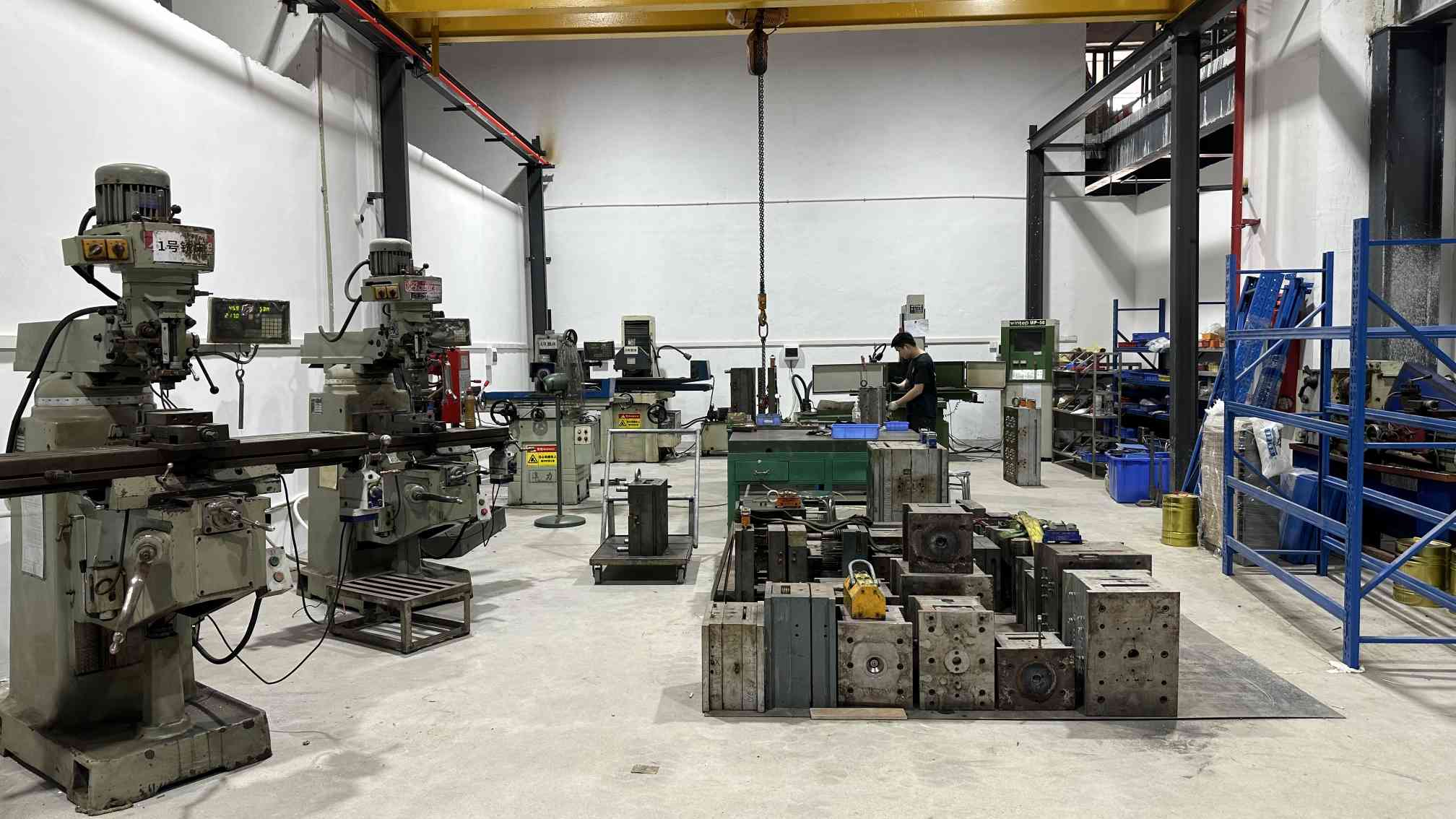
Mould Processing
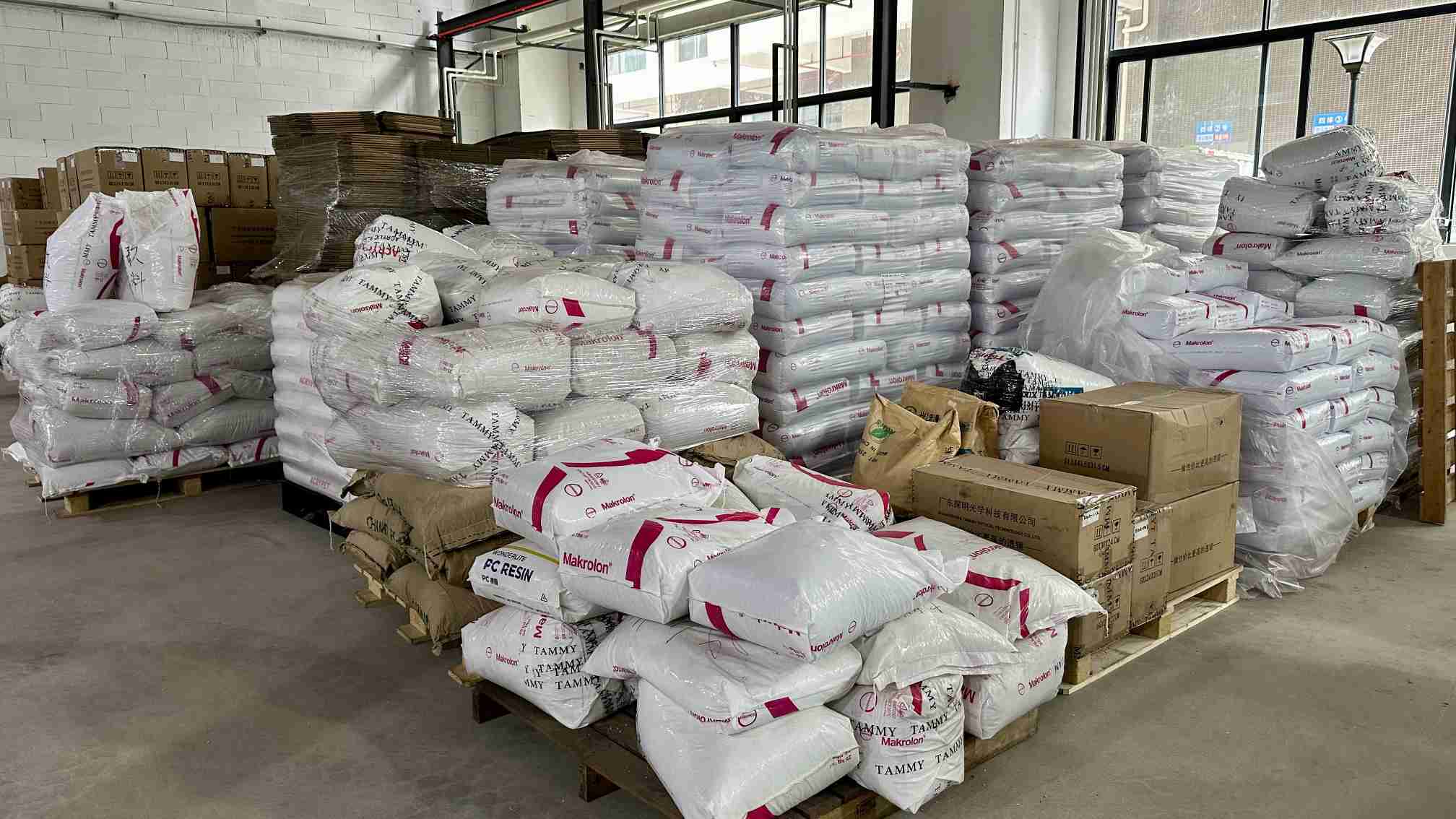
Plastic Raw Materials
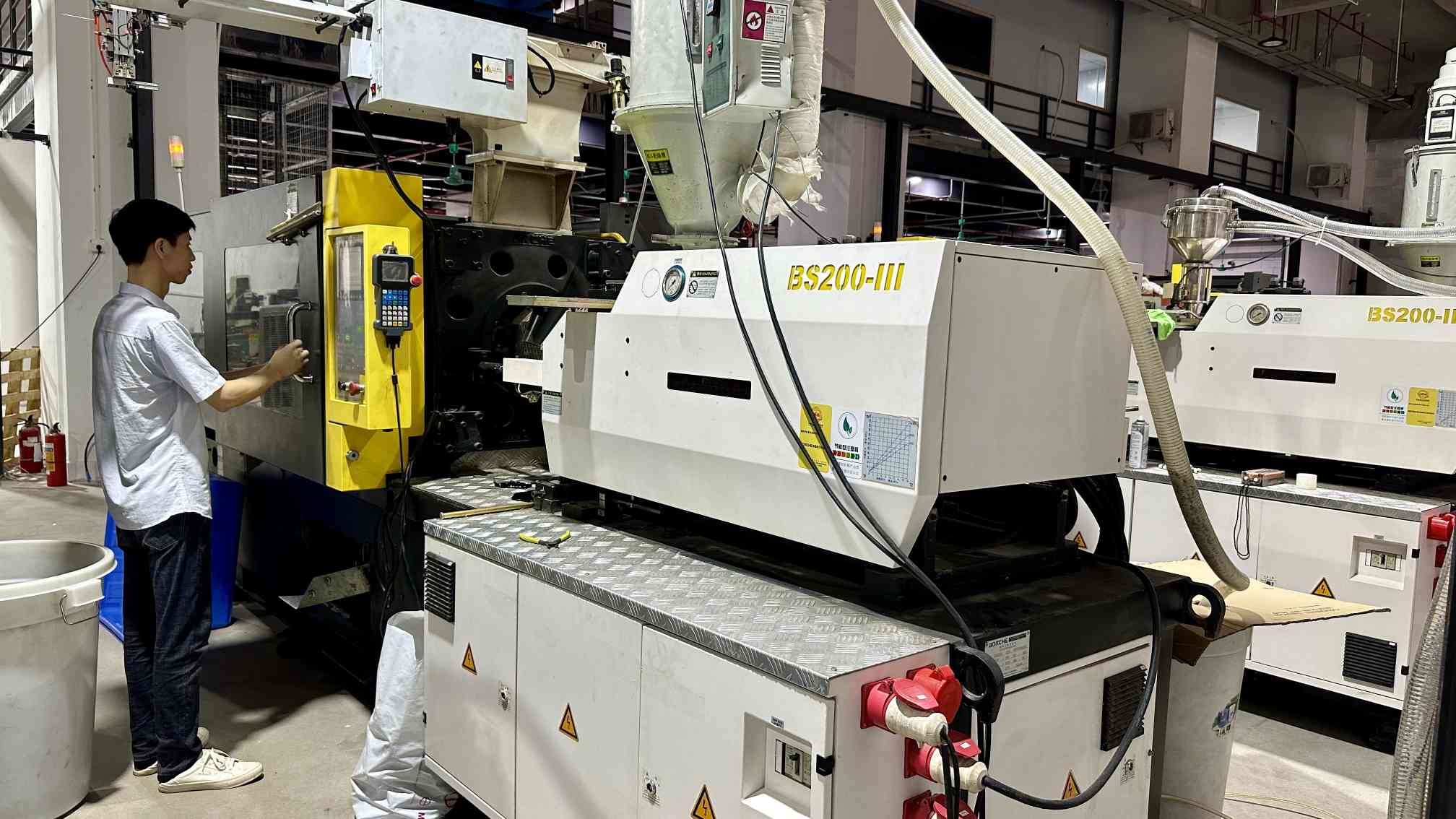
Injection Molding
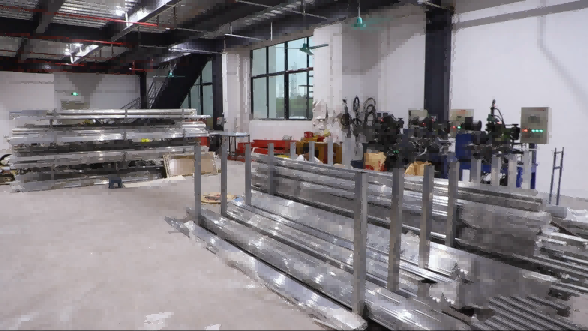
Aluminum Materials
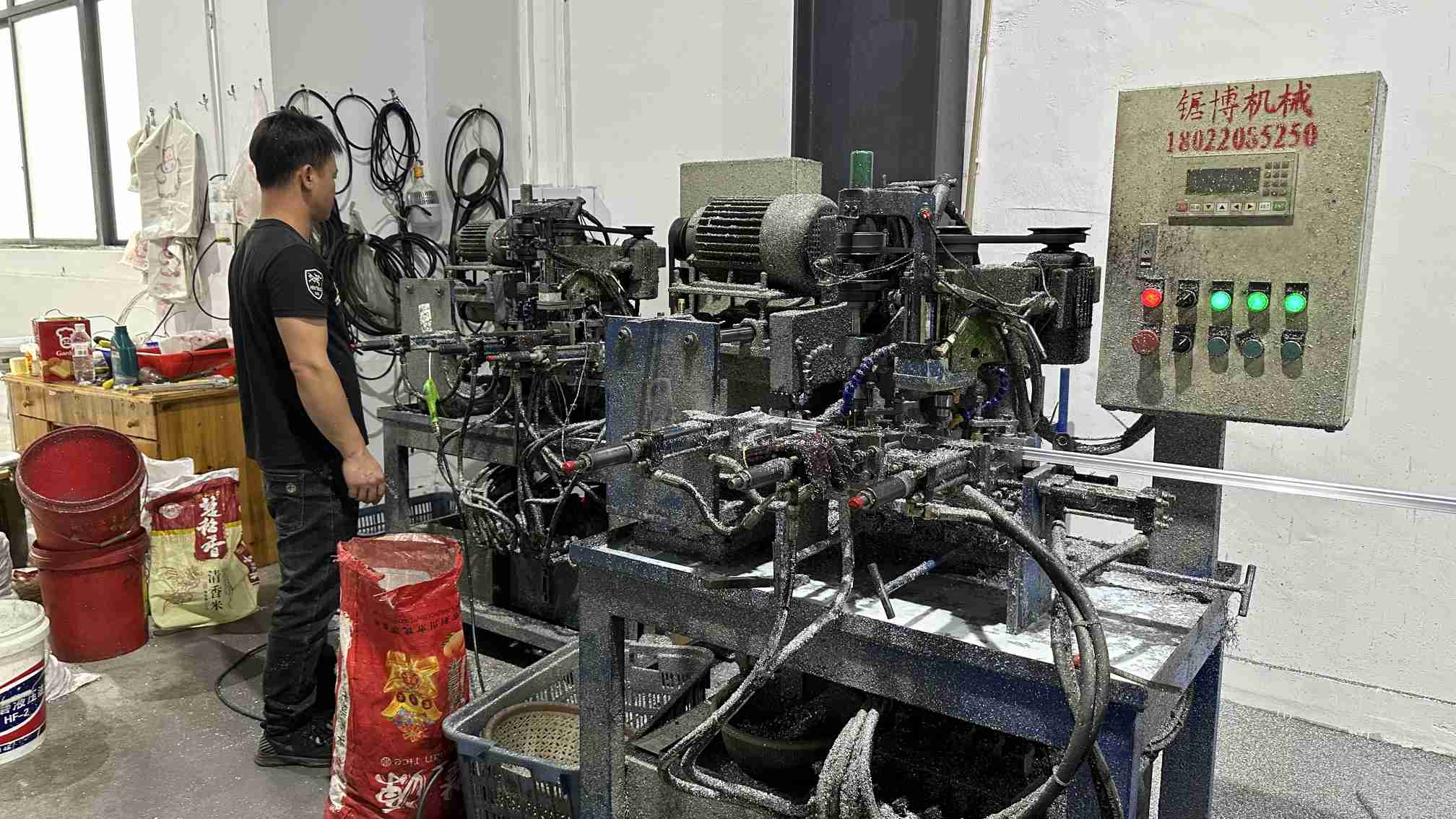
Cutting
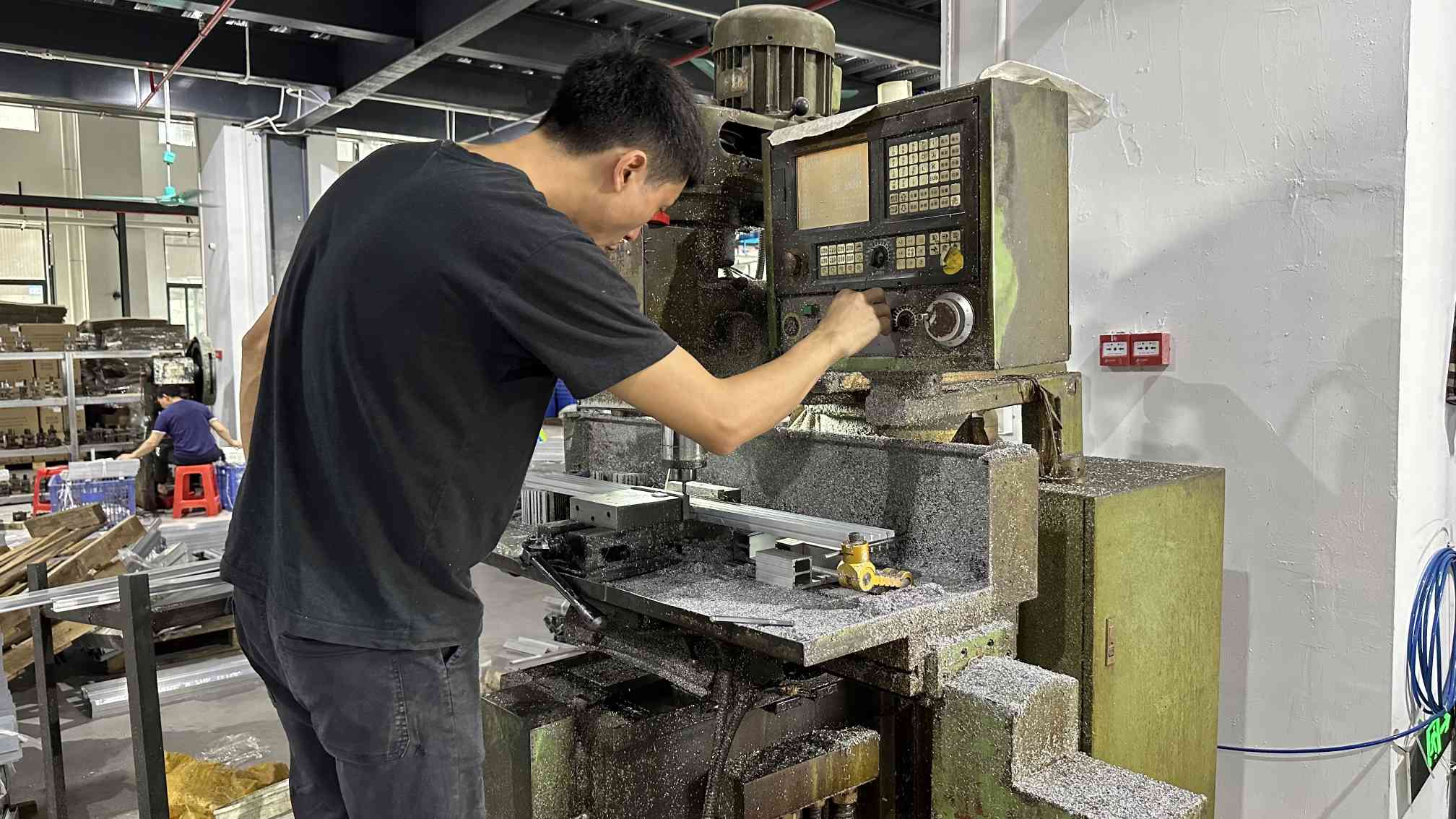
Milling
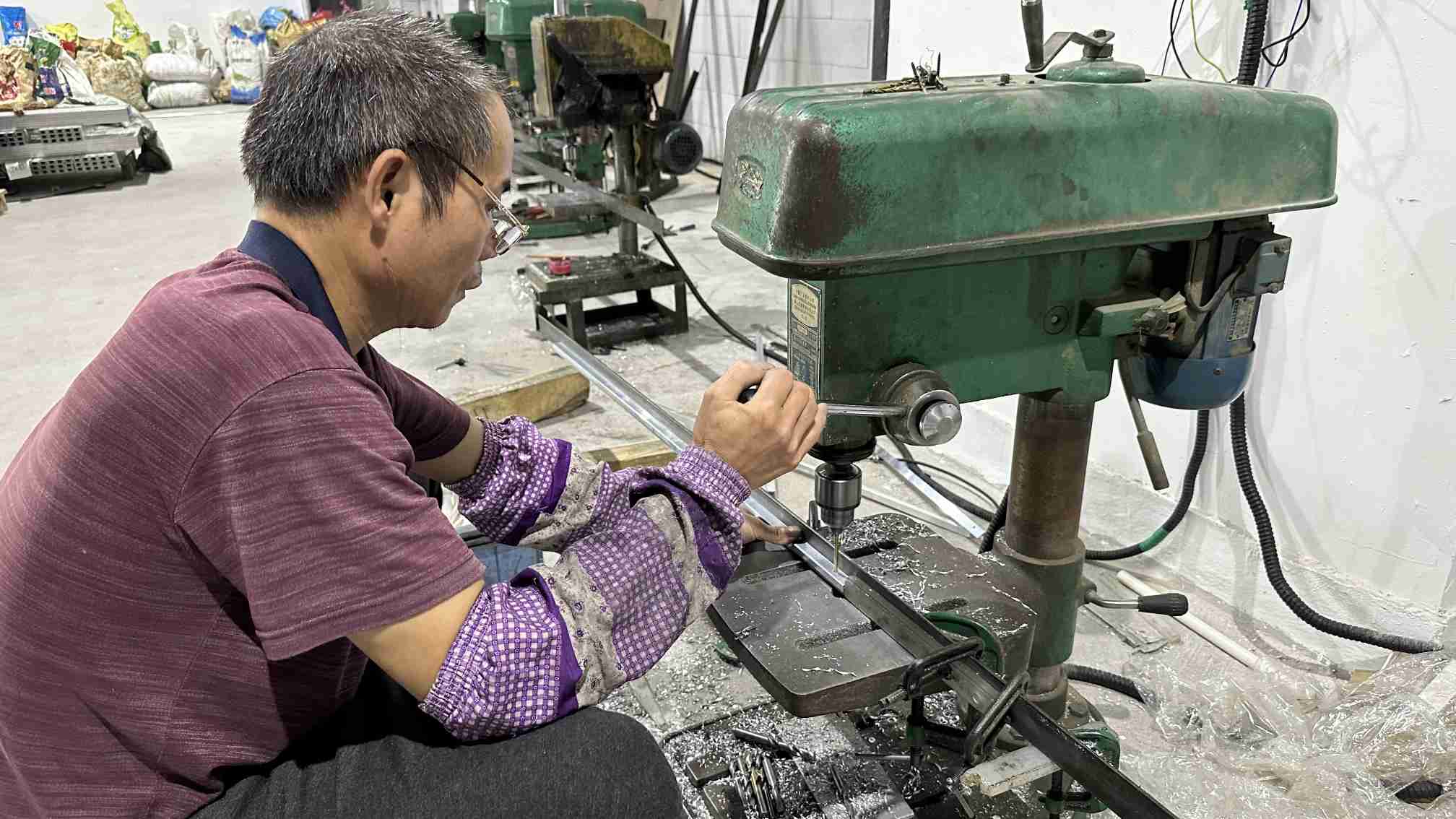
Drilling
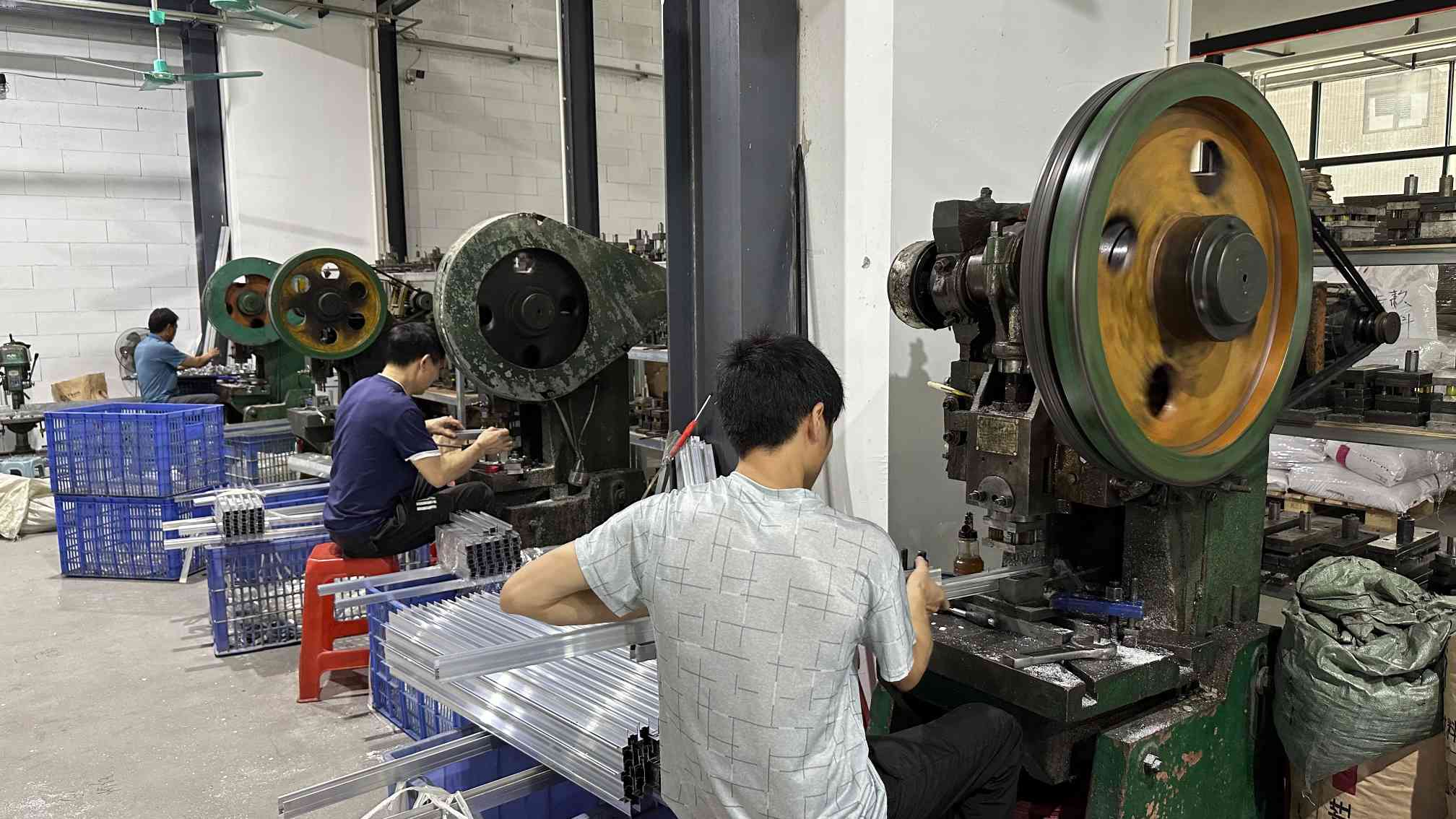
Punching
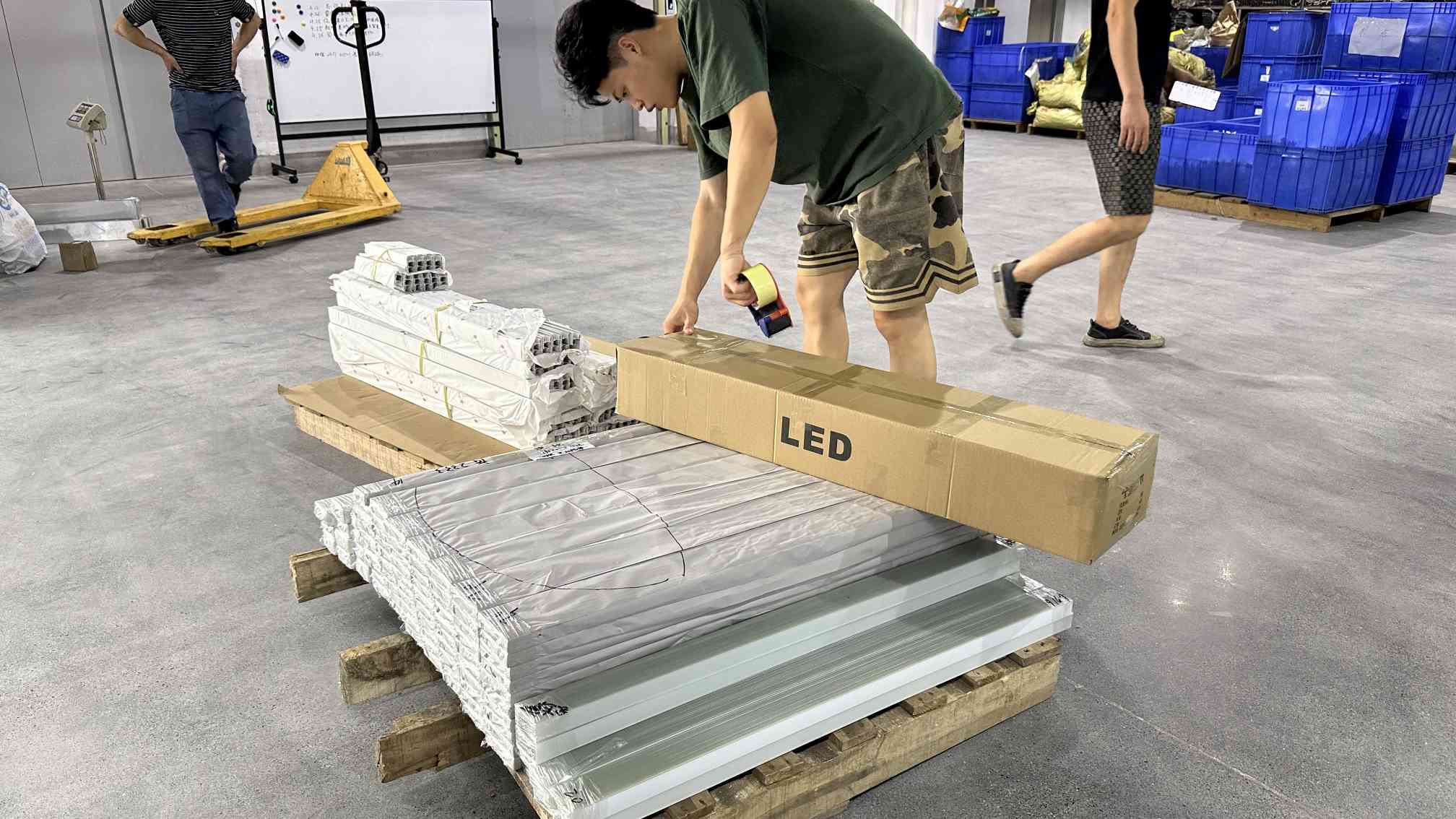
Packing
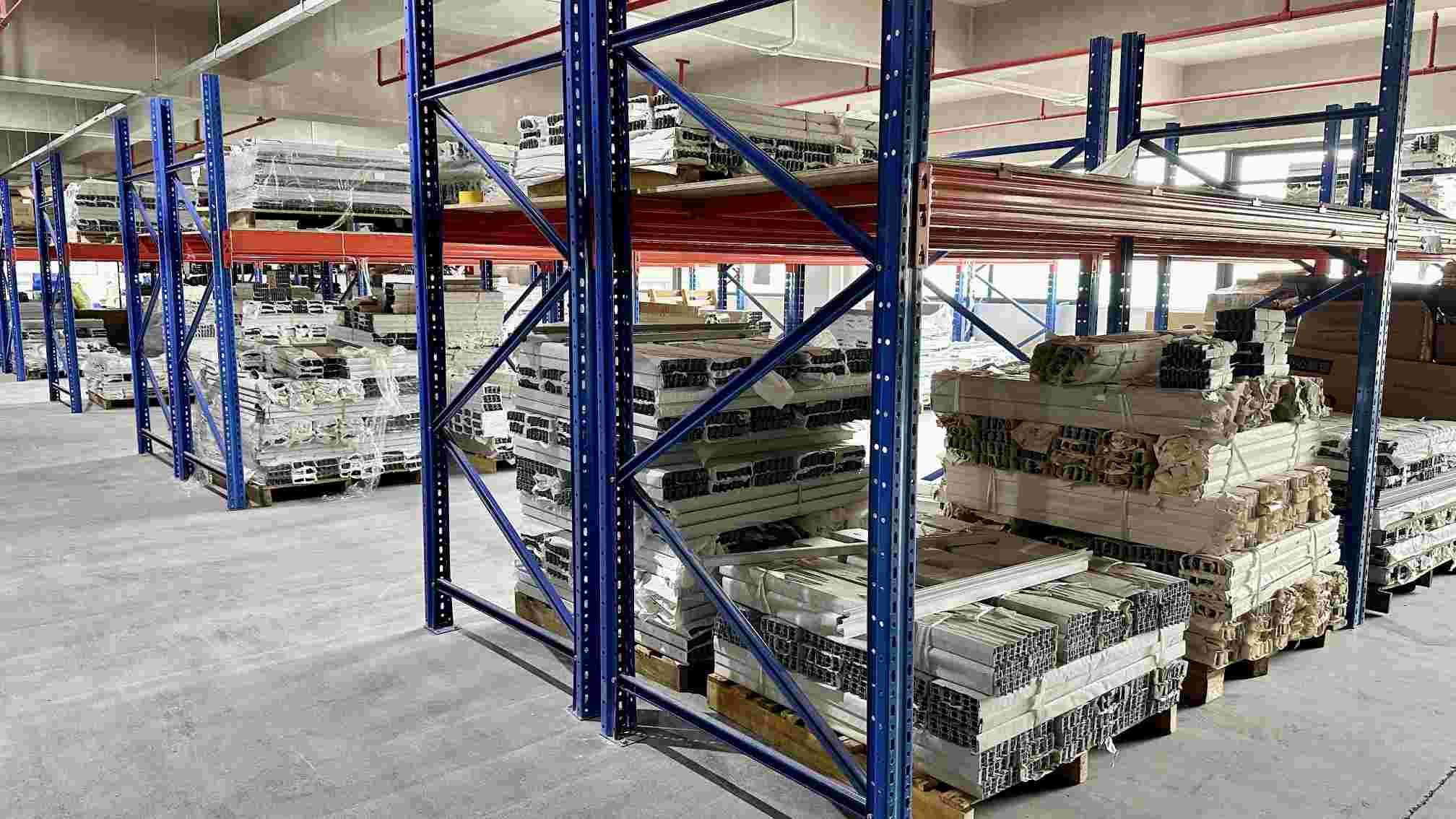
Storage
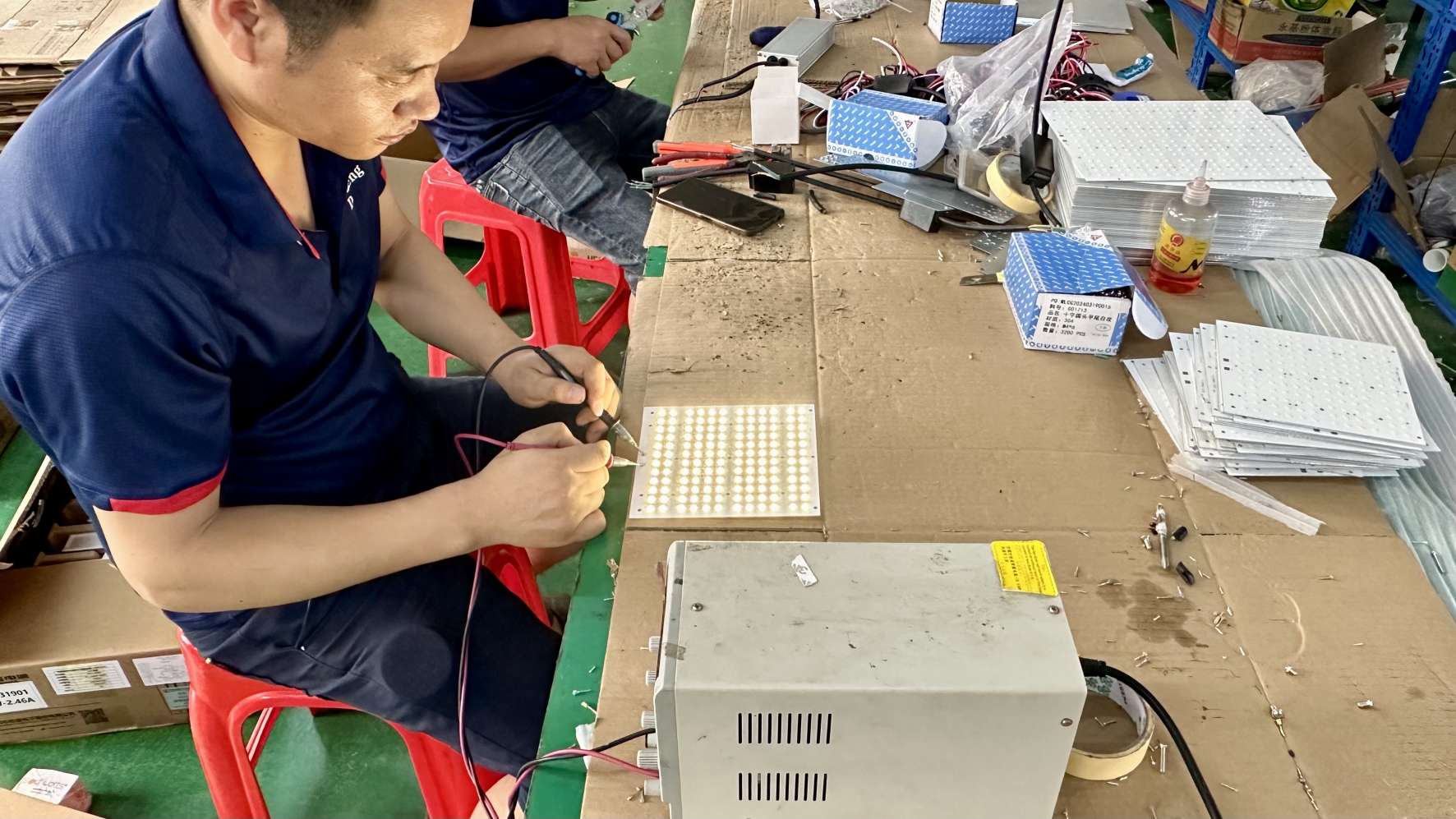
Parts Testing
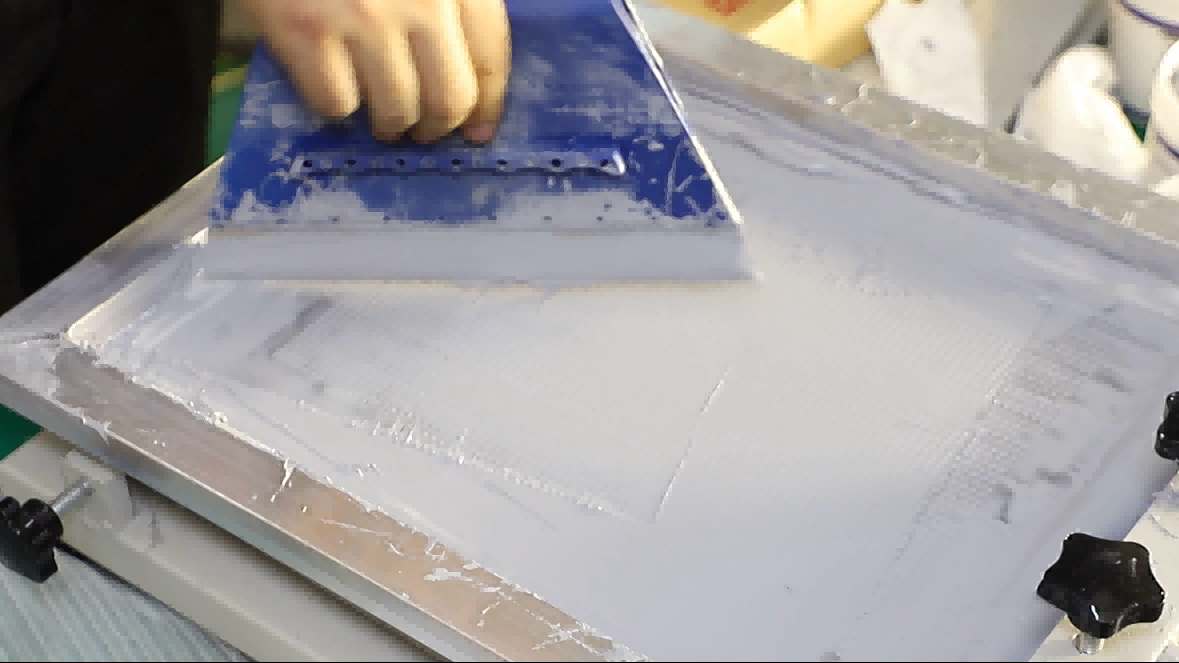
Gluing
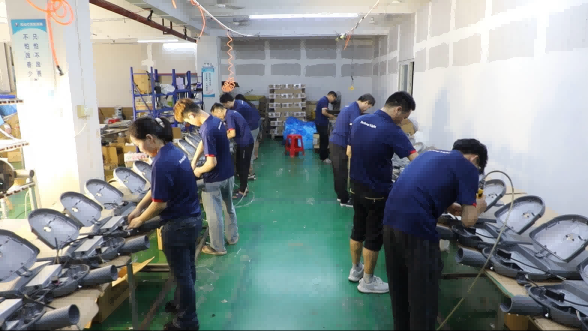
Assembly Line A
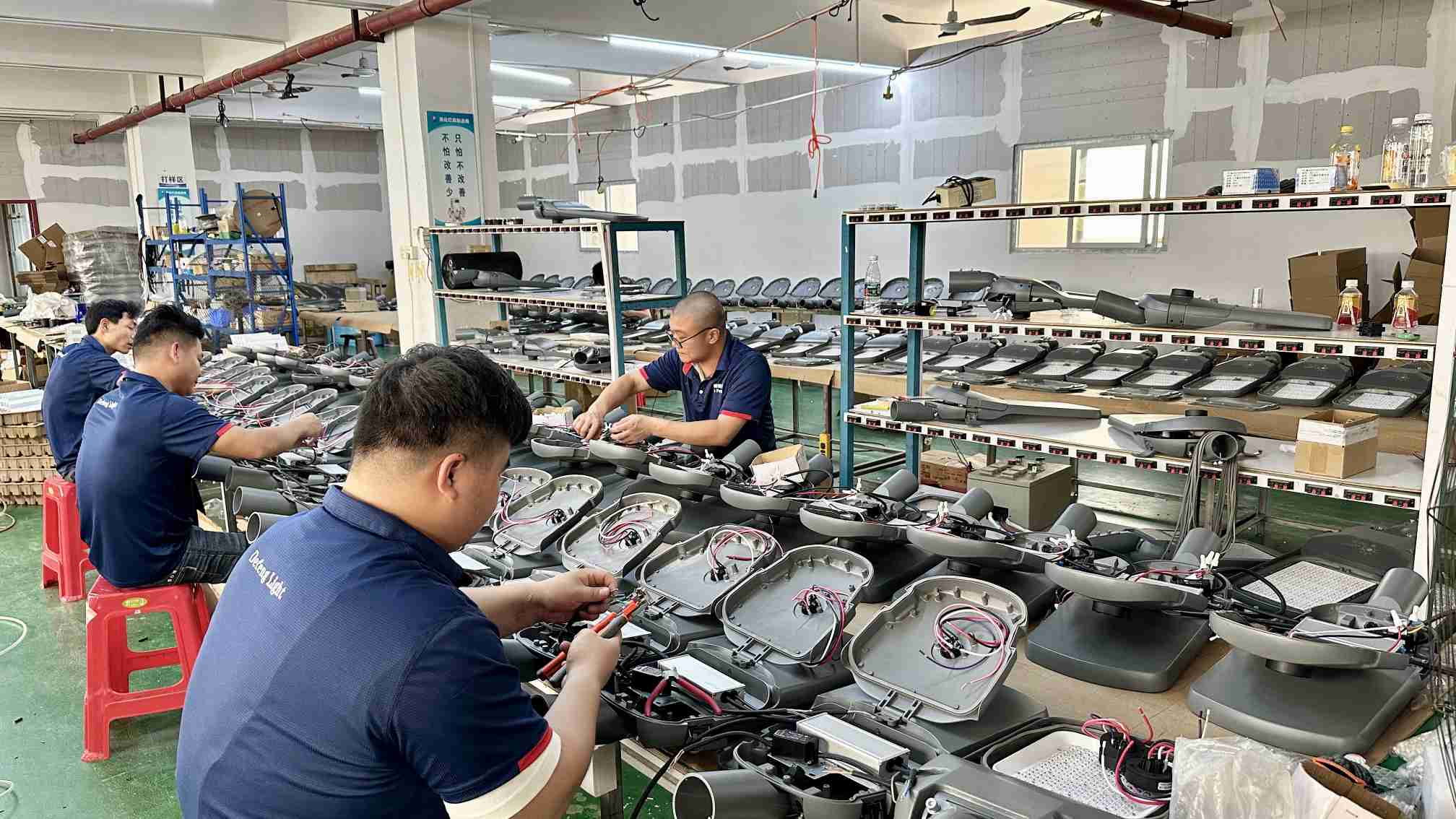
Assembly Line B
How modern aquatic architectures deploy advanced lighting configurations
Underwater lighting demands change based on physical architecture, salinity, water movement, and ambient light pollution. By tailoring optical distribution angles and control topologies, Shenzhen Alter Light Co., Ltd. satisfies unique commercial and residential challenges:
Large-scale hotel swimming pools require unified, flicker-free atmospheric lighting. Utilizing DMX512 or proprietary 2-wire PLC (Power Line Communication) systems, our installations support synchronized color fades and zone control across hundreds of fixtures without requiring complex data cabling infrastructures.
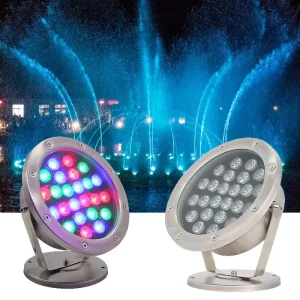
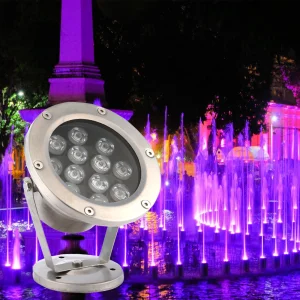
Fountains present aggressive, pressurized water environments that degrade standard lighting housing. Utilizing heavy-duty SUS316 marine-grade stainless steel with specialized anti-corrosive passivation coatings ensures physical endurance. High-power RGBW narrow-beam spotlights project light dynamically through moving water columns.
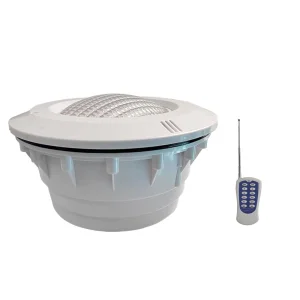
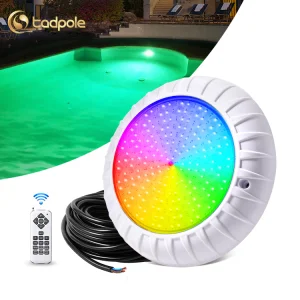
Retrofitting existing swimming pools with modern LED lighting previously required draining and structurally modifying the pool wall. Our nicheless, low-profile LED replacement fixtures bypass this constraint. Engineered to fit standardized niche sockets or flush-mount directly to concrete/vinyl liner walls, these products deliver premium modern lumen output with minimal installation friction.
Tailored product design, branding, and electrical configurations for international distributors
We welcome OEM and ODM partnerships as well as regional distributor collaborations. Our flexible manufacturing system allows us to support customized designs, private labeling, and project-based lighting solutions.
By operating internal tooling, CNC cutting, milling, and molding facilities, we reduce prototyping cycles from months to days. Global sourcing managers can specify unique parameters:
At Shenzhen Alter Light Co., Ltd., we believe in a win-win cooperation philosophy. We are committed to delivering high-quality products, competitive pricing, and reliable long-term service to our global partners.
Insights from our chief engineering team on selection, safety, and compliance
An IP68 rating indicates that a luminaire is suitable for continuous immersion in water under specific conditions (usually depths exceeding 1 meter). In our factory, this is validated by placing the sealed units inside hyperbaric pressure chambers simulating depths of 10 to 50 meters, ensuring zero water ingress through cable joints or optical lenses over extended test periods.
For saltwater pools, we utilize Marine Grade 316 Stainless Steel or specialized engineering plastics (ABS with high-impact Polycarbonate). SS316 contains molybdenum, which dramatically improves resistance to pitting corrosion in chloride-rich environments compared to standard SS304.
Human skin resistance drops dramatically when wet, lowering the threshold for dangerous electrical shocks. Safety regulations (like EN 60598-2-18) require low safety voltages (SELV) not exceeding 12V AC or 30V ripple-free DC. Line-voltage (110V/220V) must never run directly to submerged lighting.
Niche pool lights sit inside a wet recess cavity (niche) built into the pool wall. Nicheless pool lights install directly onto a flat wall mount bracket or screw into a standard 1.5-inch return fitting, reducing installation time and mitigating potential structural leaks.
Our patented 2-wire control system modulates the power lines to send data commands to internal LED chips. By briefly interrupting the 12V supply line, the controller cycles the lights through predefined colors and programs, eliminating the need for extra control lines or dedicated wireless antennas underwater.
Our SMT process sources LED packages from top-tier brands using tight MacAdam Ellipse color binning (typically 3-step or 5-step). This ensures that lights installed adjacent to each other in a large hotel pool emit uniform colors without noticeable hue shifts.
Even though they are in cold water, high-power LEDs generate concentrated junction heat. Poor thermal transfer leads to rapid lumen depreciation and driver failure. We mount LEDs on aluminum-clad PCBs and use thermal epoxy to conduct heat directly to the exterior housing, keeping binned temperatures low.
Before packing, every light undergoes a 24-hour underwater burn-in test. Finished products are packed in custom anti-static bags and thick shock-absorbent EPE foam compartments to prevent optical scratches and transit shock during maritime or air shipment.
Yes. We offer heavy-duty VDE or UL certified chloroprene rubber cables (H07RN-F format) in custom lengths. These cables resist degradation from UV exposure, sanitizing chemicals, and continuous water submersion.
For modifications to existing fixtures, prototyping typically takes 10 to 15 days. For complete new tooling designs, the process spans 30 to 45 days, including 3D model approvals, mold design, test injections, and compliance certification testing.
Diverse underwater products for marine, architectural, and pool environments