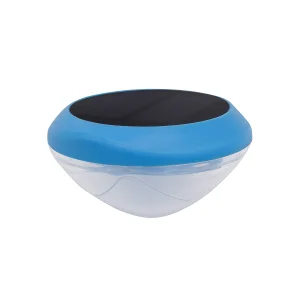
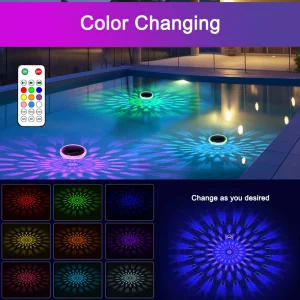
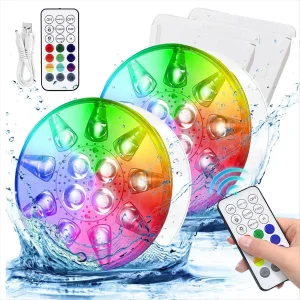
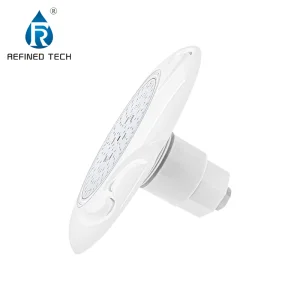
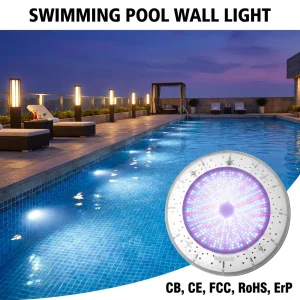
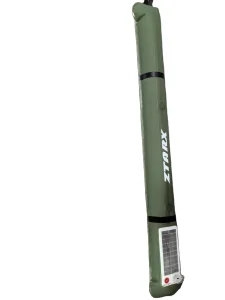
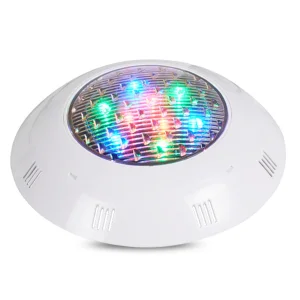
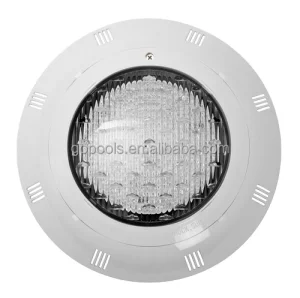
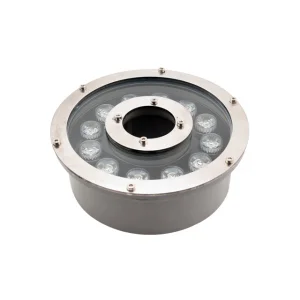
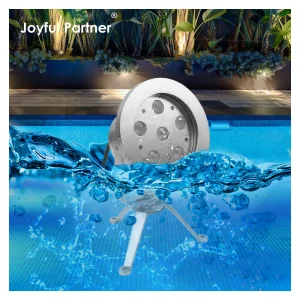
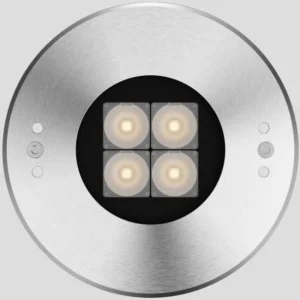
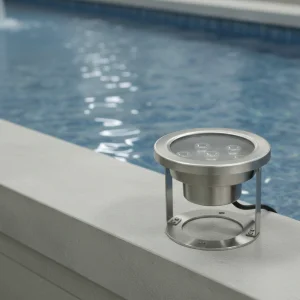
Discover our core lineup of certified, high-grade underwater LED solutions engineered to resist harsh chemical environments, saltwater corrosion, and high hydrostatic pressure.

The global dimmable lighting market is experiencing a profound transition driven by the intersection of IoT connectivity, green building initiatives, and advanced semiconductor packaging. Once regarded as a luxury feature for residential ambience, precision dimming is now a core requirement in commercial, industrial, and aquatic architecture worldwide.
Modern commercial specifications demand systems capable of dynamic range dimming (down to 0.1% or 1% without perceptible chromaticity shift or flickering). This level of control is crucial for energy conservation, compliance with regulations like ASHRAE 90.1 and Title 24, and matching natural human circadian rhythms. Furthermore, in challenging environments such as underwater pool lighting, public fountains, and coastal installations, dimming drivers must manage complex thermal footprints and high electrical noise thresholds while providing safe low-voltage operation (typically 12V or 24V AC/DC).
Selecting the appropriate dimming architecture determines the performance, longevity, and control granularity of an underwater lighting system. As a leading manufacturer, we develop fixtures compatible with several major control paradigms:
Highly precise digital dimming technique that operates by rapidly switching the current on and off. Excellent for preserving LED color temperature consistency across the entire dimming range (down to 0.1%), making it ideal for underwater RGB/RGBW color-changing fixtures.
Digital Addressable Lighting Interface (DALI) provides bidirectional communication, allowing individual fixture control, real-time diagnostic reporting, and precise logarithmic dimming curves. Widely used in large commercial resort pools and high-end municipal fountains.
A classic, reliable analog protocol. As the voltage signal decreases, the driver reduces light output. Highly robust and simple to install over long distances, making it a standard choice for retrofitting commercial landscapes and swimming pools.
Shenzhen Alter Light Co., Ltd. is a leading manufacturer in the swimming pool lighting industry. We are not only a production facility, but also an innovation-driven company integrating advanced technology, product development, and quality manufacturing.
With a highly experienced R&D team and a strict quality assurance department, we are able to provide complete lighting solutions for swimming pools and underwater environments. Our focus is on combining safety, durability, energy efficiency, and modern design to deliver reliable lighting systems for global customers.
All underwater lighting products are designed to meet high protection standards such as IP68 waterproof rating. Our patented sealing and thermal management technologies ensure long-term stability and safety in harsh underwater environments.
We also offer synchronized color control systems (including 2-wire and smart control solutions), enabling seamless lighting effects across multiple fixtures, making pools and water features more dynamic and visually appealing.
Shenzhen Alter Light Co., Ltd. serves customers worldwide, with strong market presence in Europe, North America, South America, the Middle East, and Asia-Pacific regions. Our products are widely used in residential pools, hotels, resorts, public water facilities, fountains, and landscape projects.
We welcome OEM and ODM partnerships as well as regional distributor collaborations. Our flexible manufacturing system allows us to support customized designs, private labeling, and project-based lighting solutions. At Shenzhen Alter Light Co., Ltd., we believe in a win-win cooperation philosophy. We are committed to delivering high-quality products, competitive pricing, and reliable long-term service to our global partners.
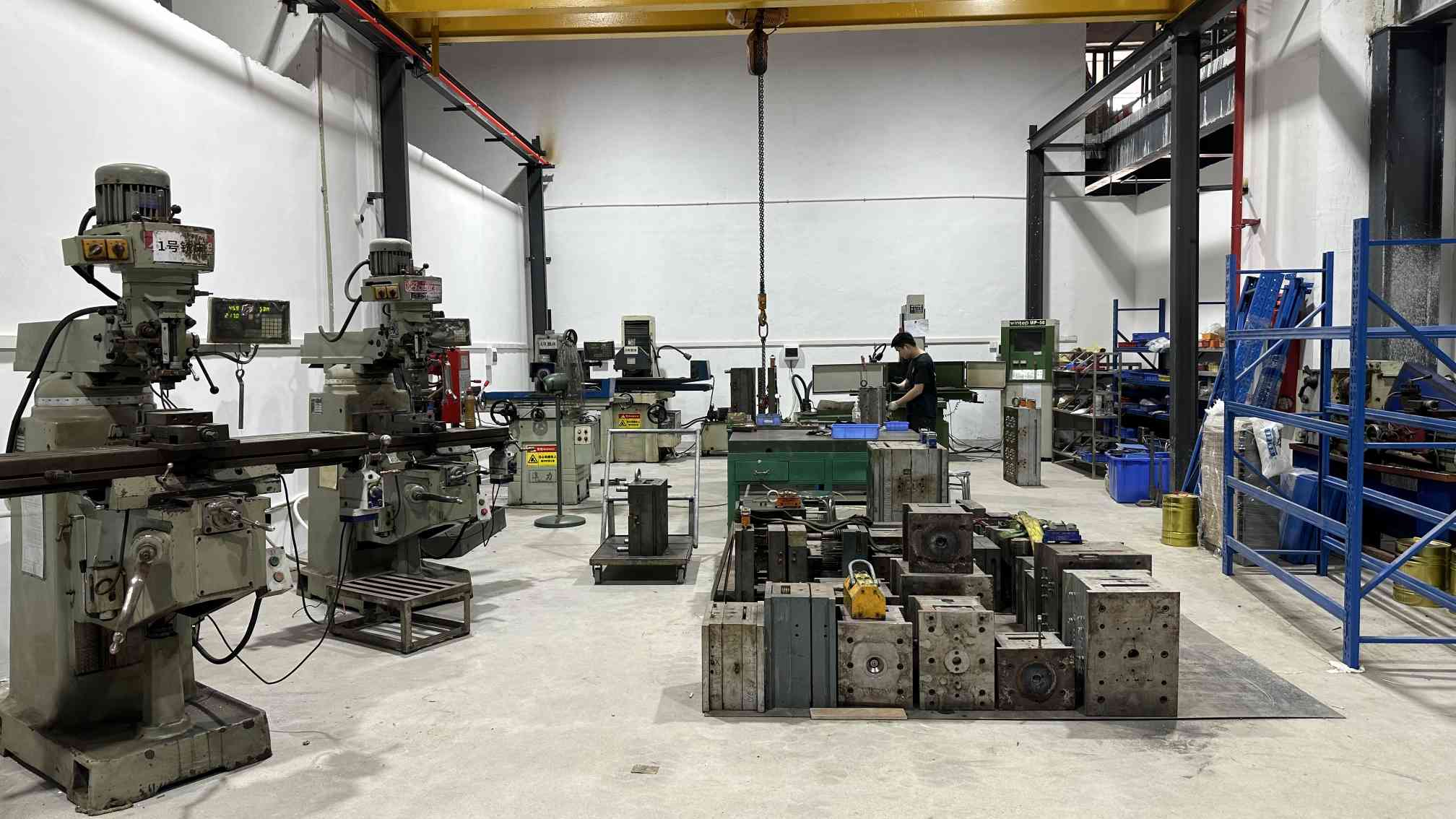
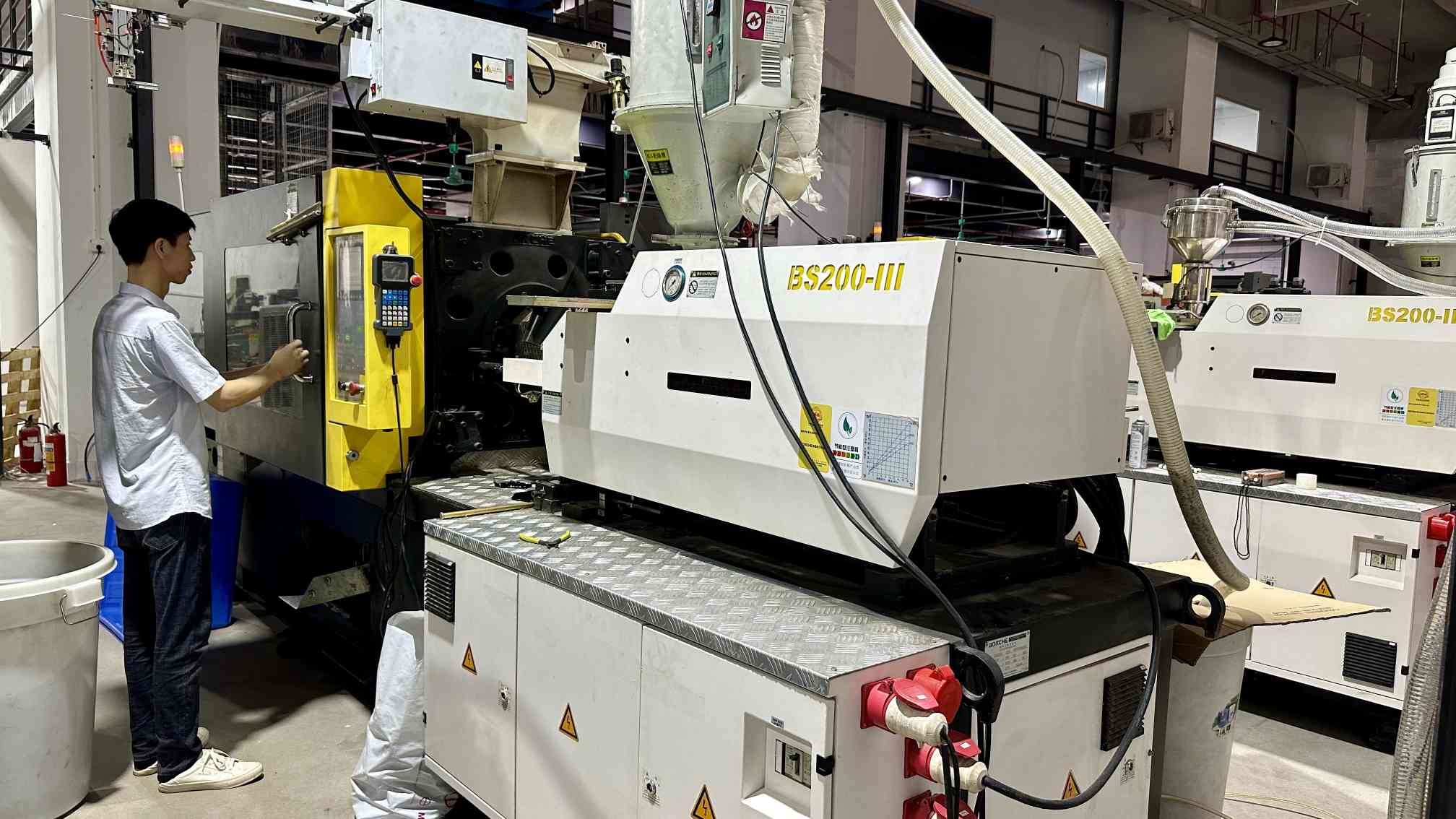
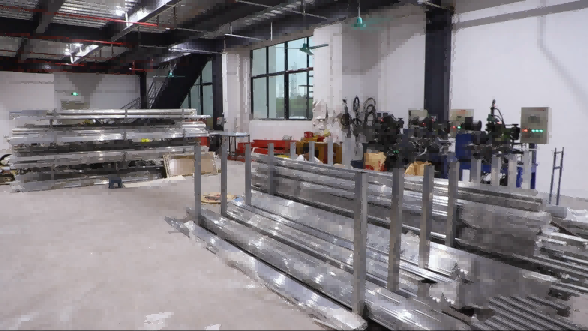
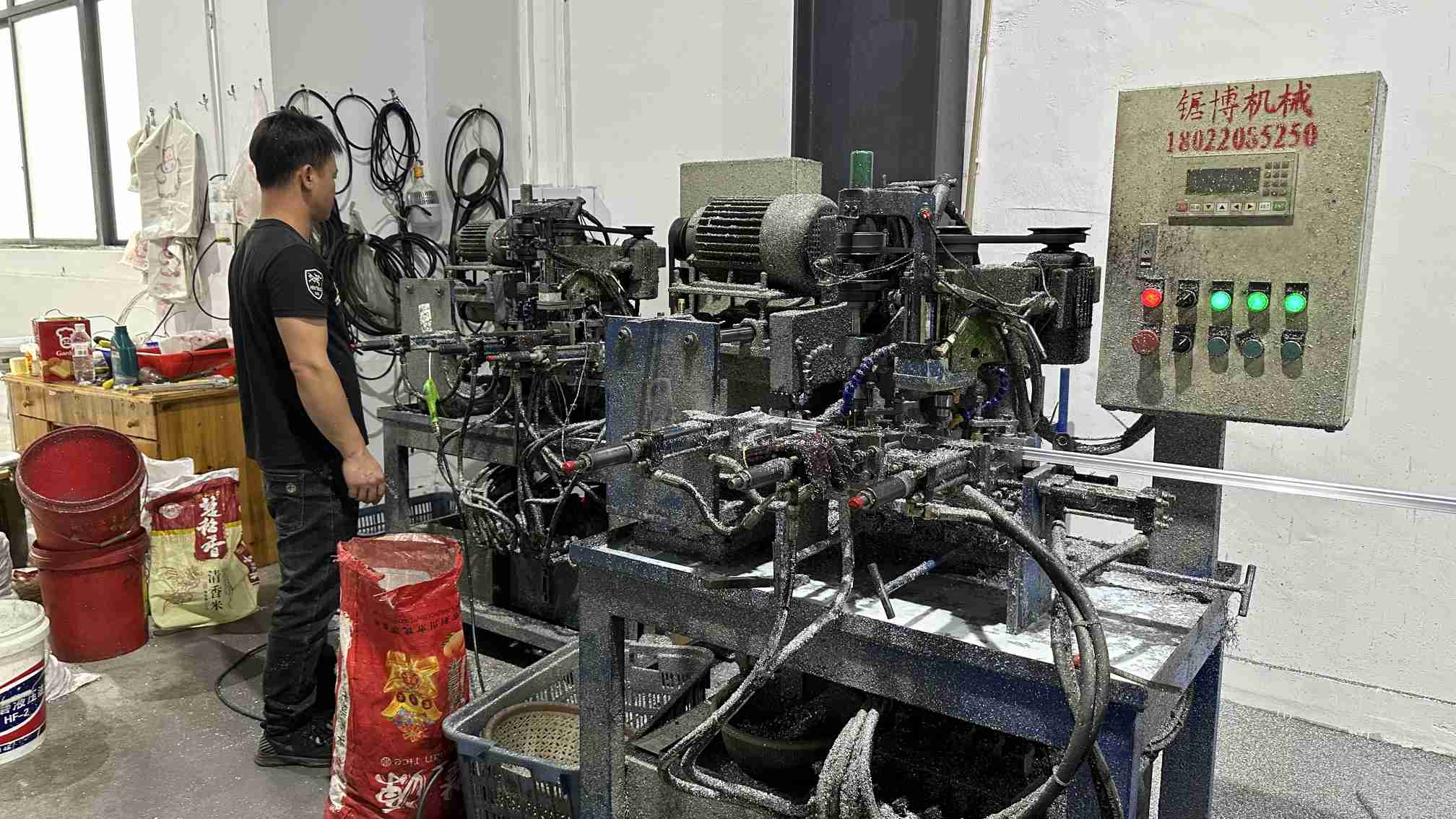
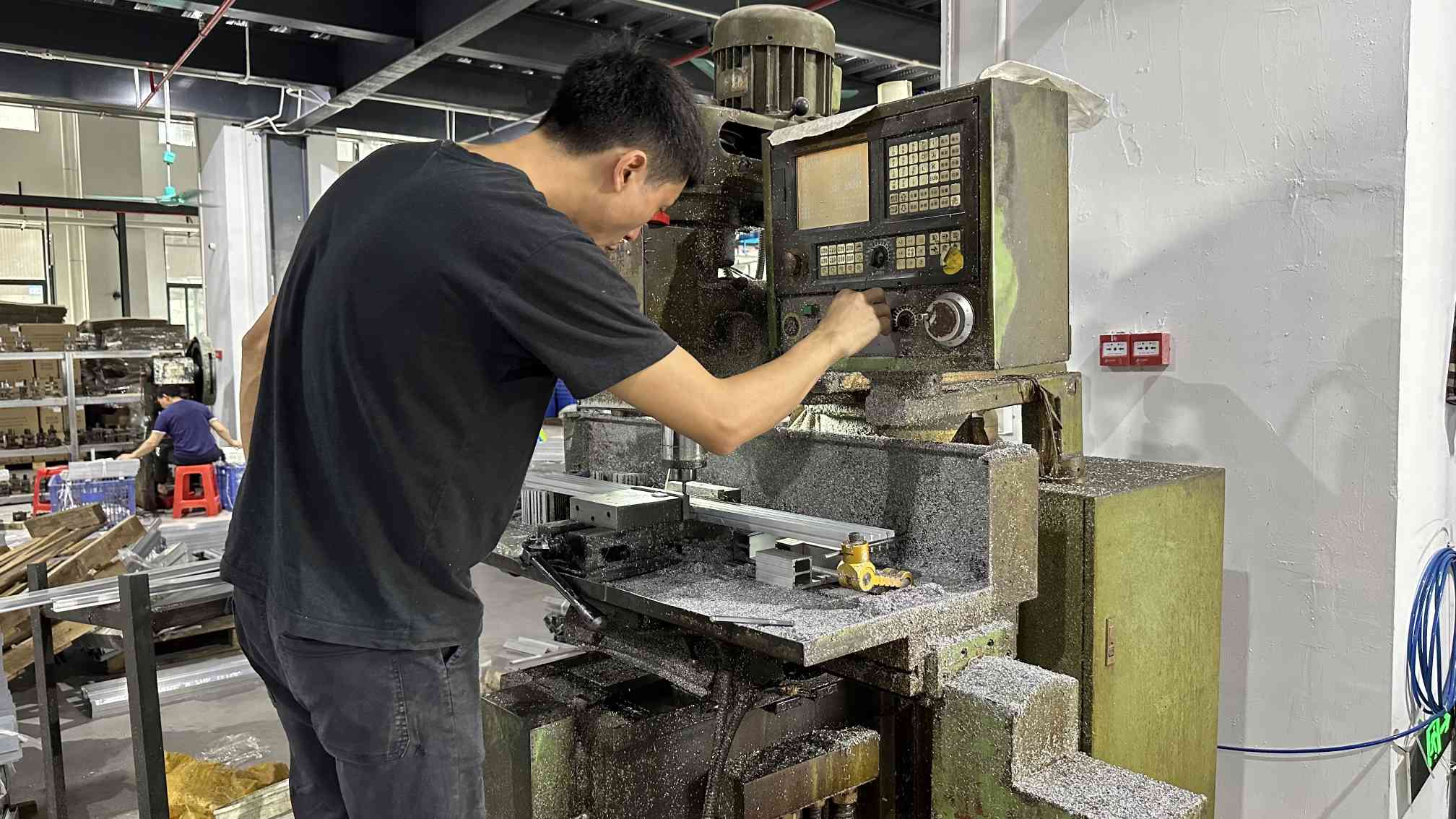
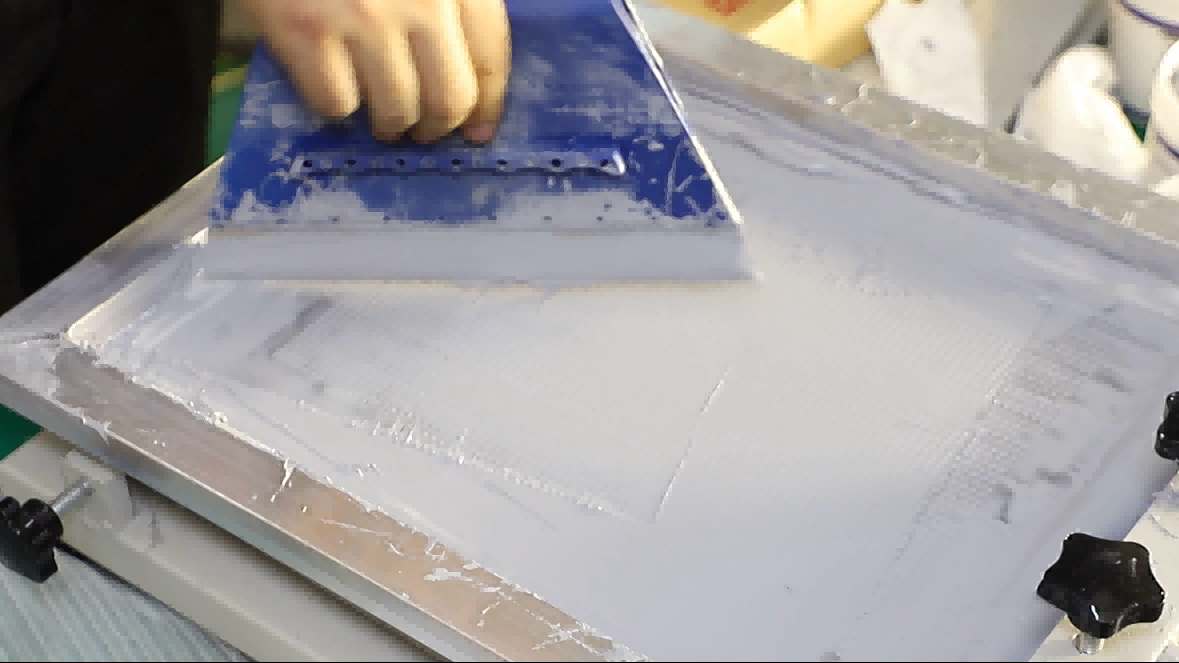
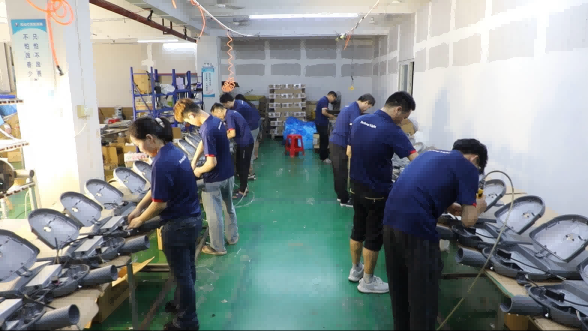
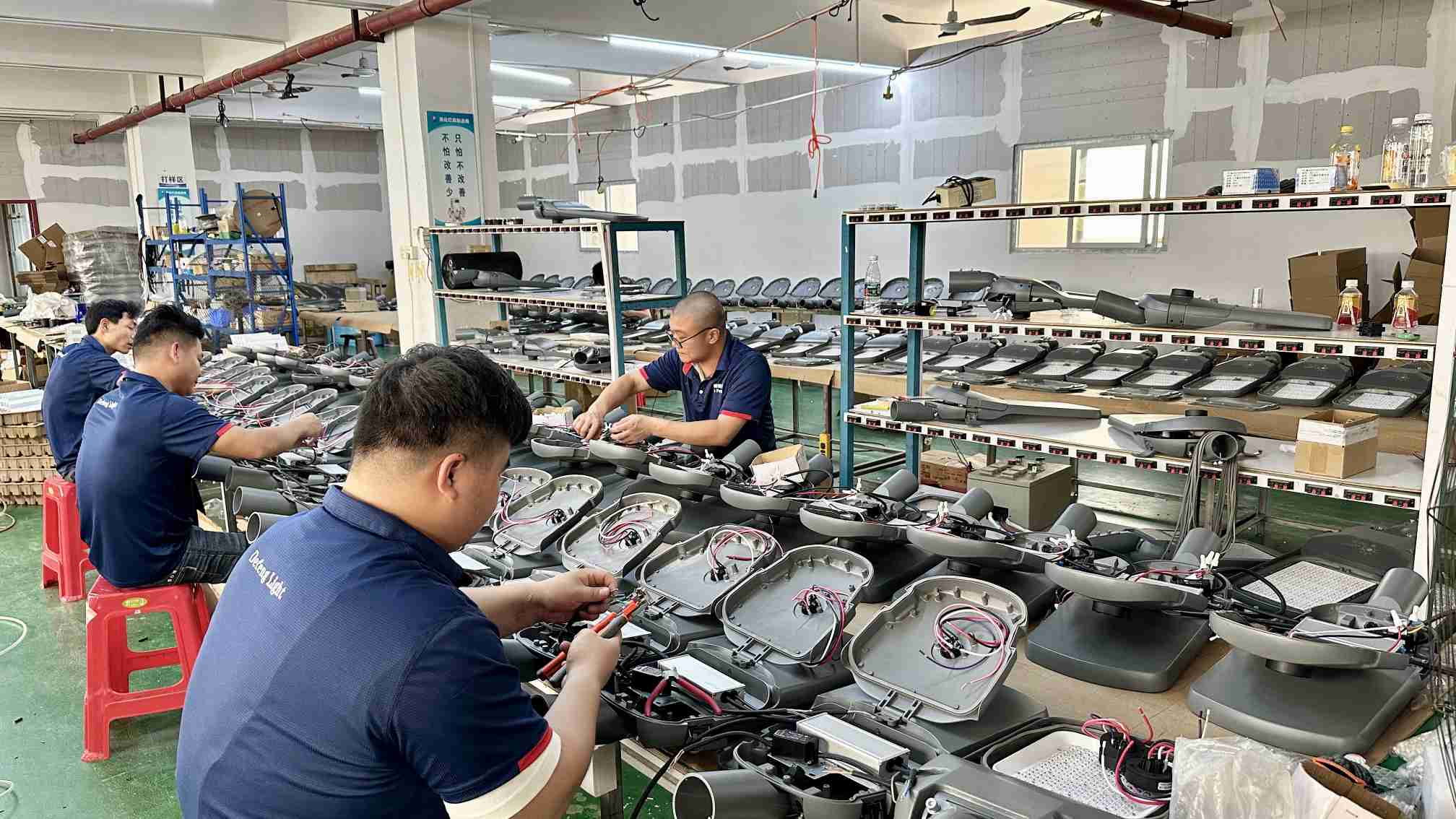
Through vertically integrated manufacturing processes, we maintain absolute control over tolerance levels, sealing consistency, and assembly quality.


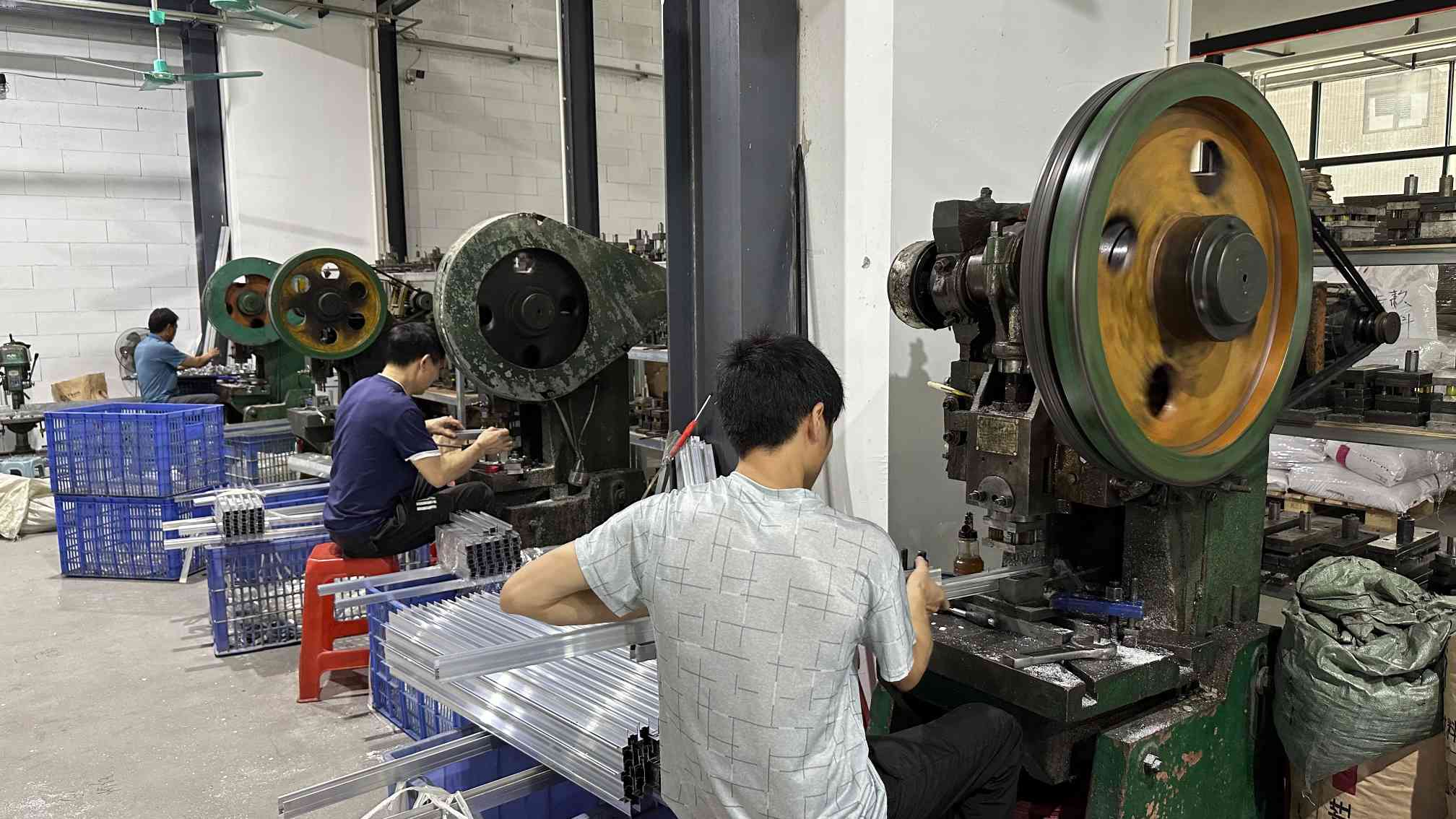
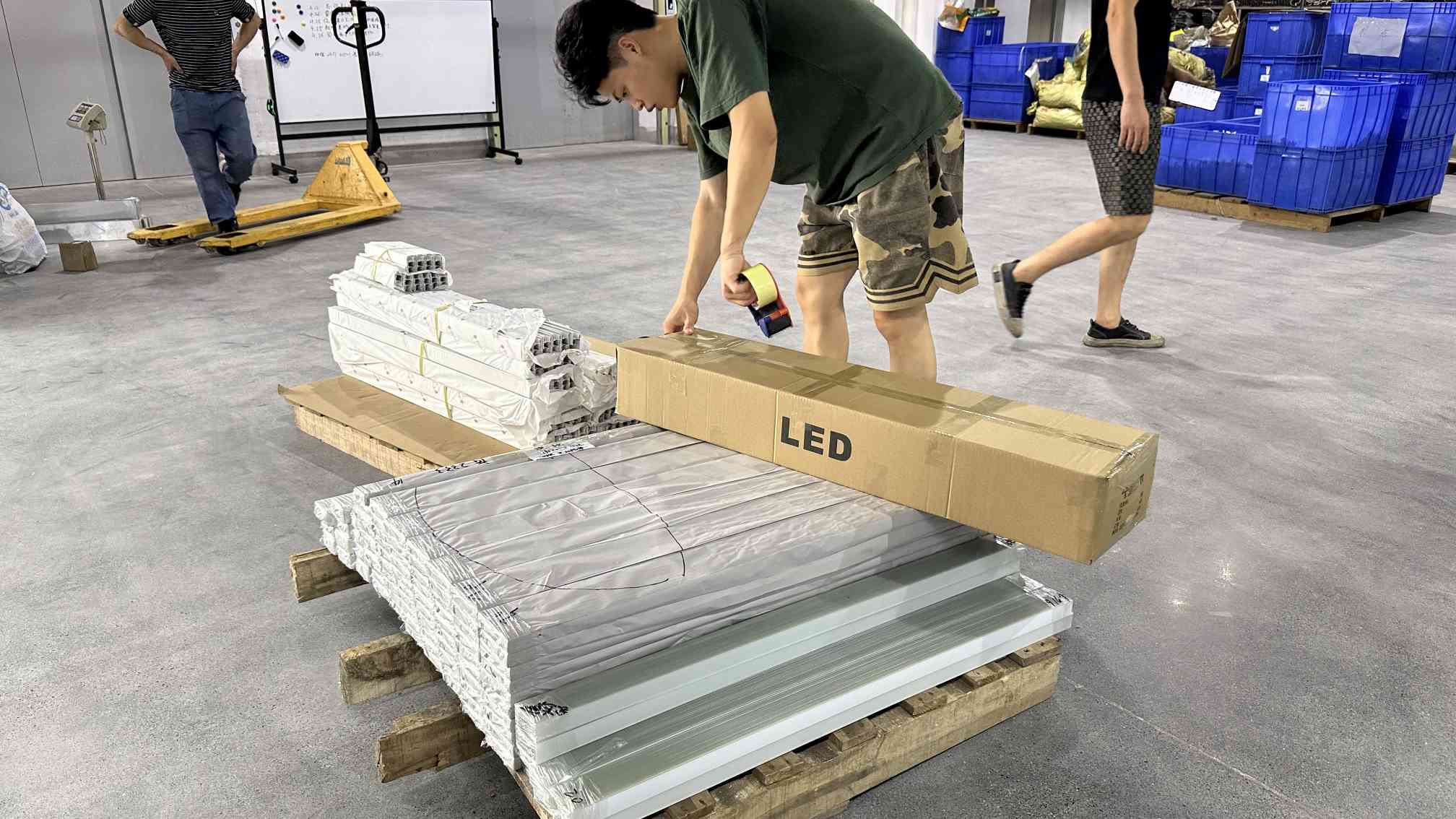
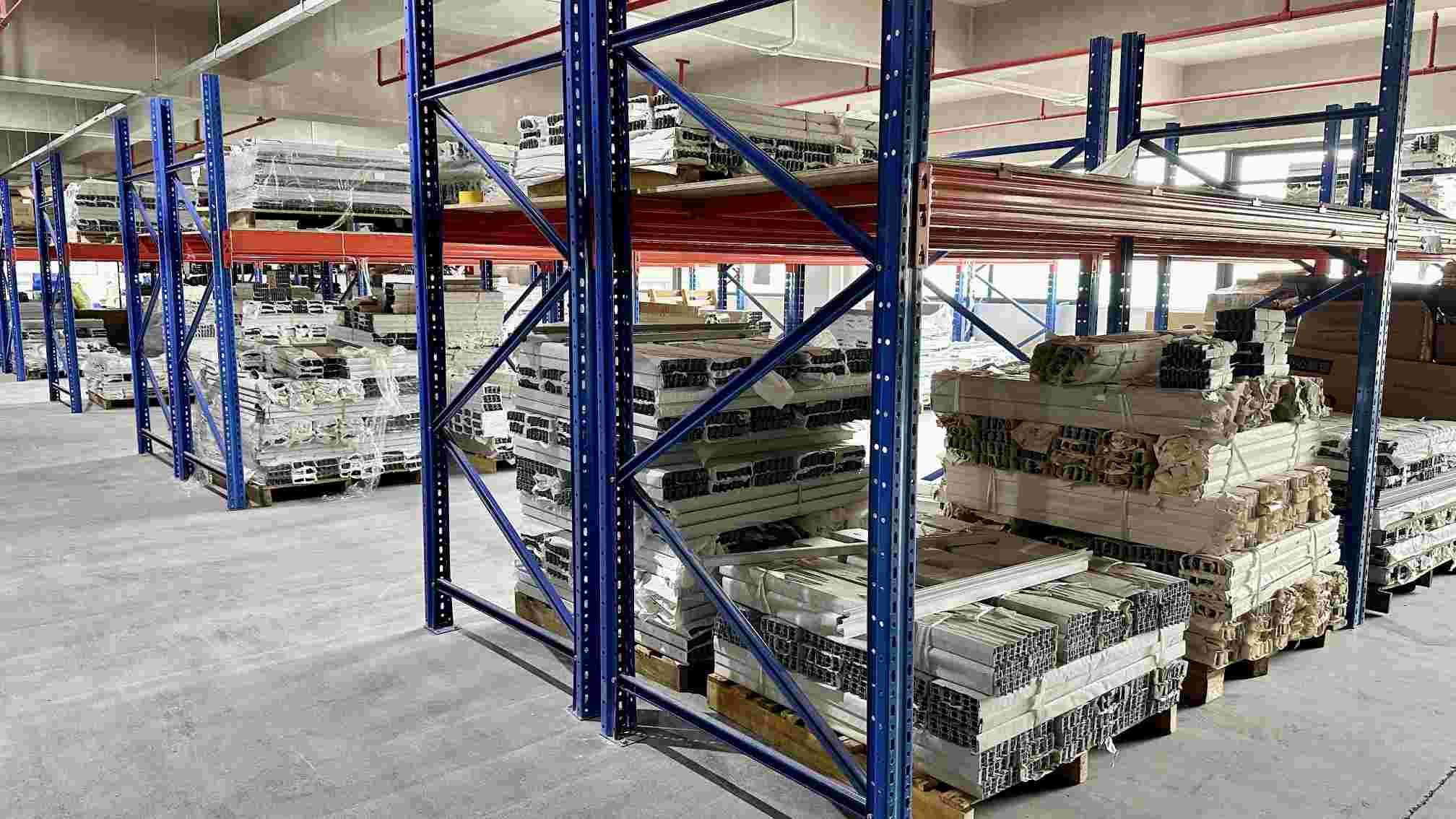
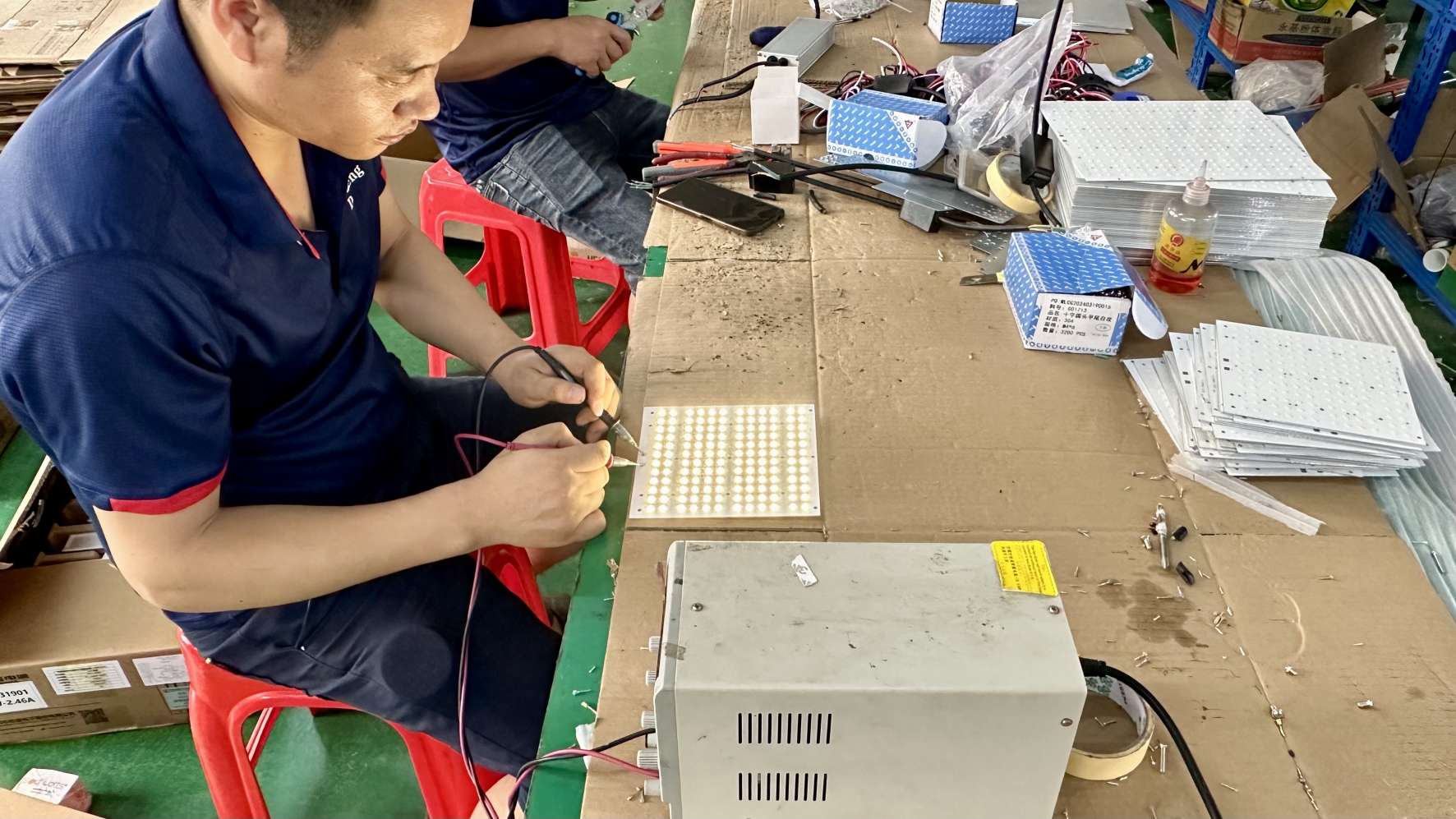
Designing dimmable underwater luminaires requires managing two competing physical phenomena: electrical insulation and heat dissipation. Because water acts as a thermal heat sink, our fixtures leverage this environment using highly advanced structural design.
To resist galvanic corrosion and pitting in chlorinated or saline pool environments, Alter Light relies on marine-grade 316L Stainless Steel and specialized, high-impact polycarbonate (PC) bodies. Steel bodies are precision-milled and passivated to ensure they remain inert when exposed to pool chemistry. Polycarbonate structures are UV-stabilized, preventing yellowing and structural degradation over prolonged exposure to sunlight and chemical oxidizers.
Submerging a light fixture exposes it to constant hydrostatic pressure. At 2 meters depth, a fixture experiences continuous pressure. Alter Light solves this using patented multi-layered silicone seals combined with custom-formulated polyurethane or epoxy potting compounds. These compounds are applied in temperature-controlled environments to prevent air bubbles, creating a solid barrier against moisture ingress.
Although water is an excellent thermal conductor, LEDs generate high concentrated heat at the semiconductor junction ($T_j$). If heat is not removed, it leads to rapid lumen depreciation and chromaticity shift. Our engineers design copper-core metal-clad PCBs (MCPCBs) with thermal conductivity ratings up to $3.0\text{ W/m}\cdot\text{K}$. Furthermore, our dimmable drivers feature integrated thermal rollback. If the water temperature rises abnormally, the driver detects the heat increase and scales back the current, ensuring the LED remains within safe operating temperatures.
Different international regions maintain distinct electrical standards, building safety codes, and environmental conditions. Alter Light designs systems tailored to these regional specifications:
Requires strict compliance with low-voltage safety limits (typically 12V or 15V AC/DC for pool installations). Alter Light provides fully certified, isolated step-down transformers and encapsulated dimmable drivers that meet UL and ETL requirements, protecting swimmers from electrical leakage.
Demands DALI-2 compatibility and compliance with strict energy efficiency ratings. Our European models are designed to integrate with smart building management systems (BMS) and feature low standby power consumption to meet eco-design requirements.
High ambient air and water temperatures require specialized thermal engineering. Our Middle Eastern projects feature thick-walled 316L stainless steel housings with passive heat fins and drivers rated for operation in high-heat environments.
As the smart building ecosystem evolves, underwater lighting is transitioning from static fixtures to interactive, connected nodes. Alter Light's technology roadmap highlights our key focus areas for the future:
Alter Light provides robust, scalable architectural lighting solutions tailored for complex, large-scale installations:
Creates inviting atmospheres with smooth, flicker-free dimming (down to 0.1%) and dynamic color scenes. Our systems support scheduled transitions, shifting from warm ambient tones during evening dining to vibrant, colored backdrops for night events.
Demands rapid-response DMX512 or RDM controls to synchronize light changes with water choreography. Our fountain lights feature precise timing and high-intensity output, designed to project clear beams through fast-moving water columns.
Requires precise spectral control to safeguard animal health. Our dimmable drivers can mimic natural sunlight cycles, including sunrise and sunset, avoiding sudden light shifts that can stress aquatic life.
Explore detailed answers to common engineering questions regarding the design, installation, and operation of dimmable underwater LED lighting systems.
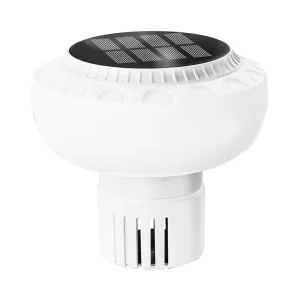
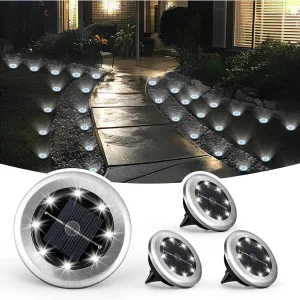
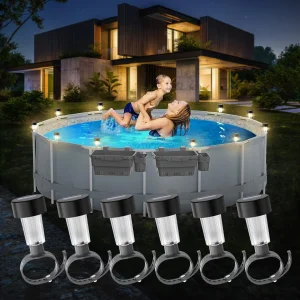
Explore our secondary lineup of specialized solar-powered, floating, and wall-mounted luminaires designed for flexible deployment in diverse water environments.