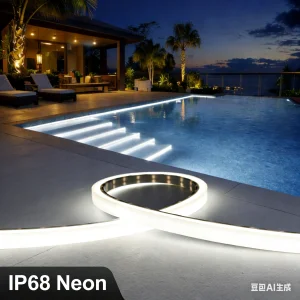
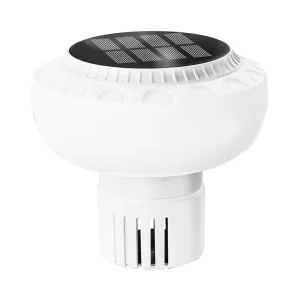
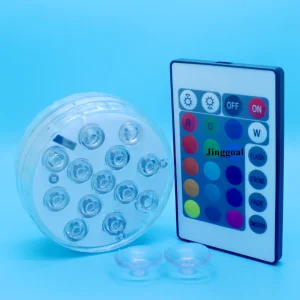
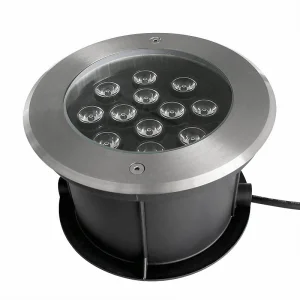
The global luminaire market is undergoing a profound paradigm shift. Modern architectural design no longer views functional illumination in isolation. Instead, there is a mounting demand to merge classical design aesthetics with high-performance, contemporary illumination standards. This intersection has catalyzed the rise of high-end vintage architectural lighting, wherein brass, solid bronze, and heavy-grade stainless steel housings are paired with cutting-edge LED engines.
In upscale residential landscapes, luxury hospitality properties, and heritage conservation sites, architects and lighting planners increasingly reject sterilized, mass-market plastic fittings. The trend is moving decisively toward heavy-metal constructions—specifically low-voltage brass and marine-grade stainless steel—that develop a graceful patina over time while resisting extreme environmental corrosion. To achieve this, manufacturers must balance historical design profiles with modern solid-state electronics, strict thermal management, and advanced ingress protection certifications (IP67/IP68).
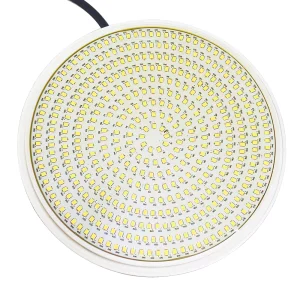
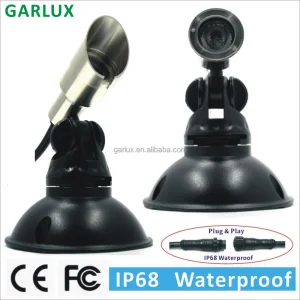
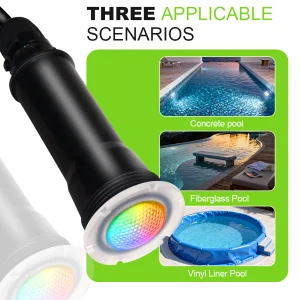
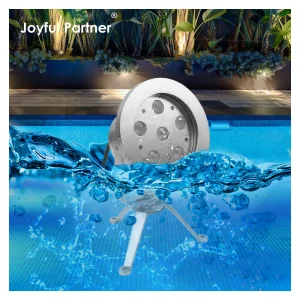
Integrating retro profiles into submerged water features requires unparalleled engineering. By employing heavy brass construction, fixtures resist galvanic corrosion and chemical sanitizers, delivering timeless luxury to architectural water spaces.
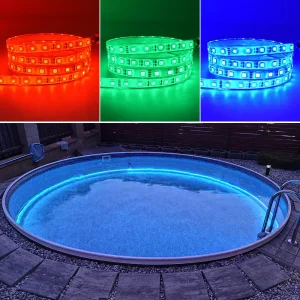
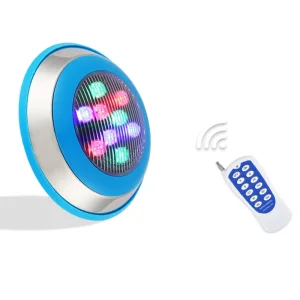
Modern vintage lighting demands intelligent controls. Advanced architectures leverage DMX512 protocols, 2-wire PLC systems, and IoT integrations, allowing old-world designs to output complex, multi-colored dynamic scenes seamlessly.
Global sustainability mandates compel B2B procurers to source durable materials. Low-voltage brass and robust stainless steel luminaires offer lifetimes exceeding 10 years, drastically reducing replacement waste and total cost of ownership.
Procuring architectural and landscape lighting components requires navigating complex international regulations, electrical standards, and structural constraints. For engineering firms, global distributors, and luxury developers, selecting a manufacturing partner is not merely a transaction; it is an exercise in risk mitigation and quality assurance.
North American markets dictate strict adherence to UL (Underwriters Laboratories) standards, specifically UL 676 for underwater luminaires. In Europe and the Asia-Pacific region, CE marking, RoHS directives, and CB schemes are essential. Ensuring low voltage (typically 12V AC/DC or 24V DC) is paramount to guarantee public safety in wet and underwater environments, shielding operators from hazards like electric shocks.
Architectural specifications require materials capable of weathering aggressive environments. Solid brass (copper-zinc alloy) outperforms standard plastics and low-grade aluminum by forming an oxide protective layer, preventing deeper oxidation. Where chlorinated water or saline-rich coastal winds are present, marine-grade AISI 304 or AISI 316 stainless steel is mandatory. Alter Light products utilize these materials to maintain mechanical integrity and visual elegance over decades.
High-end commercial venues demand high Color Rendering Index (CRI > 80) to illuminate natural textures accurately. Furthermore, maintaining color consistency (measured via MacAdam Ellipses/SDCM) across multiple manufacturing batches ensures that adjacent lighting installations do not show distracting shifts in kelvin temperature.
Shenzhen Alter Light Co., Ltd. operates at the vanguard of the modern "Factory 4.0" paradigm. By blending legacy metalworking crafts with computerized robotic automation, the factory optimizes both throughput and quality precision. Our agile production ecosystem allows us to support custom CAD-to-prototype cycles, private-label branding, and rapid adjustments in raw material scaling.
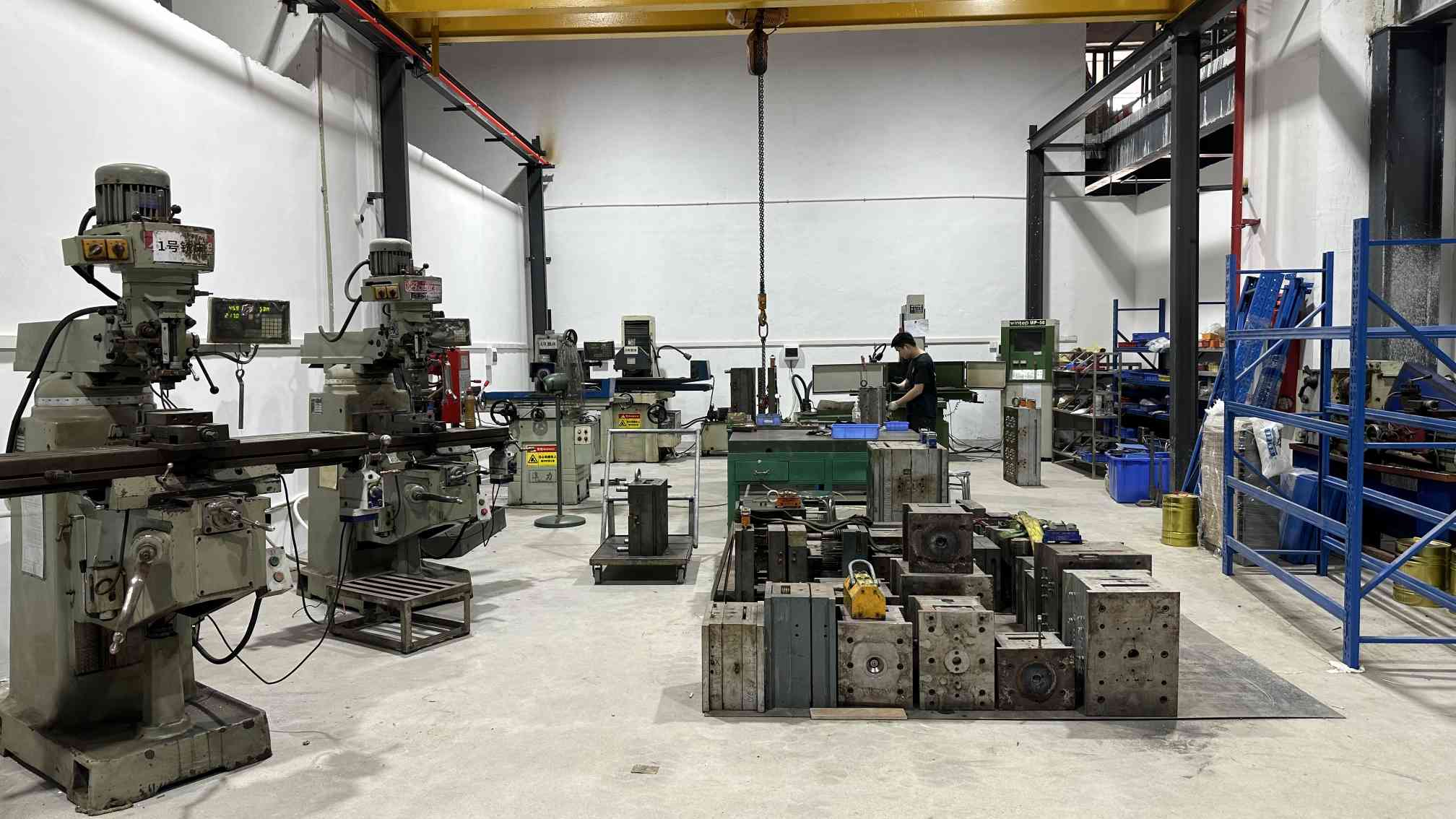 Mould Processing
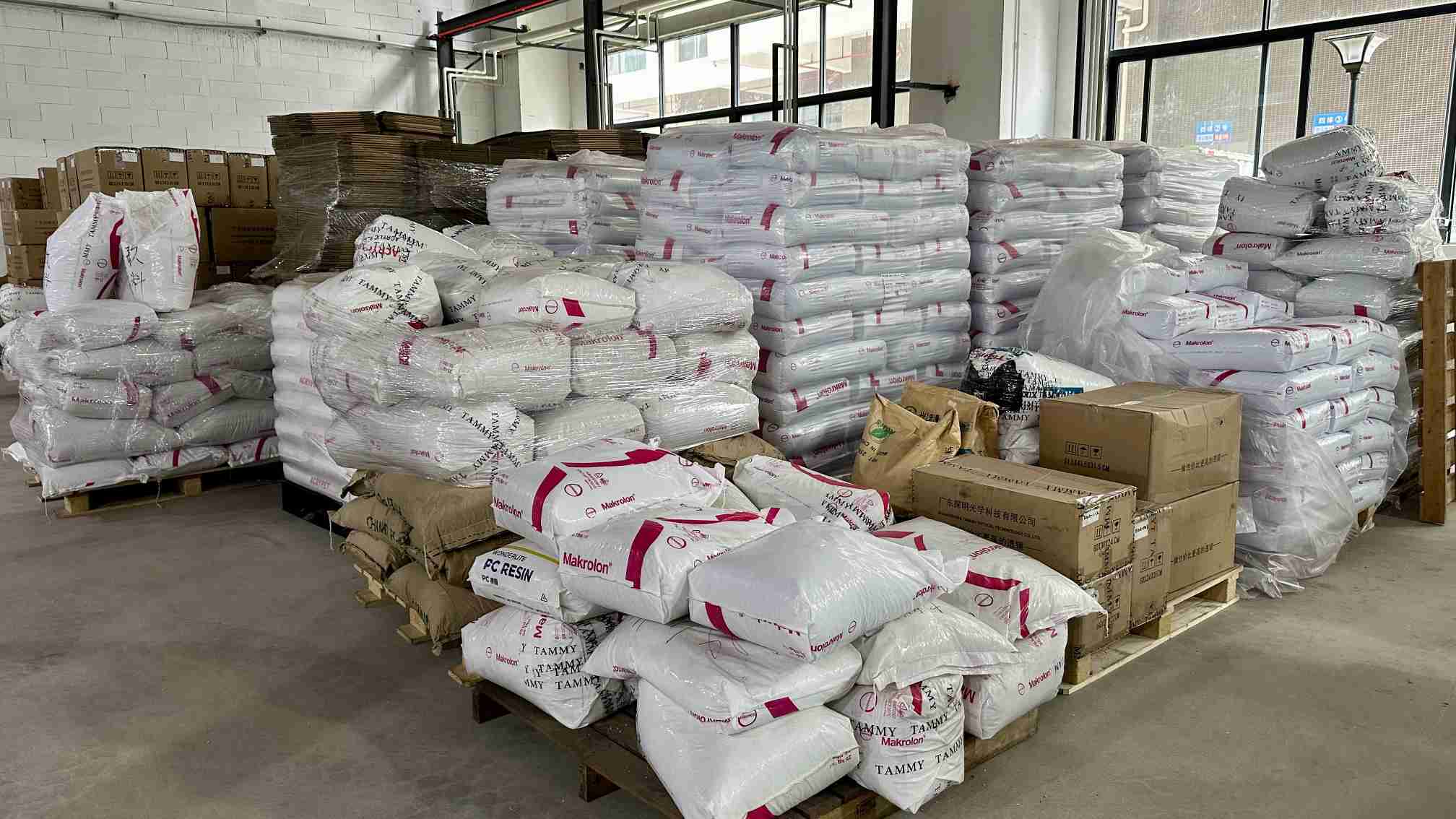 Plastic Raw Materials
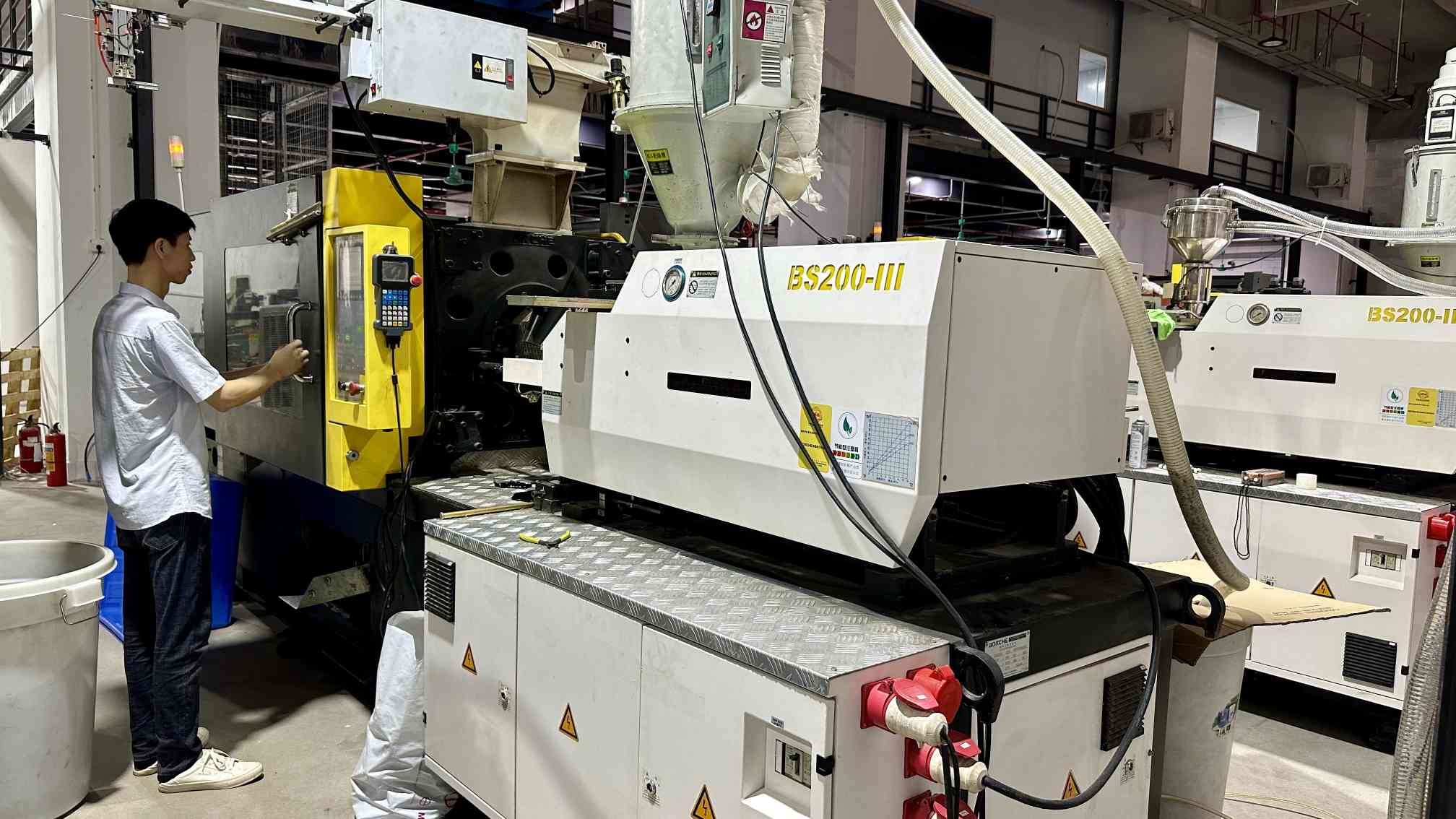 Injection Molding
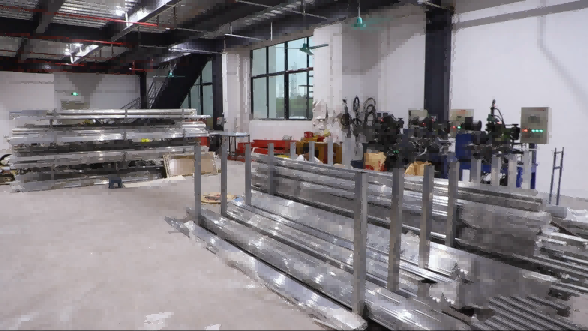 Aluminum Materials
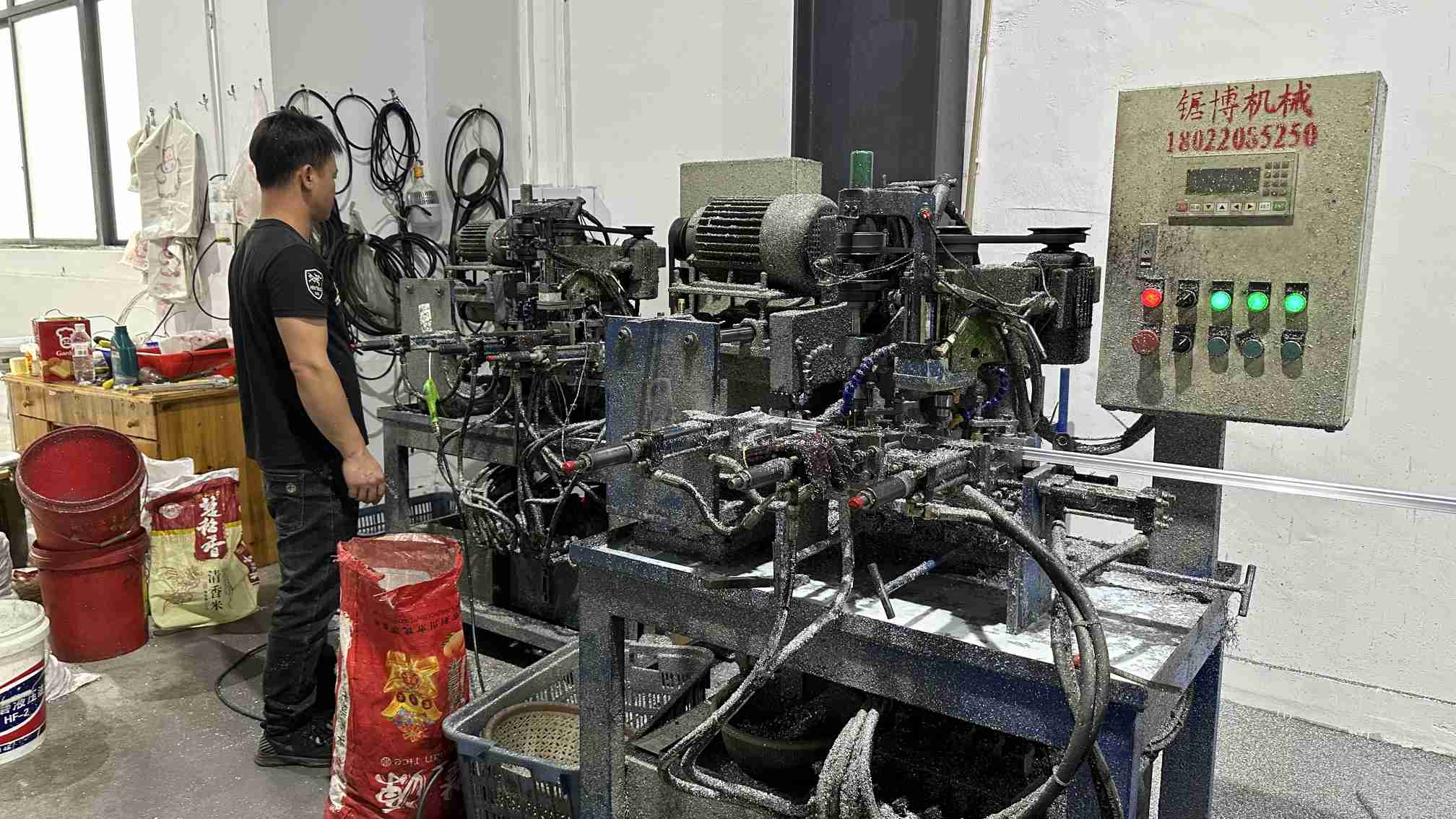 Cutting
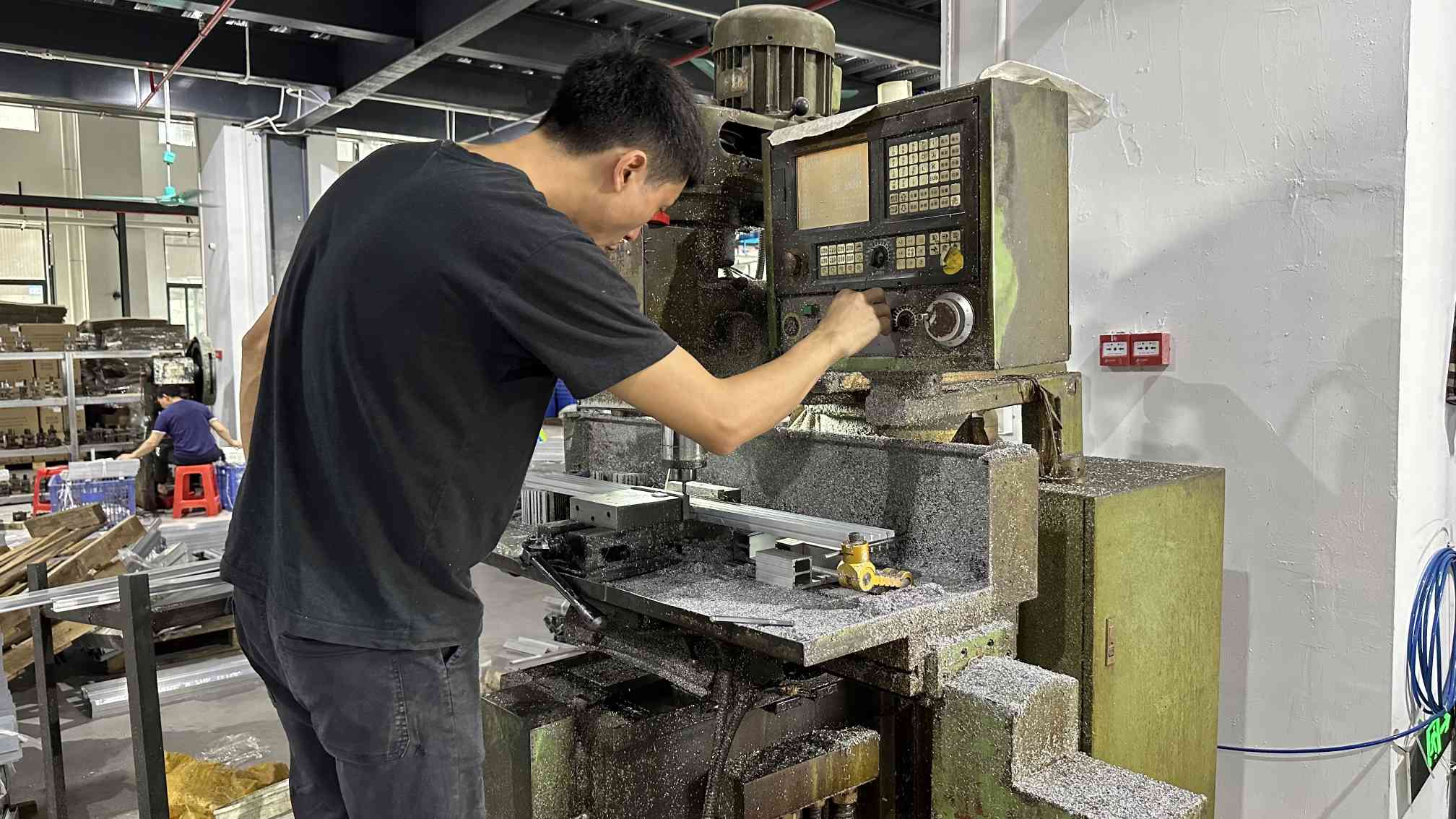 Milling
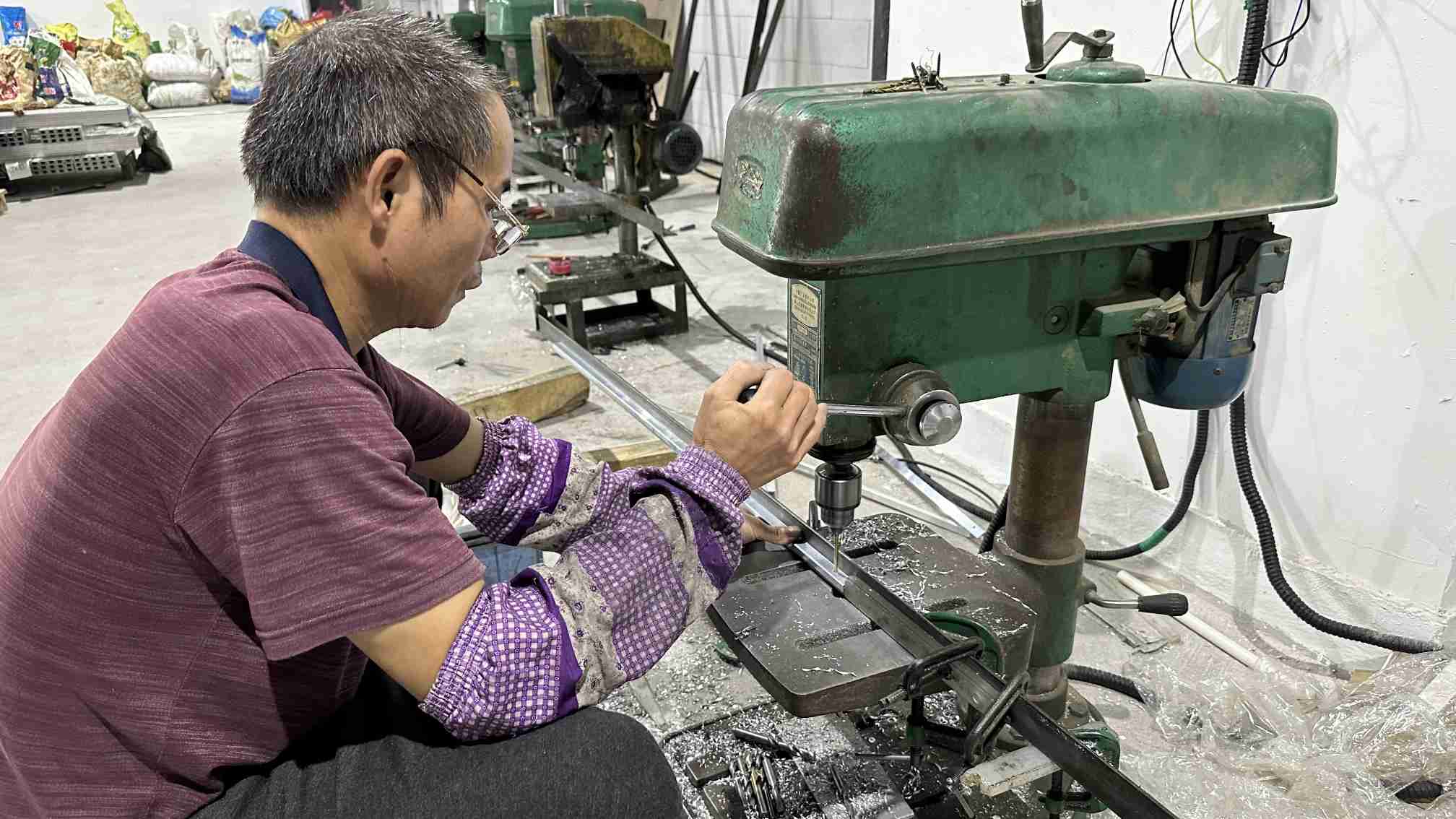 Drilling
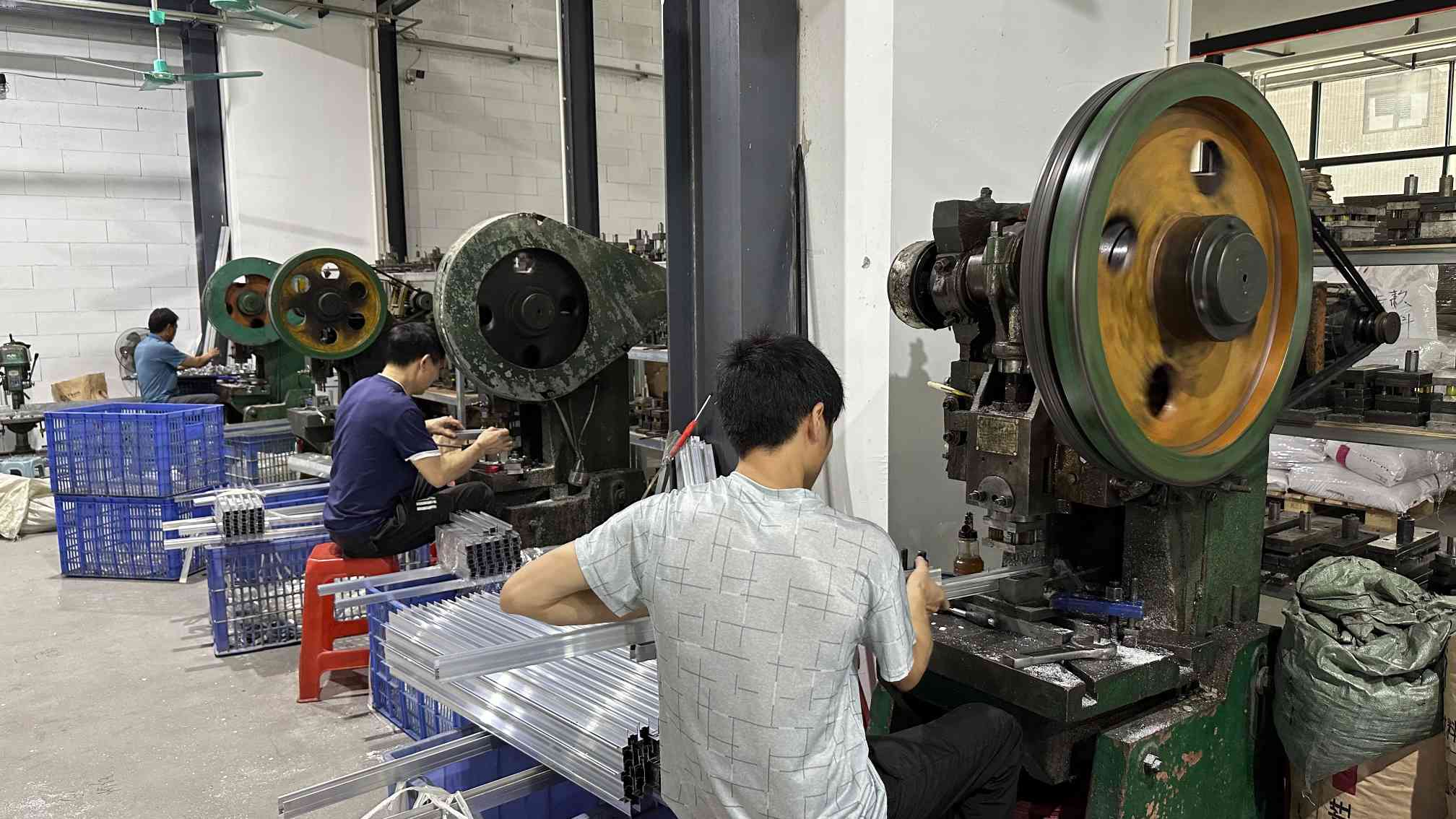 Punching
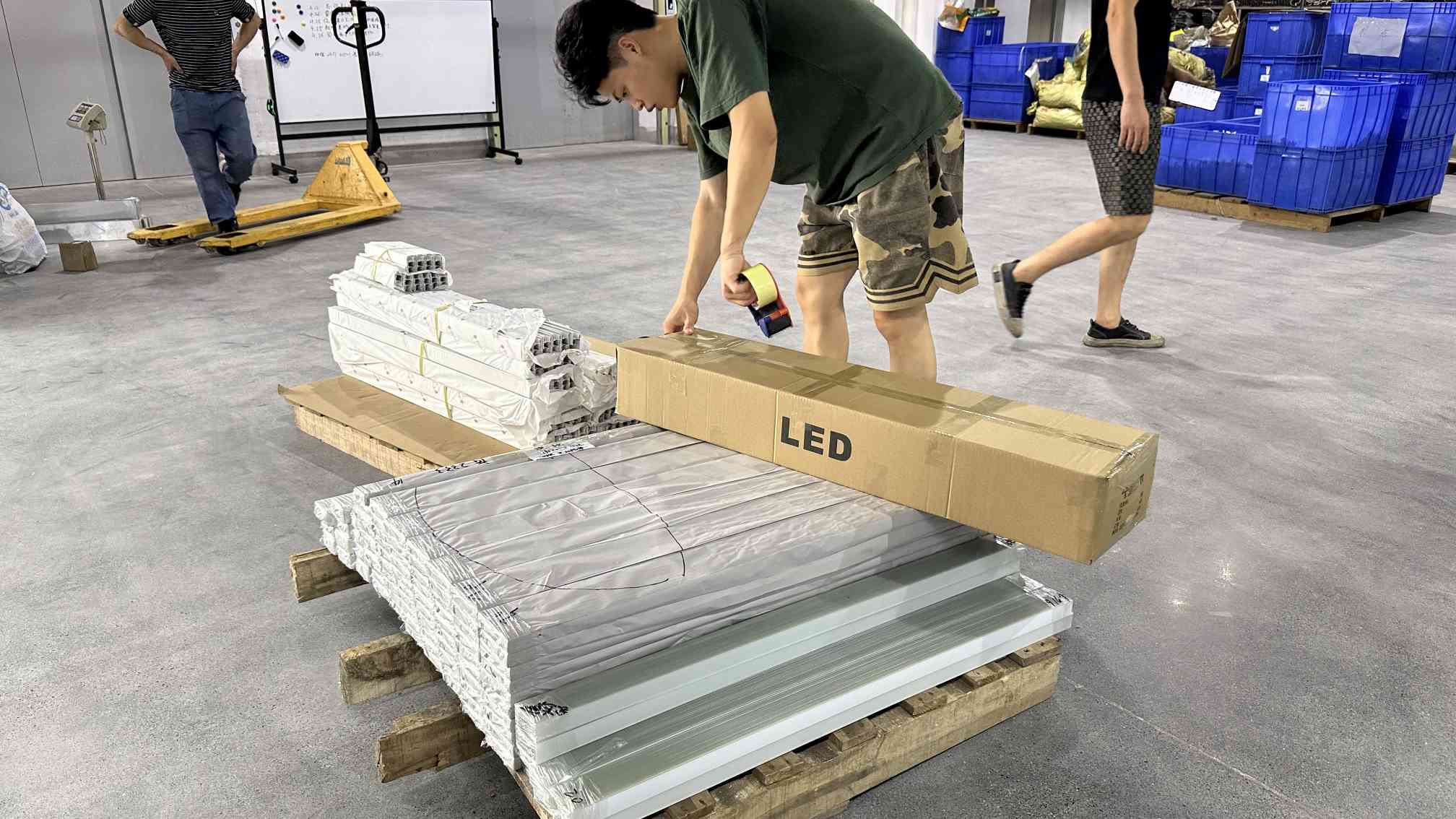 Packing
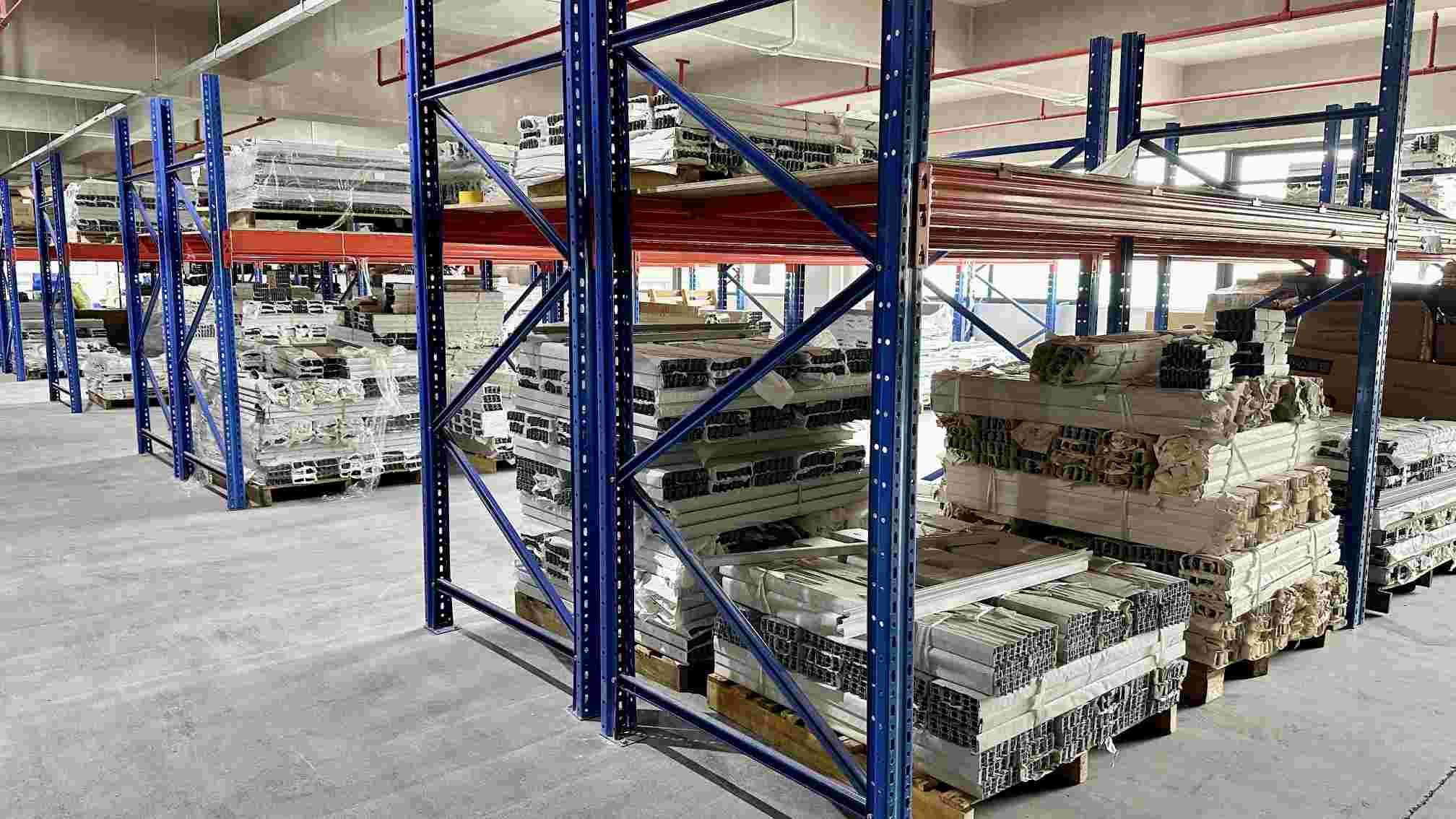 Storage
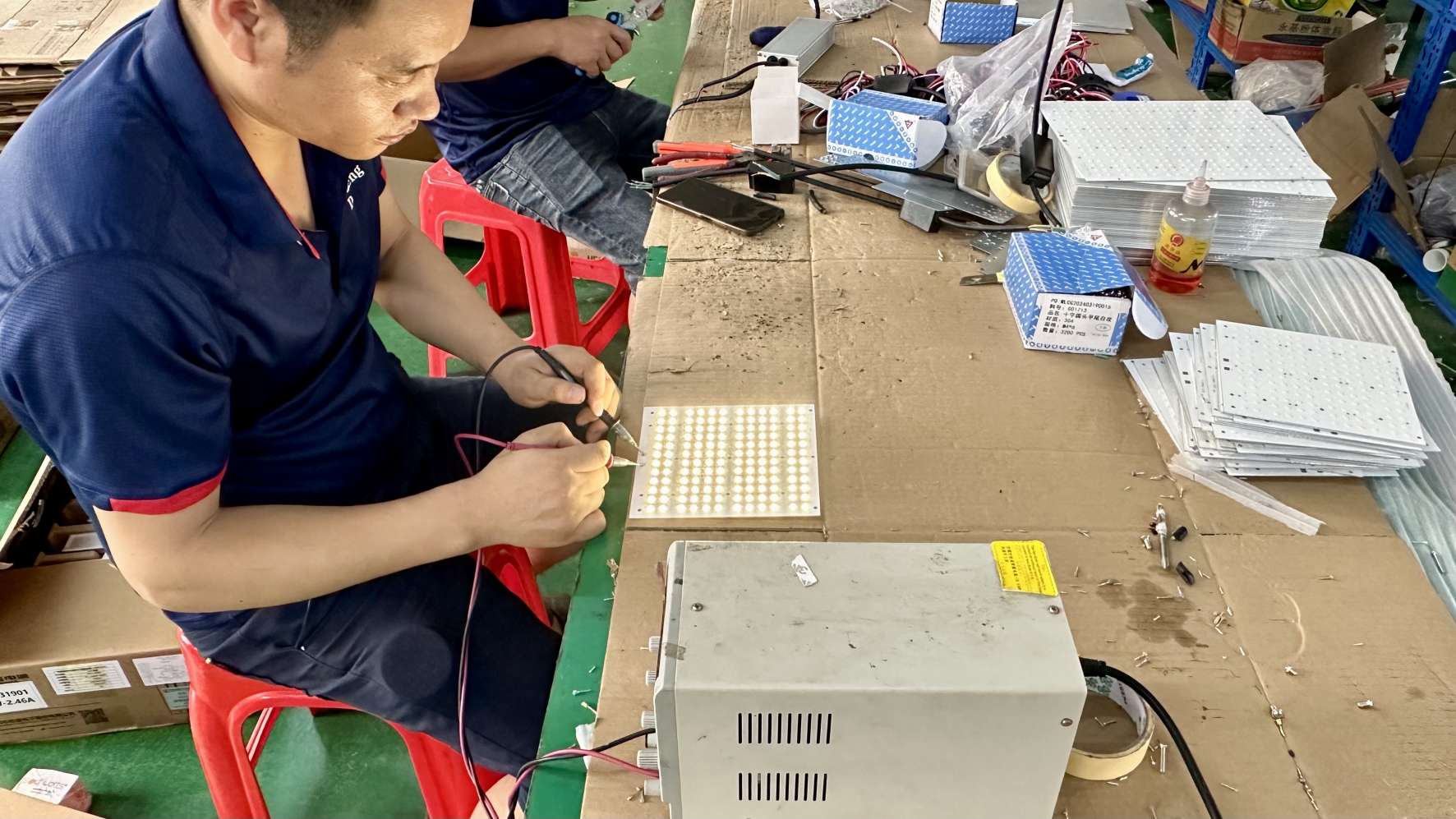 Parts Testing
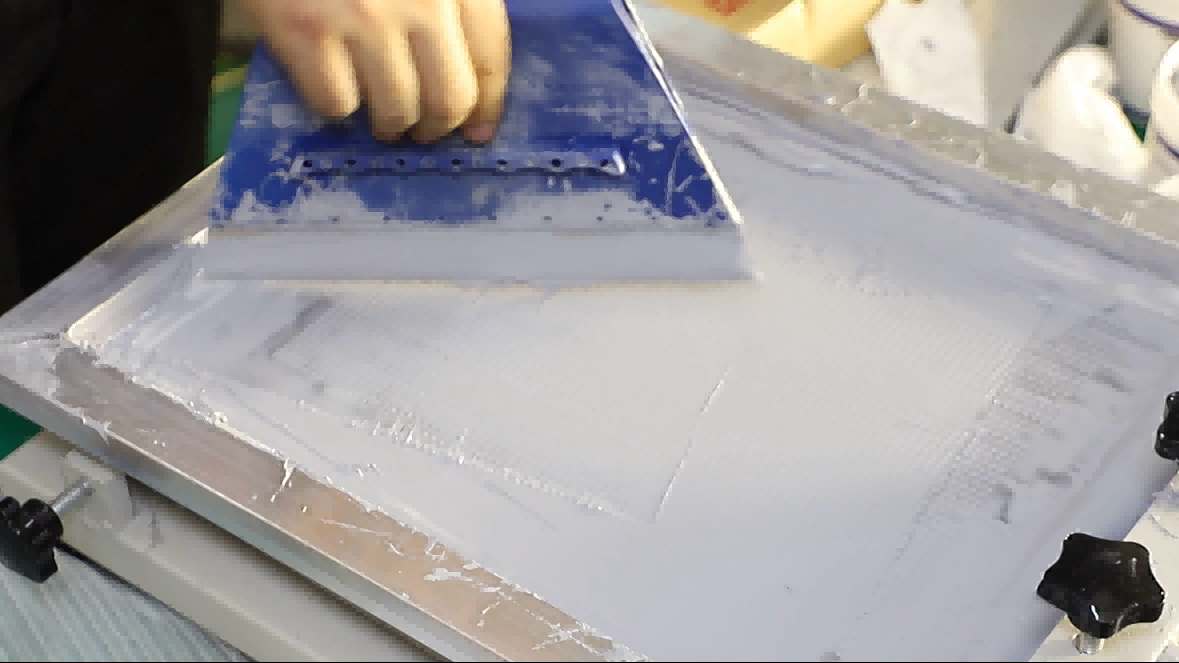 Gluing
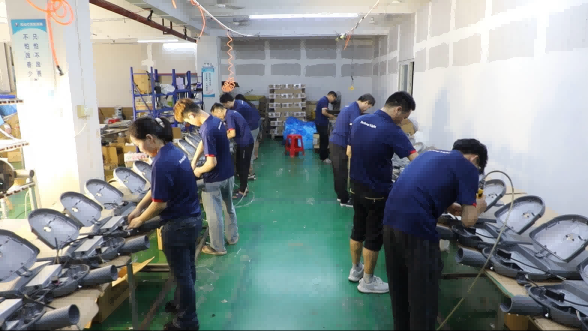 Assembly (Mechanical)
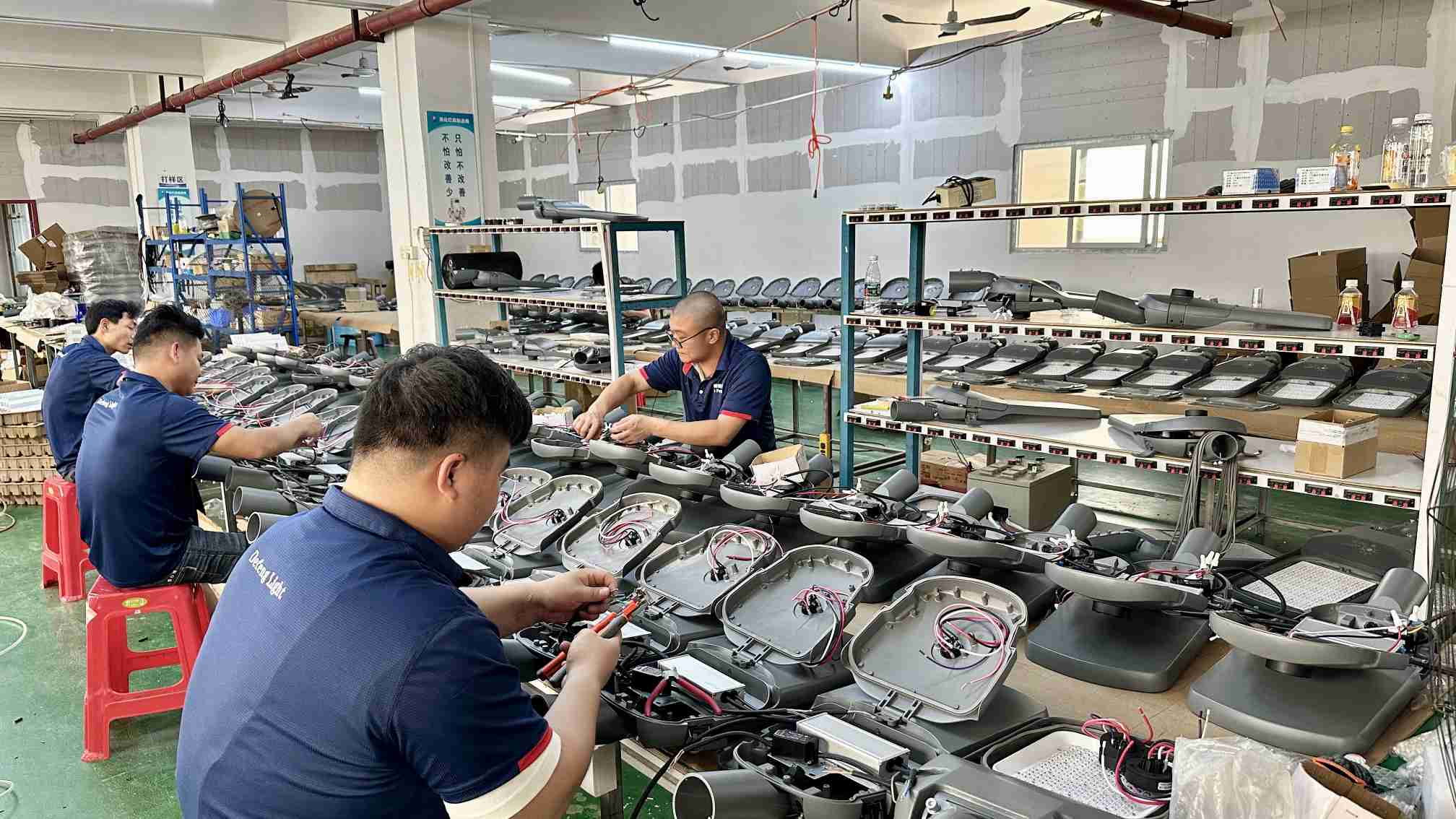 Assembly & Testing
Shenzhen Alter Light Co., Ltd. stands as a premier architect of advanced underwater and architectural landscape lighting configurations. Operating from China’s tech hub, we integrate cutting-edge LED technologies with robust mechanical designs. Our engineering capabilities span complex optical designs, thermal modeling, and custom control architectures, delivering premium lighting projects across Europe, North America, South America, the Middle East, and Asia-Pacific.
Our focus on combining safety, durability, energy efficiency, and modern design allows us to deliver reliable, long-term lighting systems to global customers. Our patented sealing and thermal management technologies ensure long-term stability and safety in harsh underwater environments, meeting strict IP68 ingress protection standards.
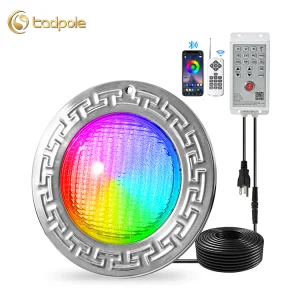
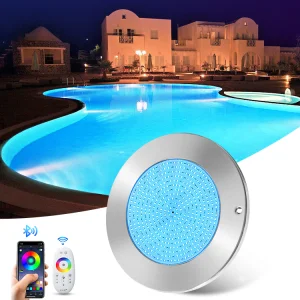
We offer advanced synchronized color control systems (including 2-wire and smart control solutions), enabling seamless lighting effects across multiple fixtures, making pools and water features more dynamic and visually appealing.
Our production system facilitates bespoke modifications, tailored optical beam angles, private labeling, and custom housings, enabling global partners to customize solutions for unique local regulations and project specs.
Every geographical region presents unique challenges for outdoor and underwater lighting. By matching correct materials and electrical architectures to regional climates, designers can maximize installation life.
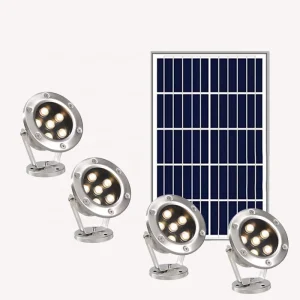
High humidity and salt-saturated air cause standard aluminum housings to corrode. For luxury resorts along the Mediterranean or Caribbean, Alter Light provides 304 and 316 marine-grade stainless steel casings alongside solid brass spotlights. These materials withstand salt mist, ensuring consistent performance without aesthetic deterioration.
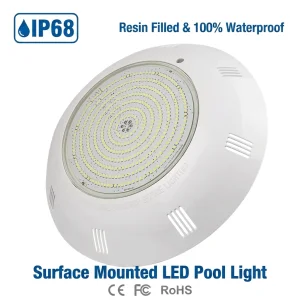
In regions with extreme temperature swings, materials expand and contract rapidly, compromising seals. Our resin-filled LED pool lights feature high-elasticity polyurethane compounds that maintain bonding and waterproof integrity down to -20°C.
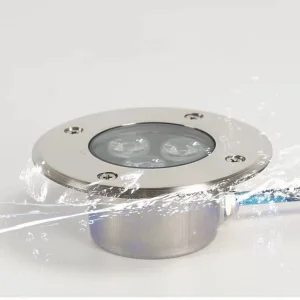
Municipal water features require robust construction to withstand heavy foot traffic and public contact. Low-voltage (12V AC/DC) buried recessed lights, constructed with high-strength tempered glass lenses and load-bearing brass covers, ensure safety and mechanical resilience.
Here are expert answers to technical and procurement questions regarding brass landscape and submersible lighting solutions.