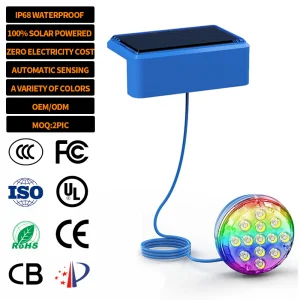
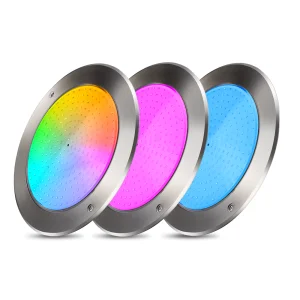
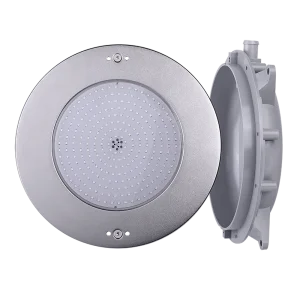
Engineered for extreme ingress protection, optimal thermal dissipation, and precise optical performance
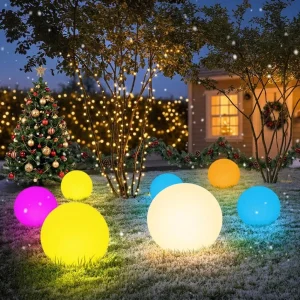
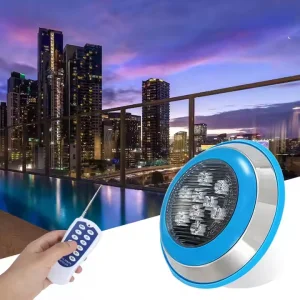
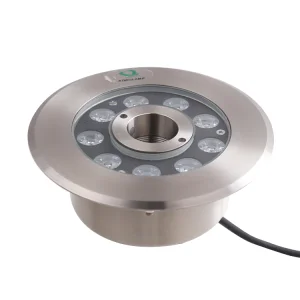
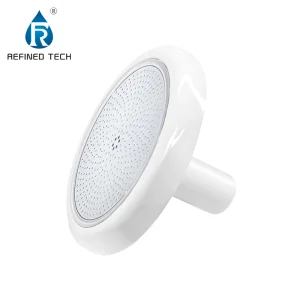
Modern architectural paradigms place immense value on structural transparency and nocturnal dynamics. Inground uplighting and submersible LED illumination have transitioned from high-end accents to fundamental engineering safety and aesthetic requirements. From public plazas and municipal fountains to resort water features and upscale residential concrete swimming pools, lighting fixtures are demanded to deliver not just illumination, but long-term structural integrity and smart control adaptability.
As a premier OEM/ODM manufacturer, Shenzhen Alter Light Co., Ltd. addresses the core pain points of global buyers: moisture ingress, material degradation under saline or chlorinated conditions, thermal mismanagement in sealed housings, and complicated wiring sync protocols. This document provides a technical overview of current global commercial trends, manufacturing protocols, and design strategies deployed within our advanced production lines.
The global market for inground and underwater lighting is driven by the rapid expansion of smart cities, municipal retrofitting, hospitality infrastructure investments, and premium residential landscapes. Industry research projects the commercial landscape lighting sector to grow at a compound annual growth rate (CAGR) of over 6.5% through 2030, with a major emphasis on low-voltage DC and smart controls.
Inground uplights must survive extreme conditions: dynamic load testing (drive-over ratings for plazas), thermal shock from cold rain on hot glass, and chemical exposure in treated pools. Regionally, strict construction guidelines enforce standard compliant luminaires. For instance, the National Electrical Code (NEC Article 680) in North America regulates underwater lighting certifications and low-voltage thresholds to safeguard public spaces, while CE and RoHS certifications dictate compliance in European jurisdictions.
Architects and MEP (Mechanical, Electrical, Plumbing) consultants are increasingly specifying fixtures that blend invisibly into pavements or pool liners during the day, yet deliver high-lumen output at night with zero glare. This requires advanced optical lens configurations, asymmetrical beam angles, and flush-mounted architectural housings.
China continues to be the dominant global exporter of architectural and underwater lighting. The geographic clustering of LED components, raw aluminum extrusions, precision CNC tooling houses, and automated testing labs within the Pearl River Delta (Shenzhen-Dongguan axis) allows for unmatched production velocity. At Shenzhen Alter Light Co., Ltd., this integrated ecosystem translates into measurable advantages for our partners: lower raw material costs, rapid prototyping turnarounds, and robust customization options.
Our facility leverages this local supply chain by integrating strict in-house quality control workflows, combining rapid mould processing with precise injection molding and metal drilling. Unlike fragmented assembly houses, we monitor and execute every phase of manufacturing—from raw material testing to final automated resin sealing.
Advanced tooling processing facilitates localized adjustments to custom optics, beam angles, and outer bezel profiles within days instead of weeks.
Our specialized resin-filled sealing processes ensure complete elimination of internal air pockets, mitigating condensation and securing IP68 status.
Every fixture undergoes cycling within dedicated environmental chambers to verify heat dissipation and driver stability under extreme loads.
Shenzhen Alter Light Co., Ltd. is a leading manufacturer in the swimming pool lighting industry. We are not only a production facility, but also an innovation-driven company integrating advanced technology, product development, and quality manufacturing. With a highly experienced R&D team and a strict quality assurance department, we are able to provide complete lighting solutions for swimming pools and underwater environments. Our focus is on combining safety, durability, energy efficiency, and modern design to deliver reliable lighting systems for global customers.
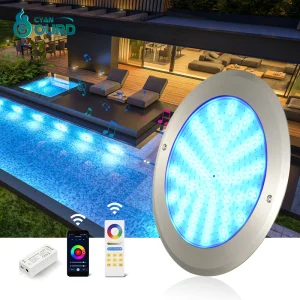
All underwater lighting products are designed to meet high protection standards such as IP68 waterproof rating. Our patented sealing and thermal management technologies ensure long-term stability and safety in harsh underwater environments. We also offer synchronized color control systems (including 2-wire and smart control solutions), enabling seamless lighting effects across multiple fixtures, making pools and water features more dynamic and visually appealing. We welcome OEM and ODM partnerships as well as regional distributor collaborations. Our flexible manufacturing system allows us to support customized designs, private labeling, and project-based lighting solutions. At Shenzhen Alter Light Co., Ltd., we believe in a win-win cooperation philosophy. We are committed to delivering high-quality products, competitive pricing, and reliable long-term service to our global partners.
Our production workflow is structured to optimize physical product durability, structural accuracy, and performance efficiency. Each stage of our production is executed in-house to guarantee consistency across production batches:
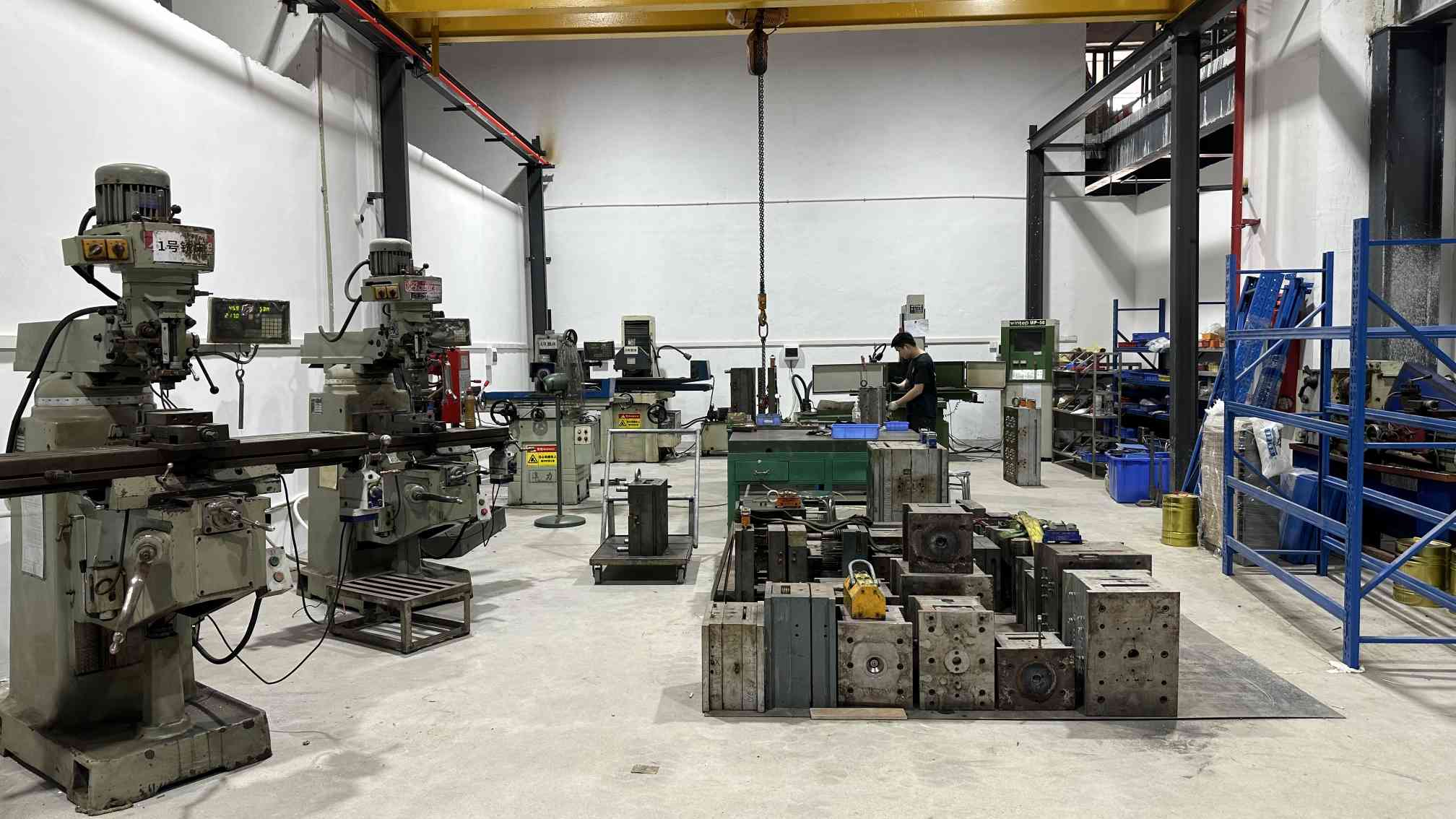
Mould Processing

Plastic Raw Materials
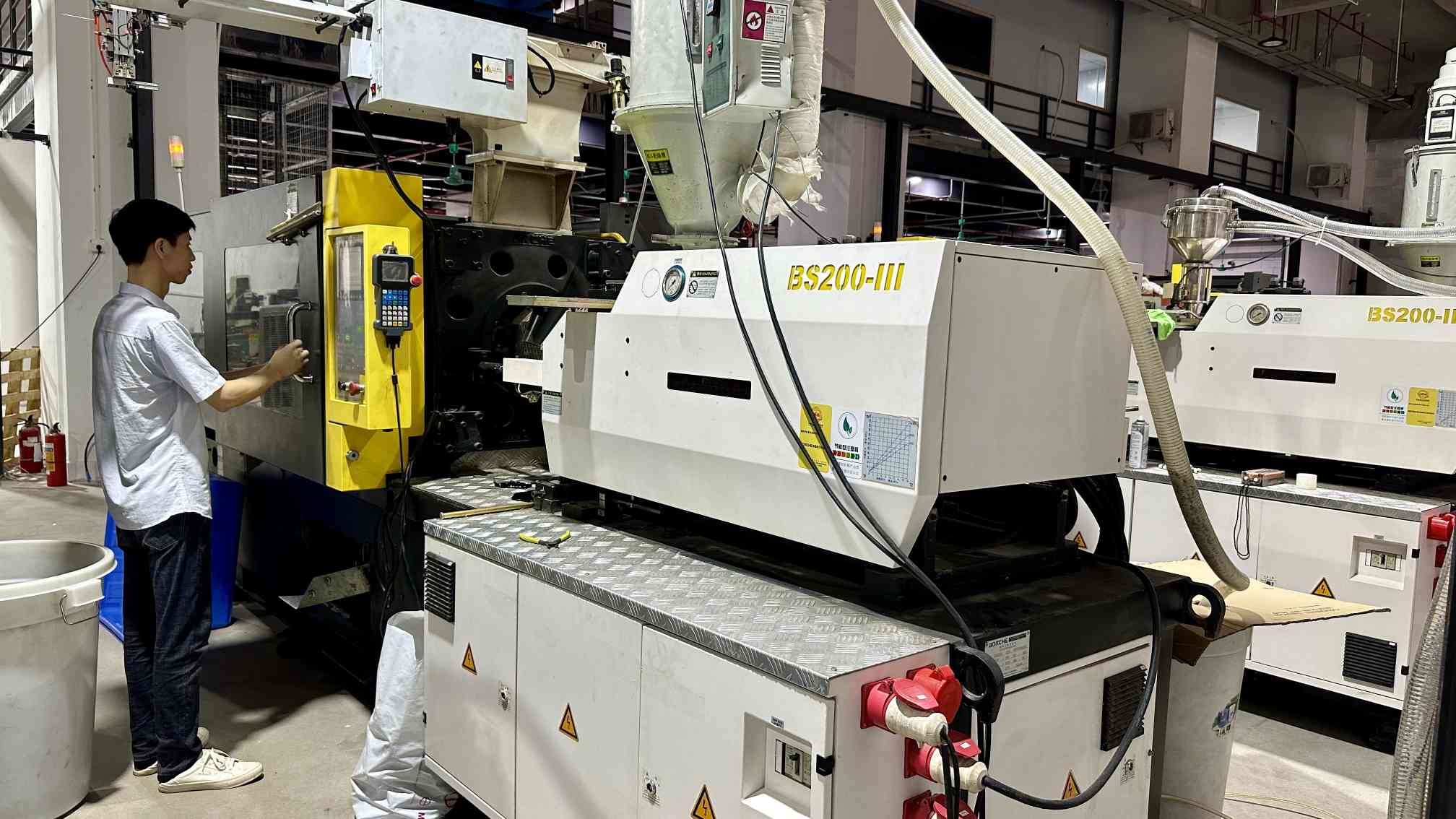
Injection Molding
Aluminum Materials
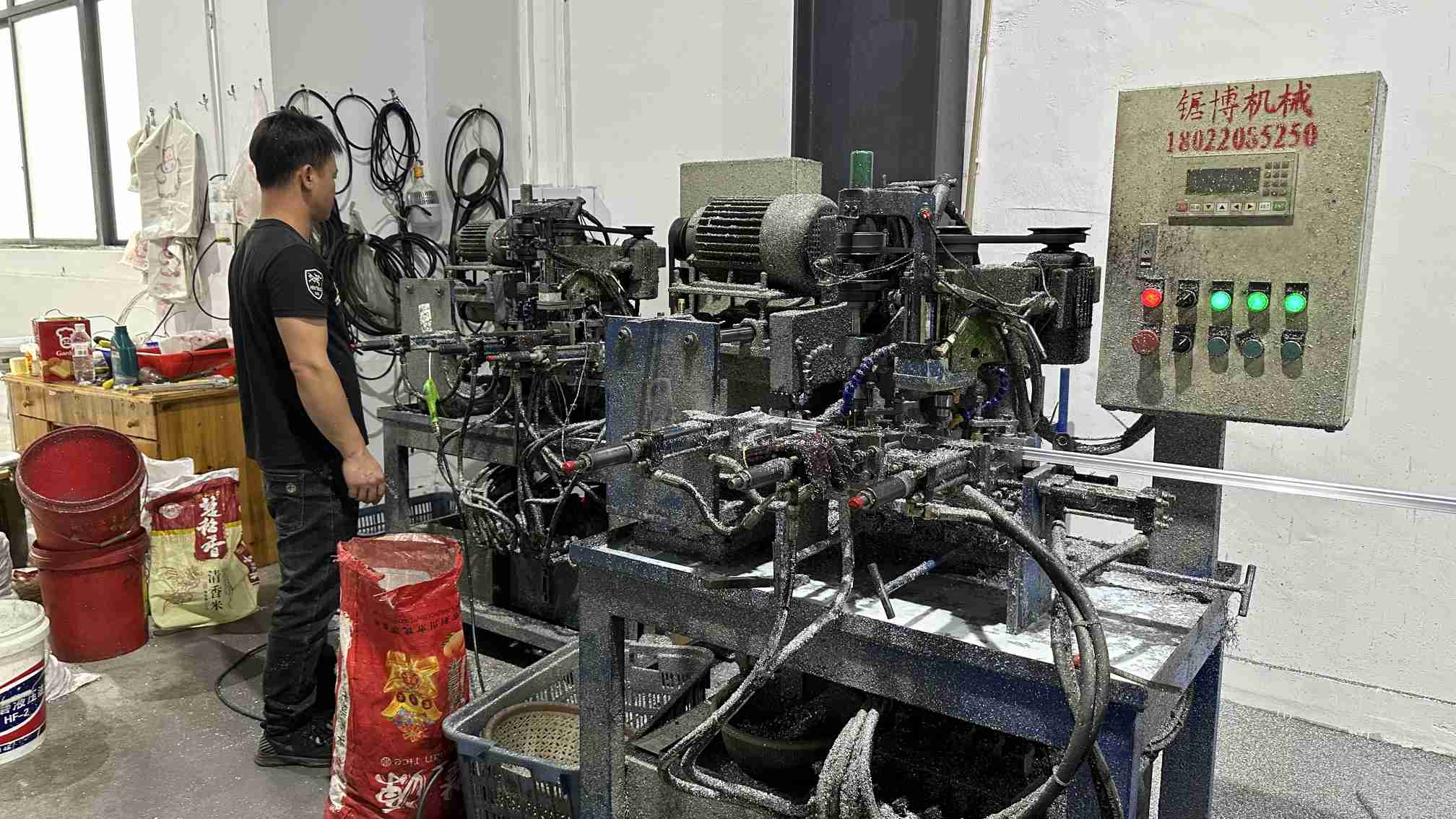
Cutting
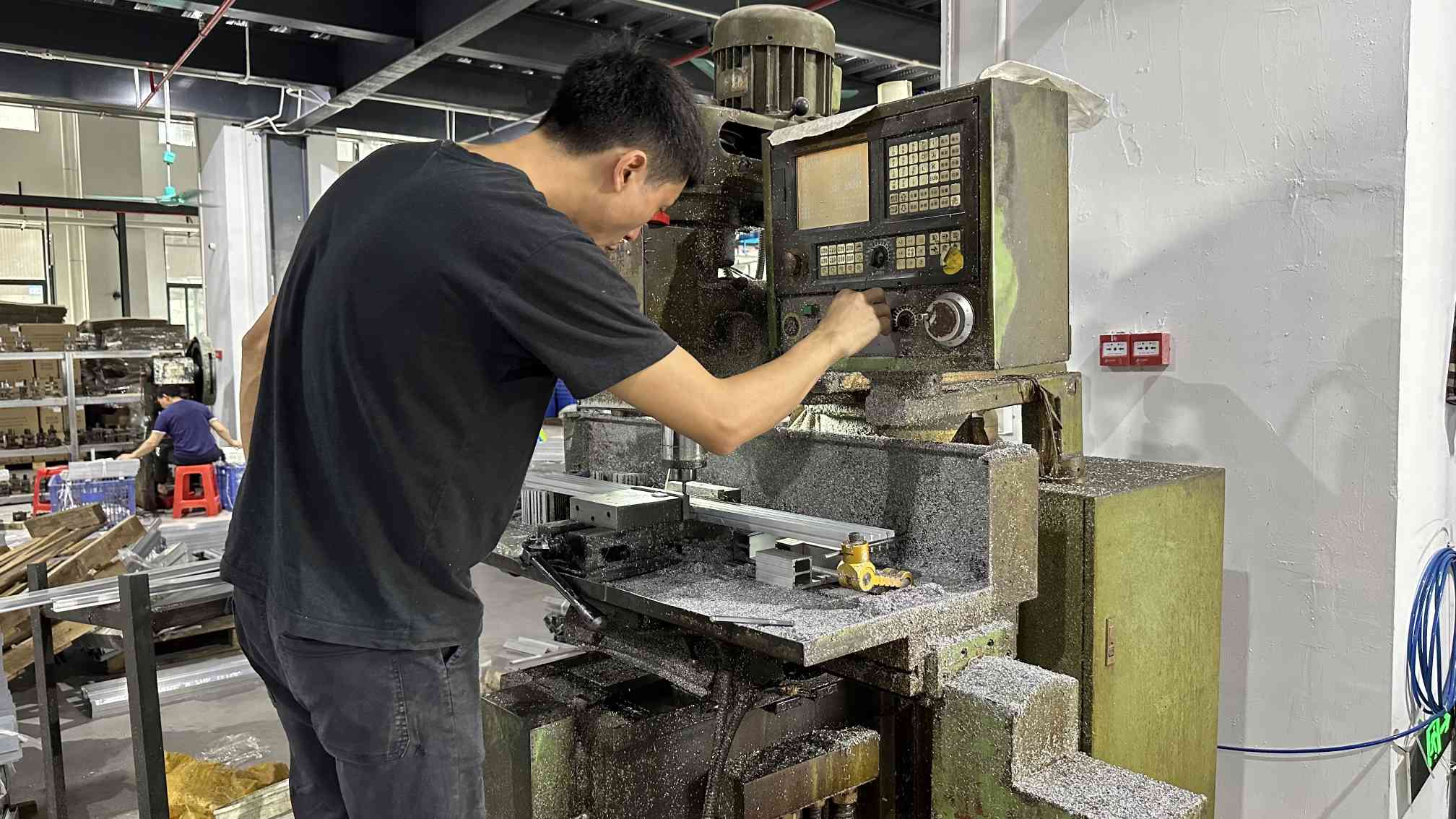
Milling

Drilling
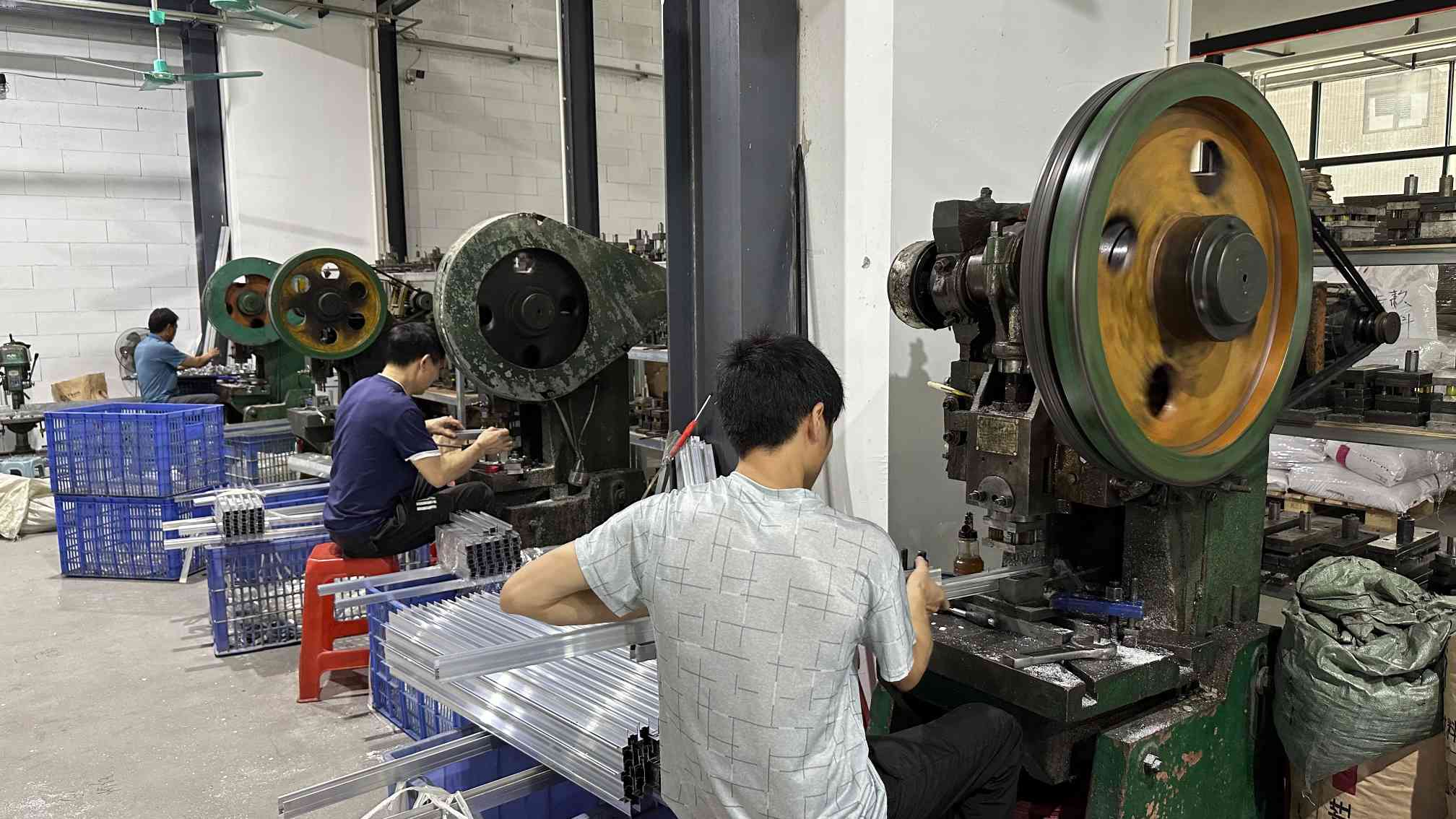
Punching
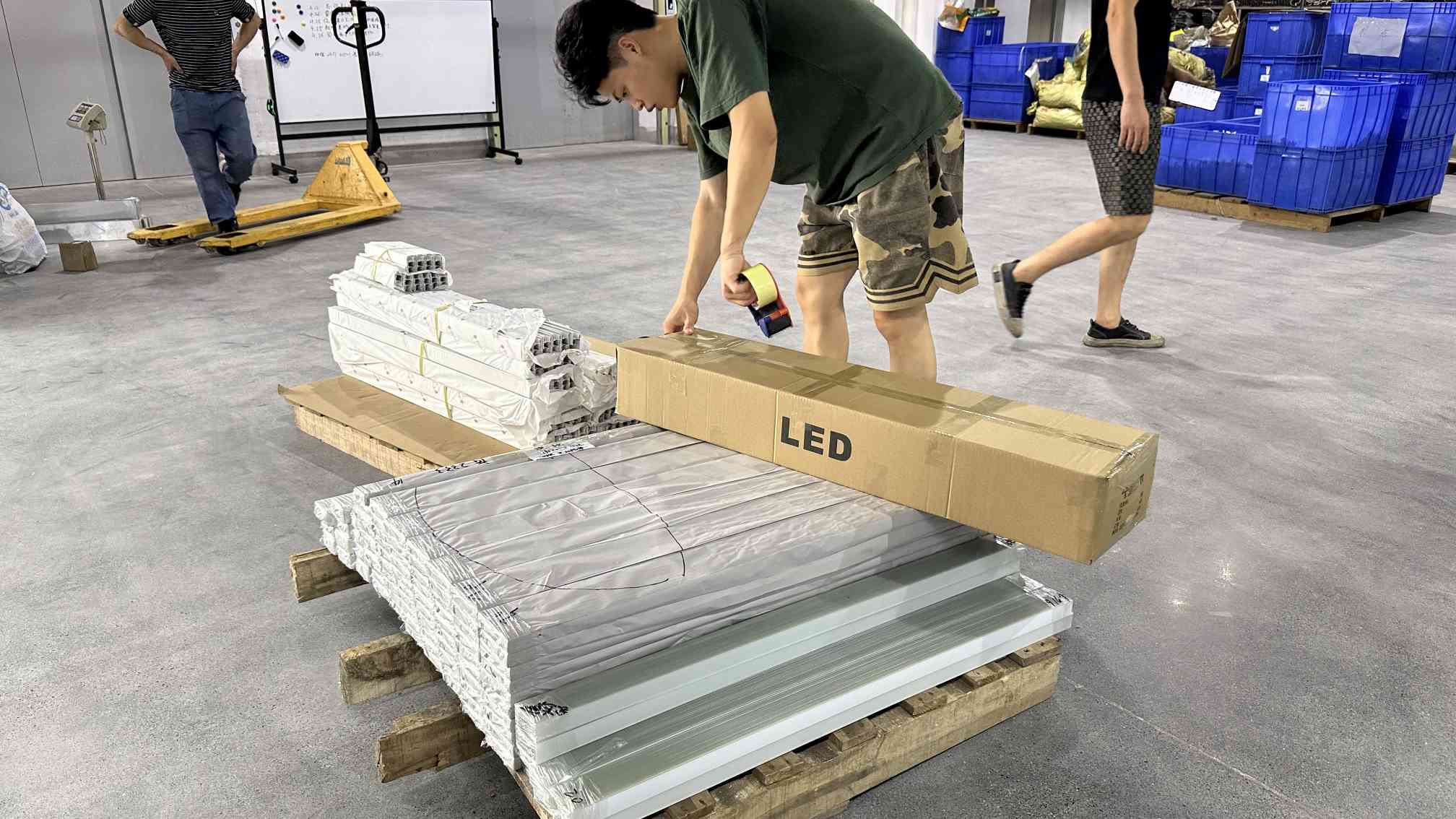
Packing
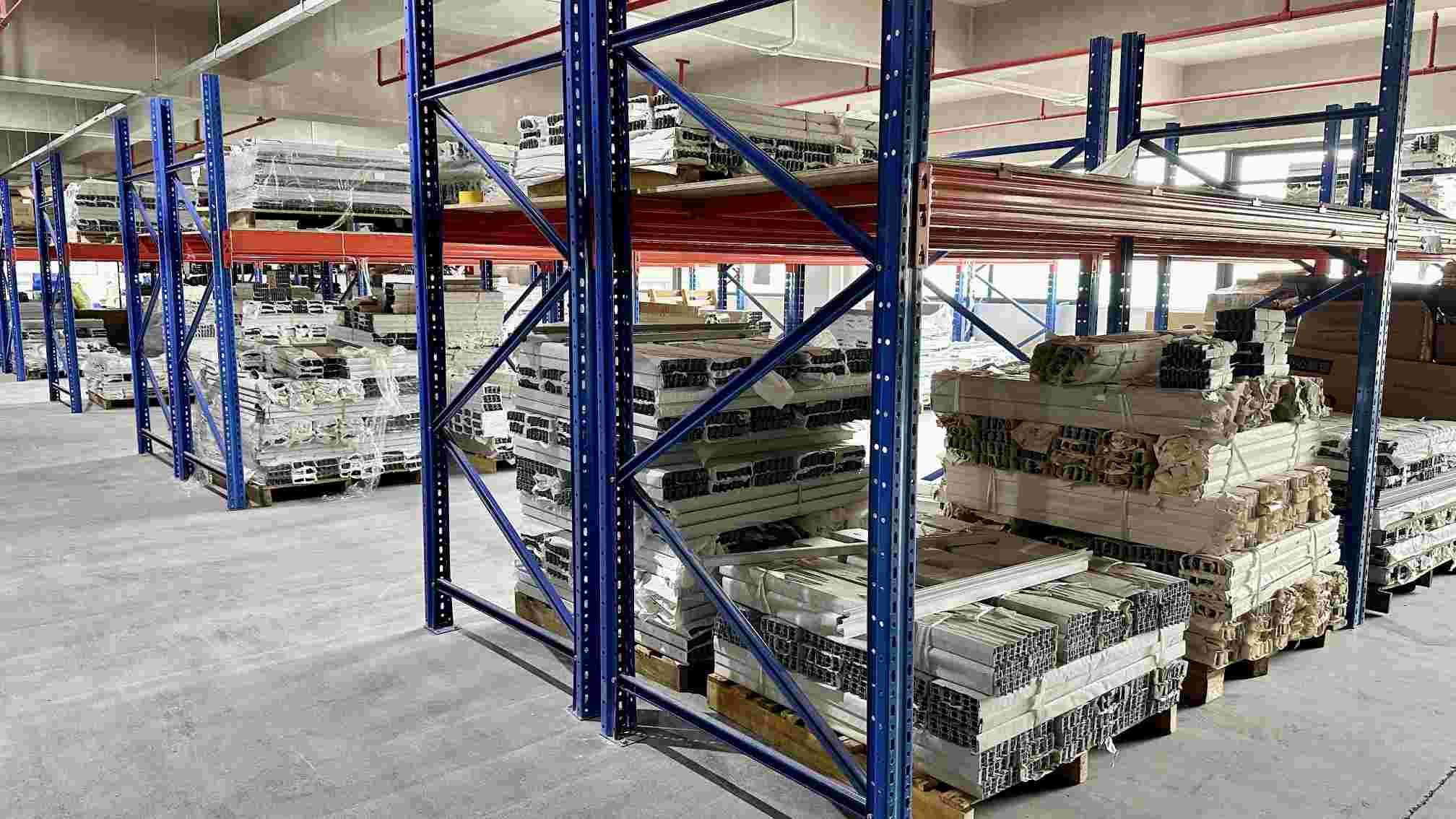
Storage
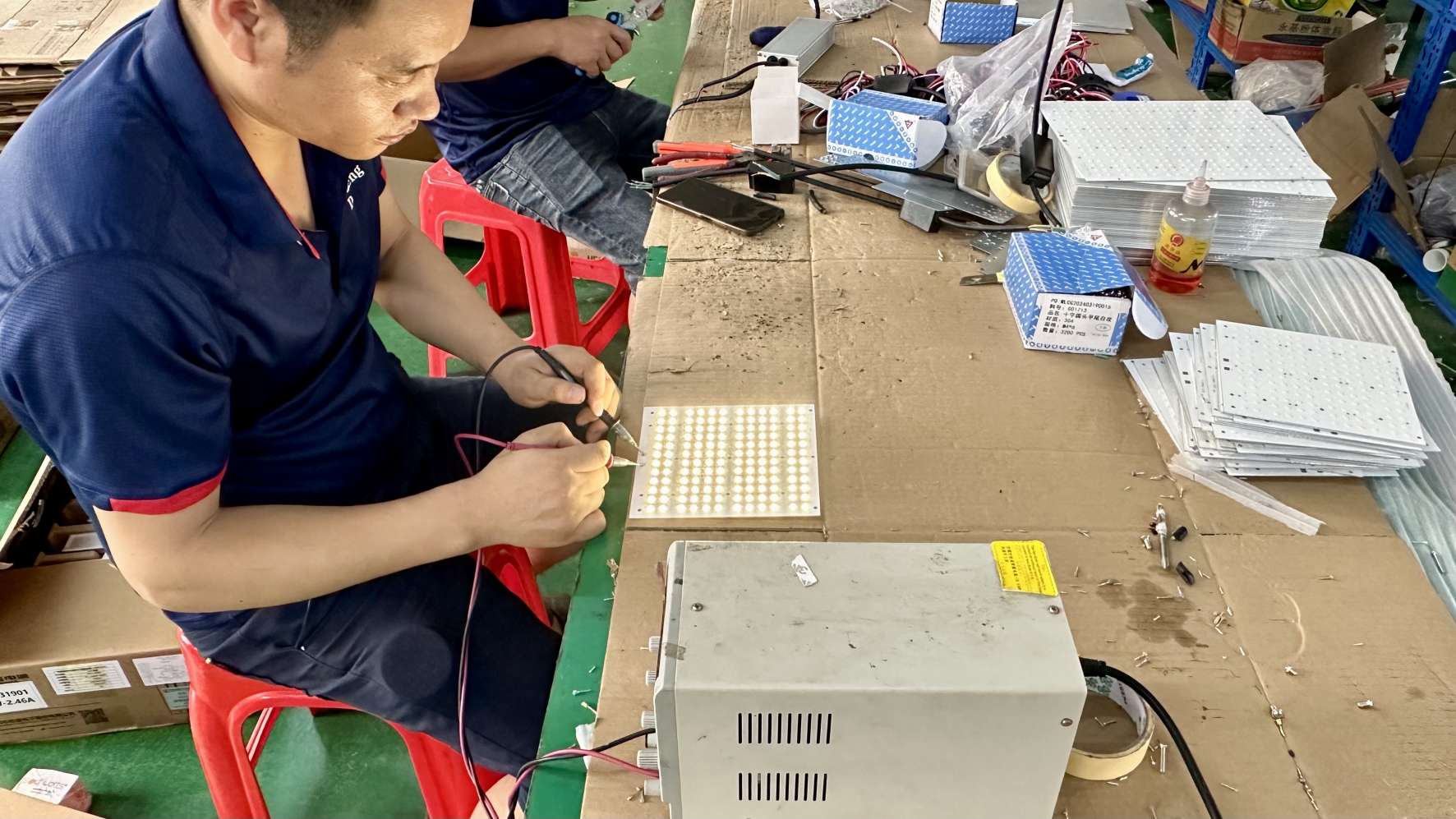
Parts Testing
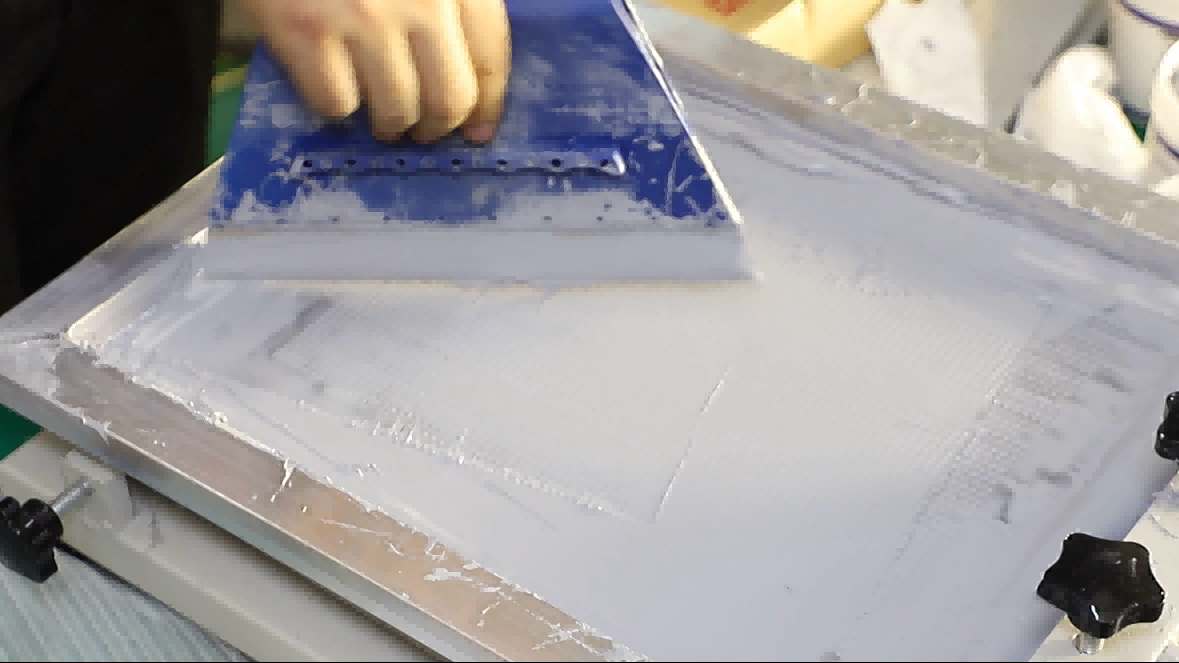
Gluing
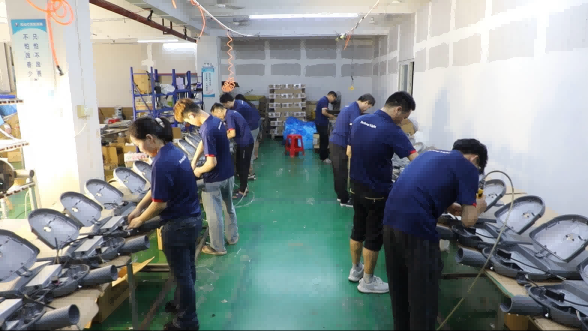
Assembly Process A
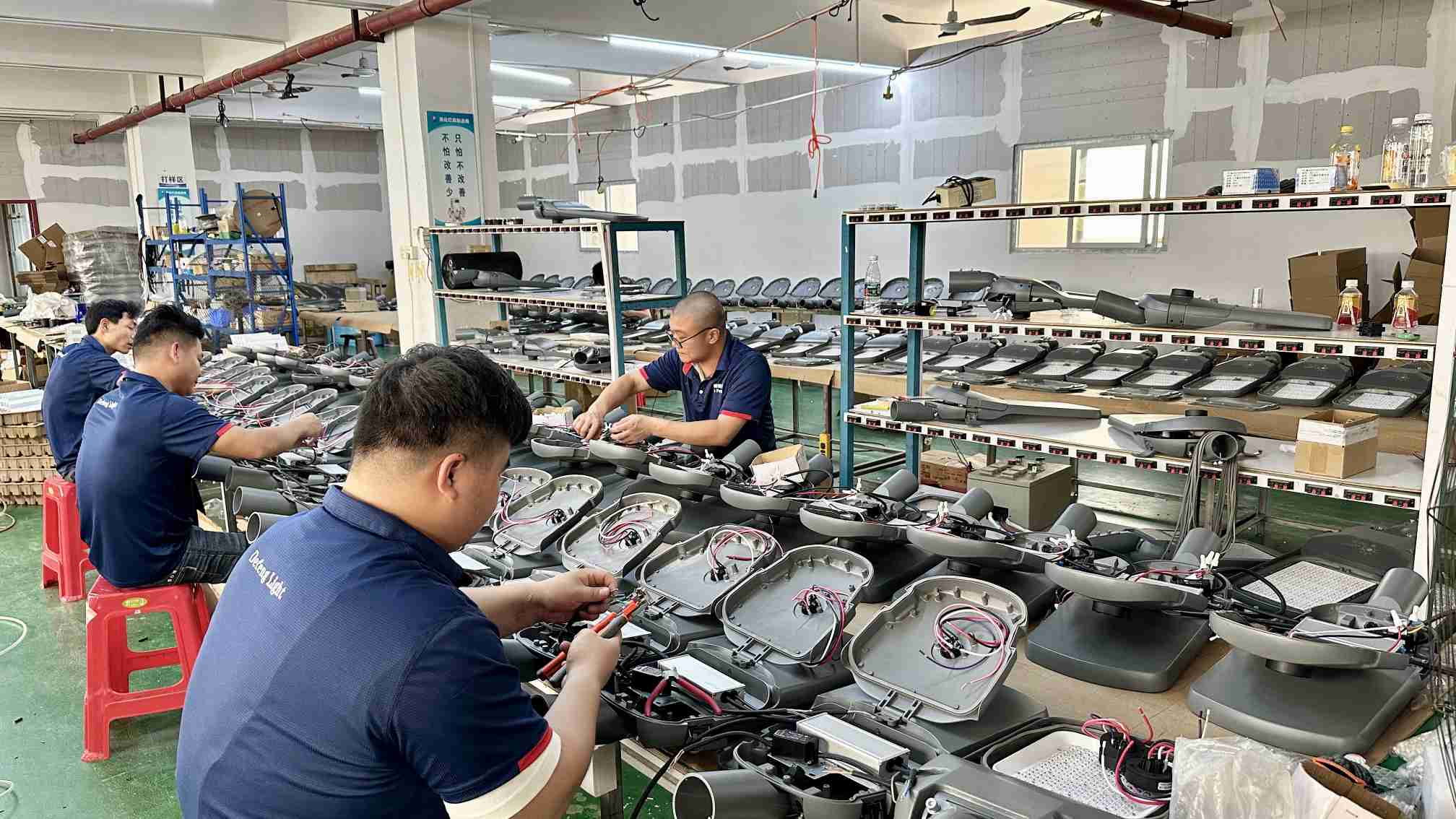
Assembly Process B
Different installation environments demand distinct engineering specifications. Below are three primary localized applications our product development team structures solutions for:
Coastal resorts and oceanfront walkpaths present highly corrosive atmospheres laden with salt spray and humidity. Standard outdoor steel fixtures degrade rapidly. In these environments, Alter Light specifies 316 Marine-Grade Stainless Steel (316SS) bezels paired with robust composite plastic backboxes. This prevents galvanic corrosion and maintains aesthetic and structural performance over decades.
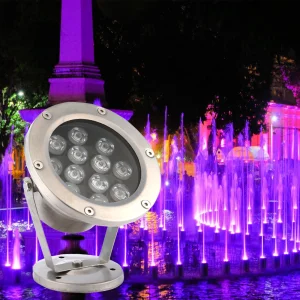
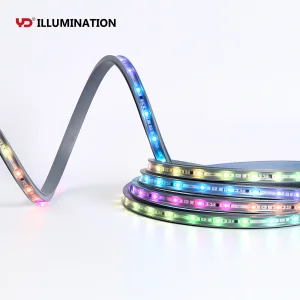
High-vibration underwater environments (near large pumping systems) require fixtures engineered to withstand hydrodynamic drag and vibration fatigue. Our IP68 spotlights and linear strip lights utilize structural potting compounds and double-welded internal connections to isolate driver boards and LED arrays from physical shocks, ensuring uninterrupted operation.
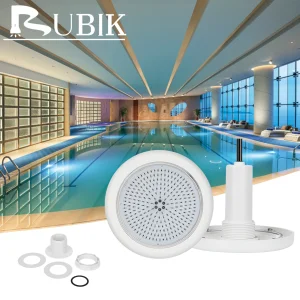
Modern luxury pools often feature vinyl or concrete linings that demand ultra-thin, low-profile, or nicheless light installation. The Alter Light "RUBIK Nicheless Light" and full resin-filled pool series enable flush-mount placement without bulky niches. This prevents structural leaks in concrete walls and streamlines retrofitting processes for electrical contractors.
As sustainability regulations tighten and IoT systems proliferate, the inground and underwater lighting market is rapidly shifting toward:
Procuring industrial lighting at scale requires a calculated risk-mitigation framework. Sourcing managers should verify the following engineering parameters:
Resolving common installation, engineering, and manufacturing challenges for municipal and commercial lighting
Explore our full line of commercial architectural lighting, solar components, and automated pool devices